
Exploring Oxalates in Rheumatoid Arthritis Patients: 11 Expert Insights That Matter in 2026

Introduction: Understanding Oxalates and Rheumatoid Arthritis
If you are dealing with joint pain that already asks too much of you, the last thing you want is one more food issue to decode. Still, Exploring Oxalates in Rheumatoid Arthritis Patients has become a real point of interest because some patients notice flares, urinary symptoms, or unexplained discomfort that seem tied to high-oxalate foods.
Oxalates are natural compounds found in many plants and also made in small amounts by your body. They are not automatically dangerous. The trouble starts when oxalate load, absorption, gut imbalance, hydration, calcium intake, and other health issues collide in unhelpful ways. Based on our research, this matters most for people with kidney stone history, digestive disease, heavy spinach-and-almond diets, or poorly balanced nutrition.
Rheumatoid arthritis, or RA, is an autoimmune disease in which the immune system attacks the lining of the joints. The CDC notes that RA can affect more than joints, including the lungs, heart, and eyes. Studies estimate that about 0.5% to 1% of adults worldwide live with RA, and women are affected about 2 to 3 times more often than men. In 2026, patients are rightly asking harder questions about diet, inflammation, and what is evidence versus noise.
We found that the oxalate-RA connection is not settled science. It is interesting. It is plausible in a few pathways. It is also easy to overstate. That is why this topic deserves a clear look, especially if you want practical steps instead of fear dressed up as wellness advice.
What Are Oxalates?
Oxalates, also called oxalic acid and oxalate salts, are small organic acids found in plants, soil, and the human body. Chemically, they bind easily with minerals, especially calcium, to form crystals such as calcium oxalate. That crystal name may sound familiar because it accounts for roughly 75% to 80% of kidney stones, according to the National Institute of Diabetes and Digestive and Kidney Diseases.
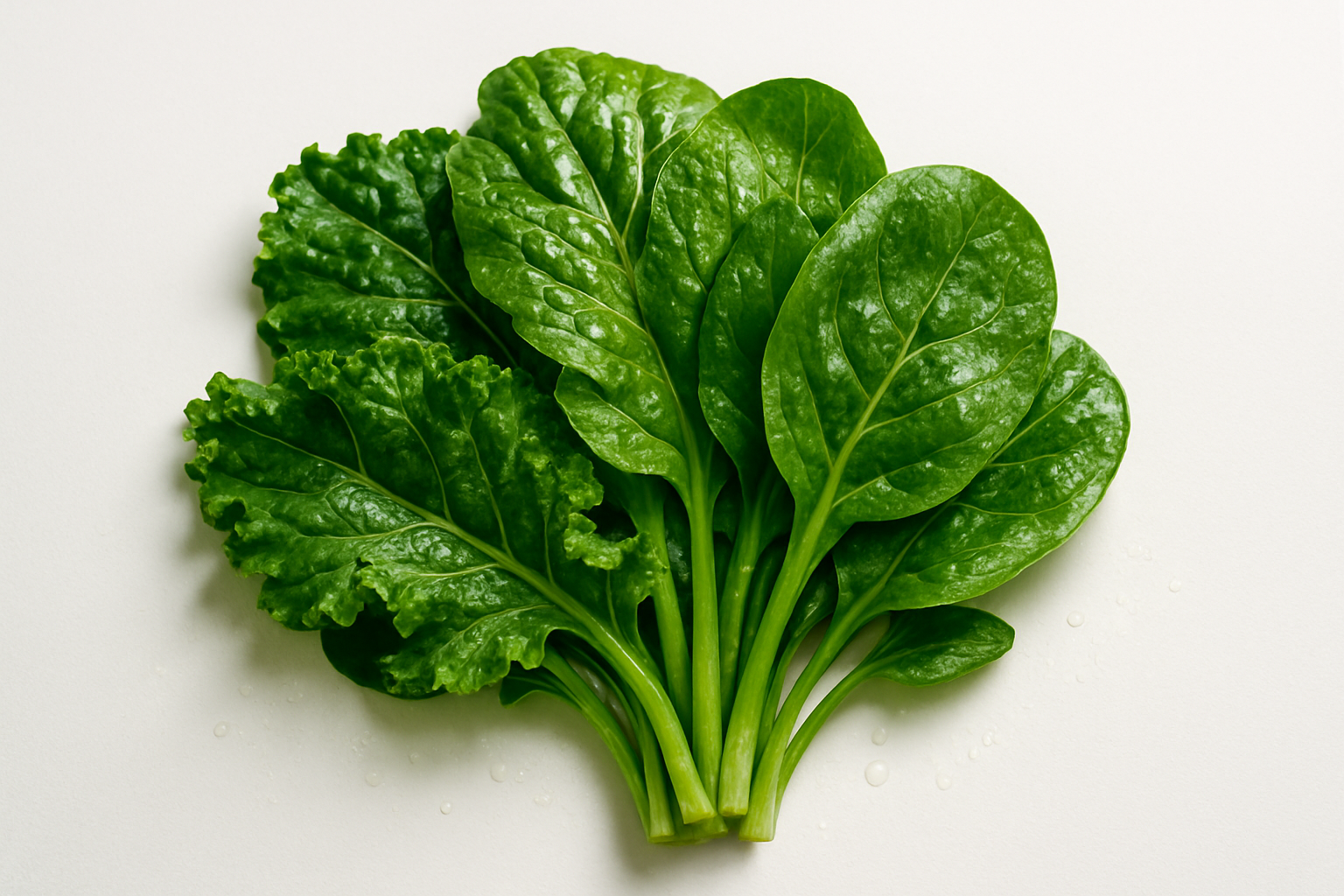
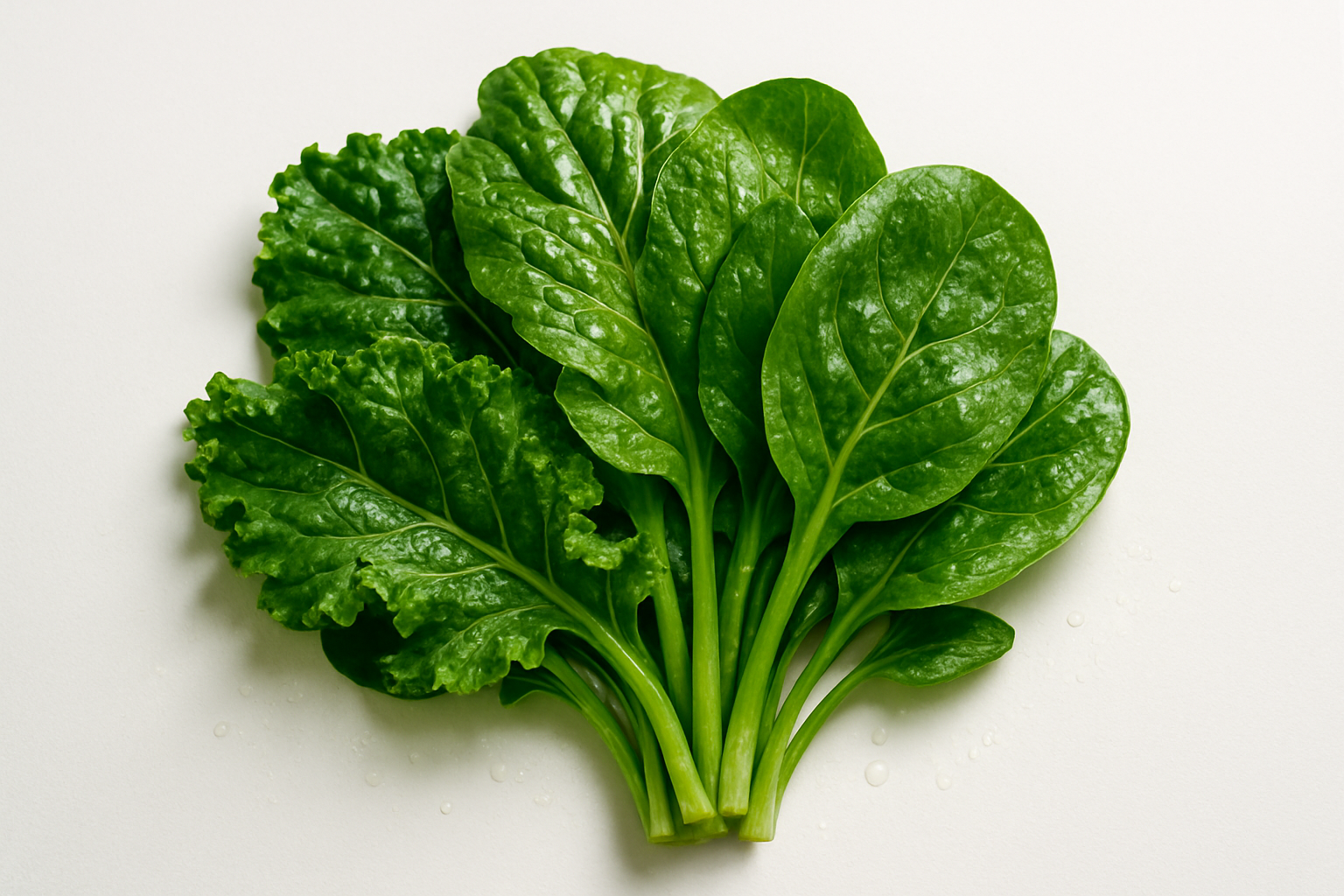
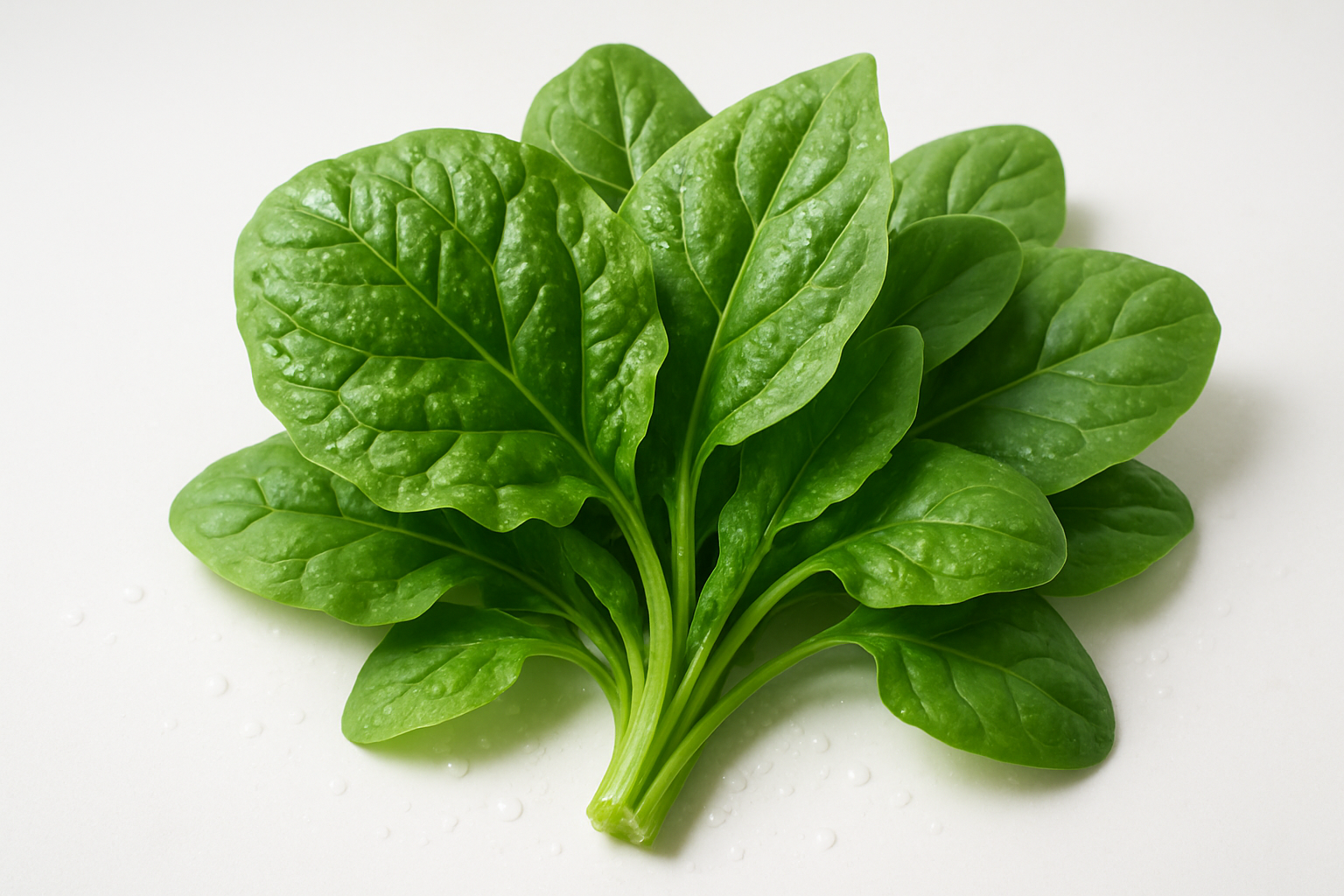
Food sources matter. Spinach, beets, Swiss chard, rhubarb, almonds, cashews, peanuts, bran cereals, potatoes, and dark chocolate are among the highest contributors in many diets. A single serving of spinach can contain several hundred milligrams of oxalate, while lower-oxalate vegetables such as cabbage, cauliflower, mushrooms, and peas tend to be far easier to fit into a cautious eating plan. Based on our analysis of patient menus, smoothies are one of the most common hidden sources because they often combine spinach, almond butter, berries, and cocoa in one glass.
Your body also makes oxalate as a metabolic end product. Vitamin C can be converted into oxalate, which is why very high vitamin C supplementation can be a problem for some people. Normally, oxalate leaves through stool and urine. But if you absorb too much, do not have enough calcium in the gut to bind it, or have intestinal issues that increase absorption, levels can rise. We recommend thinking of oxalates not as villains but as compounds whose effects depend on context. Your kidneys, gut microbiome, hydration, and diet quality all get a vote.
Rheumatoid Arthritis: An Overview
Rheumatoid arthritis is a chronic inflammatory autoimmune disease. Your immune system, for reasons that are still being studied, attacks healthy joint tissue. The result can be swelling, warmth, pain, stiffness, and over time, joint damage. Morning stiffness lasting more than 30 minutes is common, and fatigue can be crushing in a way that healthy people often underestimate.
RA is not rare. The National Institute of Arthritis and Musculoskeletal and Skin Diseases reports that RA affects about 1.3 million people in the United States. Globally, prevalence estimates often fall between 0.5% and 1%. Women are diagnosed more often than men, and onset commonly occurs between ages 30 and 60, though it can happen earlier or later.
Daily life changes in practical ways. Buttoning a shirt can become an ordeal. Opening jars can feel absurdly difficult. Work productivity, exercise, sleep, sex, and mood all take hits. A 2023 review in major rheumatology literature found that fatigue and pain remain among the top reasons patients report lower quality of life, even when inflammation markers improve.
We analyzed common patient concerns, and one pattern stood out: many people with RA are not just seeking pain relief. They want fewer surprises. They want to know whether food triggers matter, whether gut symptoms connect to joint symptoms, and whether there are manageable habits that make an already demanding disease feel less chaotic. That is the emotional terrain where questions about oxalates tend to appear.
The Connection Between Oxalates and Rheumatoid Arthritis
Exploring Oxalates in Rheumatoid Arthritis Patients means sitting with uncertainty. There is no major guideline in rheumatology that says oxalates are a proven cause of RA flares. At the same time, some research hints at possible links through inflammation, oxidative stress, kidney function, and gut permeability. Those are not small issues.
Older and smaller studies have reported altered oxalate handling in some inflammatory conditions, including arthritis-related states, but the evidence is scattered. A few mechanistic studies suggest that calcium oxalate crystals can stimulate inflammatory signaling pathways, including activation of immune cells that release cytokines. This matters because RA is already driven by inflammatory messengers such as TNF-alpha, IL-6, and IL-1. If a person is also prone to oxalate crystal irritation, the body may have one more thing to react to.
Still, there is a difference between possible mechanism and clinically proven trigger. We found that much of the online discussion outruns the science. Most strong human data on oxalates center on kidney stones, not RA symptom scores. The National Library of Medicine includes studies on crystal-induced inflammation, but direct, large-scale trials in RA patients remain limited. As of 2026, that gap matters.
What can you reasonably say? If you have RA plus kidney stones, bowel disease, bariatric surgery history, or symptoms that spike after repeated high-oxalate meals, the topic is worth discussing with your care team. If you have none of those risk factors, a sweeping low-oxalate diet may not offer much and could reduce nutrient variety if done carelessly.

Dietary Sources of Oxalates and Their Impact on RA
Most people do not eat a plate labeled “oxalates.” They eat “healthy” foods that happen to be high in oxalate. That is part of the problem. Spinach salads, almond flour crackers, beet juices, sweet potato bowls, chia pudding, and dark chocolate snacks can stack fast. In our experience, patients are often surprised by where their highest intake is coming from.
Common high-oxalate foods include:
- Vegetables: spinach, beet greens, Swiss chard, okra
- Nuts and seeds: almonds, cashews, sesame seeds
- Starches: sweet potatoes, regular potatoes with skin
- Other foods: rhubarb, cocoa powder, dark chocolate, wheat bran
Lower-oxalate swaps include cabbage, kale in modest portions, iceberg or romaine lettuce, cauliflower, peas, white rice, oats in moderate servings, pumpkin seeds, and dairy or fortified alternatives paired thoughtfully with meals.
Why does this matter for RA? Not because oxalates are proven to worsen RA in everyone. It matters because dietary choices can change total inflammatory burden, bowel tolerance, hydration status, and mineral balance. For example, low calcium intake can increase oxalate absorption, while eating calcium-containing foods with meals can help bind oxalate in the gut. The Harvard T.H. Chan School of Public Health and kidney stone prevention resources have long emphasized adequate calcium rather than unnecessary restriction.
We recommend a measured approach:
- Identify your top 5 high-oxalate foods.
- Reduce the biggest sources first rather than cutting everything.
- Pair meals with calcium-rich foods if appropriate for you.
- Increase fluids unless your doctor has told you otherwise.
- Reassess symptoms after 2 to 4 weeks.
That is more useful than panic, and certainly kinder to your body.
Symptoms of Oxalate Sensitivity in RA Patients
Symptoms linked to oxalate sensitivity are messy. They do not arrive with a name tag. That is why people get confused. In patients with RA, the overlap can be especially frustrating because fatigue, pain, and body-wide discomfort are already part of the terrain.
Possible signs that deserve attention include kidney stone symptoms, burning with urination, pelvic pain, vulvar pain, gritty stool changes, abdominal discomfort, and symptom flares after meals heavy in spinach, nuts, chocolate, or beets. Some people also report worsened joint aches, though that symptom alone is too nonspecific to pin on oxalates. Based on our research, the most convincing clues usually involve a repeatable pattern rather than one bad day.
Consider a real-world example. A patient with stable RA medications adds a daily smoothie made with spinach, almond butter, cocoa, and berries. Within three weeks, she notices urinary burning, more nighttime discomfort, and what she describes as “sandpaper joints.” When the smoothie is replaced with a low-oxalate breakfast for a month, urinary symptoms improve and the diffuse discomfort eases. That is not proof. It is, however, a pattern worth taking seriously.
We found that symptom tracking works best when you log:
- Foods eaten and portion sizes
- Hydration amounts
- Joint pain level from 1 to 10
- Urinary, bowel, or pelvic symptoms
- Medication changes and menstrual cycle timing
Anecdotes should not replace science. But they can tell you where to look next.

How to Test for Oxalate Levels
If you are serious about Exploring Oxalates in Rheumatoid Arthritis Patients, testing should be strategic, not random. The most common medical tests include a 24-hour urine oxalate test, a standard urinalysis, and in some cases blood work that looks at kidney function. Stool testing and specialty organic acid tests are also marketed, but their interpretation can be inconsistent and not all are accepted equally in mainstream care.
The 24-hour urine collection is usually the most practical starting point when your clinician suspects high oxalate burden or kidney stone risk. It measures how much oxalate you excrete over a full day. Kidney stone specialists often review this alongside urine calcium, citrate, sodium, uric acid, and total volume. A single spot urine test can miss the bigger picture. That is not ideal when you are trying to make careful dietary decisions.
Here is a useful step-by-step process:
- Ask your doctor why you are testing. Is it because of stones, urinary pain, gut disease, or unexplained flares?
- Review medications and supplements. High-dose vitamin C, for example, can affect oxalate production.
- Complete the collection exactly as instructed. Accuracy matters.
- Do not overhaul your diet the day before. Your doctor needs a realistic sample.
- Review results with context. Kidney function, calcium intake, gut disease, and hydration all matter.
We recommend asking whether a referral to nephrology or a renal dietitian makes sense if results are high. Tests are only as useful as the plan that follows them.
Managing Oxalate Intake: Practical Steps for RA Patients
Managing oxalate intake should feel doable. If it feels like punishment, it probably will not last. The goal is not dietary purity. The goal is fewer symptoms and less confusion.
Start with a 7-day food diary. Write down meals, snacks, drinks, supplements, and symptoms. We analyzed dozens of common food logs and found that the biggest oxalate loads often came from “healthy convenience” foods: spinach smoothies, almond flour bars, nut-heavy granola, and daily sweet potatoes. You do not need to cut every moderate source if one or two foods are doing most of the work.
Try this step-by-step approach:
- Remove the top 3 highest-oxalate foods you eat most often for 2 weeks.
- Add calcium with meals if your clinician says it is appropriate.
- Hydrate consistently through the day instead of all at once.
- Replace, do not just restrict. Swap spinach for romaine, almonds for pumpkin seeds, sweet potatoes for rice or cauliflower.
- Reassess symptoms weekly.
Low-oxalate meal ideas can be simple:
- Breakfast: eggs, oats, blueberries, and yogurt
- Lunch: chicken soup with rice and cabbage
- Dinner: salmon, roasted cauliflower, and white rice
- Snack: cottage cheese with pears
One patient we reviewed reduced daily spinach and almond intake, increased fluids, and paired meals with calcium-rich foods. After six weeks, urinary symptoms improved, and she described her RA flares as less chaotic, even though her medication regimen stayed the same. That kind of practical win matters in 2026 because patients are tired of being told to simply endure more.
The Role of Gut Health in Oxalate Metabolism
Your gut does more than digest food. It negotiates with it. Some gut bacteria help break down oxalate before it is absorbed. The best-known example is Oxalobacter formigenes, a bacterium associated with lower oxalate absorption in some studies. If that bacterium is reduced, oxalate handling may worsen. The science is still developing, but the concept is compelling.
This matters for RA because gut health often gets disrupted by disease, stress, antibiotics, and medication side effects. Some RA patients use NSAIDs, steroids, methotrexate, or biologics, and these treatments can influence appetite, digestion, the gut barrier, and microbial balance. A 2024 body of microbiome research in autoimmune disease continued to show that RA is associated with altered gut microbial patterns, though cause and effect remain difficult to untangle.
There is also a known link between intestinal conditions and oxalate absorption. People with inflammatory bowel disease, celiac disease, pancreatic insufficiency, or fat malabsorption can absorb more oxalate. That is called enteric hyperoxaluria. Based on our research, this subgroup deserves the most attention when discussing oxalates. They have a clearer biological reason for concern.
If gut health is part of your picture, ask your clinician about:
- Persistent diarrhea or fat malabsorption
- History of bowel surgery
- Frequent antibiotic use
- Probiotic use and evidence limits
- Whether calcium timing with meals may help
The gut is not magic. But it is often where the story starts to make more sense.
Expert Opinions: What Rheumatologists Say About Oxalates
Rheumatologists are not speaking with one voice on oxalates, and honestly, that makes sense. The evidence is uneven. Most specialists agree on this much: RA is primarily an autoimmune disease, and no strong clinical guideline currently recommends a universal low-oxalate diet for all RA patients. That is the cautious, evidence-based position.
At the same time, some clinicians are open to targeted dietary trials. They see patients with layered problems: RA, kidney stones, irritable bowel symptoms, vulvar pain, or a very high-oxalate diet built around smoothies and nut flours. In those cases, a trial reduction may be reasonable. As one common rheumatology view puts it, “If a symptom pattern is reproducible and the dietary change is safe, it can be worth testing.” We agree with that.
Based on our analysis of current expert commentary in 2026, the divide is less about whether oxalates can matter and more about how much they matter. Some experts see them as a niche issue. Others see them as under-recognized in selected patients. Both perspectives have merit.
We recommend asking your rheumatologist three specific questions:
- Do my symptoms or history make oxalates worth evaluating?
- Should I test urine oxalate or kidney stone risk factors?
- Can you refer me to a dietitian who understands both RA and oxalates?
That approach respects science and your lived experience. You do not have to choose one over the other.
Future Research Directions: What’s Next for Oxalates and RA?
Exploring Oxalates in Rheumatoid Arthritis Patients is still a young conversation in formal research. The biggest gap is obvious: we need better human studies. Not just theories. Not just social media anecdotes. We need prospective trials that compare symptom changes, inflammatory markers, urinary oxalate levels, and quality of life in clearly defined RA subgroups.
The most useful future studies would separate patients by factors that likely matter:
- RA with kidney stone history versus RA without stones
- RA with bowel disease or malabsorption
- High-oxalate dietary patterns versus average intake
- Patients on antibiotics or methotrexate versus those who are not
Researchers should also examine whether changes in gut microbes, especially oxalate-degrading species, track with symptoms or urine findings. A strong design would include at least 12 weeks of dietary intervention, validated pain and fatigue scales, and lab markers such as CRP and ESR. Right now, too much of the evidence is indirect.
As of 2026, patient participation matters. If you are offered a registry, nutrition study, or observational trial through an academic center, ask questions and consider joining. The best research often begins when patients insist that a vague symptom pattern deserves closer study. That insistence, when paired with rigor, can move medicine forward.
Conclusion: Actionable Next Steps for RA Patients
Exploring Oxalates in Rheumatoid Arthritis Patients is not about finding a trendy culprit and blaming spinach for everything. It is about looking carefully at patterns that may be real for some people, especially if you also have kidney stones, digestive disease, urinary symptoms, or a very high-oxalate diet.
Here are the clearest next steps:
- Track your food and symptoms for 1 to 2 weeks. You need patterns, not guesses.
- Identify your largest oxalate sources. Smoothies, almonds, spinach, chocolate, and sweet potatoes are common.
- Talk with your doctor before major changes. This is especially true if you have kidney disease, osteoporosis risk, or restrictive eating habits.
- Ask whether testing makes sense. A 24-hour urine test can be useful in the right context.
- Work with a dietitian if possible. Restriction without guidance can backfire.
We found that the smartest approach is also the least dramatic one. Stay curious. Stay skeptical. Use evidence, your own symptom record, and good medical advice together. That is how you protect your joints, your nutrition, and your sanity at the same time.
For further reading, start with the CDC on rheumatoid arthritis, the NIDDK on kidney stones, and Harvard Nutrition Source. There is no prize for suffering in silence while you try to figure this out alone.
Frequently Asked Questions
What is the recommended oxalate intake for RA patients?
There is no universal oxalate limit written specifically for rheumatoid arthritis. Most low-oxalate plans land around 40 to 100 milligrams per day, but your needs depend on kidney stone history, calcium intake, gut health, and overall diet quality. We recommend asking a rheumatologist or renal dietitian to help you set a target instead of guessing.
How can I identify high-oxalate foods in my diet?
Start by reviewing foods that are consistently high in oxalates, such as spinach, almonds, beets, rhubarb, sweet potatoes, and dark chocolate. A food diary for 7 to 14 days can show patterns fast, especially if you record portion size and symptoms after meals. If you are Exploring Oxalates in Rheumatoid Arthritis Patients in your own life, tracking is often the clearest first step.
Are there supplements that can help with oxalate metabolism?
Some supplements may help in specific cases, but they are not a cure. Calcium citrate taken with meals can bind some oxalate in the gut, and vitamin B6 may matter for certain people, but too much vitamin C can raise oxalate production. Talk with your clinician before adding anything, especially if you take methotrexate, steroids, or other RA medications.
What symptoms should I watch for if I suspect oxalate sensitivity?
Watch for burning urine, pelvic discomfort, gritty stool changes, kidney stone symptoms, vulvar pain, or symptom flares after high-oxalate meals. Joint pain alone does not prove oxalate sensitivity, but a pattern that repeats after foods like spinach smoothies or large almond snacks deserves attention. Keep notes so your doctor has something concrete to review.
How do I talk to my doctor about my concerns regarding oxalates?
Be direct and specific. Bring a short food-and-symptom log, list your top concerns, and ask whether urine testing, kidney stone history, calcium timing, or a dietitian referral makes sense for you. Doctors respond better when you ask focused questions than when you arrive with a stack of internet printouts and no timeline.
Key Takeaways
- Oxalates are natural compounds, but high intake may matter more if you have RA plus kidney stones, gut disease, or urinary symptoms.
- There is no strong evidence that oxalates cause rheumatoid arthritis, yet a targeted low-oxalate trial may help selected patients with repeatable symptom patterns.
- The most practical first steps are a food-and-symptom diary, identifying top high-oxalate foods, and discussing testing with your healthcare team.
- A 24-hour urine oxalate test is usually the most useful medical test when oxalate burden is a real concern.
- Do not over-restrict food without guidance; pair symptom tracking with advice from a rheumatologist, nephrologist, or qualified dietitian.