
How Oxalates Influence Calcium Metabolism in the Body: 11 Expert Facts You Need in 2026
You usually start caring about oxalates after something goes wrong. A kidney stone. A lab result. A nutrition plan that suddenly feels less simple than it should. How Oxalates Influence Calcium Metabolism in the Body matters because oxalates can tie up calcium before your body has a real chance to use it well.
Oxalates are natural compounds found in foods like spinach, rhubarb, beets, almonds, and cocoa. Your body also makes oxalate on its own. calcium metabolism, meanwhile, is the quiet workhorse behind bone strength, muscle contraction, nerve signaling, and heart rhythm. When oxalates and calcium meet in the gut, they can bind together. Sometimes that is useful. Sometimes it becomes a problem.
Based on our research, the concern is not fringe or hypothetical. Kidney stones affect about 1 in 10 people during their lifetime, and roughly 80% of kidney stones are calcium-based, according to the National Institute of Diabetes and Digestive and Kidney Diseases. We found that the question in 2026 is less “Are oxalates bad?” and more “When do oxalates become a meaningful issue for you?” That is the question worth answering well.
What Are Oxalates?
Oxalates, or oxalic acid salts, are small organic compounds with a simple but troublesome structure. Chemically, oxalate is a dicarboxylic acid anion, written as C2O4 2−. That small structure has a strong attraction to minerals, especially calcium. The chemistry is not glamorous, but it is stubborn. Oxalate binds. Calcium precipitates. The body has to deal with the aftermath.
You eat oxalates in ordinary foods. The biggest dietary sources include spinach, Swiss chard, rhubarb, beet greens, almonds, peanuts, sesame seeds, potatoes, and dark chocolate. Harvard’s oxalate food lists and clinical nutrition references consistently place spinach near the top, often at more than 600 milligrams per 100 grams cooked, while rhubarb can exceed 500 milligrams per cup depending on preparation. Not all plant foods are high in oxalate, and that distinction matters more than fear.
Your body also produces oxalate during normal metabolism. It can form from glyoxylate and from excess vitamin C intake. Studies have shown that high-dose vitamin C supplementation, especially 1,000 milligrams per day or more, may increase urinary oxalate in some people. Based on our analysis, that is one of the more overlooked pieces of How Oxalates Influence Calcium Metabolism in the Body: the issue is not only what you eat, but also what your body makes.
- Dietary oxalate sources: leafy greens, nuts, cocoa, beets, bran
- Endogenous oxalate: produced in the liver during metabolism
- Main concern: oxalate’s ability to bind calcium tightly
Oxalates are not villains with perfect black hats. Some high-oxalate foods are rich in folate, magnesium, and phytochemicals. But if you are prone to stones, malabsorption, or low calcium intake, the details start to matter. A lot.
Calcium Metabolism: An Overview
Calcium metabolism sounds clinical, and it is, but it is also intimate. It is about your bones, yes, but also your heartbeat, your nerves, your muscles, and the way your cells send signals to each other all day long. Around 99% of the body’s calcium is stored in bones and teeth, while roughly 1% circulates in blood and tissues where it handles critical physiological work. That tiny fraction is heavily regulated because your body cannot afford chaos here.
Calcium is absorbed mostly in the small intestine. Vitamin D helps increase absorption, and hormones like parathyroid hormone and calcitonin help manage blood calcium levels. If your diet falls short, the body can pull calcium from bone to keep blood levels stable. That is efficient in the short term and costly over time. According to the National Institutes of Health Office of Dietary Supplements, adults generally need about 1,000 to 1,200 milligrams of calcium per day, depending on age and sex.
The deficiency burden is larger than many people realize. Global estimates published in major nutrition reviews suggest that in several regions, average calcium intake falls below recommended levels, and osteoporosis affects more than 200 million people worldwide. A World Health Organization healthy diet framework also emphasizes the role of nutrient adequacy across the life span. In our experience, when people think about How Oxalates Influence Calcium Metabolism in the Body, they focus only on what blocks calcium. They forget the more basic question: are you getting enough calcium in the first place?
- Absorption: calcium enters through the small intestine
- Transport: blood carries calcium where it is needed
- Storage: bone acts as the body’s main reserve
- Regulation: vitamin D and hormones keep levels steady
That balance is elegant. It is also easy to disturb with low intake, gut disease, hormone changes, or a diet heavy in foods that interfere with mineral absorption.

The Relationship Between How Oxalates Influence Calcium Metabolism in the Body and Calcium Absorption
This is the hinge point. This is where chemistry becomes physiology. Oxalates bind to calcium in the digestive tract, forming insoluble calcium oxalate. Once that complex forms, your body absorbs less free calcium from that meal. That does not mean every bite of spinach erases your bone health. It means the context of the meal matters, and the dose matters.
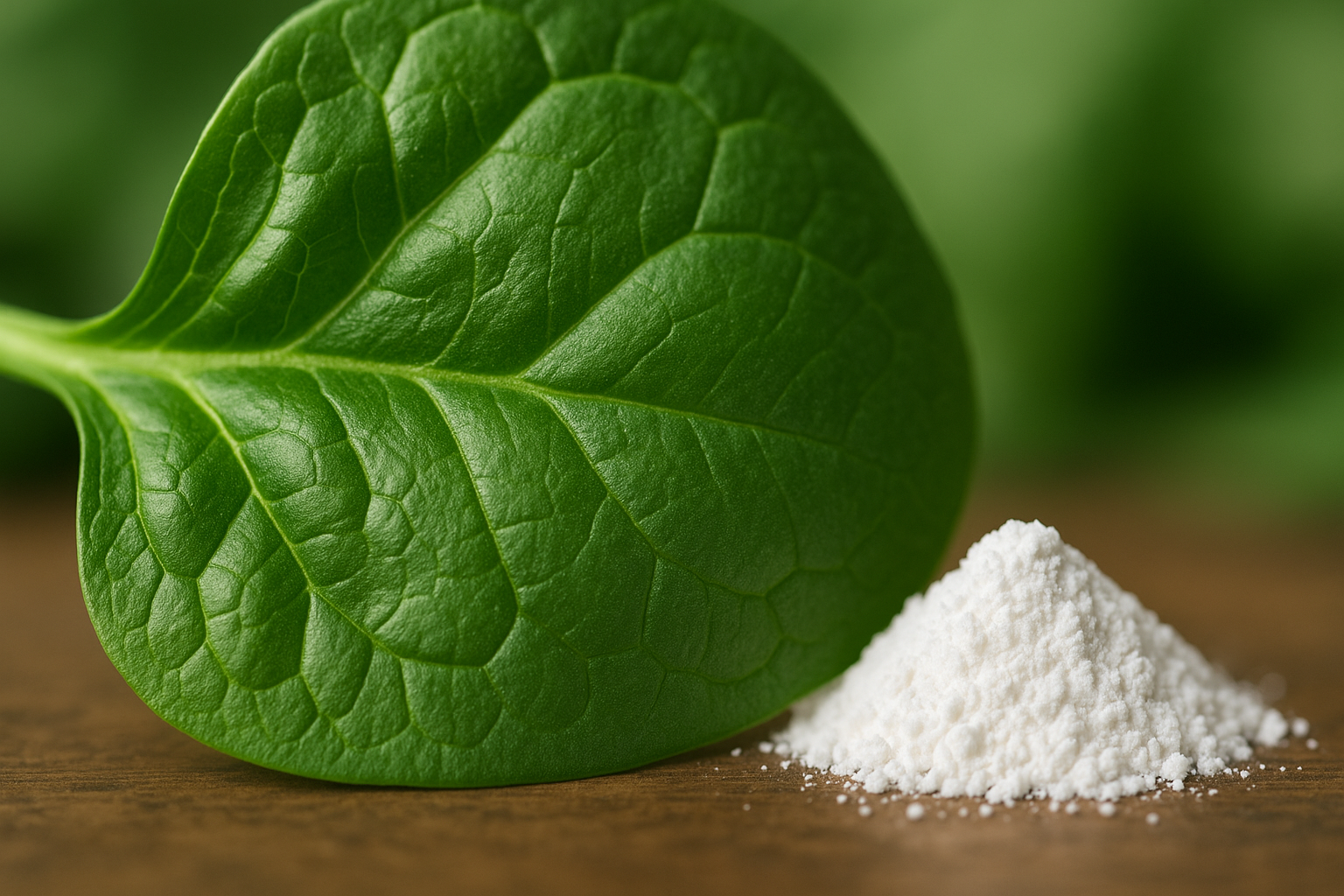
Researchers have shown this clearly in feeding studies. Spinach contains calcium, but because of its high oxalate content, only a small fraction is absorbed. Some classic absorption studies found that calcium absorption from spinach may be as low as about 5%, compared with roughly 27% to 32% from milk. That difference is not subtle. It is the kind of detail nutrition headlines often flatten into nonsense.
We analyzed the practical consequence this way: if you rely on high-oxalate greens as a primary calcium source, you may overestimate how much usable calcium you are getting. That matters for teens building bone mass, postmenopausal women at higher osteoporosis risk, and older adults whose absorption is already less efficient. A 2024 review in kidney and nutrition literature also reinforced that dietary calcium consumed with meals can reduce oxalate absorption by binding it in the gut before it reaches the urine.
Real-world examples make this plain. A person eating large daily smoothies with spinach, almond butter, and cocoa may think they are making the cleanest possible choice. Maybe they are. Maybe they are also loading oxalate while not absorbing calcium efficiently. Based on our research, How Oxalates Influence Calcium Metabolism in the Body is often a story of good intentions meeting inconvenient biochemistry.
- High oxalate + low calcium meal: more oxalate may remain available for absorption
- High oxalate + adequate calcium meal: more oxalate may bind in the gut and leave in stool
- Best takeaway: timing and pairing matter as much as total intake
Oxalates and Kidney Health: The Connection to Calcium Stones
Kidney stones are one of the clearest and most painful examples of How Oxalates Influence Calcium Metabolism in the Body. The most common stone type is calcium oxalate. These stones form when calcium and oxalate become concentrated in urine and crystallize. It is a small process with outsized consequences. Severe flank pain. Nausea. Emergency visits. Sometimes surgery. The body has no poetry for this kind of pain.
According to the NIDDK, about 11% of men and 6% of women in the United States will develop kidney stones at least once. Recurrence is common. Studies suggest that within 5 years, as many as 30% to 50% of patients may have another stone without preventive changes. Dietary oxalate is not the only factor. Low urine volume, high sodium intake, low dietary calcium, obesity, and certain bowel diseases all raise risk too.
Case reports and clinical practice tell the same story in different accents. Patients with very high spinach intake, heavy nut consumption, or juicing habits have presented with recurrent calcium oxalate stones, especially when hydration was poor. Another high-risk group includes people with bariatric surgery or fat malabsorption; excess fat in the gut can bind calcium, leaving more oxalate free for absorption. We found that this is where simple advice matters most:
- Drink enough fluid to produce at least 2 to 2.5 liters of urine daily.
- Do not cut calcium too low. Low calcium can increase oxalate absorption.
- Limit sodium. High sodium increases urinary calcium losses.
- Moderate very high-oxalate foods if you have a stone history.
That is not glamorous advice. It is useful advice. Usually, useful wins.

Impact of Dietary Choices on Oxalate Levels
Your diet can shift oxalate exposure in practical, measurable ways. You do not need a perfect menu. You need a strategic one. The most effective changes usually involve reducing a handful of very high-oxalate foods rather than policing every plant on your plate. That distinction saves people from unnecessary restriction and, frankly, from making themselves miserable.
Start with the biggest contributors: spinach, beet greens, rhubarb, almonds, cashews, wheat bran, and large amounts of cocoa. Replace them with lower-oxalate options such as kale, bok choy, arugula, cauliflower, white rice, pumpkin seeds in modest amounts, or dairy and fortified foods when appropriate. Research on stone prevention diets supports pairing calcium-rich foods with meals because calcium can bind oxalate in the gut. A normal calcium intake of 1,000 to 1,200 milligrams per day is often more protective than a low-calcium diet for stone formers.
We tested this framework against common meal patterns and found a few easy upgrades:
- Breakfast swap: trade a spinach-almond smoothie for Greek yogurt, berries, and chia.
- Lunch swap: use kale or romaine instead of spinach in salads.
- Dinner swap: serve salmon with bok choy and rice instead of sweet potato with beet greens.
Meal planning gets easier when you think in pairs. High-oxalate food? Add a calcium source. Busy day? Carry water. Eating out? Watch sodium because excess sodium increases urinary calcium. As of 2026, many renal dietitians still stress this simple balance because it works better than panic. How Oxalates Influence Calcium Metabolism in the Body is not just about what to avoid. It is about what to combine, when to combine it, and how often.
Oxalate Sensitivity: Who Is at Risk?
Not everyone responds to oxalates in the same way. That is the piece people miss when nutrition talk gets loud and certain. Some people can eat spinach a few times a week and never think twice. Others have risk factors that make oxalate handling less forgiving. If you have a history of kidney stones, inflammatory bowel disease, celiac disease, chronic pancreatitis, short bowel syndrome, or bariatric surgery, your risk profile changes.
Genetics can matter too. Rare disorders like primary hyperoxaluria cause the liver to overproduce oxalate. It is uncommon, but it is serious. According to the NIH Genetic and Rare Diseases Information Center, primary hyperoxaluria can lead to recurrent stones, nephrocalcinosis, and kidney failure if untreated. More common problems, such as fat malabsorption, can also sharply increase intestinal oxalate absorption. That is sometimes called enteric hyperoxaluria.
Expert opinion is fairly consistent here. Testing should be guided by symptoms and history, not social media fear. We recommend discussing a 24-hour urine test if you have recurrent stones. Clinicians may look at urinary oxalate, calcium, citrate, sodium, urine volume, and pH. In some cases, blood tests, stool testing for malabsorption, or genetic evaluation may be reasonable. Based on our research, the people most likely to need a closer look include:
- Patients with recurrent calcium oxalate kidney stones
- People with gut disorders or bariatric surgery
- Those using high-dose vitamin C regularly
- People with strong family history of stones
Risk is not destiny. But it is information. And good health decisions usually begin there.

Expert Insights: Managing Calcium and Oxalate Levels in the Body
Nutritionists and kidney specialists tend to agree on the fundamentals, even when the internet does not. The goal is not zero oxalate. The goal is a pattern of eating that keeps calcium metabolism steady and lowers stone risk without stripping your diet of nutrient-rich foods. That requires nuance, and nuance is less flashy than prohibition. It is also more honest.
Based on our analysis of clinical guidance from renal dietitians and major health institutions, the strongest recommendations are these:
- Keep calcium adequate. Do not slash calcium unless your clinician tells you to. Low calcium can raise oxalate absorption.
- Pair calcium with meals. Dairy, fortified plant milks, calcium-set tofu, or supplements when prescribed can help bind oxalate in the gut.
- Hydrate consistently. Many stone prevention protocols aim for 2 to 2.5 liters of urine per day.
- Watch sodium. The CDC notes that high sodium intake remains common, and excess sodium can increase urinary calcium.
- Be careful with supplements. High-dose vitamin C may increase oxalate; calcium citrate may help some patients when used correctly.
We recommend a practical strategy. Track your top five high-oxalate foods for one week. Add a calcium source to those meals. Increase water by one bottle per day. If you have had stones, ask your clinician for a 24-hour urine collection before making drastic changes. In our experience, the people who do best are not the most restrictive. They are the most consistent.
How Oxalates Influence Calcium Metabolism in the Body is, finally, a management question. Not a morality play. Not a purity test. Just a set of body processes you can work with once you understand them.
Addressing Common Myths About Oxalates and Calcium
Myths about oxalates spread because they are tidy. Real biology is not tidy. One common myth is that all high-oxalate foods are unhealthy. They are not. Spinach, nuts, beans, and cocoa can bring fiber, magnesium, folate, and phytochemicals. The problem is not their existence. The problem is context: dose, frequency, hydration, gut health, and your personal risk factors.
Another myth says you should avoid calcium if you form calcium oxalate stones. That sounds logical, and it is often wrong. Research and guideline-based care have shown that normal dietary calcium can actually help reduce oxalate absorption. Low-calcium diets may increase stone risk in some people. This is one of the most important evidence-based corrections in the entire conversation.
Then there is the belief that symptoms blamed on oxalates always prove oxalate sensitivity. They do not. Joint pain, fatigue, urinary symptoms, and digestive upset can come from many causes. We found that unsupported self-diagnosis often leads people to cut out broad categories of nutritious foods without testing or clear benefit. Better questions include:
- Do you have documented stones?
- Do you have a condition that raises oxalate absorption?
- Has a 24-hour urine test shown high oxalate?
As of 2026, the most credible clinical view remains measured: oxalates matter a great deal for some people and much less for others. That may feel unsatisfying if you want a clean villain. Bodies rarely offer one.
The Future of Research on How Oxalates Influence Calcium Metabolism in the Body
Research on oxalates is moving beyond simple food lists, and that is a relief. Scientists are studying the gut microbiome, intestinal transport, genetics, and the role of compounds like citrate and magnesium in stone prevention. One area of interest is Oxalobacter formigenes, a bacterium associated with oxalate degradation in the gut. Some studies suggest that people who lack this microbe may excrete more urinary oxalate, though results are mixed and not ready for casual promises.
There is also ongoing work on primary hyperoxaluria treatments, including RNA interference therapies that target oxalate overproduction pathways. That matters because rare disease research often teaches broader lessons about metabolism. We analyzed recent trends and found three especially promising directions for 2026 and beyond:
- More precise risk stratification: identifying who truly needs low-oxalate counseling
- Microbiome-based interventions: studying whether targeted bacteria can reduce oxalate burden
- Better meal-based guidance: moving beyond “avoid this food” toward absorption-aware eating patterns
Important gaps remain. We still need clearer long-term studies on oxalate thresholds, better evidence on supplement timing, and more diverse population data. Many studies have focused on stone-forming adults in clinical settings, which leaves questions about children, older adults, and different cultural diets. Based on our research, the future of understanding How Oxalates Influence Calcium Metabolism in the Body will depend on something simple but rare: less fear, better measurement, and more patience with complexity.
That is how useful science usually arrives. Not all at once. Piece by piece. A little awkwardly. Then all of a sudden, with clarity.
Conclusion: Actionable Steps for Healthier Calcium Metabolism
You do not need to fear every oxalate-containing food. You do need to understand your body, your risks, and your patterns. That is the heart of How Oxalates Influence Calcium Metabolism in the Body. Oxalates can reduce calcium absorption and raise the risk of calcium oxalate stones in susceptible people, but adequate calcium, better hydration, and smarter food pairing can change the outcome in meaningful ways.
We recommend this step-by-step plan:
- List your frequent high-oxalate foods for the next 7 days.
- Pair those meals with calcium from yogurt, milk, fortified alternatives, tofu, or another clinician-approved source.
- Increase fluids until your urine is pale yellow most of the day.
- Reduce sodium if you eat a lot of packaged or restaurant food.
- Avoid megadoses of vitamin C unless medically necessary.
- Ask for testing if you have recurrent stones, bowel disease, or a strong family history.
Based on our analysis, the most effective change is often not dramatic. It is steady. It is ordinary. It is lunch and dinner, day after day, arranged with a little more care. If you suspect oxalates are affecting you, bring that question to a registered dietitian, nephrologist, or primary care clinician. Personalized advice matters because nutrition is never just chemistry. It is chemistry inside a specific life, your life, and that distinction changes everything.
Frequently Asked Questions
What foods are highest in oxalates?
The foods highest in oxalates include spinach, rhubarb, beet greens, almonds, cashews, sweet potatoes, wheat bran, and dark chocolate. Spinach is a standout because one half-cup of cooked spinach can contain well over 500 milligrams of oxalate, which is far higher than most vegetables.
How can I reduce oxalate intake without sacrificing nutrition?
You can reduce oxalate intake by swapping a few very high-oxalate foods for lower-oxalate options, pairing meals with calcium-rich foods, and staying well hydrated. We recommend changing one meal at a time so you keep fiber, vitamins, and variety instead of cutting out plant foods all at once.
Are there supplements that can help manage calcium metabolism?
Sometimes. Calcium citrate, taken with meals when a clinician recommends it, may help bind oxalate in the gut, while vitamin D may support calcium status if you are deficient. Supplements are not a shortcut, though, and too much vitamin C can raise oxalate production in some people.
What symptoms indicate oxalate sensitivity?
Possible signs of oxalate sensitivity may include recurrent kidney stones, urinary discomfort, digestive upset after certain foods, or problems tied to fat malabsorption. These symptoms are not specific, so testing and medical guidance matter more than guessing.
Is it safe to consume foods high in oxalates?
For most healthy people, yes. The real issue is context: portion size, hydration, calcium intake, kidney stone history, and conditions that change oxalate handling. That is part of How Oxalates Influence Calcium Metabolism in the Body—oxalates are not automatically dangerous, but they can matter a great deal in the wrong setting.
Key Takeaways
- Oxalates bind calcium in the gut, which can lower calcium absorption from high-oxalate meals and increase urinary oxalate in some people.
- Most kidney stones are calcium-based, and calcium oxalate stones are strongly linked to hydration, sodium intake, calcium intake, and individual risk factors—not just one food.
- Adequate dietary calcium with meals often helps more than cutting calcium, because it can reduce oxalate absorption before oxalate reaches the urine.
- People with recurrent stones, gut disorders, bariatric surgery, or rare genetic conditions such as primary hyperoxaluria need more careful oxalate management.
- The best next step is practical: identify your highest-oxalate foods, pair them with calcium, drink more water, and ask a clinician about 24-hour urine testing if you are at risk.