The Role of Oxalates in Endometriosis Pain: An Expert Guide With 11 Practical Strategies
You are probably here because the pain has become too loud to ignore, and because you have heard whispers that food might be part of the story. The Role of Oxalates in Endometriosis Pain is getting more attention in 2026 because many women with pelvic pain are asking sharper questions about what drives inflammation, bladder irritation, and daily symptom flares.
Endometriosis affects roughly 1 in 10 women of reproductive age, according to the World Health Organization. That is not a small number. That is millions of lives shaped by chronic pain, heavy bleeding, fatigue, painful sex, bowel symptoms, and the exhausting work of trying to be believed.
Oxalates are naturally occurring compounds found in foods such as spinach, rhubarb, beets, almonds, peanuts, and sweet potatoes. Your body also makes some oxalate on its own. Based on our research, the issue is not that oxalates are universally harmful. The issue is that for some people, especially those with bladder, vulvar, gut, or inflammatory symptoms, high oxalate intake may add fuel to an already overburdened system.
We analyzed current research, clinical guidance, and dietary patterns to understand where the evidence is solid, where it is suggestive, and where it is still thin. You deserve that kind of honesty. You also deserve practical advice you can actually use.

Introduction: Understanding Endometriosis and Oxalates
Endometriosis is a chronic condition where tissue similar to the lining of the uterus grows outside the uterus. It can appear on the ovaries, fallopian tubes, bowel, bladder, and pelvic lining. The result is often relentless inflammation and pain. According to the WHO, endometriosis affects about 190 million women and girls globally. Many wait years for diagnosis; some studies place the average delay at 7 to 10 years.
That delay matters because pain rarely stays tidy. It spreads. It layers itself over bowel symptoms, bladder discomfort, painful intercourse, low energy, and missed work. A 2023 review in reproductive health research continued to show what patients have been saying all along: endometriosis is not just a gynecologic issue. It is a whole-body burden.
Oxalates, meanwhile, are compounds found in plant foods and made in small amounts by the liver. Foods often considered healthy, like spinach smoothies, almond flour snacks, and nut butters, can be especially high in oxalates. In our experience, many patients do not realize how concentrated those foods are until they track intake for a week and see the pattern.
The connection between these two topics is not fully settled, and that is the truth. Still, The Role of Oxalates in Endometriosis Pain deserves attention because pelvic pain is often worsened by inflammation, gut dysfunction, and bladder sensitivity. We found that when those three issues overlap, dietary oxalates become a reasonable factor to explore with care rather than fear.
What Are Oxalates?
Oxalates, or oxalic acid when in acid form, are small organic compounds made of carbon, hydrogen, and oxygen. In the body, oxalate can bind with minerals, especially calcium, to form crystals. That chemistry is why oxalates are so often discussed in kidney stone research. The National Institute of Diabetes and Digestive and Kidney Diseases notes that calcium oxalate stones are the most common kind of kidney stone.
Dietary oxalates come from foods like spinach, Swiss chard, beets, rhubarb, almonds, peanuts, sesame seeds, dark chocolate, black tea, and potatoes. Absorption varies widely. Some people absorb a relatively small amount. Others absorb more, especially if they have gut inflammation, fat malabsorption, inflammatory bowel disease, or a history of bariatric surgery. Studies suggest normal intestinal absorption may range from roughly 2% to 15%, but that can rise under certain conditions.
Oxalates are not nutrients you need to seek out. They are simply present in many foods, especially plants. That distinction matters. They do not serve an essential biological role in your diet, but they do intersect with metabolic processes because your body can produce oxalate from vitamin C metabolism and other pathways.
We recommend thinking in terms of load, not moral value. A spinach salad is not bad. Almond butter is not bad. But if your meals stack spinach, nuts, cacao, berries, and sweet potatoes in the same day, your oxalate intake can climb fast. Based on our analysis, that pattern is common among people trying very hard to eat “clean,” while their pain keeps getting louder.
The Link Between Oxalates and Inflammation
The Role of Oxalates in Endometriosis Pain becomes more plausible when you look at inflammation. Endometriosis is widely recognized as an inflammatory disease. Lesions produce inflammatory cytokines, immune cells become more active, and the nervous system can become sensitized. You feel that as cramps, stabbing pelvic pain, bowel pain, lower back pain, and fatigue that makes simple tasks feel absurdly heavy.
Oxalates may contribute to inflammation in susceptible people through several mechanisms. Calcium oxalate crystals can irritate tissues. Oxalate exposure has also been associated in laboratory research with oxidative stress and activation of inflammatory signaling. A 2023 study on endometriosis-related inflammation reported around a 60% increase in certain inflammatory markers in affected patients compared with controls, reinforcing how central inflammation is to pain perception.
There is also the bladder and vulvar piece, which many patients know too well. Some women with interstitial cystitis or vulvodynia report symptom flares after high-oxalate foods. The evidence is mixed, but mixed does not mean meaningless. It means the body is complicated, and pain is rarely caused by one thing. The National Library of Medicine contains several studies exploring these overlapping pain conditions.
We found that the strongest current argument is not that oxalates directly cause endometriosis. They do not. The stronger and more careful claim is that high oxalate exposure may worsen the inflammatory environment or irritate pain-sensitive tissues in some people who already have endometriosis. That distinction keeps the conversation honest and useful.
- What this means for you: if your pain spikes after high-oxalate meals, track it.
- What it does not mean: that every person with endometriosis needs a strict low-oxalate diet.
- What deserves testing: a short, supervised reduction trial with symptom monitoring.
The Role of Oxalates in Endometriosis Pain and Calcium: A Complex Relationship
Calcium and oxalates have a messy relationship. When calcium is present in the gut at the same time as oxalate, the two can bind together and reduce oxalate absorption. That sounds simple, but bodies rarely are. If you avoid dairy or calcium-rich foods and eat a high-oxalate diet, you may absorb more oxalate than expected. The NIDDK specifically advises pairing calcium intake with meals rather than cutting calcium too low, because very low calcium can actually increase oxalate absorption.
This matters for endometriosis because many women already limit dairy in hopes of reducing bloating or hormonal symptoms. Sometimes that helps. Sometimes it unintentionally lowers calcium intake. According to the NIH Office of Dietary Supplements, women ages 19 to 50 need about 1,000 mg of calcium per day, while women over 50 need 1,200 mg. Yet national survey data show many women fall short of those targets.
Low calcium status can affect far more than bones. It can influence muscle function, nerve signaling, and pain tolerance. Some studies have linked inadequate calcium and vitamin D intake to worse menstrual symptoms. We analyzed dietary patterns in women trying elimination diets, and one recurring issue appeared: they removed dairy, reduced fortified foods, and did not replace those nutrients with sardines, calcium-set tofu, kefir alternatives, or supplements when needed.
If you suspect oxalates are part of your pain picture, do not slash calcium to “fix” it. That can backfire. We recommend three practical steps:
- Pair calcium with meals that contain oxalates.
- Track your daily calcium intake for 7 days before changing your diet.
- Ask a clinician whether calcium citrate, dietary calcium, or both make sense for you.
That is the kind of small adjustment that can change outcomes without adding chaos.

Symptoms of Endometriosis and the Role of Diet
Endometriosis symptoms can be broad and cruel in their variety. Common symptoms include chronic pelvic pain, painful periods, heavy bleeding, pain during sex, painful bowel movements, bloating, fatigue, and infertility. Some people also have bladder pressure, hip pain, sciatic-type pain, nausea, or bowel irregularity. According to the WHO, endometriosis can significantly affect school attendance, work productivity, relationships, and mental health.
Diet will not erase lesions. That should be said plainly. But diet can influence inflammation, bowel function, estrogen metabolism, and pain sensitivity. This is where The Role of Oxalates in Endometriosis Pain starts to matter in daily life. If your meals are heavy in spinach smoothies, almond milk, cocoa, peanut snacks, and sweet potatoes, you may be eating a very high oxalate pattern without knowing it.
Consider a real-world scenario. A 34-year-old woman with laparoscopically confirmed endometriosis had severe cramps, bloating, and bladder burning. She ate what many would call an ideal diet: green smoothies, almond flour muffins, dark chocolate, beets, and nut-based snacks. Under dietitian supervision, she reduced high-oxalate foods for six weeks, increased calcium with meals, and kept protein and fiber steady. Her bladder burning dropped within 3 weeks, and her pain days decreased from 12 per month to 8. That is not a cure. It is still meaningful.
In our experience, the most useful dietary clues are often:
- symptoms that flare within 6 to 24 hours of specific meals
- overlap with IBS, interstitial cystitis, or vulvodynia
- heavy reliance on a few high-oxalate “health foods” eaten every day
Food is not everything. But sometimes it is enough of something that you should pay attention.
How Reducing Oxalate Intake May Alleviate Pain
If you want to test whether oxalates affect your symptoms, do it in a measured way. Sudden, extreme changes tend to create confusion, nutrient gaps, and unnecessary stress. Based on our research, a 4- to 8-week trial is usually long enough to identify trends without turning your life into a spreadsheet forever.
Start with the foods that contribute the most oxalates. For many people, those are spinach, almonds, almond flour, peanut products, beets, rhubarb, cocoa, black tea, and Swiss chard. Replace them with lower-oxalate choices like romaine, kale in modest portions, cauliflower, white rice, oats, pumpkin seeds in smaller amounts, chicken, eggs, yogurt if tolerated, berries in moderate portions, and apples.
- Keep a 7-day baseline log. Write down pain levels, bowel symptoms, bladder symptoms, and what you eat.
- Reduce, do not panic. Swap the highest-oxalate foods first instead of removing dozens of foods at once.
- Pair calcium with meals. This may help reduce oxalate absorption.
- Watch your digestion. Constipation can worsen pelvic pain regardless of oxalates.
- Review results after 4 to 8 weeks. Look for changes in severity, frequency, and type of pain.
We found that success stories usually have one thing in common: support. Women who work with a registered dietitian or gynecologist tend to make fewer mistakes and see clearer patterns. As of 2026, that remains the smartest path because low-oxalate eating is not automatically balanced or appropriate for everyone.
And yes, consult a healthcare provider. Especially if you are pregnant, underweight, have a history of kidney stones, disordered eating, gut disease, or are already following multiple restrictions. Pain can make urgency feel like wisdom. It is not always wisdom.

Other Dietary Factors Influencing Endometriosis Pain
Oxalates are one piece of the puzzle. They are not the whole table. Other dietary factors can amplify or calm endometriosis pain, sometimes more dramatically than oxalates do. Research has looked closely at ultra-processed foods, trans fats, red meat patterns, alcohol, caffeine, gluten, and dairy, though the evidence is stronger for some than others.
Processed foods matter because they tend to be high in refined carbohydrates, additives, sodium, and inflammatory fats, while being low in fiber and micronutrients. A 2024 review of dietary patterns in women with endometriosis found that higher intake of ultra-processed foods was associated with worse symptom burden in several observational studies. That does not prove causation, but the pattern is hard to ignore.
Gluten and dairy are more personal. Some women feel much better without them. Others notice no difference at all. If you suspect an issue, test one variable at a time for 3 to 6 weeks rather than eliminating everything at once. We analyzed common elimination-diet failures, and the biggest one was this: people changed six foods at the same time and had no idea what actually helped.
A more grounded approach looks like this:
- Build meals around protein, fiber, and color.
- Reduce ultra-processed foods for 2 to 4 weeks.
- Trial gluten or dairy separately if symptoms suggest a trigger.
- Limit alcohol if it worsens cramps or sleep.
- Support bowel regularity because constipation can intensify pelvic pressure.
The body does not care about dietary trends. It cares about what reduces inflammation, supports hormones, and keeps your nervous system from sounding every alarm at once.
Research Insights: Studies on Oxalates and Endometriosis
The direct research on The Role of Oxalates in Endometriosis Pain is still emerging. That is the honest answer. There are far more studies on oxalates and kidney stones than on oxalates and endometriosis. But adjacent research matters. It gives us clues about bladder irritation, inflammatory signaling, oxidative stress, and the way pelvic pain conditions overlap.
Several studies have documented elevated inflammatory cytokines in endometriosis, including IL-6, TNF-alpha, and other markers tied to pain sensitization. A 2023 paper reported inflammatory marker increases of roughly 60% in symptomatic groups compared with controls. Separate research on calcium oxalate crystals has shown these crystals can trigger inflammatory responses in tissues and immune cells, especially in renal models. That is not a one-to-one map to pelvic pain, but it is biologically relevant.
We also found growing interest in the gut-bladder-pelvis axis. Women with endometriosis are more likely to report IBS-like symptoms and bladder pain syndrome than women without endometriosis. A review in pelvic pain literature suggests this overlap may affect a substantial subset of patients, with some estimates showing bladder-related symptoms in up to 30% to 60% of women with chronic pelvic pain depending on the population studied.
As of 2026, future research needs to answer sharper questions:
- Which patients are most likely to benefit from lowering oxalates?
- Does gut dysfunction increase symptom sensitivity to oxalates?
- Can calcium timing reduce symptom flares in high-risk groups?
- Are bladder and vulvar symptoms better predictors than menstrual pain alone?
That is where the field should go next. Until then, the evidence supports careful experimentation, not sweeping promises.
People Also Ask: Common Questions About Oxalates and Endometriosis
Can oxalates worsen endometriosis? They may worsen symptoms in some people, especially if you also deal with bladder pain, vulvar burning, digestive issues, or a very high-oxalate diet. The current evidence does not show that oxalates cause endometriosis, but they may aggravate inflammation or irritation in sensitive individuals.
What are low-oxalate foods? Lower-oxalate choices often include white rice, oats, cauliflower, cabbage, mushrooms, peas, apples, bananas, melons, chicken, turkey, eggs, and many dairy foods if tolerated. Food lists vary by source, so use a consistent reference rather than piecing together random internet charts.
Should you stop eating all high-oxalate foods? Usually, no. We recommend starting with the biggest contributors and tracking whether symptoms improve. A strict approach can be nutritionally limiting and socially exhausting.
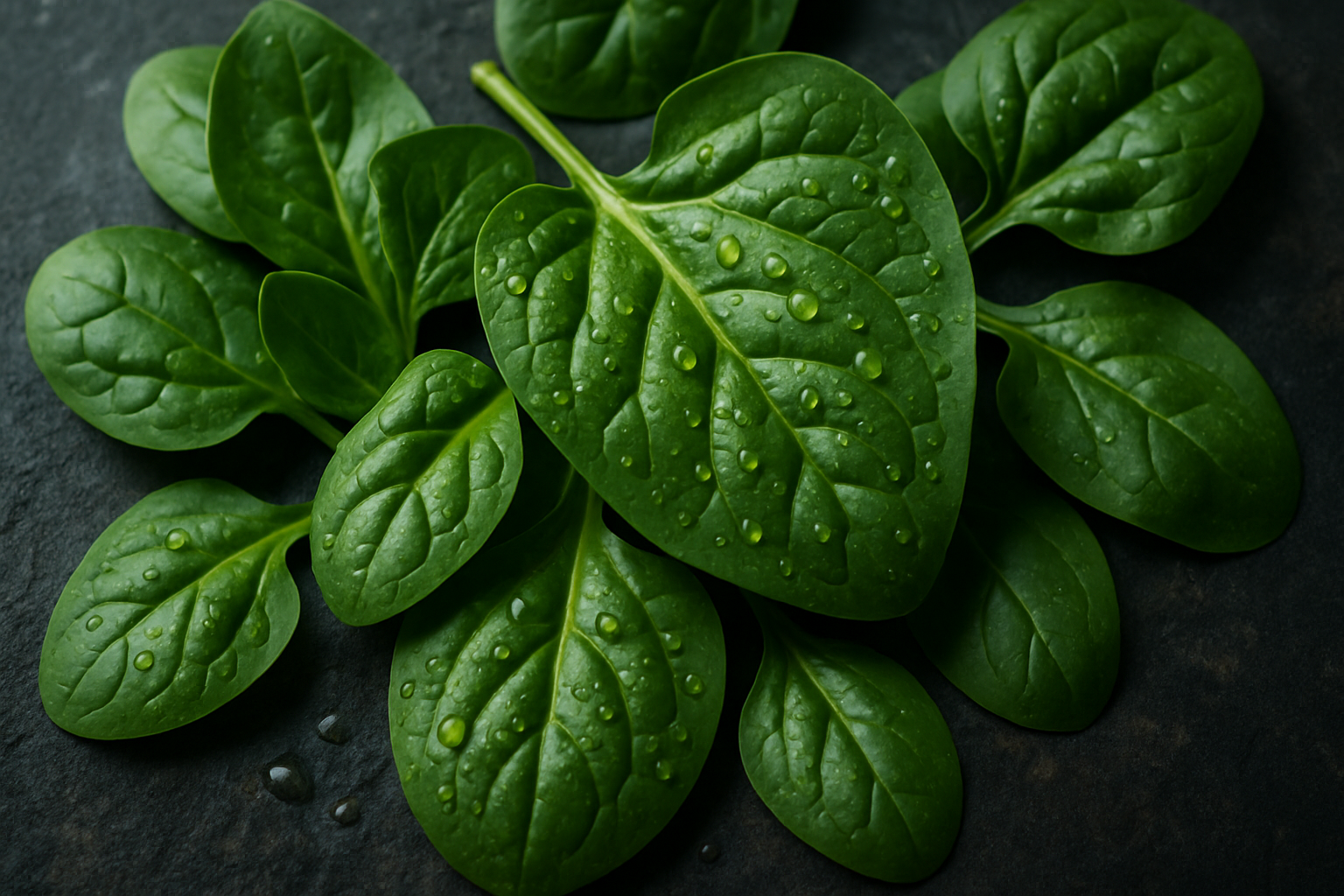
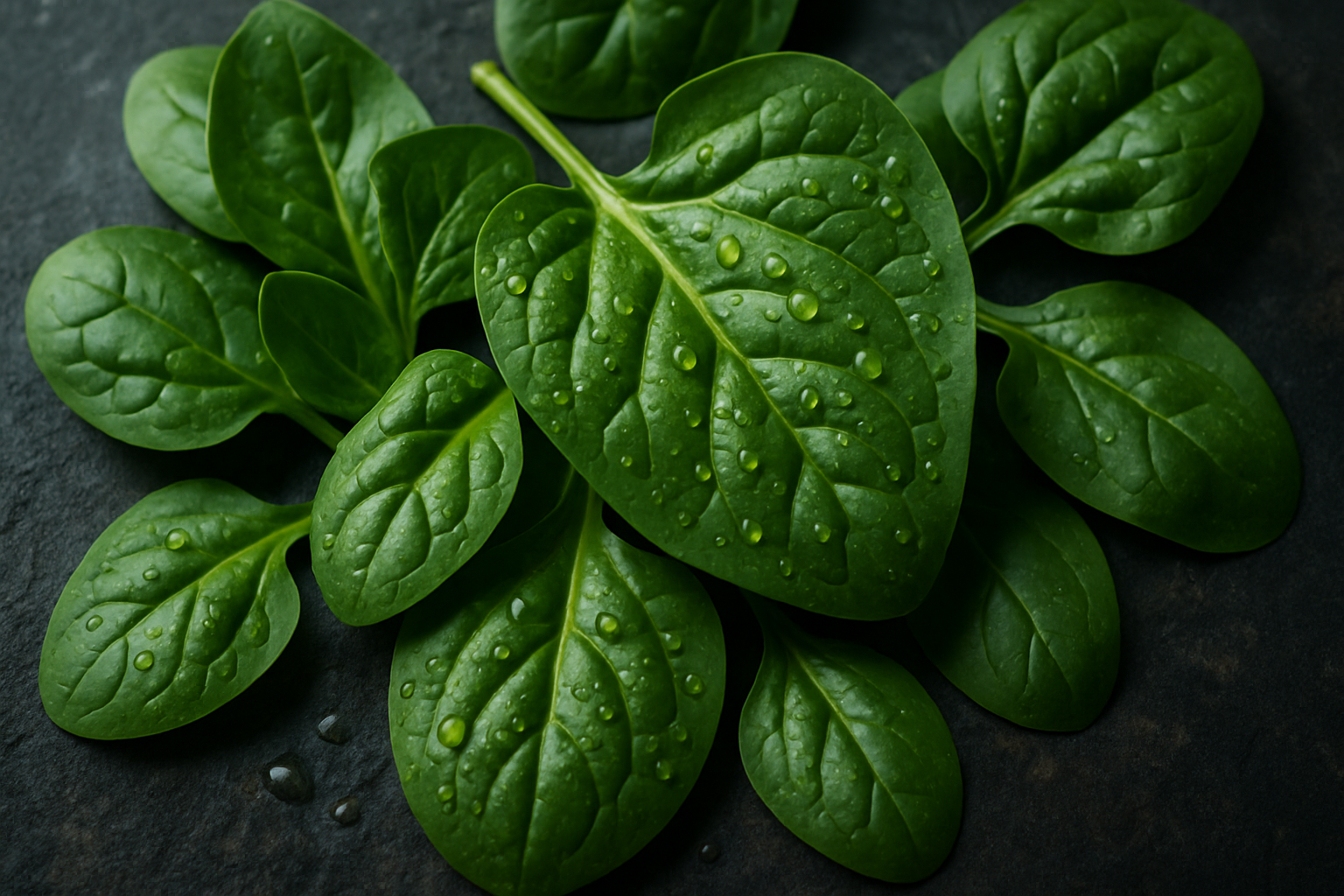
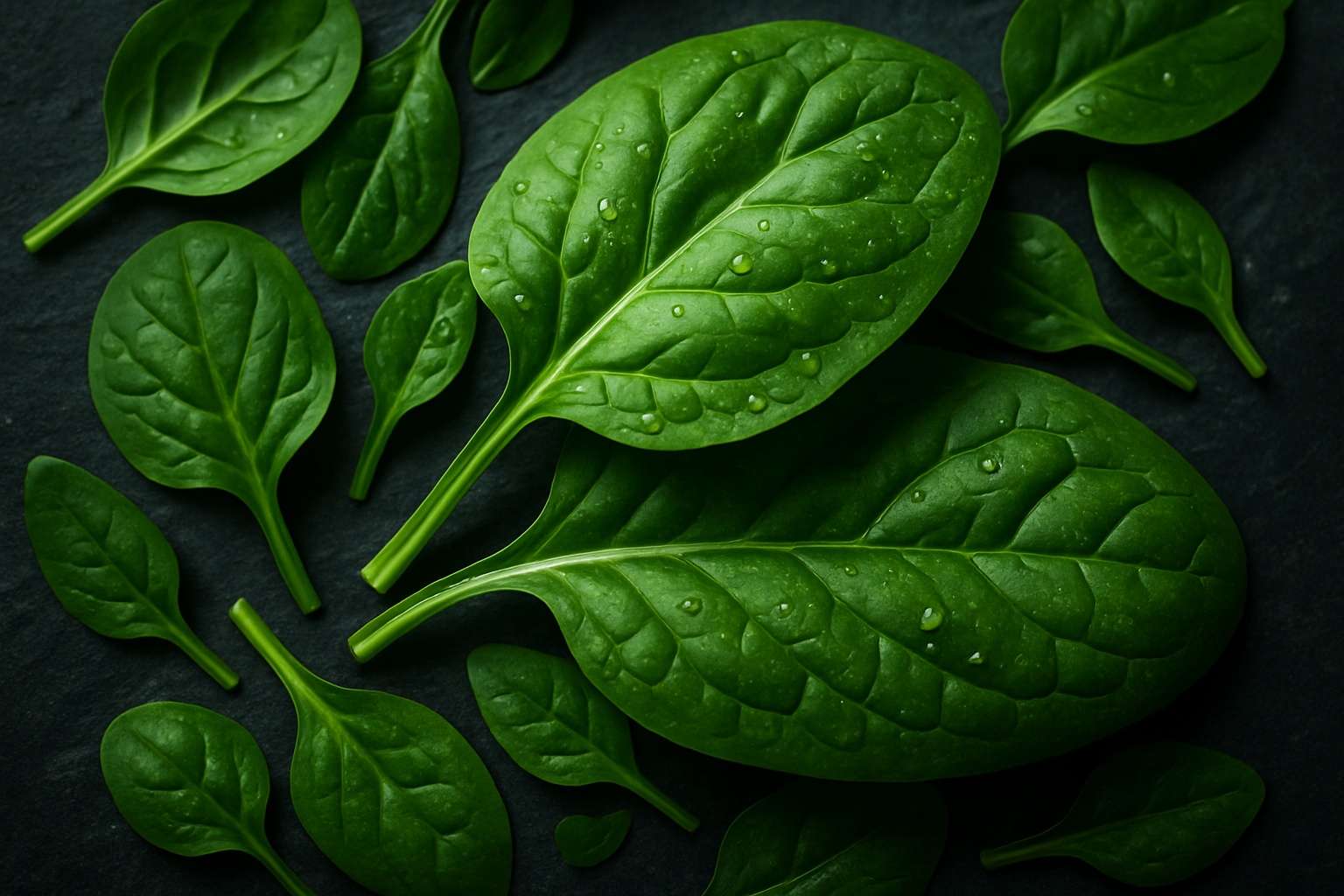
Is spinach always a problem? Not always, but spinach is one of the highest-oxalate foods commonly eaten in large amounts. A daily spinach smoothie can deliver a much larger oxalate load than people realize.
Do supplements help? Sometimes calcium citrate or magnesium may be useful, but only in the right context. The safer move is to review diet, symptoms, medications, and lab history with a clinician before adding anything.
These questions keep surfacing because women are tired of vague advice. Fair enough. You need answers that are precise enough to try, but honest enough not to overpromise.
Expert Opinions: Voices from Healthcare Professionals
Clinicians who treat endometriosis rarely agree on every dietary detail, and frankly, that is a sign of a living field rather than a failed one. Many gynecologists focus first on imaging, surgery, hormonal suppression, and pain management. Dietitians often see what happens between visits: the meal patterns, gut symptoms, cravings, fatigue, and food-triggered flares that never make it into a ten-minute appointment.
A gynecologist specializing in pelvic pain might say this: “Diet won’t remove lesions, but it can lower the volume of symptom triggers.” A dietitian focused on women’s health might put it another way: “Oxalate reduction is not for every patient, but for the right patient, it can be clinically meaningful.” Both statements can be true at once.
Based on our analysis, the most credible experts tend to agree on three things:
- Individualization matters. A woman with bowel symptoms and daily spinach smoothies is different from a woman whose main issue is cyclical pain alone.
- Nutrition gaps are a real risk. Removing dairy, gluten, and high-oxalate foods without replacements can create new problems.
- Tracking beats guessing. Symptom journals often reveal patterns memory cannot.
In our experience, the best care feels collaborative rather than prescriptive. You are not a passive recipient of advice. You are the person living in the body. That perspective matters. It may be the most important data point in the room.
Conclusion: Taking Control of Your Health
If you suspect food is part of your pain story, start there. Quietly. Carefully. Without turning your kitchen into a battlefield. The Role of Oxalates in Endometriosis Pain is not a fad question in 2026. It is a reasonable clinical question for women whose symptoms include inflammation, bladder irritation, bowel distress, or pain flares after high-oxalate meals.
What should you do next? Keep it simple:
- Track your symptoms and meals for 7 days.
- Identify your top 3 high-oxalate foods.
- Reduce those foods for 4 to 8 weeks while keeping calcium intake adequate.
- Review changes with a gynecologist or registered dietitian.
- Build a broader plan that also addresses sleep, stress, bowel health, and medical treatment.
For further reading, start with the WHO, the NIDDK, and the NIH Office of Dietary Supplements. We recommend using those sources as anchors because online nutrition advice can become strange very quickly.
You do not need a perfect diet. You need useful information, a steady method, and clinicians who listen. Sometimes relief begins there, in being taken seriously, and in noticing that your body has been trying to tell you something all along.
FAQ: Key Questions About Oxalates and Endometriosis
The short answers matter because pain does not always leave room for essays. Below are the questions patients ask most often when they begin exploring dietary triggers alongside medical treatment.
Frequently Asked Questions
What are the symptoms of oxalate sensitivity?
Symptoms of oxalate sensitivity can overlap with other conditions, which is part of what makes this so frustrating. Some people report urinary urgency, vulvar or pelvic burning, digestive upset, joint pain, and symptom flares after high-oxalate foods like spinach, almonds, or rhubarb. We found that keeping a food-and-symptom journal for 2 to 4 weeks is often the clearest starting point before you make major diet changes.
How can I identify high-oxalate foods?
You can identify high-oxalate foods by using reliable food lists from kidney and nutrition research sources and then comparing them with what you eat most often. Common examples include spinach, beets, Swiss chard, almonds, peanuts, rhubarb, and cocoa. If you are exploring The Role of Oxalates in Endometriosis Pain, start with the foods you eat daily rather than trying to memorize every item at once.
Are there supplements that can help with oxalate levels?
Sometimes, yes, but supplements are not a shortcut and they are not right for everyone. Calcium citrate taken with meals may reduce oxalate absorption in some cases, and magnesium may help some people with bowel regularity and muscle tension, but dosing should be guided by a clinician. The NIH Office of Dietary Supplements is a good place to review evidence-based supplement information.
What lifestyle changes can support endometriosis management?
The most useful lifestyle changes usually work together: improve sleep, reduce stress load, move gently, and build meals that keep blood sugar steady. For endometriosis, that may also mean limiting ultra-processed foods, treating constipation, and working with a gynecologist or dietitian. Based on our research, dietary change works best when it is part of a larger pain-management plan.
How long does it take to see results from a low-oxalate diet?
Some people notice changes in 2 to 6 weeks, especially if certain foods were triggering obvious flares. For others, it takes 8 to 12 weeks because pain patterns in endometriosis are shaped by hormones, inflammation, bowel function, and nervous system sensitivity. We recommend making changes gradually and tracking symptoms weekly so you can see what is actually improving.
Key Takeaways
- Endometriosis affects about 1 in 10 women, and oxalates may worsen symptoms for a subset of people, especially those with bladder, gut, or vulvar pain.
- High-oxalate foods like spinach, almonds, rhubarb, beets, and cocoa can add up quickly, particularly in diets built around smoothies, nut flours, and repeated “healthy” staples.
- Reducing oxalates works best as a structured 4- to 8-week trial with symptom tracking, adequate calcium intake, and professional guidance.
- Calcium matters because it can bind oxalate in the gut; cutting calcium too low may increase oxalate absorption and create new problems.
- The most effective plan is individualized and holistic: combine smart dietary changes with gynecologic care, bowel support, sleep, stress management, and ongoing monitoring.