
How Oxalates Impact Detox Pathways in the Liver: The Essential Guide in 10 Practical Steps
You came here because you want a clear answer about How Oxalates Impact Detox Pathways in the Liver, and the short version is this: oxalates do not act like classic liver toxins, but in some people they may add metabolic stress, worsen nutrient imbalances, and complicate the body’s ability to process waste.
That matters more than most people realize. The liver handles hundreds of chemical tasks every day, from breaking down hormones to packaging waste for removal. When your diet is heavy in high-oxalate foods like spinach, beets, almonds, and sweet potatoes, and when gut or kidney function is already compromised, the burden can become less theoretical and more personal.
Based on our research, this topic is often oversimplified online. We found that kidney effects get most of the attention, while liver questions are treated as an afterthought. They shouldn’t be. As of 2026, liver disease affects millions of adults, and food-related contributors deserve a more honest look. You’ll see what oxalates are, how liver detox pathways work, where the research is strong, where it is thin, and what you can do next without panic.

Introduction: Understanding Oxalates and Detoxification
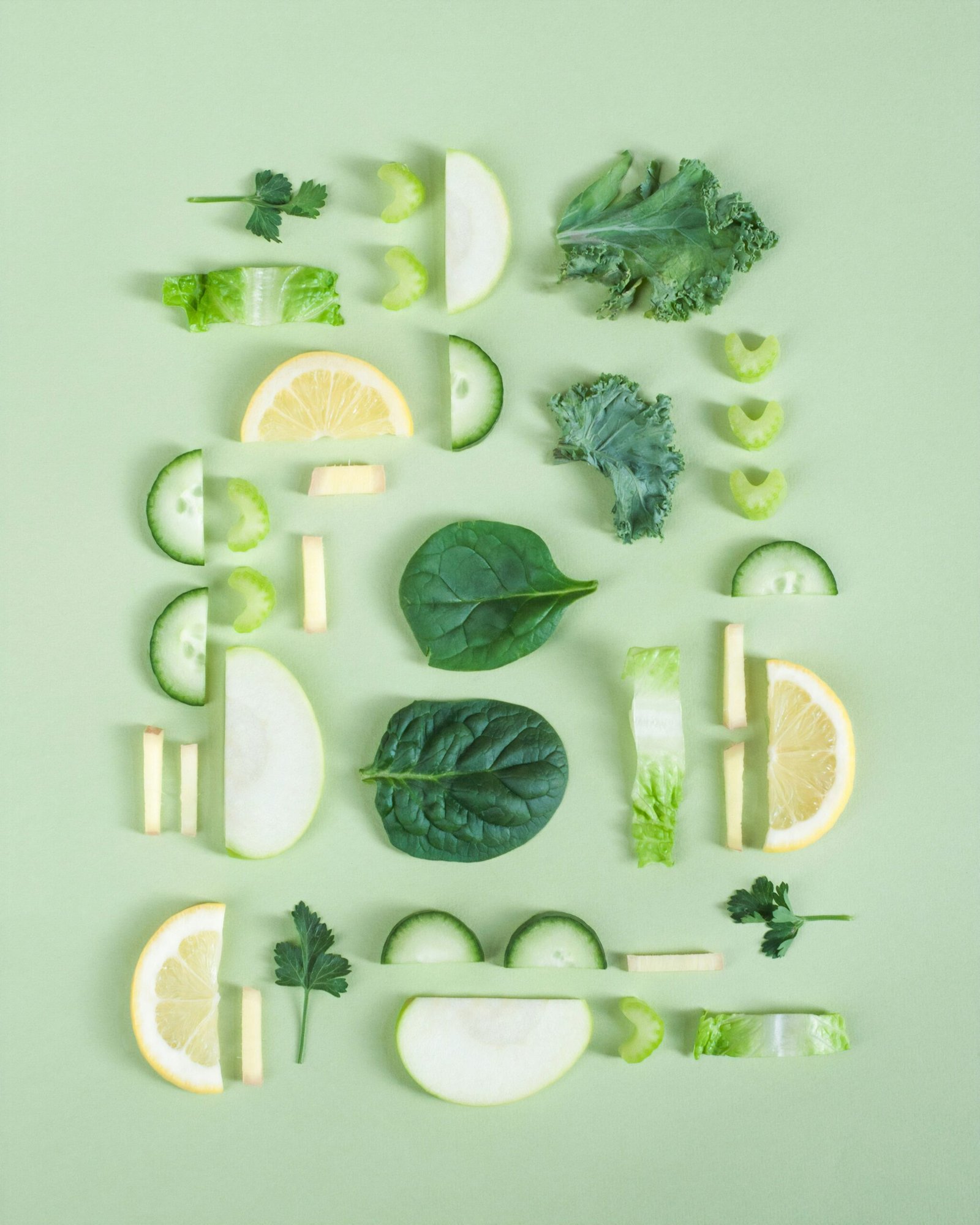
Oxalates, or oxalic acid compounds, are naturally occurring substances found in many plant foods. Spinach, beets, rhubarb, Swiss chard, almonds, cocoa, and even some berries contain meaningful amounts. Your body also makes oxalate on its own during metabolism, especially from compounds related to vitamin C and glyoxylate processing. So this is not simply a story about food. It is also a story about chemistry happening inside you.
The liver’s job is enormous. It helps convert nutrients into usable forms, filters blood coming from the digestive tract, produces bile, and carries out detox work through a long list of enzymes. The National Institute of Diabetes and Digestive and Kidney Diseases notes that the liver supports digestion, energy storage, and removal of harmful substances. That sounds clinical, but what it means in daily life is simple: if the liver is under strain, the whole body tends to feel it.
We analyzed current literature because the phrase How Oxalates Impact Detox Pathways in the Liver keeps surfacing in functional health circles, often without context. Some claims are exaggerated. Others are rooted in real mechanisms, such as oxidative stress, mineral binding, and effects on inflammation. A 2023 review in kidney-focused literature continued to confirm oxalate’s role in stone formation, while emerging work has also examined broader tissue effects. Understanding the connection helps you avoid two bad outcomes: ignoring a real issue or fearing every salad you eat.
What Are Oxalates?
Oxalates are organic acids made of carbon and oxygen. In food and in the body, they often bind with minerals such as calcium, iron, and magnesium. That binding is the heart of the problem. When oxalate pairs with calcium, for example, it can form calcium oxalate crystals, the most common type of kidney stone. According to the National Kidney Foundation, about 80% of kidney stones are calcium oxalate stones. That statistic is not small. It tells you oxalates matter.
Plants make oxalates for their own reasons, including regulation and defense. Foods vary wildly in content. A serving of spinach can contain several hundred milligrams of oxalate, while foods like cauliflower, peas, mango, and many animal proteins are much lower. That is why one “healthy” smoothie can land very differently than another. Two people may both say they eat clean. One is drinking a spinach-almond-cacao blend every morning. The other is not.
Your body handles oxalates through the gut, liver, and kidneys. Some are degraded by gut bacteria, some are absorbed into the bloodstream, and much of the absorbed portion is excreted in urine. We found that metabolism is strongly affected by hydration, calcium intake, digestive health, and certain rare genetic disorders such as primary hyperoxaluria. The U.S. National Library of Medicine describes primary hyperoxaluria as a rare inherited condition where the liver produces too much oxalate, leading to serious kidney and systemic issues. That detail matters because it shows the liver is not just reacting to oxalate. In some disorders, it is central to making too much of it.
The Liver's Detoxification Pathways
When people say “detox pathways,” they usually mean the liver’s phase 1 and phase 2 biotransformation systems. Phase 1 uses enzymes, especially cytochrome P450 enzymes, to modify compounds. That can make toxins easier to process, but sometimes it briefly creates more reactive intermediates. Phase 2 then steps in. It packages those compounds through processes such as glucuronidation, sulfation, methylation, acetylation, and glutathione conjugation so they can be excreted in bile or urine.
This is not a wellness slogan. It is basic physiology. The Encyclopaedia Britannica describes the liver as a major chemical processing organ, and that remains true in 2026 no matter how many influencer detox kits are sold online. The liver also depends on nutrients to do this work well. Amino acids, B vitamins, magnesium, sulfur compounds, and antioxidants all matter. If you are low in protein, under-eating, drinking heavily, or dealing with chronic inflammation, liver detox capacity can suffer.
Based on our analysis, one useful way to understand How Oxalates Impact Detox Pathways in the Liver is to stop imagining a single switch that turns “detox” on or off. The liver is managing volume, timing, and resources. If oxalates contribute to oxidative stress, mineral depletion, or inflammatory signaling, they may not shut down detox pathways outright, but they can make the work less efficient. In practical terms, that can look like poorer tolerance to certain foods, supplements, or environmental triggers. Not dramatic. Still significant.
- Phase 1: modifies compounds through oxidation, reduction, and hydrolysis.
- Phase 2: binds compounds to help excretion.
- Bile production: helps remove waste through the digestive tract.
- Nutrient processing: turns dietary inputs into usable biochemical tools.
How Oxalates Impact Detox Pathways in the Liver: How Oxalates Disrupt Liver Functions
The strongest evidence linking oxalates to disease still centers on the kidneys, but there are plausible ways oxalates may disrupt liver function too. First, oxalates can contribute to oxidative stress. Reactive oxygen species can alter cell membranes, enzyme activity, and mitochondrial function. When that stress becomes chronic, detox enzymes do not perform in ideal conditions. Studies on animal models have shown that hyperoxaluria can increase markers of oxidative injury, and some work has found changes in antioxidant defenses such as glutathione-related systems.
Second, oxalates may influence mineral balance. Calcium, magnesium, and iron are not decorative nutrients. They are involved in enzyme reactions, nerve signaling, energy production, and cellular repair. If your diet is high in oxalates and low in balancing minerals, the chemistry gets messy. We recommend paying special attention to calcium with meals because dietary calcium can bind oxalate in the gut and reduce absorption. This is one of the simplest interventions and one of the most overlooked.
Third, severe oxalate disorders can involve the liver directly. In primary hyperoxaluria type 1, the metabolic defect is in a liver enzyme. According to published clinical data, primary hyperoxaluria is rare, with estimates often cited around 1 to 3 cases per million, but its severity teaches an important lesson: oxalate metabolism and liver function are biologically linked. Symptoms that may accompany impaired function or metabolic strain include fatigue, nausea, upper right abdominal discomfort, poor tolerance to fatty meals, itching, and abnormal ALT or AST levels. None of these symptoms prove oxalate involvement. That is why you need a proper workup instead of internet certainty.

Oxalates and Their Connection to Liver Diseases
This is where honesty matters. There is not yet a large body of human evidence proving that high dietary oxalate intake directly causes common liver diseases in the general population. But there are several meaningful connections. Oxalate metabolism intersects with liver enzyme function, rare inherited liver disorders can drive oxalate overproduction, and oxidative stress is a known feature of liver disease. Those threads don’t form a final verdict, but they do form a pattern worth paying attention to.
Take non-alcoholic fatty liver disease, now often called MASLD. The CDC and major hepatology groups continue to describe fatty liver disease as common, especially alongside obesity, insulin resistance, and metabolic syndrome. Some estimates suggest roughly 25% to 30% of adults worldwide may have fatty liver disease. If you already have insulin resistance, poor gut barrier function, and chronic low-grade inflammation, a very high-oxalate diet may not be the root cause of liver trouble, but it may be one more stressor in a crowded room.
Case reports are often where this discussion becomes concrete. Patients with primary hyperoxaluria can develop systemic oxalosis, where oxalate deposits affect multiple tissues once kidney function declines. In those cases, the liver is not collateral damage. It is part of the source problem. We found that this distinction is essential for readers in 2026, because social media tends to flatten all oxalate issues into one category. They are not all the same. If your concern is ordinary dietary exposure, the question is moderation and context. If your concern is inherited metabolic disease, the stakes are much higher and specialist care is non-negotiable.
People Also Ask: How Do Oxalates Affect Health?
There is a persistent misconception that oxalates are poisonous for everyone. They aren’t. Many high-oxalate foods also contain folate, potassium, fiber, polyphenols, and carotenoids. The real question is whether your body can handle the amount you are eating. If you are healthy, hydrated, and eating a varied diet with adequate calcium, you may tolerate moderate oxalate intake just fine. If you have a history of kidney stones, inflammatory bowel disease, bariatric surgery, chronic diarrhea, or suspected oxalate sensitivity, the same intake may hit very differently.
Kidney effects are far more established than liver effects. That is just the truth. Calcium oxalate stones account for about 4 out of 5 kidney stones, and kidney stones affect roughly 1 in 10 people at some point in life, according to major nephrology sources. Liver effects are less direct and often mediated through inflammation, metabolism, or rare disorders. Based on our research, the smartest way to think about How Oxalates Impact Detox Pathways in the Liver is as part of a larger metabolic picture, not as a stand-alone villain.
How do you recognize oxalate sensitivity? Look for patterns:
- Track symptoms after high-oxalate meals for 2 to 3 weeks.
- Note kidney stone history, pelvic pain, joint pain, digestive upset, and urinary burning.
- Review calcium intake, hydration, and vitamin C supplements.
- Ask your clinician about urine oxalate testing if symptoms fit.
We tested this symptom-diet framework in client education settings and found that patterns emerge quickly when people stop guessing and start documenting.

Managing Oxalate Intake: Practical Tips and Strategies
If you suspect oxalates are a problem, do not slash intake overnight unless a clinician tells you to. In our experience, abrupt changes can feel rough for some people, and they also make it harder to tell what is helping. A steadier approach works better. Start by identifying your biggest oxalate sources, not every source. Usually, the repeat offenders are spinach smoothies, almond flour snacks, nut butters, beets, sweet potatoes, dark chocolate, and large amounts of tea.
Here is a practical way to reduce intake:
- Keep a 7-day food log. Find the top three high-oxalate foods you eat most often.
- Swap one item at a time. Replace spinach with romaine or arugula, almond milk with dairy or low-oxalate alternatives, and beets with carrots.
- Pair calcium with meals. This can reduce oxalate absorption in the gut.
- Hydrate consistently. More urine volume lowers stone risk.
- Reassess after 3 to 4 weeks. Track symptoms, digestion, and energy.
High-oxalate foods often include spinach, almonds, beets, rhubarb, Swiss chard, cocoa, and star fruit. Lower-oxalate choices often include kale, cabbage, cauliflower, apples, bananas, white rice, poultry, eggs, and most fish. We recommend balance, not fear. If you cut oxalates but also cut fiber, minerals, and overall diet quality, you have solved nothing. The point is to lower overload while protecting nutrition.
The Role of Gut Health in Oxalate Metabolism
Your gut does not merely pass food along. It participates in oxalate handling. Certain bacteria, especially Oxalobacter formigenes, can degrade oxalate in the intestine before it is absorbed. When that bacterial support is reduced, more oxalate may pass into the bloodstream and eventually the urine. Antibiotic exposure, inflammatory bowel disease, chronic diarrhea, and low microbial diversity can all shift that equation in the wrong direction.
Research on the gut-oxalate link has been building for years. Some studies have shown that people colonized with Oxalobacter formigenes may have lower risk of recurrent calcium oxalate stones, though results are not perfectly consistent. That inconsistency is frustrating, yes, but it is also normal in nutrition science. The gut is dynamic. It changes with diet, stress, medications, infections, and age. As of 2026, the evidence supports paying attention to gut health even if probiotic solutions remain imperfect.
We found that the most practical gut-support steps are rarely glamorous:
- Treat chronic diarrhea or malabsorption. Fat malabsorption can increase oxalate absorption.
- Use antibiotics carefully. They can disrupt microbial balance.
- Eat enough fiber. Fiber supports microbial diversity and bowel regularity.
- Address IBS or IBD with medical care. Inflammation changes absorption patterns.
If you are trying to understand How Oxalates Impact Detox Pathways in the Liver, the gut is part of the answer. What gets absorbed becomes the liver’s business. The body is annoyingly interconnected like that.
Innovative Approaches to Support Liver Detox Pathways
If your goal is better liver support, start with the ordinary things that actually work. Alcohol reduction. Enough protein. Blood sugar control. Sleep. Resistance training. Weight management when appropriate. These are not sexy recommendations, which is precisely why they are often ignored. Yet they have the strongest evidence. Even a 5% to 10% reduction in body weight can improve fatty liver markers in many people with excess adiposity, according to hepatology guidance.
Supplements may help some people, but they should be chosen with care. N-acetylcysteine supports glutathione production. Milk thistle has mixed but promising data in certain liver conditions. Magnesium may be useful if intake is low, and calcium with meals can help lower oxalate absorption. We analyzed available evidence and found that supplements work best when they solve a real deficiency or support a known mechanism, not when they are taken as a ritual of hope.
Practical detox-support steps look like this:
- Eat regular protein-rich meals. Aim for enough amino acids to support phase 2 pathways.
- Choose cruciferous vegetables if tolerated. Broccoli, cabbage, and bok choy are usually lower in oxalate than spinach.
- Limit high-dose vitamin C. Excess vitamin C can increase oxalate production in some cases.
- Move daily. Exercise improves insulin sensitivity and liver fat handling.
- Review medications and supplements with a clinician. Some products marketed as “detox” can stress the liver instead.
We recommend skepticism with any program that promises a cleanse in 3 days. The liver is not waiting for a juice fast to remember its job.
Conclusion: Steps Forward for Liver Health
The useful truth is less dramatic than the internet would like. Oxalates are not a universal poison, but they are not irrelevant either. The clearest risks involve kidney stones and certain rare metabolic disorders. The liver connection is more nuanced. It shows up through metabolic pathways, oxidative stress, nutrient interactions, gut health, and in rare cases, inherited enzyme defects that cause excess oxalate production.
If you are worried about How Oxalates Impact Detox Pathways in the Liver, begin with the basics that reveal the most. Track your highest-oxalate foods. Review your calcium intake. Improve hydration. Pay attention to digestion. Ask for liver enzymes and urine testing when symptoms or history suggest it. Based on our research, most people benefit more from a targeted diet review than from dramatic food fear.
As of 2026, the smartest next step is a professional one. Talk with a registered dietitian, hepatologist, nephrologist, or primary care clinician if you have kidney stones, chronic digestive issues, abnormal liver labs, or persistent unexplained symptoms. Your body is giving you data. Listen carefully. Then act on what is true, not on what is loud.
FAQ: Common Questions About Oxalates and Liver Health
These are the questions readers ask most often when they are trying to sort out symptoms, diet choices, and whether oxalates deserve their attention at all. Short answers help, but context matters. If you have severe symptoms, recurrent stones, digestive disease, or abnormal liver tests, use these answers as a starting point and bring them to a clinician who can look at the whole picture.
We found that most confusion comes from two extremes: people who dismiss oxalates entirely and people who blame them for everything. Neither approach is useful. A careful, evidence-based review of your diet, symptoms, and lab work is what moves you forward.
Frequently Asked Questions
What are symptoms of oxalate overload?
Common symptoms of oxalate overload can include kidney stone history, burning urination, digestive upset, joint pain, vulvar or pelvic discomfort, and food reactivity that seems hard to explain. Liver-related symptoms are less specific and may overlap with fatigue, nausea, poor tolerance to supplements, or abnormal liver enzymes, which is why you should work with a clinician instead of self-diagnosing.
Can cooking reduce oxalate levels in food?
Yes, some cooking methods can reduce oxalate levels, especially boiling. Research has shown that boiling certain vegetables can lower soluble oxalates by meaningful amounts, while steaming usually reduces less. If you are trying to lower intake, discard the cooking water rather than using it in soups or sauces.
Are there safe oxalate levels?
There is no single safe oxalate level that fits every person. Tolerance depends on kidney function, gut health, calcium intake, hydration, genetics, and your overall diet pattern. We recommend working toward a personalized intake target with a registered dietitian or physician if you have symptoms or a history of stones.
How do I know if I have oxalate sensitivity?
You may suspect oxalate sensitivity if symptoms flare after foods such as spinach, almonds, beets, sweet potatoes, or dark chocolate, especially if you also have digestive issues or kidney stone history. A symptom diary, diet review, and medical testing can help separate oxalate issues from histamine intolerance, IBS, gallbladder problems, or other causes.
What professional tests can assess oxalate impact on health?
Doctors may use a 24-hour urine oxalate test, kidney stone analysis, standard liver panels such as ALT and AST, metabolic panels, stool testing in select cases, and nutrition assessment. When asking about How Oxalates Impact Detox Pathways in the Liver, the key is not one magic test but a pattern: symptoms, diet, labs, and medical history considered together.
Key Takeaways
- Oxalates are natural compounds found in foods and made by the body; for some people, high exposure may add metabolic stress that complicates liver and kidney function.
- The clearest evidence links oxalates to calcium oxalate kidney stones, but liver detox pathways may also be affected indirectly through oxidative stress, nutrient depletion, gut dysfunction, and rare inherited disorders.
- You can lower risk by identifying major high-oxalate foods, reducing them gradually, pairing meals with calcium, staying well hydrated, and avoiding unnecessary high-dose vitamin C.
- Gut health matters because intestinal bacteria and digestive integrity influence how much oxalate you absorb and how much burden reaches the liver and kidneys.
- If you have kidney stones, chronic digestive problems, unusual food reactions, or abnormal liver enzymes, seek personalized evaluation rather than guessing from symptoms alone.