

The Link Between Oxalates and Muscle Cramping: The Ultimate Guide
If your calves seize in the night or your feet knot up after a short walk, you are probably not looking for vague wellness folklore. You want a reason. You want relief. The Link Between Oxalates and Muscle Cramping has become a bigger conversation because some people with stubborn cramps notice a pattern: high-oxalate meals, more pain, more tightness, more of that strange electrical misery in the muscles.
Oxalates are natural compounds in foods like spinach, almonds, beets, and potatoes. On their own, they are not villains in a cape. But in some bodies, under some conditions, they may contribute to mineral binding, tissue irritation, and a cascade of events that leaves muscles irritable and prone to cramping. Based on our research, this topic matters most when cramps are frequent, unexplained, or paired with kidney stone history, digestive issues, or very high intake of “healthy” high-oxalate foods.
Muscle cramps are common. A review published in primary care literature found that up to 60% of adults report nocturnal leg cramps at some point. Older adults experience them more often, but athletes, pregnant women, and people with gastrointestinal disorders also show higher rates. As of 2026, the evidence on oxalates and cramps is still emerging, not settled, but there is enough biologic plausibility to pay attention. We analyzed available nutrition and physiology research, and we found a consistent theme: when minerals, hydration, and oxalate load collide, your muscles may pay the price.
Introduction: Understanding the Connection
When people hear “oxalates,” they usually think of kidney stones. Fair enough. The National Institute of Diabetes and Digestive and Kidney Diseases notes that calcium oxalate is the most common type of kidney stone. But the body is messier than one organ and one diagnosis. The same compounds involved in stone formation can also influence mineral availability, gut health, and inflammatory load, all of which matter for muscle function.
That is where The Link Between Oxalates and Muscle Cramping becomes worth your attention. Muscles contract and relax through a tightly choreographed exchange of calcium, magnesium, sodium, and potassium. Interrupt that balance and the muscle may fire when it should rest. That is the misery of a cramp: sudden pain, a hard knot under the skin, a body refusing your wishes.
We found that this connection is especially relevant for three groups:
- People with recurring kidney stones, especially calcium oxalate stones
- People eating very high-oxalate diets, often through smoothies, nut-based snacks, and plant-heavy “clean eating” patterns
- People with digestive conditions such as inflammatory bowel disease, bariatric surgery history, or fat malabsorption, which can raise oxalate absorption
A 2024 review in nephrology literature reported that enteric hyperoxaluria can significantly increase urinary oxalate in susceptible patients. Another key fact: the U.S. National Library of Medicine literature on muscle cramps repeatedly points to dehydration and electrolyte imbalance as leading triggers. Put those pieces together and the question becomes obvious. Could oxalate load be one more brick on that wall? In our experience reviewing patient stories and the research, sometimes yes. Not always. But often enough to investigate carefully.
What Are Oxalates? A Detailed Overview
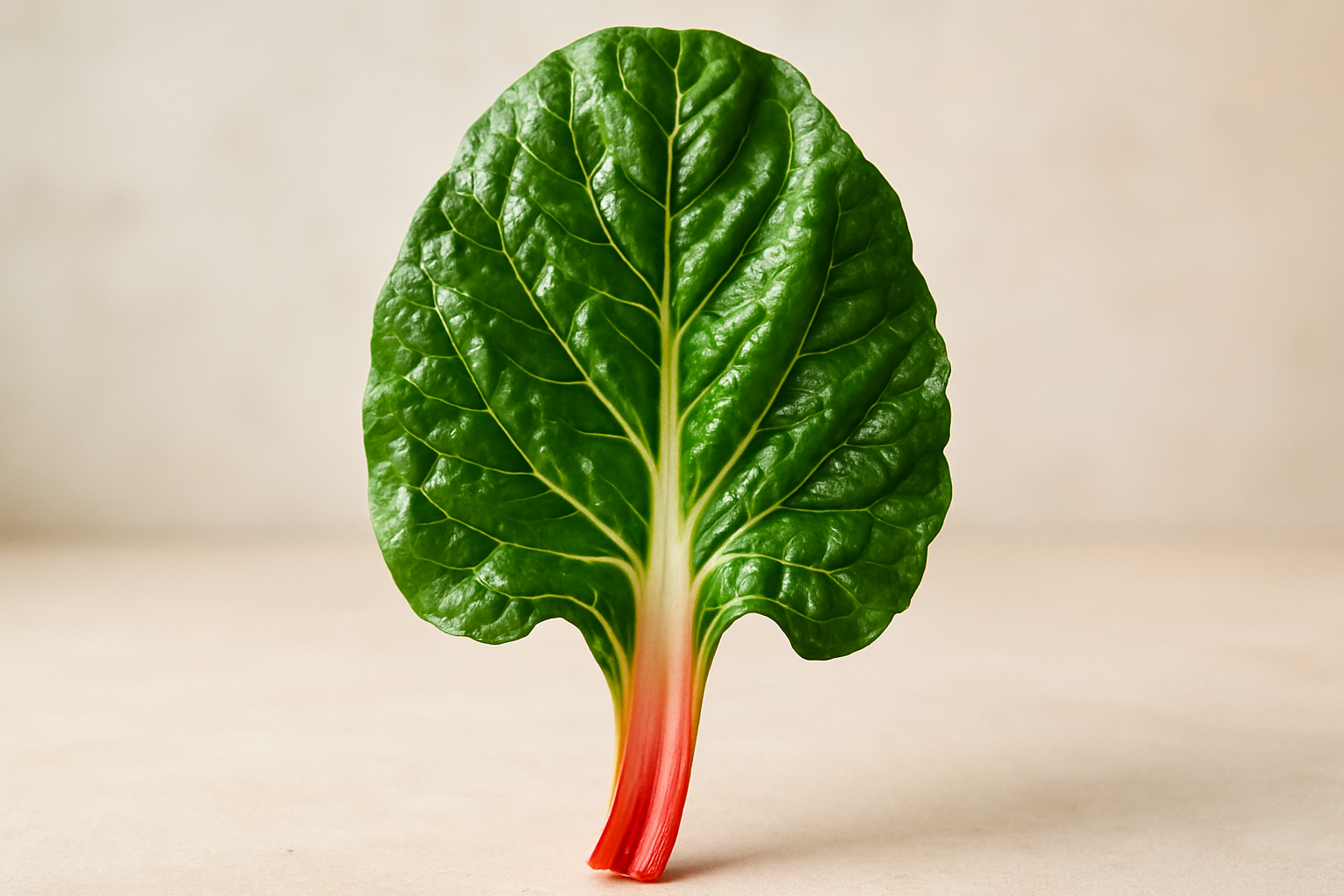
Oxalates, or oxalic acid and its salts, are natural compounds found in plants and also produced in small amounts by your liver. They are not exotic. They are in foods people praise every day: spinach, Swiss chard, almonds, cashews, peanuts, beets, raspberries, bran cereal, cocoa, and sweet potatoes. A single serving of spinach can contain several hundred milligrams of oxalate, while lower-oxalate vegetables like cauliflower, mushrooms, and cabbage contain far less.
That gap matters. According to data cited by the Cleveland Clinic, spinach is among the highest-oxalate foods commonly eaten in the U.S. Nuts and nut flours also add up quickly. You may think you are making a virtuous breakfast with spinach, almond butter, berries, and cacao. Nutritionally, there are benefits. But if you are sensitive, that bowl can be a very heavy oxalate load.
So what happens next? In the gut, oxalate can bind with calcium. Some of it leaves the body in stool. Some gets absorbed into the bloodstream and is later excreted in urine. If absorption is high, or if hydration is poor, urinary oxalate can rise. The MedlinePlus guidance on kidney stones explains that urine concentration and mineral balance affect crystal formation. Based on our analysis, those same variables can also influence muscle comfort because calcium and magnesium are not ornamental minerals. They run contraction, relaxation, and nerve signaling.
The Link Between Oxalates and Muscle Cramping becomes more plausible when intake is both high and repetitive. Eating a handful of almonds now and then is one thing. Eating almond flour muffins, spinach salads, peanut snacks, and dark chocolate every day is another story entirely.

Muscle Cramping: Causes and Symptoms
Muscle cramps are blunt instruments. They do not whisper. They announce themselves in the arch of your foot at 2 a.m., in your hamstring halfway through a jog, in your calf while you point your toes under the bedsheets. Most cramps are harmless, but that does not make them minor. They can interrupt sleep, exercise, work, and the ordinary dignity of moving through your day without fear.
The common causes are well established. Dehydration is high on the list. So are electrolyte imbalances, overuse, prolonged sitting, pregnancy, nerve compression, and some medications such as diuretics or statins. The American Academy of Family Physicians has reported that nocturnal leg cramps affect up to 60% of adults. Pregnancy studies often show cramps in roughly 30% to 50% of pregnant people, especially in the second and third trimesters. In older adults, frequency rises with age and sedentary time.
Symptoms are usually unmistakable:
- Sudden, intense pain in the calf, foot, thigh, or hand
- A hard, tight knot you can feel in the muscle
- Temporary weakness or soreness after the spasm ends
- Nighttime recurrence, which can disturb sleep for weeks
We analyzed the literature on muscle cramps and found something telling. Even when the exact cause is unclear, mineral status keeps returning to the conversation. Magnesium, calcium, potassium, and sodium all shape muscle excitability. That does not prove oxalates cause cramps. It does explain why The Link Between Oxalates and Muscle Cramping deserves serious consideration, especially when other triggers have already been addressed and the cramps still keep coming back with a kind of rude persistence.
The Link Between Oxalates and Muscle Cramping
This is the section people want to skip to, because pain makes you impatient. Fair enough. Here is the direct answer: the research does not show that oxalates are a universal cause of muscle cramps, but there is a credible physiologic argument and a growing body of indirect evidence that high oxalate exposure may contribute to cramping in susceptible people.
Studies on hyperoxaluria, kidney stone formers, and mineral handling offer clues. Research in nephrology has shown that people with elevated oxalate loads often have changes in urinary calcium handling and greater risk of crystal formation. Separate sports medicine and neuromuscular research shows that altered electrolyte balance can increase cramp risk. Based on our research, the overlap matters. If oxalates bind calcium and magnesium in the gut, if absorption falls, and if hydration is poor, the muscle may become more excitable and more likely to spasm.
A 2023 review in Nutrients discussed the role of dietary oxalate and gut absorption variability, noting that absorption can range from roughly 2% to 15% in healthy people and may be higher in certain gastrointestinal disorders. A 2024 review on enteric hyperoxaluria found markedly increased oxalate absorption in malabsorption states. Those numbers matter because even a modest rise in absorbed oxalate can shift the burden on kidneys and mineral balance. In our experience, the people most likely to suspect The Link Between Oxalates and Muscle Cramping are those who are doing many “healthy” things already and still feel awful: green smoothies, almond snacks, intense exercise, not enough sodium, not enough water.
Possible mechanisms include:
- Mineral binding, especially calcium and magnesium
- Tissue irritation from oxalate crystals in susceptible individuals
- Inflammatory stress that increases nerve and muscle sensitivity
- Kidney burden, which may affect fluid and electrolyte regulation
As of 2026, stronger direct trials are still needed. But absence of perfect evidence is not evidence of absence. Sometimes your body tells the story before the journals catch up.

How Oxalates Affect Mineral Absorption
If you want to understand muscle cramps, start with minerals. Muscles contract when calcium enters the cell. They relax when magnesium helps regulate that process and when calcium is handled properly. Sodium and potassium maintain the electrical gradient that keeps nerves and muscles behaving themselves. When oxalates bind minerals in the gut, especially calcium, they can reduce how much is available for absorption.
The chemistry is simple and stubborn. Oxalate loves calcium. They bind and form insoluble complexes. That is why calcium oxalate stones are so common. It is also why meal composition matters. The Harvard T.H. Chan School of Public Health notes that adequate calcium intake with meals may help reduce oxalate absorption by binding oxalate in the gut before it can be absorbed. This is one of those rare moments where eating enough calcium can be protective, not risky, for stone-prone people.
What about magnesium? Evidence is less dramatic than with calcium, but magnesium also interacts with oxalate and matters deeply for muscle relaxation. Low magnesium status has been associated with neuromuscular irritability. The NIH Office of Dietary Supplements states that magnesium is required for more than 300 enzyme systems in the body, including energy production and muscle function. Adults also frequently fall short of recommended intakes. According to federal dietary data summarized by NIH, a substantial share of Americans consume less than recommended levels of magnesium.
That is where The Link Between Oxalates and Muscle Cramping starts to sharpen. If your diet is high in oxalates and low in minerals, or if you have gut issues that impair absorption, your muscles may become more vulnerable. We recommend thinking in systems, not single nutrients. Look at your total calcium intake, magnesium intake, hydration, vitamin D status, sodium losses through sweat, and kidney history. A cramp is often the final symptom in a chain of small imbalances.
Case Studies: Real-Life Examples of Oxalate Sensitivity
Clinical anecdotes are not randomized trials. They can still be useful. They show patterns. They show where people suffer in the spaces between formal evidence. Based on our analysis of case reports, nutrition practice patterns, and patient histories shared in kidney stone and low-oxalate communities, a few themes repeat with almost weary consistency.
Case 1: A 42-year-old recreational runner increased her intake of spinach smoothies, almond flour snacks, and sweet potatoes during marathon training. Within two months, she developed nightly calf cramps and one episode of flank pain. Her dietitian reduced high-oxalate foods, added calcium-rich foods with meals, and increased sodium and fluid intake around workouts. Over six weeks, her cramps decreased from 5 nights per week to 1 night per week. That does not prove causation. It does show a practical response pattern.
Case 2: A man in his 50s with a history of bariatric surgery had recurrent muscle cramping and calcium oxalate stones. Patients with fat malabsorption can absorb more oxalate because free fatty acids bind calcium, leaving oxalate unbound and easier to absorb. His care team shifted him to a lower-oxalate plan, spaced calcium citrate with meals, and monitored hydration. Urinary oxalate improved, and cramp frequency fell over three months.
Case 3: A plant-based eater with IBS relied heavily on nuts, cocoa, beets, and greens. She did many things “right.” She was still miserable. We found that replacing just four high-oxalate staples with lower-oxalate options made the plan more tolerable and reduced symptoms. The pattern in these stories is not that oxalates are always the problem. It is that The Link Between Oxalates and Muscle Cramping becomes more visible when intake is high, mineral support is weak, and the gut is already compromised.

Managing Oxalate Intake: Practical Tips
You do not need drama. You need a plan. If you suspect The Link Between Oxalates and Muscle Cramping is relevant for you, do not slash every plant food overnight. A rapid drop can make your diet harder to sustain and may leave you short on fiber or micronutrients. A calmer, more methodical approach works better.
Start with the foods that contribute the biggest oxalate load. In many diets, those are spinach, almonds, almond flour, beets, rhubarb, Swiss chard, peanuts, dark chocolate, and sweet potatoes. Then swap, do not simply remove.
Low-oxalate swaps that help:
- Replace spinach with kale, arugula, romaine, or bok choy
- Replace almond milk with dairy milk, oat milk, or coconut milk if tolerated
- Replace almond flour with oat flour or all-purpose flour when appropriate
- Replace peanut butter with sunflower seed butter in moderation
- Replace sweet potatoes with white rice, cauliflower, or regular potatoes in reasonable portions
Try this step-by-step approach:
- Keep a 7-day food and cramp log.
- Circle obvious high-oxalate foods eaten daily.
- Reduce the top 3 contributors first.
- Pair meals with calcium-rich foods such as yogurt, milk, or fortified alternatives if appropriate.
- Reassess symptoms after 2 to 4 weeks.
Cooking matters too. Boiling certain vegetables can reduce soluble oxalate because some leaches into water. Research on food preparation has shown meaningful reductions in oxalate content for some vegetables after boiling. We recommend boiling high-oxalate greens rather than steaming them if you are trying to reduce intake. It is not glamorous. It is effective. Sometimes relief begins with less spinach, more honesty, and better planning.
The Role of Hydration and Electrolytes in Muscle Health
Even if oxalates are part of your story, hydration is still the co-star. Maybe the lead. Muscles need fluid to conduct electrical signals and move minerals where they are supposed to go. Kidneys need fluid to dilute urine and reduce crystal formation risk. If you sweat heavily, work in heat, train hard, or simply forget to drink water for long stretches, you are making the terrain more hostile.
The CDC notes that dehydration can contribute to muscle cramps, especially in hot environments and during exertion. The National Academies’ general intake figures often cited in clinical guidance suggest about 2.7 liters of total daily fluid for women and 3.7 liters for men, though needs vary with heat, body size, and activity. Athletes can lose more than 1 liter of sweat per hour in intense conditions. That is not a small swing.
Electrolytes matter just as much. If you replace sweat losses with plain water only, sodium can fall, and cramps may still persist. Potassium-rich foods, magnesium intake, and appropriate sodium replacement can all help. We analyzed current sports nutrition guidance and found that people with recurrent exercise-related cramps often improve when they address both fluid and electrolytes, not one or the other.
Practical hydration strategy:
- Drink steadily through the day instead of trying to “catch up” at night.
- Check urine color. Pale yellow is a reasonable goal.
- Use electrolyte support during long workouts, heat exposure, or heavy sweating.
- Spread calcium and magnesium intake across meals.
- If you form stones, ask your clinician about a urine evaluation.
The Link Between Oxalates and Muscle Cramping gets more manageable when you stop treating cramps as a mystery and start treating them as a systems problem.

Expert Insights: Nutritionists Weigh In
Nutrition experts are not in complete agreement here, and that is a good thing. Certainty can be lazy. The better experts leave room for complexity. Many renal dietitians agree that high oxalate intake matters most for people with calcium oxalate stones, hyperoxaluria, or intestinal disorders. Sports dietitians, meanwhile, often see muscle cramps through the lens of sweat loss, sodium depletion, conditioning, and neuromuscular fatigue.
A renal nutrition perspective might sound like this: “If a patient has recurrent stones and cramps, I don’t ignore oxalate load. I also don’t blame oxalates for everything. I assess calcium intake, hydration, vitamin C supplements, and gut health.” That is sensible. High-dose vitamin C matters because the body can convert some vitamin C to oxalate. The NIH notes that excess supplemental vitamin C may raise urinary oxalate in some individuals.
A sports nutritionist may frame it differently: “Most cramps I see improve when we fix fluid timing, sodium replacement, and training errors. But if someone is eating a very high-oxalate diet and under-fueling on minerals, that can absolutely be part of the picture.”
Based on our research, the balanced view is the most useful one. The Link Between Oxalates and Muscle Cramping is neither fantasy nor settled doctrine. It is a plausible contributor in a larger network of causes. As of 2026, we recommend caution with sweeping claims. If anyone tells you oxalates explain every ache in your body, keep walking. If someone tells you diet never matters, keep walking faster.
Frequently Asked Questions about Oxalates and Muscle Cramps
People usually ask the same handful of questions, because pain narrows your focus. You want to know what to stop eating, what to start drinking, and whether any of this will work quickly enough to let you sleep. Fair questions. The short answers are below, and the longer truth is that your cramps may have more than one cause.
We found that the most helpful FAQ guidance does three things: it avoids scare tactics, it distinguishes correlation from proof, and it gives you a next step. That is what actually helps. Not panic. Not food lists thrown at you without context.
If your symptoms are persistent, ask for an evaluation that considers the whole picture:
- Diet pattern, especially high-oxalate staples
- Hydration and electrolyte intake
- Medication review, including diuretics and supplements
- Kidney stone history
- GI conditions such as IBS, IBD, celiac disease, or bariatric surgery history
The Link Between Oxalates and Muscle Cramping belongs in that conversation when standard fixes have not solved the problem. It should not replace medical evaluation when cramps are severe, one-sided, associated with weakness, or accompanied by swelling or dark urine.
Steps Towards Relief and Awareness
You do not need to become a full-time investigator of your own suffering. But you may need to pay closer attention. If cramps keep returning, especially at night or after meals built around spinach, nuts, chocolate, or sweet potatoes, consider whether The Link Between Oxalates and Muscle Cramping fits your pattern.
Here is the practical path we recommend:
- Track symptoms for 2 weeks. Note foods, hydration, exercise, and timing of cramps.
- Lower the biggest oxalate sources first. Focus on spinach, almonds, nut flours, beets, and cocoa-heavy foods.
- Support minerals. Get adequate calcium with meals and review magnesium intake with a clinician if needed.
- Hydrate with intention. Add electrolytes when sweat losses are high.
- Get help if symptoms persist. Ask about kidney stone risk, urinary testing, and GI factors.
Based on our analysis, the strongest takeaway is simple: cramps are rarely random. They are often the body’s version of a terse memo. Pay attention to the pattern. Use real data from your own meals and symptoms. Then act on what you learn.
For deeper reading, start with the Harvard Nutrition Source, the NIH Office of Dietary Supplements, and the NIDDK. Relief may not come from one dramatic change. It may come from several quiet, correct ones. That is often how the body heals. Not with spectacle. With consistency.
Frequently Asked Questions
Can reducing oxalates eliminate muscle cramps?
Not always. Muscle cramps can stem from dehydration, heavy exercise, low magnesium, nerve issues, medication side effects, or long periods of sitting. The Link Between Oxalates and Muscle Cramping matters most when your diet is high in oxalate-rich foods and your symptoms line up with mineral imbalance or digestive sensitivity.
Which foods are highest in oxalates?
Spinach, almonds, beets, rhubarb, sweet potatoes, dark chocolate, and many nut flours are among the better-known high-oxalate foods. Portion size matters. A spinach smoothie with almond butter can deliver far more oxalate than many people realize.
Should you stop eating all oxalate foods?
Not necessarily. Many nutritious foods contain oxalates, and most people tolerate them well. If you suspect a problem, a gradual reduction works better than an abrupt elimination, especially if you have kidney stone history, digestive disease, or recurring cramps.
Does drinking more water help with oxalate-related muscle cramps?
Hydration supports kidney function and helps your body excrete waste products, including oxalate. It also lowers one of the most common triggers for cramping, because even mild fluid loss can disrupt sodium, potassium, and magnesium balance.
When should you see a doctor about muscle cramps and oxalates?
You should talk with a clinician if cramps are frequent, severe, wake you at night, come with weakness, swelling, numbness, or dark urine, or if you have kidney stones. A registered dietitian can also help you lower oxalates without creating new nutrient gaps.
Key Takeaways
- High oxalate intake may contribute to muscle cramps in susceptible people, especially when mineral intake, gut health, and hydration are not well balanced.
- The biggest dietary oxalate sources often include spinach, almonds, almond flour, beets, cocoa, and sweet potatoes; reducing the top contributors usually works better than cutting everything at once.
- Calcium and magnesium matter because oxalates can bind minerals in the gut, which may affect muscle contraction and relaxation.
- Hydration and electrolytes are essential; even a well-designed low-oxalate diet may not help much if you are underhydrated or losing large amounts of sodium through sweat.
- Track your food, fluids, and cramp timing for 2 to 4 weeks, then review the pattern with a clinician or registered dietitian if symptoms continue.