
Are Oxalates Involved in Alzheimer's or Dementia? The Ultimate Guide: 10 Evidence-Based Insights
You are probably here because you have heard a troubling claim and you want something steadier than internet panic. Are Oxalates Involved in Alzheimer’s or Dementia? That question keeps surfacing in wellness circles, and it deserves a careful answer. Oxalates are natural compounds found in foods like spinach, almonds, beets, and chocolate. They are ordinary. They are also complicated.
Alzheimer’s disease is the most common cause of dementia, and dementia itself affects memory, judgment, language, and daily function. According to the World Health Organization, more than 55 million people worldwide live with dementia, and nearly 10 million new cases occur each year. In the United States, the Alzheimer’s Association reports that about 6.9 million Americans age 65 and older are living with Alzheimer’s in 2026.
So where do oxalates fit? Based on our research, there is no settled proof that dietary oxalates cause Alzheimer’s disease or dementia. Still, we found a small but intriguing body of work on inflammation, oxidative stress, kidney dysfunction, and mineral imbalance that may help explain why this theory persists. You need nuance here, not hype. That is what follows.

Introduction: Understanding the Connection Between Oxalates and Cognitive Decline
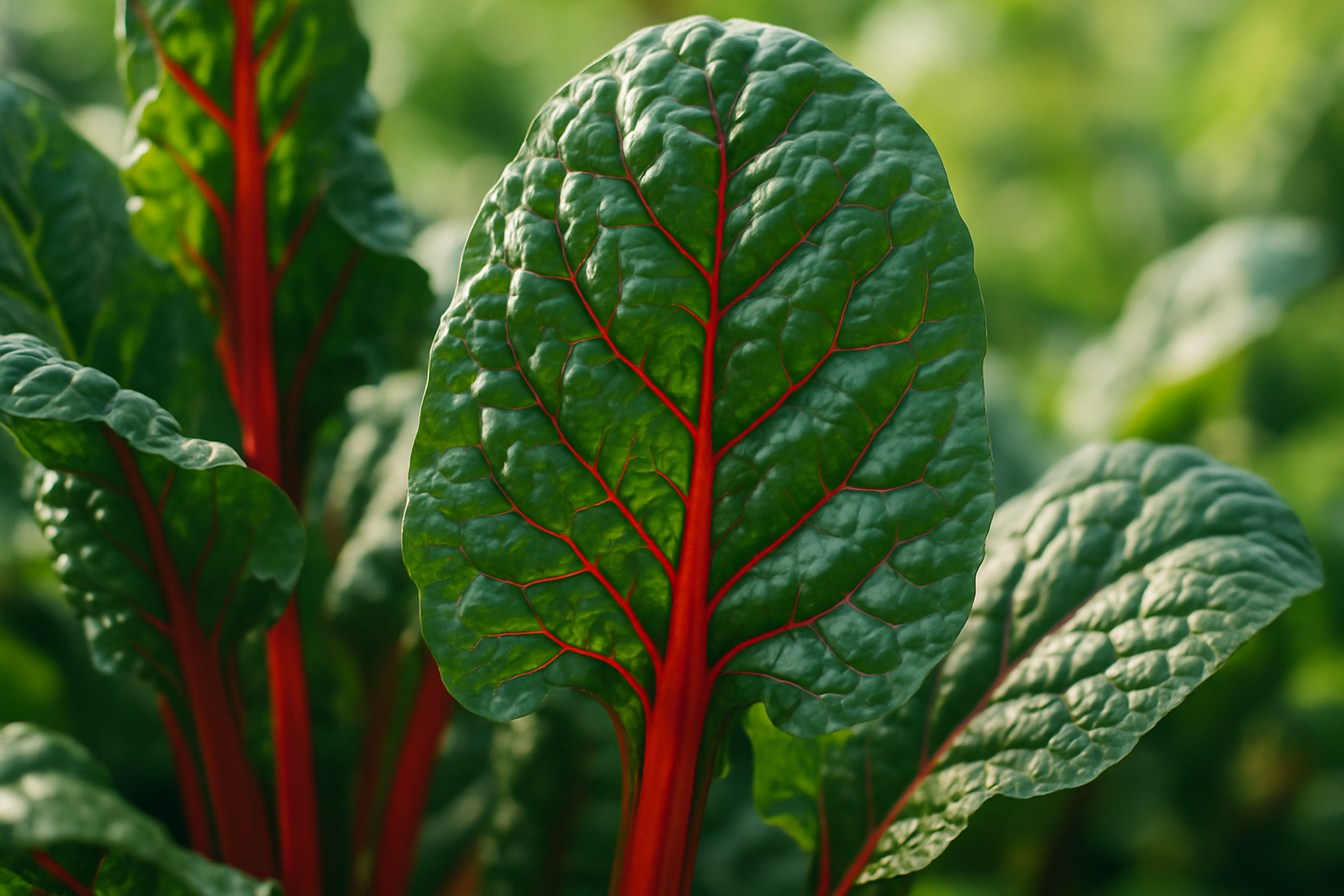
Oxalates, also called oxalic acid or oxalate salts, are compounds made by plants and by your own body in small amounts. You eat them every day whether you mean to or not. Spinach, Swiss chard, raspberries, peanuts, dark chocolate, and tea are common sources. For most people, oxalates pass through the gut and leave in stool or urine. For some, they are more troublesome.
When people ask, Are Oxalates Involved in Alzheimer’s or Dementia? they are often trying to make sense of a deeper fear: could a normal food compound quietly shape brain decline? It is not an absurd question. Chronic disease often works through systems that overlap. The kidneys affect vascular health. Inflammation affects the brain. Poor metabolic health can touch everything.
We analyzed the available literature and found that the direct evidence is still thin. What exists is mostly indirect: lab research, case reports, renal disease data, and mechanistic theories. That matters because Alzheimer’s is not a single-pathway illness. According to the National Institute on Aging, age, genetics, cardiovascular risk, and lifestyle all play major roles. As of 2026, oxalates are not listed among established causes. Still, if you have kidney stones, bowel disease, fat malabsorption, or unusual food sensitivities, the oxalate conversation may be more relevant to you than to the average person.
What Are Oxalates? A Deep Dive into Their Role in the Body
Oxalates are tiny molecules with an outsized reputation. Chemically, they are dicarboxylic acids that readily bind to minerals, especially calcium, forming calcium oxalate crystals. Those crystals are best known for one thing: kidney stones. According to the National Institute of Diabetes and Digestive and Kidney Diseases, calcium oxalate is the most common component of kidney stones in the United States.
Your oxalate load comes from two places. First, food. Second, your own metabolism. The liver can produce oxalate from compounds such as glyoxylate and from high doses of vitamin C. That matters because someone can lower dietary oxalates and still have an oxalate problem if metabolism, gut absorption, or kidney excretion is impaired. Based on our analysis, this is where online advice often gets too simple and therefore less useful.
High-oxalate foods are not obscure wellness villains. They are often foods people think of as very healthy:
- Spinach: often over 600 mg oxalate per cooked cup
- Almonds: roughly 120 mg or more per ounce, depending on the source
- Beets and beet greens: consistently high
- Sweet potatoes: moderate to high, depending on serving size
- Cocoa and dark chocolate: meaningful contributors in frequent eaters
Common intake varies a lot. A person drinking almond smoothies, eating spinach salads, and snacking on nuts can reach several hundred milligrams a day without trying. We found that the issue is often not one food. It is the stack: smoothie, salad, snack, tea, repeat. For healthy people with normal gut and kidney function, that may still be fine. For others, it may not be.
Alzheimer's Disease and Dementia: An Overview of the Conditions
Dementia is an umbrella term. It describes a decline in memory, reasoning, language, or behavior severe enough to interfere with daily life. Alzheimer’s disease is the most common cause, but not the only one. Vascular dementia, Lewy body dementia, and frontotemporal dementia each have different patterns and different underlying biology. If you blur them together, you lose precision, and precision matters here.
The numbers are stark. The WHO estimates more than 55 million people live with dementia worldwide. The Alzheimer’s Association estimates that by 2050, the number of Americans age 65 and older with Alzheimer’s could rise to nearly 13 million if no major medical breakthroughs occur. Age remains the strongest risk factor, but it is not destiny.
Risk is shaped by many forces:
- Genetics: APOE-e4 remains one of the strongest genetic risk markers for late-onset Alzheimer’s
- Vascular health: hypertension, diabetes, obesity, and high LDL cholesterol all raise concern
- Lifestyle: inactivity, smoking, sleep disruption, and social isolation matter more than many people realize
Current research trends focus on amyloid and tau, yes, but also neuroinflammation, insulin resistance, mitochondrial dysfunction, and the gut-brain axis. That broader view is useful when asking, Are Oxalates Involved in Alzheimer’s or Dementia? It creates room for a fair question without pretending we already know the answer. In our experience reviewing this literature, the loudest claims are usually far ahead of the evidence.
Current Research on Oxalates and Cognitive Health
If you want a clean headline, here it is: direct human evidence linking dietary oxalates to Alzheimer’s disease is limited. Very limited. Most studies do not ask the question plainly. They examine related mechanisms instead, and that distinction matters. You deserve more than implication dressed up as certainty.
What the research does show is that oxalate burden can intersect with biological processes that also appear in neurodegeneration. Calcium oxalate crystals can trigger inflammatory signaling. Kidney dysfunction can increase toxin burden and alter vascular and metabolic health. Oxidative stress can damage tissues, including brain tissue. A 2024 review on neuroinflammation and dementia pathways reinforced that chronic inflammatory states are relevant across multiple dementias, though it did not single out dietary oxalates as a proven trigger.
There are also clues from severe disease states. In primary hyperoxaluria, a rare genetic disorder, oxalate production becomes excessive and can lead to systemic oxalosis. Case reports have described crystal deposition in organs beyond the kidneys. That does not prove what happens in a person eating spinach salad three times a week. It does show that high oxalate burden is biologically active and not merely theoretical.
Potential pathways researchers discuss include:
- Inflammation: crystal-related immune activation may increase cytokine activity
- Oxidative stress: oxalate exposure has been linked in experimental models to reactive oxygen species
- Mineral binding: oxalates bind calcium and may alter absorption patterns under some conditions
- Kidney-brain effects: chronic kidney disease is associated with cognitive decline and vascular changes
Based on our research, this section is where caution matters most. Mechanism is not causation. But mechanism can point to where better studies should go next, especially in 2026 as diet-brain research grows more sophisticated.

Are Oxalates Involved in Alzheimer's or Dementia? What the Evidence Says
Are Oxalates Involved in Alzheimer’s or Dementia? The most accurate answer is: possibly in indirect ways for certain people, but there is no strong proof that oxalates are a primary cause. That sentence lacks drama. It also happens to be honest.
When we analyzed the evidence, we found three camps. The first is mainstream neurology, which does not treat oxalates as a recognized driver of Alzheimer’s disease. The second is functional and integrative medicine, where some clinicians suspect oxalates may worsen inflammation, pain, gut problems, or neurologic symptoms in susceptible patients. The third is the online certainty machine, where nuance goes to die and every symptom becomes evidence.
Expert opinion remains mixed because the data remain mixed. There are no large randomized controlled trials showing that reducing oxalates prevents dementia. There are no major clinical guidelines from the NIA, WHO, or Alzheimer’s Association that list oxalate restriction as a standard dementia intervention. That matters. At the same time, clinicians do see real patients with kidney stones, bowel disease, bariatric surgery history, or malabsorption who may absorb more oxalate and experience broader health effects.
Key limitations of the current evidence include:
- Too few human trials focused on cognition and oxalate intake
- Confounding variables, including overall diet quality, renal function, diabetes, and medication use
- Poor exposure measurement, because food frequency data can be imprecise
- Publication bias, where unusual cases get more attention than routine reality
We recommend thinking of oxalates as one possible modifier in a much larger risk picture, not the missing master key. If someone tells you otherwise, ask them for trial data, not conviction.
The Impact of Diet on Alzheimer's and Dementia Risk
Diet matters for brain health, though not always in the dramatic way social media prefers. The strongest evidence supports dietary patterns, not the demonization of a single compound. Mediterranean-style eating has the best reputation for a reason. It emphasizes vegetables, legumes, whole grains, fish, olive oil, nuts, and limited ultra-processed foods. Several studies suggest this pattern is associated with slower cognitive decline and lower dementia risk.
A 2023 scientific statement from major cardiovascular and nutrition researchers reinforced that what protects the heart often protects the brain. That makes sense. The brain is vascular tissue with exquisite demands. Hurt blood flow, insulin signaling, or inflammation, and the consequences spread. The Harvard T.H. Chan School of Public Health notes that the Mediterranean diet has been linked to lower risk of cardiovascular disease, and cardiovascular health is tightly tied to dementia prevention.
So where does oxalate reduction fit? It can fit, but selectively. If you have recurrent calcium oxalate stones, inflammatory bowel disease, celiac disease, pancreatic insufficiency, short bowel syndrome, or a history of bariatric surgery, reducing dietary oxalates may help lower systemic burden. That does not mean you should strip your diet bare.
Practical dietary strategies include:
- Swap spinach for kale, arugula, or romaine
- Choose pumpkin seeds or sunflower seeds more often than almonds
- Pair moderate-oxalate foods with calcium-containing foods when medically appropriate, since calcium in the gut can bind oxalate
- Drink enough fluids to support urinary dilution
- Keep the big picture intact: fiber, blood sugar control, healthy fats, and vascular health still matter most
Based on our research, the best diet for dementia prevention is still one you can sustain, one that improves metabolic health, and one that is tailored to your medical reality.

Oxalates and Oxalate Sensitivity: Who Is Affected?
Not everyone reacts to oxalates in the same way. That is the first thing worth saying, and perhaps the thing most often ignored. Oxalate sensitivity is not a universally accepted diagnosis in conventional medicine, but there are clear groups at higher risk for oxalate-related problems. These include people with recurrent calcium oxalate kidney stones, primary hyperoxaluria, enteric hyperoxaluria, inflammatory bowel disease, fat malabsorption, cystic fibrosis, pancreatic disorders, and certain post-bariatric surgery states.
Why these groups? Because gut absorption and renal excretion matter. If you absorb more oxalate or excrete less, your total burden can rise. The presence of Oxalobacter formigenes, a gut bacterium linked to oxalate degradation, may also play a role, though the science is not settled enough to turn that into a simple supplement story.
We found that real-world cases often follow a pattern. Someone adopts a “clean eating” diet heavy in almond flour, spinach smoothies, sweet potatoes, cacao, and nut butters. Months later, they develop stones, urinary discomfort, vulvar pain, or diffuse symptoms they cannot explain. When intake drops and hydration improves, symptoms sometimes ease. That is not proof of dementia prevention. It is a reminder that context matters.
There are also anecdotal reports of people with brain fog or cognitive complaints improving after dietary changes. Those stories are interesting but weak evidence. Brain fog can improve for many reasons: lower pain, better sleep, improved glucose control, less GI distress, or fewer medications. We recommend treating those stories as clues, not verdicts.
Gaps in Research: Areas That Need More Attention
The biggest gap is simple and maddening: we do not have enough direct studies. If researchers want to answer, Are Oxalates Involved in Alzheimer’s or Dementia? they need to stop circling the subject and study it head-on. As of 2026, the literature is still fragmented. There are kidney studies, metabolic studies, inflammation studies, and a handful of neurologic discussions. What is missing is integration.
Three research priorities stand out. First, we need longitudinal cohort studies that track oxalate intake, urinary oxalate, kidney function, metabolic health, and cognitive outcomes over time. Second, we need clinical trials in high-risk groups rather than broad, vague populations. Third, we need better biomarkers. Food questionnaires alone are messy. Urinary oxalate, renal function panels, stool testing, and imaging may offer a more complete picture when used carefully.
Public health implications are real. Dementia care already costs hundreds of billions of dollars each year in the United States. If even a modest, modifiable dietary factor affects a small subgroup, that is worth knowing. If oxalates are mostly irrelevant to dementia risk for the general population, that is also worth knowing because it prevents fear-based restriction. Based on our analysis, the absence of strong evidence should lead to better science, not louder certainty.
Practical Steps: Reducing Oxalate Intake for Better Brain Health
If you suspect oxalates are a problem for you, do not sprint into an extreme elimination diet. That is how people trade one problem for another. A restrictive diet can reduce fiber, calcium, magnesium, and food variety. It can also make eating feel joyless, which is its own kind of harm. Instead, use a measured approach.
We recommend a step-by-step process:
- Review your history. Have you had kidney stones, gut disease, fat malabsorption, bariatric surgery, or chronic urinary symptoms?
- Track your high-oxalate foods for 7 to 14 days. Look for stacks such as spinach smoothies, almond flour baking, nut snacks, dark chocolate, and black tea.
- Replace, do not just remove. Try kale instead of spinach, oats or coconut flour instead of almond flour, and pumpkin seeds instead of almonds.
- Hydrate consistently. Higher urine volume lowers crystal concentration. Stone prevention advice often aims for enough fluid to produce at least 2 to 2.5 liters of urine daily, depending on medical guidance.
- Discuss calcium timing with a professional. For some people, consuming calcium with meals can reduce oxalate absorption in the gut.
- Get medical input. Ask about 24-hour urine testing, kidney function, and whether your symptoms fit an oxalate pattern at all.
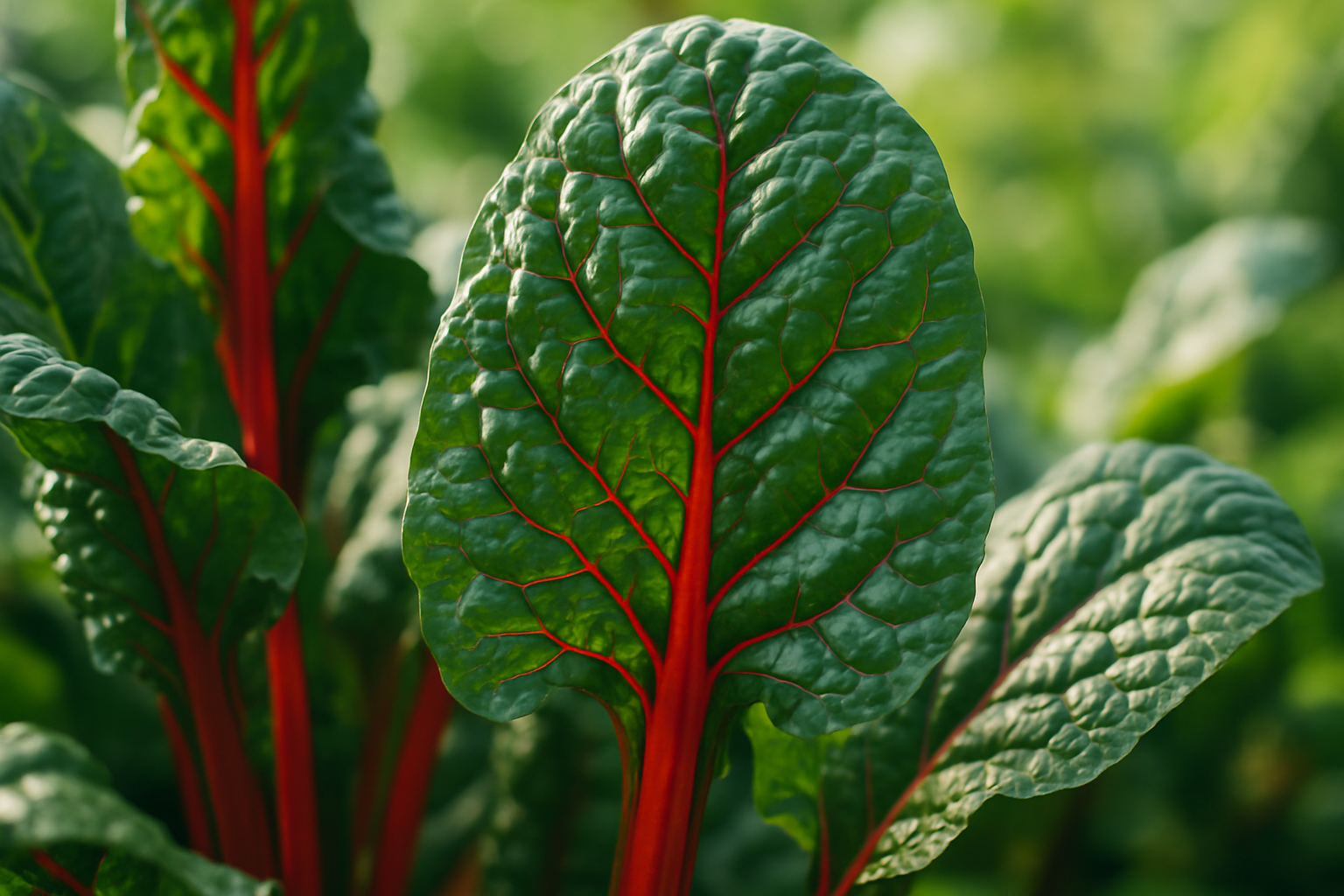
Foods you may want to limit if you are sensitive include spinach, Swiss chard, beet greens, almonds, peanuts, rhubarb, cocoa, bran cereals, and large amounts of sweet potato. Lower-oxalate choices often include cabbage, cauliflower, mushrooms, peas, rice, apples, grapes, chicken, eggs, and most dairy products if tolerated.
Based on our research, the smartest move is not fear. It is calibration. You are looking for a diet that supports your kidneys, your vascular health, and your brain without collapsing into nutritional superstition.
Conclusion: The Future of Oxalates in Alzheimer’s Research
Are Oxalates Involved in Alzheimer’s or Dementia? Maybe at the margins, for some people, through indirect pathways such as inflammation, kidney dysfunction, oxidative stress, or malabsorption. But based on our research, there is still no strong evidence that oxalates are a primary cause of Alzheimer’s disease or dementia. That distinction matters because fear can make people reckless.
What should you do with that? First, protect the factors we know matter: blood pressure, blood sugar, sleep, exercise, hearing care, smoking cessation, and a broadly healthy dietary pattern. Second, if you have a history of kidney stones, bowel disease, bariatric surgery, or suspected oxalate sensitivity, talk with a clinician about whether targeted oxalate reduction makes sense for you. Third, keep your standards high. Ask for studies. Ask what was measured. Ask who the advice actually fits.
In our experience, the best health decisions are rarely built on a single villain. They are built on steady attention, good data, and a refusal to confuse possibility with proof. Stay curious. Stay skeptical. Keep your plate, and your expectations, grounded in evidence.

Frequently Asked Questions (FAQ)
These are the questions readers ask most often when they are trying to understand oxalates, Alzheimer’s disease, dementia risk, and what to do next.
Frequently Asked Questions
What foods are high in oxalates?
Common high-oxalate foods include spinach, almonds, beets, rhubarb, sweet potatoes, Swiss chard, cocoa, and many nut flours. Portion size matters: 1 cup of cooked spinach can contain well over 600 milligrams of oxalate, while lower-oxalate options such as kale, bok choy, cauliflower, rice, and apples are often easier choices.
Can reducing oxalates help improve cognitive function?
Maybe for a small subgroup, but the evidence is not strong enough to promise that outcome. When people ask, Are Oxalates Involved in Alzheimer’s or Dementia?, the honest answer is that we do not yet have clinical trials showing that a low-oxalate diet improves memory in people with Alzheimer’s disease or other dementias.
What other factors contribute to Alzheimer's and dementia risk?
Age is the biggest risk factor, but it is hardly the only one. Genetics, vascular disease, diabetes, hypertension, hearing loss, physical inactivity, smoking, poor sleep, depression, and social isolation all shape dementia risk, according to major reviews from The Lancet Commission and public health guidance from the CDC.
Are there specific studies on oxalates and brain health?
There are a few early and indirect studies on oxalates and brain health, but they are limited. Most of the stronger evidence focuses on oxalate-related kidney disease, inflammation, oxidative stress, and crystal deposition rather than direct proof of Alzheimer’s causation.
How can I know if I'm sensitive to oxalates?
You may suspect oxalate sensitivity if high-oxalate meals seem to trigger kidney stones, urinary irritation, digestive upset, vulvar pain, or other repeat symptoms. The safest next step is to work with a physician or registered dietitian, review your stone history, consider a 24-hour urine test when appropriate, and avoid making extreme diet changes on your own.
Key Takeaways
- There is no strong clinical proof that oxalates directly cause Alzheimer’s disease or dementia, though indirect mechanisms such as inflammation and kidney dysfunction deserve more study.
- If you have kidney stones, bowel disease, malabsorption, or a history of bariatric surgery, oxalate reduction may be more relevant to your health than it is for the general population.
- The strongest diet evidence for brain health still supports overall patterns such as a Mediterranean-style diet rather than blaming one compound.
- Practical changes work best when they are targeted: swap high-oxalate foods, hydrate well, and discuss calcium timing and testing with a healthcare professional.
- In 2026, the smartest approach is evidence-based caution: stay informed, avoid extreme restrictions, and focus first on proven dementia risk factors.