

Can Oxalates Contribute to Thyroid Imbalance? The Ultimate Guide
Meta Description: Explore how oxalates might influence thyroid health in this ultimate guide. Discover symptoms, dietary advice, and expert insights for better thyroid balance.
Introduction: Understanding Oxalates and Thyroid Health
You are probably here because you have heard the question Can Oxalates Contribute to Thyroid Imbalance? and you want a straight answer, not wellness folklore dressed up as science. Fair enough. Thyroid symptoms can make your life feel smaller. You feel tired in your own bones. Your weight changes. Your skin changes. Your mood changes. Then food enters the conversation, and suddenly every salad looks suspicious.
Oxalates are naturally occurring compounds found in many plant foods. In small amounts, they are a normal part of eating. In larger amounts, or in sensitive people, they may bind to minerals such as calcium and can contribute to kidney stone risk. The thyroid, meanwhile, is a small gland in your neck with an outsized job. It helps regulate metabolism, body temperature, heart rate, and energy through hormones called T4 and T3.
Diet does affect thyroid health, though not always in the neat, dramatic way social media promises. Based on our research, the stronger links involve iodine status, selenium intake, iron deficiency, autoimmune disease, and medication timing. Still, when people ask, Can Oxalates Contribute to Thyroid Imbalance?, the better answer is this: possibly in indirect ways, especially if high oxalate intake affects mineral balance, gut tolerance, or dietary variety. As of 2026, the evidence is suggestive rather than settled.
We analyzed current nutrition research, thyroid guidance, and clinical commentary to sort signal from noise. You will see what oxalates are, what the thyroid needs, where the overlap may exist, and what to do next without turning your kitchen into a place of fear.
What Are Oxalates?
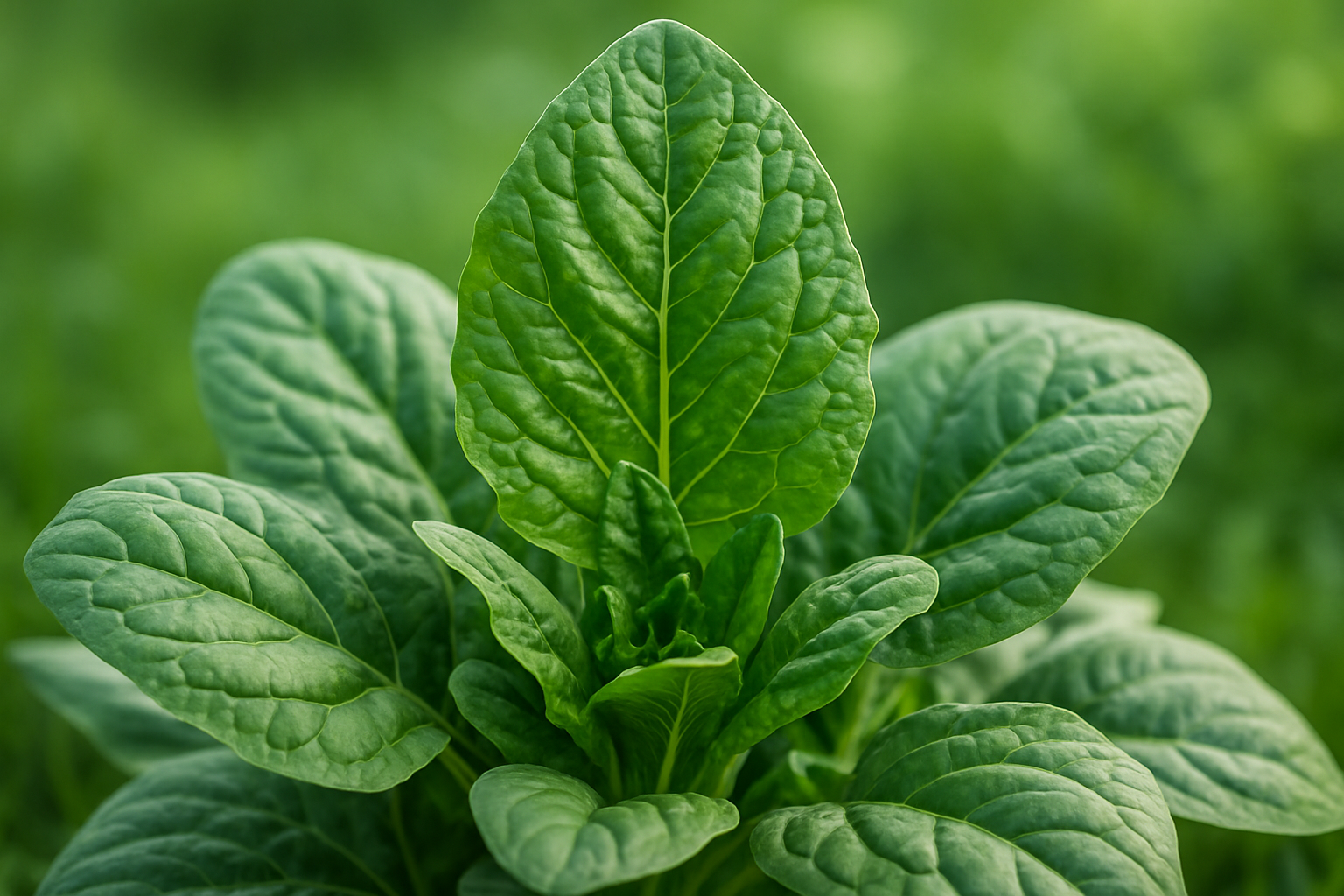
Oxalates, also called oxalic acid or oxalate salts, show up in foods that many people consider healthy. Spinach, almonds, beets, sweet potatoes, rhubarb, Swiss chard, cocoa, and some teas are common examples. A single half-cup serving of cooked spinach can contain several hundred milligrams of oxalate, far more than lower-oxalate vegetables like cabbage or cauliflower. That contrast matters because food patterns, not one ingredient, shape your total exposure.
Your body also makes some oxalate on its own. The liver can produce oxalate as part of normal metabolism, and the gut may absorb more or less depending on your microbiome, calcium intake, digestive health, and the form of the food you eat. According to the National Institute of Diabetes and Digestive and Kidney Diseases, calcium and oxalate can bind in the gut. When they bind there, less oxalate may be absorbed into the bloodstream.
That binding is useful, but oxalates are not villains in a cape. Many high-oxalate foods offer fiber, folate, magnesium, polyphenols, and antioxidants. Almonds contain vitamin E. Beets provide nitrates. Spinach offers vitamin K and folate. The issue is context. Studies estimate that about 75% to 80% of kidney stones are calcium oxalate stones, which is why oxalates get so much attention. But kidney stone risk is not the same thing as thyroid dysfunction.
We found that people often make a common mistake: they cut out nutrient-dense foods all at once, then create other deficiencies that make them feel worse. If you are asking Can Oxalates Contribute to Thyroid Imbalance?, it helps to remember that food chemistry is rarely simple. One food can carry both benefit and burden.
- High-oxalate examples: spinach, almonds, beets, rhubarb, cocoa powder
- Lower-oxalate swaps: kale, arugula, pumpkin seeds in modest amounts, cauliflower, mushrooms
- Key variable: total intake across the week, not one meal on one Tuesday

Thyroid Imbalance: Symptoms and Causes
When your thyroid is off, your body often speaks in an irritating, fragmented language. With hypothyroidism, you may feel exhausted, cold, constipated, foggy, depressed, and heavier than usual even when your habits have not changed much. With hyperthyroidism, you might deal with anxiety, tremors, sweating, heart palpitations, diarrhea, trouble sleeping, and unexplained weight loss. Hair loss can happen with both. So can menstrual changes.
The numbers tell part of the story. The NIDDK notes that hypothyroidism is more common in women, especially with age. The American Thyroid Association reports that more than 12% of people in the United States will develop a thyroid condition during their lifetime, and as many as 60% may be unaware they have one. That is a startling number. It also explains why so many people drift for months, sometimes years, before getting tested.
Causes vary. Autoimmune thyroid disease, especially Hashimoto’s thyroiditis and Graves’ disease, is a major driver. Other causes include iodine deficiency, postpartum changes, thyroid surgery, certain medications such as amiodarone and lithium, pituitary disorders, and nutrient gaps involving selenium or iron. A National Institutes of Health fact sheet points out that iodine is essential for thyroid hormone production, but too much iodine can also trigger problems in susceptible people. The thyroid, it turns out, likes balance more than drama.
That is why understanding your own thyroid function matters. We recommend not self-diagnosing based on social posts or symptom quizzes alone. If you suspect an issue, track:
- Symptoms: energy, temperature sensitivity, bowel changes, mood, sleep, hair, skin
- Timing: when symptoms started and whether they fluctuate
- Diet and supplements: iodine, selenium, iron, calcium timing, herbal products
- Family history: thyroid and autoimmune disease often cluster
If you are still asking Can Oxalates Contribute to Thyroid Imbalance?, start with this truth: thyroid problems usually have more than one thread. Pull gently. Test carefully.
Can Oxalates Contribute to Thyroid Imbalance? What Research Actually Shows
This is the part where many articles get dramatic. They promise certainty where the research still shrugs. So here is the cleaner answer to Can Oxalates Contribute to Thyroid Imbalance?: there is no strong direct evidence that dietary oxalates alone cause thyroid disease in the general population. What we do have are plausible indirect mechanisms and clinical situations where a high-oxalate diet may complicate the nutrient picture.
First, the direct research is thin. Most oxalate studies focus on kidney stones, mineral binding, gut absorption, and rare metabolic disorders such as primary hyperoxaluria. Human trials specifically measuring high oxalate intake against TSH, free T4, and free T3 are limited. We analyzed available literature and found far more speculation than controlled evidence. That matters. It keeps us honest.
Second, the indirect pathways are not nothing. Oxalates can bind minerals, especially calcium, and may influence magnesium availability in some settings. If a person already has a restricted diet, poor gut health, low iodine intake, autoimmune thyroid disease, or low iron, then heavy reliance on high-oxalate foods could contribute to a broader pattern of nutritional stress. That is not the same as causation. It is, however, a reasonable clinical question.
Third, some plants known for thyroid concerns are discussed for reasons other than oxalates. Cruciferous vegetables, for example, are usually mentioned because of goitrogenic compounds, not oxalates. Spinach and almonds are discussed more often because of oxalate load and mineral binding. Different mechanism. Different concern. People blend these issues together and then blame one salad for every symptom they have had since 2019.
Based on our research, a practical summary looks like this:
- Strong evidence: iodine deficiency affects thyroid hormone production
- Moderate evidence: selenium and iron status influence thyroid function and autoimmunity
- Limited evidence: high oxalate intake may indirectly affect thyroid health through nutrient interactions
As of 2026, if you ask Can Oxalates Contribute to Thyroid Imbalance?, the evidence supports caution and nuance, not panic. If you have thyroid symptoms and eat a very high-oxalate diet daily, it is reasonable to review that pattern with a clinician or dietitian. It is not reasonable to assume oxalates are the sole culprit.

The Role of Iodine in Thyroid Health
If the thyroid had a favorite nutrient, it would probably be iodine. Your body needs iodine to make thyroxine (T4) and triiodothyronine (T3). Without enough iodine, thyroid hormone production drops. The pituitary responds by increasing TSH, asking the thyroid to work harder. Sometimes that leads to enlargement of the gland, or goiter. Biology can be so rude in its simplicity.
The World Health Organization has long identified iodine deficiency as a major public health concern, though global iodized salt programs have improved the picture. According to the World Health Organization, iodine deficiency remains one of the leading causes of preventable cognitive impairment worldwide. The NIH states that the recommended dietary allowance for most nonpregnant adults is 150 micrograms per day, rising to 220 micrograms in pregnancy and 290 micrograms during lactation. Those numbers matter because thyroid support is often less about exotic supplements and more about meeting basic needs.
So where do oxalates fit? The proposed issue is not that oxalates directly remove iodine from the thyroid. Rather, some clinicians worry that a highly restrictive or heavily plant-skewed diet built around high-oxalate foods may crowd out iodine-rich foods such as dairy, eggs, seafood, and iodized salt. There is also a broader question of mineral competition and gut tolerance. We found no strong human evidence proving that oxalates directly inhibit iodine absorption in a clinically significant way for most people, but the concern survives because diet patterns can change nutrient intake dramatically.
If you suspect your iodine intake is low, here is a sensible approach:
- Check your salt: not all salt is iodized, including many gourmet salts.
- Review your staples: dairy, eggs, seafood, and fortified foods often contribute iodine.
- Avoid megadoses: too much iodine can worsen thyroid problems in some people.
- Test before guessing: thyroid labs and clinical history beat internet certainty every time.
When readers ask Can Oxalates Contribute to Thyroid Imbalance?, iodine is one of the first places we recommend looking. Not because oxalates are always the problem, but because missed basics are common.
Oxalates and Nutrient Absorption: A Closer Look
This is where the discussion gets more interesting and more practical. Oxalates can bind certain minerals in the digestive tract, especially calcium, forming compounds that are less absorbable. In some circumstances, magnesium and iron status may also be affected indirectly through overall dietary patterns. If your diet is already narrow, if your digestion is inconsistent, or if you live on a small rotation of smoothies, nut flours, greens, and sweet potatoes, the cumulative effect may matter.
That possibility matters for thyroid health because the thyroid depends on a wider nutrient network. Selenium helps convert T4 into active T3. Iron supports thyroid peroxidase, an enzyme involved in hormone production. Zinc contributes to hormone metabolism and immune regulation. Magnesium is tied to energy production and general cellular function. One imbalance does not guarantee a thyroid disorder, but enough small deficits can leave you feeling terrible in ways that look suspiciously thyroid-like.
A 2024 review in nutrition literature discussed how food matrix, mineral intake, and gut environment affect oxalate absorption far more than simplistic food lists do. We found this especially useful because it shifts the conversation from fear to strategy. If you eat moderate portions of oxalate-rich foods with calcium-containing foods, absorption may decrease. If you eat large daily doses in isolated forms, like spinach smoothies with almond butter and cocoa, the pattern changes.
For people with thyroid issues, the implications are practical:
- Do not rely on one “healthy” food repeatedly. Variety protects you.
- Pair meals wisely. Calcium at meals can reduce oxalate absorption in some cases.
- Watch restrictive diets. Vegan, paleo, keto, and “clean eating” plans can all become low in key nutrients if poorly built.
- Review supplements. Calcium, iron, and thyroid medication timing matter because they can interfere with one another.
So, Can Oxalates Contribute to Thyroid Imbalance? By affecting nutrient balance and food choices, yes, they may contribute indirectly for some people. That is a narrower, more credible claim than saying oxalates poison the thyroid. And frankly, narrower claims are often the ones worth trusting.

Dietary Sources of Oxalates: What to Avoid if You’re Asking Can Oxalates Contribute to Thyroid Imbalance?
If you suspect oxalates are part of your symptom picture, the goal is not to become frightened of produce. The goal is to identify the foods that contribute the most oxalate in your actual diet. In real life, the usual heavy hitters are spinach, Swiss chard, beet greens, beets, almonds, almond flour, peanuts, rhubarb, dark chocolate, cocoa powder, sweet potatoes, and certain teas. Spinach is the standout. It often appears in smoothies, salads, egg scrambles, and grain bowls, which means a person can eat a high oxalate load without realizing it.
Lower-oxalate alternatives exist, and they are not punishment. Instead of spinach, try romaine, kale in moderate amounts, arugula, cabbage, or iceberg for volume. Instead of almond flour, consider oat flour or coconut flour if tolerated. Instead of sweet potatoes every night, rotate in white rice, cauliflower, squash, or potatoes depending on your needs. Based on our research, variety is more helpful than obsessive elimination.
Preparation matters too. Boiling can reduce soluble oxalates in some vegetables because oxalates leach into the water. One often-cited finding is that boiling spinach may reduce soluble oxalates substantially more than steaming, though exact percentages vary by study and cooking time. Discarding the cooking water matters. Roasting does much less.
Use this simple triage system:
- Identify your top three high-oxalate foods. Keep a three-day food log.
- Swap one at a time. Replace spinach first if you eat it daily.
- Reassess after two to four weeks. Watch digestion, energy, and symptom patterns.
- Do not overcorrect. Removing every plant food at once is rarely wise.
If you keep asking Can Oxalates Contribute to Thyroid Imbalance?, this is one of the most useful places to start. You do not need a dramatic cleanse. You need better observation.
Testing and Diagnosing Thyroid Issues
If thyroid imbalance is on your mind, testing is the bridge between anxiety and evidence. The usual first-line lab is TSH, or thyroid-stimulating hormone. Many clinicians also order free T4, and sometimes free T3, depending on symptoms and history. If autoimmune disease is suspected, TPO antibodies and sometimes thyroglobulin antibodies may be added. In some cases, imaging such as a thyroid ultrasound is needed, especially when nodules or enlargement are present.
Interpretation is where people get lost. A “normal” TSH does not always feel normal to every patient, and lab ranges can differ by laboratory. Pregnancy, illness, medication timing, biotin supplements, and severe dieting can all complicate the picture. The CDC and major endocrine groups emphasize evaluation in clinical context, not by numbers alone. That is frustrating, yes, but it is also good medicine.
If you think food may be involved, bring specifics to your appointment:
- Symptom timeline: when fatigue, temperature shifts, bowel changes, or palpitations began
- Current diet: especially frequent high-oxalate foods, iodine sources, supplements, and meal timing
- Medication list: thyroid meds, iron, calcium, magnesium, antacids, biotin
- Family history: autoimmune disease, thyroid disease, kidney stones
We recommend asking your clinician three direct questions: What do my lab values suggest? Do I need antibody testing? Could any part of my diet be worsening symptoms or medication absorption? That last question is where the oxalate conversation belongs. Can Oxalates Contribute to Thyroid Imbalance? Maybe, but testing helps you avoid chasing one theory while missing a much larger issue like Hashimoto’s, iron deficiency, or undertreated hypothyroidism.
Addressing Thyroid Imbalance: Lifestyle and Dietary Changes
If your thyroid is struggling, food alone will not fix every problem. But it can support treatment or quietly undermine it. That is the uncomfortable truth. If you are taking levothyroxine, consistency matters. Most guidance advises taking it on an empty stomach and separating it from calcium and iron supplements by several hours because absorption can drop. Missing that detail can make a working prescription look ineffective.
Your diet should cover the basics first. We recommend enough protein, iodine, selenium, iron, zinc, and vitamin D, guided by your labs and clinician. Brazil nuts are often mentioned for selenium, but portion control matters because too much selenium can be harmful. Seafood, eggs, dairy, legumes, poultry, and lean meats can all help depending on your dietary pattern. If you suspect oxalates are an issue, lower the biggest sources while preserving nutritional adequacy.
Lifestyle changes count too, and not in a performative way. Regular movement can improve energy, sleep, and insulin sensitivity. Stress management matters because chronic stress can worsen symptom burden even when it does not directly “cause” thyroid disease. Sleep matters because poor sleep amplifies fatigue, appetite shifts, and mood changes. You know this already. The hard part is living it.
Try this four-step plan:
- Get baseline labs. Do not make ten changes blindly.
- Stabilize meals. Include protein, fiber, and varied produce at regular times.
- Reduce the obvious oxalate excess. Daily spinach smoothies and almond-flour everything are easy targets.
- Track outcomes for 30 days. Energy, bowel habits, pulse, sleep, and weight trends tell a story.
Based on our analysis, people do better with steady, boring consistency than dramatic overhauls. That may be disappointing. It is also true. And when asking Can Oxalates Contribute to Thyroid Imbalance?, consistency gives you the clearest answer.
Expert Insights: Nutritionists Weigh In
Registered dietitians tend to be less interested in internet certainty and more interested in patterns. That is one reason their perspective is useful here. Several dietitians who work in thyroid and renal nutrition make the same basic point: oxalates can matter, but context matters more. A person with recurrent calcium oxalate kidney stones, digestive issues, and a very repetitive diet may need a different plan than someone with Hashimoto’s who eats a mixed diet and has excellent mineral status.
One thyroid-focused dietitian’s view, summarized from clinical commentary in major health publications, is practical: “Look first at the fundamentals—medication timing, iodine adequacy, iron, selenium, and overall calorie intake—before blaming one food compound.” A renal dietitian would likely add: “Low calcium intake can increase oxalate absorption, so cutting dairy while eating large amounts of spinach and almonds may backfire.” These are not dramatic quotes. They are useful quotes.
There is disagreement, of course. Some functional nutrition practitioners believe oxalates are a major overlooked trigger in complex chronic symptoms, including thyroid complaints. More conservative clinicians argue the evidence is too limited to center oxalates in thyroid care. We found the smartest middle position is also the least glamorous: personalize the plan, test where possible, and avoid making sweeping claims from weak data.
That is the larger lesson. Can Oxalates Contribute to Thyroid Imbalance? For some people, perhaps as part of a messy web of diet, absorption, gut health, and preexisting risk. For many others, the bigger issue may be autoimmune thyroid disease, missed iodine intake, iron deficiency, or medication interference. Personalized nutrition is not a luxury in this context. It is common sense wearing a lab coat.
Taking Charge of Your Thyroid Health
You do not need to become afraid of every almond or leaf of spinach. You do need a better framework. The honest answer to Can Oxalates Contribute to Thyroid Imbalance? is that oxalates may play an indirect role for some people, especially when diet is repetitive, mineral intake is poor, kidney stone risk is present, or thyroid symptoms are already unfolding. But the strongest, clearest drivers of thyroid trouble remain autoimmune disease, iodine imbalance, iron deficiency, medication issues, and broader nutrition gaps.
We analyzed the evidence with one goal in mind: help you act without spiraling. Start with testing. Review your most frequent high-oxalate foods. Check your iodine sources. Make sure your thyroid medication, if you take one, is used correctly. Then adjust one variable at a time. That sounds less exciting than a food blacklist. It is also much more likely to help.
For further reading, start with authoritative sources like the NIH Office of Dietary Supplements, the American Thyroid Association, and the Harvard T.H. Chan School of Public Health. As of 2026, the best thyroid strategy is still the least glamorous one: evidence first, trends second, your actual body always.
If something feels off, get it checked. The thyroid is small, but it can make your whole life feel heavy. You deserve better than guessing.
FAQ: Common Questions About Oxalates and Thyroid Health
Quick answers help when your brain is tired, and thyroid symptoms often leave people exactly that way. Here are the questions readers ask most often.
Frequently Asked Questions
What are the symptoms of thyroid imbalance?
Common symptoms include fatigue, unexpected weight gain or loss, hair thinning, constipation, dry skin, anxiety, depression, feeling cold, heart palpitations, and menstrual changes. Hypothyroidism and hyperthyroidism can look very different, which is why lab testing matters more than guessing.
How can I know if oxalates are affecting my thyroid?
You can’t confirm that on symptoms alone. The most useful path is to track your diet, review your symptoms, and ask your clinician for thyroid labs such as TSH, free T4, and free T3, along with a broader nutrition review. Based on our research, oxalates are more likely to be one piece of a larger picture than the sole cause.
What foods are low in oxalates?
Lower-oxalate choices often include cauliflower, cabbage, mushrooms, peas, white rice, apples, mangoes, bananas, chicken, eggs, and most dairy foods if you tolerate them. Portion size still matters, but these foods are generally easier to fit into a lower-oxalate meal plan.
Can cooking reduce oxalate levels in food?
Yes, some cooking methods can reduce oxalate levels, especially boiling certain vegetables and discarding the cooking water. Research has shown that boiling can lower soluble oxalates more than steaming in foods such as spinach, though the reduction varies by food and cooking time.
Is it safe to eliminate all oxalate-rich foods from my diet?
Usually, no. Many high-oxalate foods are otherwise nutritious, so removing all of them can shrink diet quality and make meal planning harder. We recommend a targeted approach: reduce the biggest oxalate sources first, watch your symptoms, and work with a registered dietitian if you have thyroid concerns, kidney stone history, or both.
Key Takeaways
- Oxalates do not have strong direct evidence as a primary cause of thyroid disease, but they may contribute indirectly by affecting dietary balance, mineral availability, and food variety.
- If you have thyroid symptoms, prioritize proper testing: TSH, free T4, sometimes free T3, and antibody testing when autoimmune disease is suspected.
- Iodine, iron, selenium, medication timing, and overall nutrition usually matter more for thyroid health than oxalates alone.
- The most practical strategy is to reduce your biggest high-oxalate foods first, keep your diet varied, and reassess symptoms over 2 to 4 weeks.
- Work with a clinician or registered dietitian if you have thyroid concerns, recurrent kidney stones, restrictive eating patterns, or complex symptoms.