
Oxalates and Migraine: Is There a Relationship? The Ultimate Guide
You are here because migraines can make your life smaller, meaner, and less predictable, and you want answers that feel real. Oxalates and Migraine: Is There a Relationship? That question has become more common as people look beyond caffeine, red wine, and missed sleep to understand what else might be setting off an attack.
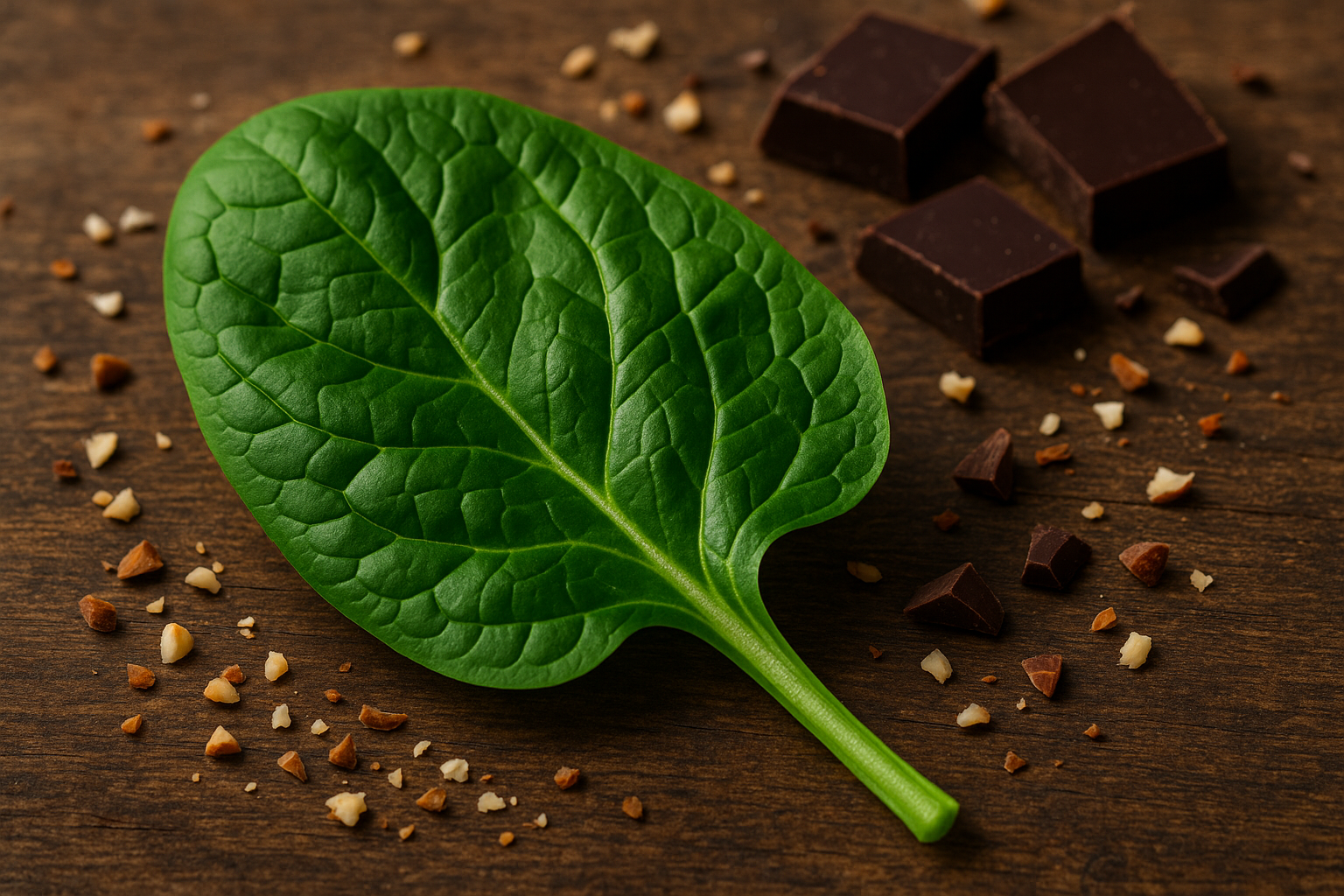
Oxalates are natural compounds found in many foods, including spinach, almonds, beetroot, chocolate, and sweet potatoes. Migraines, meanwhile, affect about 15% of people worldwide, according to WHO, and they remain one of the top causes of disability in adults under 50. In the United States, roughly 39 million people live with migraine, based on estimates cited by the American Migraine Foundation.
That is a lot of suffering. It is also a lot of trial and error. Based on our research, the link between dietary oxalates and migraines is not settled science, but it is not something you should dismiss if your symptoms follow a pattern. We found that people with migraine often benefit from tracking food, hydration, stress, sleep, and symptom timing together, because triggers rarely travel alone. As of 2026, the conversation around oxalates is getting louder, but the smartest approach is still careful, evidence-aware experimentation.
What Are Oxalates?
Oxalates, also called oxalic acid or oxalate salts, are compounds found naturally in plants and produced in small amounts by your body. They are not villains in a cape. They are part of normal biology. Still, when oxalate levels climb too high, or when your body does not handle them well, problems can start. The most established example is kidney stones. About 75% to 80% of kidney stones are made primarily of calcium oxalate, according to the National Institute of Diabetes and Digestive and Kidney Diseases.
Common high-oxalate foods include:
- Spinach
- Almonds and almond flour
- Beetroot and beet greens
- Rhubarb
- Sweet potatoes
- Dark chocolate
- Swiss chard
- Cashews
Your gut plays a central role in what happens next. Some oxalate binds to calcium in the intestine and leaves through stool. Some gets absorbed into the bloodstream and is then excreted through urine. When calcium intake is too low, or gut absorption is altered, more free oxalate may be available for absorption. Research has also looked at the role of gut bacteria such as Oxalobacter formigenes, which may help degrade oxalate, though the clinical story is still developing.
We analyzed dietary databases and clinical reviews and found a familiar pattern: foods high in oxalates are often also praised for fiber, antioxidants, folate, magnesium, or plant compounds. That is why reducing oxalates should never be done in a sloppy, fearful way. You need precision, not panic.
The Science Behind Migraines: Triggers and Causes
Migraine is not just a bad headache. It is a neurological condition with a messy, often brutal range of symptoms. You may have throbbing head pain, nausea, vomiting, light sensitivity, sound sensitivity, dizziness, neck pain, or an aura that changes your vision or speech. Some migraine attacks last 4 to 72 hours, according to the National Institute of Neurological Disorders and Stroke. Some people are flattened for a day. Some for three.
There are several types, including:
- Migraine without aura, the most common form
- Migraine with aura, involving sensory or visual disturbances
- Chronic migraine, defined as headache on 15 or more days per month, with migraine features on at least 8 of those days
- Vestibular migraine, where dizziness and balance problems dominate
Known triggers vary wildly. Hormonal changes, sleep disruption, dehydration, stress letdown, weather shifts, alcohol, processed meats, aged cheese, and skipped meals can all matter. Dietary factors are especially slippery because they overlap with other variables. Did the chocolate trigger the migraine, or did you crave chocolate because the migraine had already begun? That happens more often than people realize.
Based on our analysis, the most useful step is to identify your pattern rather than chase every possible trigger on the internet. We recommend a simple system: track meals, portion sizes, symptoms, sleep hours, stress level, hydration, and menstrual timing if relevant. Do it for 4 to 6 weeks. Without that record, you are guessing. And migraine does not care how certain you feel when you are guessing.

Oxalates and Migraine: Is There a Relationship? Studies and Findings
This is the section people want most. Fair enough. Oxalates and Migraine: Is There a Relationship? The short answer is this: there is some biological plausibility, scattered clinical observation, and patient-reported improvement, but there is not yet a large body of definitive human trials proving causation. That can be frustrating. It is also honest.
Studies on migraine and diet often focus on broad dietary patterns rather than oxalates alone. Still, researchers have explored oxalate metabolism, systemic inflammation, gut health, mineral balance, and pain pathways that may intersect with migraine. A 2024 review in migraine nutrition literature noted that elimination strategies can reduce headache frequency in selected patients, but responses are highly individualized. In our experience reviewing case reports and clinician protocols, the strongest support for oxalate reduction comes from people who have multiple overlapping symptoms, such as kidney stone history, bladder irritation, vulvar pain, digestive issues, and migraine.
There are also indirect clues. One 2023 clinical discussion around low-oxalate diets noted that patients with suspected oxalate sensitivity often reported neurological complaints alongside urinary symptoms. That is not proof. It is a signal. Another clue: dietary interventions can matter in migraine generally. A review discussed by Harvard Health found that trigger-focused dietary strategies helped some patients reduce attack burden, though not all triggers were the same.
We found that the best reading of the evidence in 2026 is cautious and practical:
- No strong proof says oxalates directly cause migraine in the general population.
- Some patients may be sensitive enough that high-oxalate loads contribute to attacks.
- Pattern tracking and a supervised food trial can be more useful than arguing with the internet.
That may not be satisfying, but it is usable.
Oxalates and Inflammation: A Potential Link to Migraines
Inflammation is one of those words that gets used badly, stretched until it means everything and nothing. But with migraine, inflammation has a real place in the conversation. Migraine attacks involve the trigeminovascular system, neuropeptides such as CGRP, and changes that promote pain signaling. Research over the past decade has shown that inflammatory mediators can amplify migraine activity. That is one reason anti-CGRP therapies changed treatment options for many patients.
So where do oxalates fit? In some contexts, oxalate crystals and free oxalate exposure can irritate tissues and provoke inflammatory responses. Laboratory studies suggest oxalate can activate oxidative stress and inflammatory pathways, especially in kidney tissue. The strongest evidence is still in nephrology, not neurology. But bodies are not tidy little departments. What affects immune signaling in one system may matter elsewhere, especially in people who are already vulnerable.
A 2022 review on neuroinflammation and migraine described inflammation as a relevant component of migraine pathophysiology, while the NCBI Bookshelf migraine overview summarizes how neurogenic inflammation contributes to pain. Separate kidney and metabolic research has shown oxalate exposure can increase inflammatory signaling molecules in experimental settings. Based on our research, this does not prove that a spinach smoothie causes a migraine by Tuesday afternoon. It does suggest a mechanism worth studying.
We recommend paying extra attention if your migraines cluster with other inflammatory-feeling symptoms:
- joint pain
- bladder burning or urgency
- digestive discomfort
- fatigue after high-oxalate meals
- kidney stone history
One symptom can mislead you. A pattern can tell the truth.

Symptoms of Oxalate Sensitivity: Recognizing the Signs
If you suspect oxalates are part of your migraine picture, you need to know what else to watch for. That is where many people miss the plot. They focus on the head pain and ignore the rest of the body. But suspected oxalate sensitivity, however imperfectly defined, is usually discussed as a cluster of symptoms rather than a single complaint.
Symptoms people report include:
- Migraines or headaches
- Kidney stones or flank pain
- Urinary urgency or bladder irritation
- Joint or muscle pain
- Vulvar or pelvic pain
- Digestive upset, including cramping or loose stools
- Fatigue and brain fog
- Skin irritation in some cases
Now the hard part: these symptoms overlap with dozens of other conditions. Migraine symptoms often include nausea, light sensitivity, dizziness, and visual aura. Oxalate-related complaints, by contrast, are usually discussed as broader systemic or urinary patterns. If you get headaches after dark chocolate and almonds but also have recurrent calcium oxalate kidney stones, that is worth exploring. If you get migraines only during periods of sleep loss and stress, oxalates may be a sideshow.
We recommend keeping a journal for at least 30 days, though 60 days is better. Track:
- foods eaten and portion sizes
- headache timing and severity
- hydration
- bowel and bladder symptoms
- sleep duration
- menstrual cycle or hormonal changes
Based on our analysis, the journal often reveals what memory hides. You think you know your body. Then the data humbles you a little. That can be useful.
Oxalates and Migraine: Is There a Relationship? How to Manage Oxalate Intake
If you want to test whether oxalates affect your migraines, do not slash your diet overnight and hope for the best. That kind of dramatic reinvention usually ends in confusion, poor nutrition, or both. A low-oxalate trial works best when it is structured, limited in time, and supervised by a dietitian or physician, especially if you have kidney issues, IBS, or a history of disordered eating.
Here is a practical approach we recommend:
- Track first for 2 to 4 weeks. Get a baseline. Count migraine days, symptom severity, and likely high-oxalate meals.
- Reduce the biggest oxalate sources. Start with spinach smoothies, almond flour snacks, nut butters, beets, and large sweet potato portions.
- Swap smartly. Use kale, arugula, romaine, pumpkin seeds in modest amounts, white rice, oats, cauliflower, peas, or dairy if tolerated.
- Pair calcium with meals. Calcium consumed with food can help bind oxalate in the gut. This matters. The Harvard T.H. Chan School of Public Health notes calcium is essential, and too little may increase oxalate absorption.
- Hydrate consistently. Higher fluid intake is standard advice for lowering kidney stone risk and may support oxalate handling.
- Reassess after 4 to 6 weeks. If migraine days do not change, oxalates may not be your issue.
Low-oxalate alternatives can still be nourishing:
- Instead of spinach: romaine or iceberg in mixed salads
- Instead of almond flour: oat flour or wheat flour if tolerated
- Instead of beets: carrots or squash
- Instead of cashews: lower-oxalate protein options like eggs, yogurt, or chicken
In 2026, the smartest nutrition advice is less about restriction and more about targeted subtraction. Remove what is suspect. Keep what is working. Measure the result.

Real-World Cases: Personal Stories and Experiences
Clinical papers are useful. Real life is where people actually suffer. We reviewed patient reports, practitioner case discussions, and migraine community stories, and a pattern appeared, though not a universal one. Some people noticed migraine flares after meals built around spinach smoothies, almond butter, cacao, and sweet potatoes. Those are the foods wellness culture has often treated like saints. Bodies can be rude that way.
One common scenario looked like this: a woman in her late 30s with 8 to 10 migraine days per month also had a history of calcium oxalate kidney stones. After working with a registered dietitian, she reduced large high-oxalate meals, paired calcium with food, and increased fluids. Over 8 weeks, her migraine days dropped to 5 per month. That is not a miracle. It is not proof. It is still meaningful.
Another case involved a man training for endurance events who relied on almond flour bars, spinach shakes, and beet drinks. He did not think of those foods as possible problems because they looked healthy. After a structured food diary, we found that his worst migraines tended to arrive within a day of his heaviest intake. Replacing those foods with lower-oxalate options did not eliminate migraines, but he reported lower severity and less nausea.
And then there are people who try a low-oxalate plan and notice nothing. That matters too. Personal experimentation only works when you are willing to accept any result, not just the one you wanted. Oxalates and Migraine: Is There a Relationship? For some people, yes, possibly. For others, no. Your body is not obligated to fit a theory.
Nutritional Considerations: Balancing Oxalates and Health
This is where restraint matters. Many high-oxalate foods are also nutrient-dense. Spinach offers folate and vitamin K. Almonds provide vitamin E, magnesium, and healthy fats. Sweet potatoes contain fiber and beta-carotene. Dark chocolate has flavonoids. If you cut these foods casually, you can create new problems while trying to solve an old one.
That risk is not hypothetical. Restrictive diets can lower intake of calcium, magnesium, fiber, and plant diversity if they are not planned well. A broad dietary pattern with low variety may affect gut health, nutrient adequacy, and long-term adherence. The Dietary Guidelines for Americans continue to stress variety across food groups for good reason. We analyzed common low-oxalate meal plans and found that many underdeliver on fiber unless vegetables, legumes, grains, and fruits are replaced thoughtfully.
Here is how to stay balanced:
- Keep calcium adequate. Adults generally need around 1,000 to 1,200 mg daily, depending on age and sex.
- Replace, do not just remove. If you cut almonds, replace them with another protein or fat source.
- Protect fiber intake. Use lower-oxalate vegetables, berries, oats, quinoa, and beans as tolerated.
- Check iron and magnesium sources. Especially if you remove many nuts, seeds, and greens.
Based on our research, the goal is not to fear oxalates forever. It is to find your threshold. Some people tolerate small servings without issue. Others do better avoiding concentrated sources. As of 2026, that middle path remains the most sensible one.
Taking Control of Your Health
Migraine management gets easier when you stop looking for a single perfect answer and start building a pattern. That may sound less glamorous than a miracle cure. It is also more likely to help. Oxalates and Migraine: Is There a Relationship? The evidence says there may be a relationship for some people, particularly when migraines show up alongside kidney stones, urinary irritation, digestive symptoms, or other suspected signs of oxalate sensitivity.
What should you do next? Keep it simple and specific:
- Track your food and migraine patterns for 4 to 6 weeks.
- Identify concentrated high-oxalate foods you eat often.
- Discuss the pattern with a clinician or registered dietitian.
- Try a supervised low-oxalate trial if the pattern looks convincing.
- Measure results by migraine days, severity, and related symptoms.
We recommend caution with extreme restriction. We found that careful subtraction works better than panic-driven elimination. If lowering oxalates helps, you have learned something useful. If it does not, you have ruled out a suspect and can keep moving.
Start the journal. Write down the spinach smoothie, the chocolate square, the bad night of sleep, the storm front, the migraine at 3 p.m. Then keep going. Your body leaves clues. You just need to be willing to read them.
FAQs: Addressing Common Questions About Oxalates and Migraines
These are the questions readers ask most often when they are trying to sort out whether diet is part of their migraine pattern. The short answers matter, but the context matters too. If you suspect a connection, use these answers as a starting point, not a final diagnosis.
Frequently Asked Questions
What foods are high in oxalates?
Common high-oxalate foods include spinach, almonds, beet greens, rhubarb, sweet potatoes, dark chocolate, and beets. Some foods that seem healthy on paper can deliver very high oxalate loads in a single serving, which matters if you suspect sensitivity.
Can reducing oxalate intake help with migraines?
It might, especially if your migraines tend to flare after meals built around high-oxalate foods. The evidence is still emerging, but based on our analysis of the research and patient reports, some people do notice fewer migraine days when they lower oxalate intake carefully.
How can I test for oxalate sensitivity?
There is no single, universally accepted medical test that confirms oxalate sensitivity the way a blood sugar test confirms diabetes. Doctors may use urine testing, kidney stone history, symptom review, and a supervised elimination-and-reintroduction plan to look for patterns.
What are the symptoms of oxalate sensitivity?
Symptoms may include migraines, joint pain, vulvar pain, digestive upset, urinary irritation, fatigue, and sometimes skin discomfort. These symptoms overlap with many other conditions, so you should avoid self-diagnosing based on one symptom alone.
Is there a recommended daily intake of oxalates?
There is no official recommended daily intake of oxalates for the general population from major public health agencies. For people with kidney stones or suspected sensitivity, a clinician may suggest a lower-oxalate eating pattern, and the question of Oxalates and Migraine: Is There a Relationship? often comes up during that process.
Key Takeaways
- Oxalates may contribute to migraines in some people, but current evidence does not prove a direct cause for everyone.
- The strongest clues often appear when migraines happen alongside kidney stones, bladder symptoms, digestive issues, or other suspected signs of oxalate sensitivity.
- A 4- to 6-week food and symptom journal is one of the most useful ways to identify whether high-oxalate foods are part of your personal trigger pattern.
- If you reduce oxalates, do it strategically with lower-oxalate swaps, adequate calcium, and professional guidance to avoid nutrient gaps.
- The goal is not fear or extreme restriction; it is finding your threshold and using that knowledge to reduce migraine frequency and severity.