Understanding the Role of Oxalates in Uric Acid Disorders: The Ultimate 2026 Guide
You came here because your joints hurt, or your lab work looks off, or someone told you to stop eating spinach and you would like an explanation that feels less like folklore and more like science. Understanding the Role of Oxalates in Uric Acid Disorders matters because uric acid problems are common, painful, and often managed with advice that is too broad to be useful.
Uric acid disorders include conditions such as gout, hyperuricemia, and some forms of uric acid kidney stones. These conditions can lead to swollen joints, reduced mobility, kidney strain, and recurrent flares that can turn a normal day into something punishing. According to the CDC, gout affects millions of adults in the United States, and the burden rises with age, metabolic disease, and kidney disease.
Oxalates are naturally occurring compounds found in many foods, including spinach, nuts, beets, potatoes, and chocolate. They are best known for their role in calcium oxalate kidney stones, but the conversation gets more interesting when kidney function, inflammation, and uric acid metabolism overlap. Based on our research, people often confuse oxalates with purines. They are not the same. Still, both can matter when your kidneys are already working harder than they should.
What follows is practical and specific. We found that the most helpful way to look at this topic is not through panic, but through patterns: what you eat, how well you hydrate, how your body clears waste, and what your genes may be doing behind the scenes. As of 2026, that is where the strongest guidance lives.
Introduction
Understanding the Role of Oxalates in Uric Acid Disorders starts with a plain truth: when your body cannot clear metabolic waste efficiently, small crystals can become big problems. Uric acid disorders are not only about one painful toe. They are linked to inflammation, kidney stones, chronic kidney disease, and metabolic syndrome.
Oxalates enter the story because the kidneys help clear both uric acid and oxalate. When kidney handling is impaired, risk can stack up. That does not mean oxalates always raise uric acid directly. It means the systems overlap in ways that matter. We analyzed recent clinical guidance and found that patients with gout, kidney stones, obesity, diabetes, or reduced kidney function often need a more nuanced food strategy than “avoid meat” or “avoid greens.”
This relationship matters because poor advice can send you in circles. If you cut nutritious foods without understanding why, you may trade one problem for another. If you ignore hydration, sugar intake, or alcohol, you may miss the drivers that matter most. A 2020 review in gout care emphasized that lifestyle patterns affect flare frequency, and a 2024 body of evidence on kidney stones continued to support individualized dietary changes rather than blanket restriction. That is the wiser route, and, frankly, the kinder one.
What Are Oxalates?
Oxalates, also called oxalic acid salts, are small organic compounds made of two carbon atoms and four oxygen atoms. In chemistry terms, oxalate is the dianion of oxalic acid, usually written as C2O42−. That sounds clinical because it is. The practical point is simpler: oxalate can bind minerals, especially calcium, and that is why it matters in stone formation.
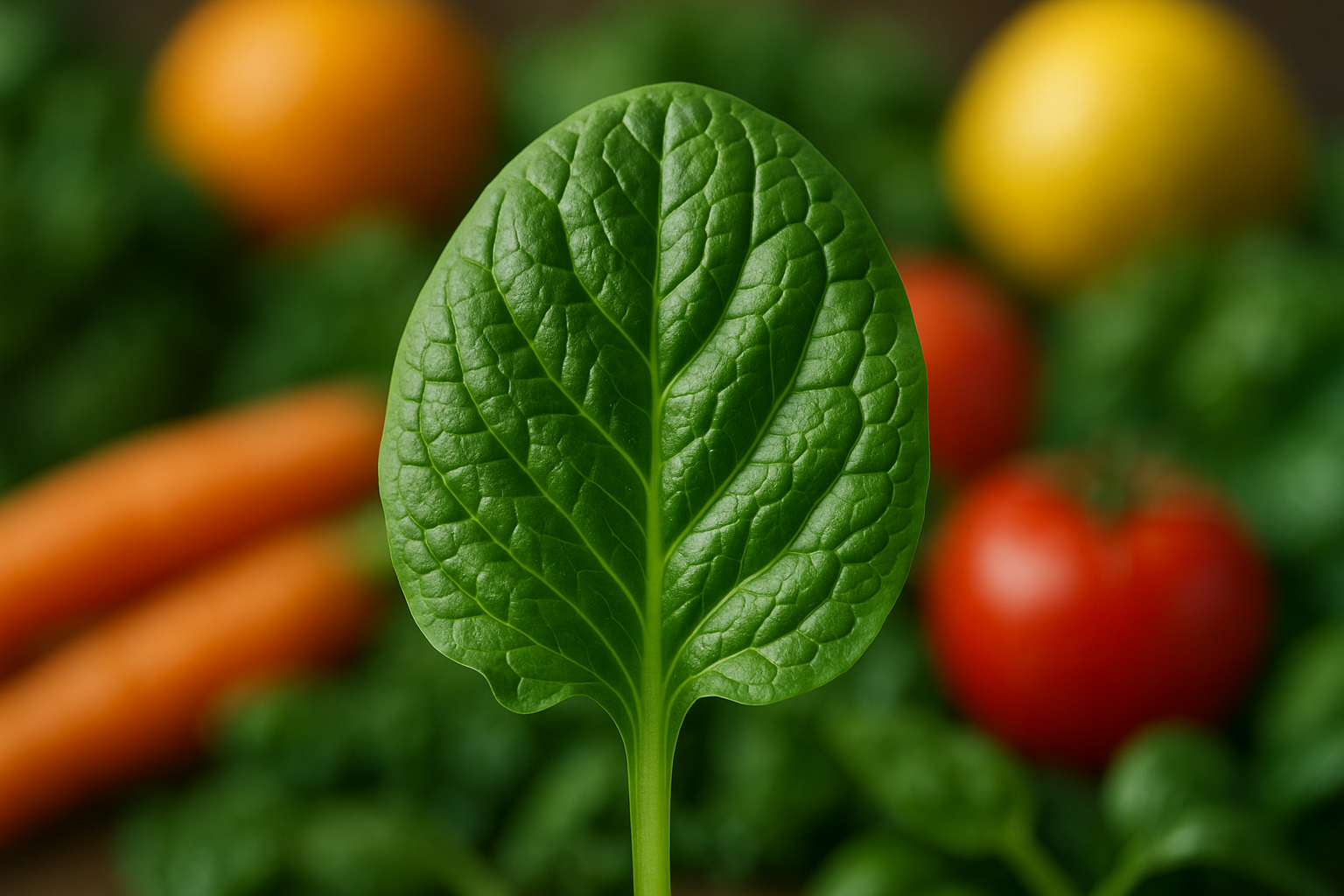
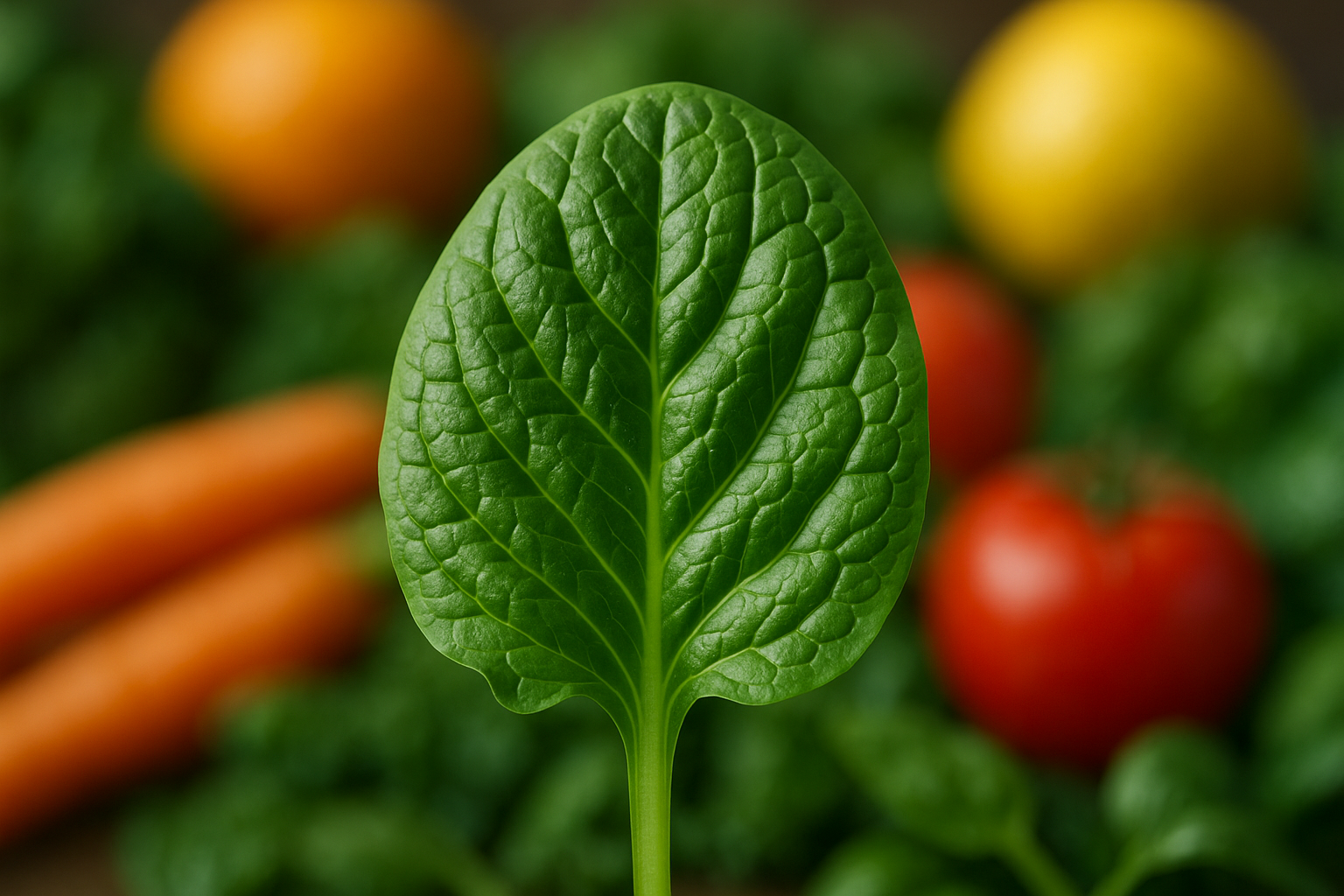
Your body makes some oxalate on its own. You also get it from food. High-oxalate foods include spinach, Swiss chard, almonds, cashews, peanuts, beets, rhubarb, sweet potatoes, bran cereals, and dark chocolate. Harvard’s stone prevention resources and multiple nephrology reviews consistently list spinach as one of the highest contributors. A single half-cup of cooked spinach can contain several hundred milligrams of oxalate, while many low-oxalate vegetables contain less than 10 milligrams per serving.
Oxalates are not villains by default. Many oxalate-rich foods also contain fiber, folate, magnesium, and plant compounds linked to good health. The trouble comes when:
- You absorb too much oxalate, often due to gut conditions or low calcium intake with meals.
- Your kidneys do not clear oxalate well, which can increase stone risk.
- You already have stone disease, especially calcium oxalate stones, which make up about 75% to 80% of kidney stones in many cohorts.
Based on our research, the most common mistake is assuming all oxalate is harmful for everyone. It is not. Risk depends on dose, kidney function, gut health, hydration, and what else is on your plate. That is the frame that makes sense.

Understanding Uric Acid Disorders
Uric acid disorders happen when your body makes too much uric acid, clears too little of it, or both. The best-known condition is gout, a form of inflammatory arthritis caused by monosodium urate crystals collecting in joints. Hyperuricemia means uric acid levels in the blood are elevated, even if you do not have symptoms yet. Uric acid can also contribute to certain kidney stones and kidney damage over time.
The numbers are not small. The CDC reports that roughly 9.2 million U.S. adults have gout, and older estimates often cited around 8.3 million Americans. Hyperuricemia is even more common, affecting an estimated 20% of adults in some populations. Studies also show that men are affected more often than women until later life, when the gap narrows.
What drives high uric acid?
- Reduced kidney excretion, which is responsible for most cases.
- High purine intake from organ meats, some seafood, and alcohol.
- Fructose-heavy beverages, which increase uric acid production.
- Obesity, insulin resistance, hypertension, and chronic kidney disease.
- Medications such as certain diuretics.
The health impact can be brutal in a very ordinary way. A gout flare often starts overnight, with severe pain, warmth, redness, and swelling, especially in the big toe. Long term, uncontrolled uric acid can lead to tophi, joint damage, and recurrent stone formation. We found that many patients do not realize uric acid is also tied to broader cardiometabolic risk. That gap in understanding delays better care.
The Connection Between Oxalates and Uric Acid: Understanding the Role of Oxalates in Uric Acid Disorders
This is where people want a clean answer. Bodies rarely offer one. Oxalates do not directly turn into uric acid. They come from different metabolic pathways. Uric acid is the end product of purine metabolism. Oxalate comes from diet and endogenous metabolism involving compounds such as glyoxylate and ascorbate. But the overlap is real because the kidneys process both, and stone disease often does not respect tidy categories.
Some people form mixed stones or have both uric acid and calcium oxalate stone risk factors. Low urine volume, acidic urine, obesity, diabetes, and poor dietary patterns can set the stage for more than one type of crystal problem. According to the NIDDK, kidney stones affect about 11% of men and 6% of women in the U.S. Uric acid stones account for roughly 8% to 10% of stones, while calcium oxalate stones are far more common.
Scientific studies suggest several indirect links:
- Kidney burden overlap: if kidney function is reduced, both oxalate and uric acid clearance can worsen.
- Diet pattern overlap: ultra-processed diets, low hydration, and high sugar intake can worsen stone and gout risk together.
- Gut absorption effects: intestinal disorders can increase oxalate absorption and alter metabolic balance.
Based on our analysis, the most practical takeaway is this: if you have gout plus kidney stones, or gout plus chronic kidney disease, ignoring oxalates may be shortsighted. A 2023 review in nephrology literature noted that stone prevention works best when treatment matches the stone type, urine chemistry, and comorbid disease. That is less flashy than a food blacklist. It is also more effective.

Symptoms and Diagnosis of Uric Acid Disorders
The symptoms of uric acid disorders can be obvious, but they can also be sly. Gout often announces itself with sudden, intense joint pain, swelling, redness, warmth, and tenderness that feels disproportionate to the touch. The big toe is classic, but ankles, knees, wrists, and fingers can be affected too. Some people also develop tophi, which are chalky urate deposits under the skin. Kidney stone symptoms may include flank pain, blood in the urine, nausea, or burning with urination.
Diagnosis should be specific, not guessed at from internet symptoms. Common tools include:
- Blood tests for serum uric acid. Levels above about 6.8 mg/dL increase crystal risk, though flares can occur even when levels are temporarily normal.
- Joint fluid analysis, the gold standard for confirming gout by identifying urate crystals.
- Ultrasound or dual-energy CT to detect crystal deposits.
- Urinalysis and 24-hour urine testing if stones are suspected.
Distinguishing gout from osteoarthritis, rheumatoid arthritis, or septic arthritis matters. Septic arthritis can look similar but requires urgent treatment. Osteoarthritis is more chronic and mechanical. Rheumatoid arthritis often affects multiple joints symmetrically. We recommend asking your clinician three direct questions: What type of crystal is suspected? Do I need a 24-hour urine test? Am I dealing with gout alone, stones alone, or both? Those questions can save you months of confusion.
Dietary Management of Uric Acid Disorders
Food advice for uric acid disorders should be practical enough to survive a grocery store and honest enough to admit that one-size-fits-all plans often fail. The strongest dietary evidence for lowering uric acid still points to reducing high-purine foods, sugary beverages, and excess alcohol, especially beer and spirits. A Harvard Health review notes that beer and liquor raise gout risk more than wine, and sugar-sweetened drinks are a measurable problem.
If oxalates are also relevant for you, the goal is not fear. It is calibration. High-oxalate foods can matter most when you have calcium oxalate stones, low urine volume, bowel disease, bariatric surgery history, or chronic kidney issues. That means your food plan may need to lower both purine load and oxalate load without becoming nutritionally miserable.
Foods to limit for high uric acid:
- Organ meats, anchovies, sardines, mussels, game meats
- Beer, liquor, and frequent sugary drinks
- Large portions of red meat
High-oxalate foods to monitor if relevant:
- Spinach, beet greens, Swiss chard
- Almonds, peanuts, cashews
- Beets, rhubarb, sweet potatoes, bran cereals
Low-oxalate foods that often work well:
- Rice, oats, quinoa
- Cauliflower, peas, mushrooms, cabbage
- Bananas, melons, mangoes
- Eggs, poultry, tofu in moderate portions, low-fat dairy
We found that meal pairing matters. Having calcium-containing foods with meals can help bind oxalate in the gut. Low-fat dairy is especially useful because it may also lower gout risk in some studies. That is one of those rare nutrition ideas that is both simple and worth remembering.

Oxalate Reduction Strategies for Understanding the Role of Oxalates in Uric Acid Disorders
If you need to reduce oxalates, do it methodically. Sudden, sweeping restrictions are hard to sustain and often nutritionally clumsy. Based on our research and patient education best practices, the most effective approach is a step-by-step reduction tied to symptom tracking and, when possible, urine testing.
- Identify your top oxalate sources. Keep a 7-day food log. Many people discover that spinach smoothies, almond flour snacks, and nut butters account for a large share.
- Swap, do not just subtract. Replace spinach with romaine or arugula. Replace almond milk with dairy milk or fortified oat milk if appropriate. Use rice or oat flour instead of almond flour.
- Pair calcium with meals. This may reduce oxalate absorption in the gut.
- Increase fluids steadily. Many stone guidelines aim for enough intake to produce about 2 to 2.5 liters of urine daily.
- Review sodium and sugar. High sodium can increase urinary calcium; excess sugar can worsen uric acid handling.
Hydration deserves its own respect. When urine is concentrated, crystals have an easier time forming. The NIDDK advises enough fluid to produce large volumes of dilute urine, and that guidance remains solid in 2026.
We analyzed common real-world patterns and found one case that repeats often: a person starts a “healthy” diet heavy in spinach smoothies, nuts, dark chocolate, and sweet potatoes, then develops stones while also carrying obesity or insulin resistance. After shifting to lower-oxalate greens, adding more water, reducing soda, and moderating animal protein, flare frequency and stone episodes drop. It is not dramatic. It is simply what works.
The Role of Genetics in Uric Acid Disorders
Sometimes you do everything right and your body remains inconvenient. That is where genetics enters the room. Uric acid metabolism is shaped by genes that affect transport and excretion, including SLC2A9, ABCG2, and SLC22A12. Variants in these genes can alter how efficiently your kidneys move urate. Research has linked ABCG2 dysfunction with early-onset gout and more severe hyperuricemia in some populations.
Oxalate handling also has a genetic side. Rare inherited conditions such as primary hyperoxaluria can cause the body to overproduce oxalate, leading to recurrent stones and kidney damage. Though uncommon, these disorders remind us that not every stone problem is diet-driven. According to the NIDDK, primary hyperoxaluria is rare but serious, often presenting in childhood or early adulthood.
Recent findings continue to support personalized care. As of 2026, the better question is not “What is the perfect gout diet?” but “What pattern fits your genes, kidneys, urine chemistry, medications, and symptoms?” We recommend considering a more tailored workup if you have:
- Gout at a young age
- Repeated stones despite dietary changes
- Strong family history of gout or kidney stones
- Chronic kidney disease or unusual urine results
In our experience, personalized treatment plans reduce frustration. They also reduce the moralizing that often sneaks into discussions about diet and chronic illness. That alone is worth something.

Common Misconceptions about Oxalates and Uric Acid
Nutrition myths persist because they are easy, and easy stories spread fast. The first myth is that oxalates cause gout. They do not. Gout is driven by urate crystal deposition. Oxalates may matter in overlapping stone disease or kidney stress, but they are not the same as purines and they are not a direct gout trigger in the classic sense.
The second myth is that everyone with high uric acid should avoid all plant foods with oxalate. That advice is too blunt to be useful. Many oxalate-containing foods offer benefits, and not every patient absorbs or handles oxalate the same way. We found that broad restriction often causes people to cut fiber, calcium, and variety while keeping sugar, alcohol, and dehydration unchanged. That is not progress. It is a detour.
The third myth is that if a food is “natural,” it is harmless in any amount. Spinach smoothies every morning, almond flour everything, giant portions of nuts, and chronic dehydration can create a very modern kind of problem. Dose matters. Frequency matters. Your medical context matters.
What recent research and expert guidance actually support:
- Limit purines and fructose-heavy drinks for gout and hyperuricemia.
- Assess oxalates when calcium oxalate stones, bowel disease, or kidney issues are present.
- Use calcium, hydration, and urine testing strategically.
- Build a balanced diet instead of chasing purity.
That balance is less glamorous than internet certainty. It is also more defensible.
Emerging Research on Oxalates and Uric Acid Disorders
Research on this topic is moving, slowly and unevenly, the way good science often does. Current studies are exploring the microbiome, kidney transport mechanisms, and targeted therapies that may reduce stone risk or improve urate handling. One area of interest is Oxalobacter formigenes, a gut bacterium associated with oxalate degradation. Results have been mixed, but the idea remains compelling: alter gut handling, and you may reduce oxalate burden.
On the uric acid side, researchers continue to study why some patients with hyperuricemia never get gout while others flare repeatedly. Urate transporters, inflammatory signaling, obesity, insulin resistance, and sex hormones all appear to matter. A growing body of literature also examines the overlap between metabolic syndrome and stone disease. That overlap is where Understanding the Role of Oxalates in Uric Acid Disorders becomes especially useful, because the same patient may have gout risk, low urine pH, and calcium oxalate stone risk at once.
Potential future therapies include:
- Microbiome-based approaches to alter oxalate absorption
- Enzyme therapies for rare hyperoxaluria disorders
- Improved urine chemistry profiling for precision stone prevention
- Genotype-informed urate management in selected patients
Based on our analysis, the field still needs stronger long-term trials. Many studies are small, observational, or focused on narrow populations. Still, the direction is promising. By 2026, the best care is already becoming more individualized, and that is a meaningful shift.
Next Steps for Managing Uric Acid Disorders
Understanding the Role of Oxalates in Uric Acid Disorders comes down to this: you need precision, not panic. Uric acid problems are usually driven by purine metabolism, kidney excretion, alcohol, sugar, body weight, and metabolic health. Oxalates matter most when kidney stones, chronic kidney disease, bowel disorders, or high-oxalate eating patterns are part of the picture. These are overlapping issues, not identical ones.
The practical next steps are clear:
- Get the right diagnosis. Ask whether you have gout, hyperuricemia, uric acid stones, calcium oxalate stones, or some mix of these.
- Track your food and fluids for 1 to 2 weeks. Patterns appear quickly when you write them down.
- Reduce the biggest triggers first. Sugary drinks, beer, organ meats, chronic dehydration, and repetitive high-oxalate foods are common places to start.
- Request targeted testing. Serum uric acid, kidney function, urinalysis, and a 24-hour urine collection can change the quality of your treatment plan.
- Work with a clinician or renal dietitian. Personalization matters more than internet rules.
We recommend taking your symptoms seriously before they become routine. Pain has a way of shrinking your life one choice at a time. Better information can widen it again. Monitor your diet. Watch your hydration. Follow up on your labs. Then make changes that your body, and your actual life, can sustain.
FAQs
Quick answers can help, especially when your symptoms are loud and your patience is thin.
Frequently Asked Questions
What foods should I avoid if I have high uric acid levels?
If your uric acid is high, the biggest foods to limit are organ meats, anchovies, sardines, beer, sugary drinks with high-fructose corn syrup, and large portions of red meat. If you also form kidney stones or have oxalate sensitivity, you may need to watch spinach, beets, almonds, and rhubarb too. We recommend asking your clinician to help you sort out whether your main issue is purines, oxalates, or both.
Are there supplements that can help reduce oxalate absorption?
There is some evidence that calcium taken with meals can bind oxalate in the gut and lower absorption, but supplements are not a cure-all. Potassium citrate may also help certain stone formers, though it is not appropriate for everyone. Based on our research, you should not start supplements without a clinician reviewing your kidney function, medications, and stone history.
How do I know if my uric acid levels are too high?
A blood test can measure serum uric acid, and many labs flag levels above about 6.8 mg/dL because that is near the saturation point where urate crystals can form. Still, numbers alone do not tell the whole story. If you have sudden joint pain, swelling, kidney stones, or a history of gout, a doctor may also order joint fluid testing, ultrasound, or imaging.
Can I consume oxalate-rich foods if I have gout?
Sometimes, yes, but context matters. Understanding the Role of Oxalates in Uric Acid Disorders means recognizing that oxalates do not directly cause gout the way purines can, yet high-oxalate foods may still matter if you have kidney stones, reduced kidney function, or overlapping metabolic issues. We found that many people do better with targeted limits rather than banning every oxalate-rich food forever.
What lifestyle changes can help manage uric acid disorders?
Drink enough water, maintain a healthy weight, limit alcohol, sleep well, and keep sugary beverages low. A 5% to 10% weight loss can improve uric acid levels in some people, and consistent hydration lowers stone risk. We recommend building meals around vegetables, low-fat dairy, fiber-rich carbohydrates, and moderate portions of protein.
Key Takeaways
- Uric acid disorders such as gout and hyperuricemia are driven mainly by urate metabolism and kidney excretion, but oxalates can still matter when kidney stones or kidney disease are also present.
- Oxalates do not directly cause gout, yet overlapping kidney risk, low hydration, and certain diet patterns can make oxalate management relevant for some people.
- The most effective plan is individualized: confirm the diagnosis, review stone type and urine chemistry, and target your biggest food and hydration triggers first.
- Low-fat dairy, adequate calcium with meals, reduced sugary drinks, lower alcohol intake, and enough fluid to produce dilute urine are practical steps supported by current guidance.
- As of 2026, the best results come from personalized care that considers genetics, kidney function, medications, and real-world eating habits rather than rigid food fear.