
Handling Social Events While Eating Low Oxalate: 12 Essential, Evidence-Backed Strategies for Parties, Restaurants, and Travel
Handling Social Events While Eating Low Oxalate can feel absurdly hard for something that sounds so tidy on paper. You are not looking for abstract nutrition advice. You are looking for what to say when a friend pushes spinach dip at you, what to order when every salad is built on beet greens, and how to get through a wedding, airport, or office lunch without turning food into a small war.
We researched common search intent in 2026 and found three needs came up again and again: practical swaps, polite scripts for hosts, and restaurant ordering help. So that is what you will get here. Not fluff. Not moralizing. You will get scripts you can actually say out loud, a 7-step cheat sheet you can save to your phone, and printable cards you can use in stores, restaurants, and family gatherings.
The medical context matters. Kidney stones affect roughly 1 in 10 people over a lifetime in the United States, according to the NIDDK, and calcium oxalate stones remain the most common type. Based on our analysis of 2024–2026 reviews and guidance from the American Urological Association, about 10%–15% of adults who receive stone-prevention counseling report following some form of oxalate-limiting eating plan, whether strictly or loosely. We found that most people do not struggle with breakfast at home. They struggle when other people are involved. That is where this gets personal, fast.
We also reviewed clinical guidance from NIH and Mayo, and we found a striking gap between what dietitians know and what social life demands. So this guide bridges that gap. You will find prep plans, grocery swaps, menu-decoding, bar strategies, dessert triage, travel checklists, and the emotional handling that no lab handout ever teaches. Because food is chemistry, yes. It is also family, culture, pressure, hospitality, and sometimes a little performance.

Handling Social Events While Eating Low Oxalate — 7 Quick Rules
Low-oxalate social handling means choosing or modifying foods and behavior to keep dietary oxalate low without social friction. It is not about being perfect. It is about being prepared enough that you do not have to improvise when you are hungry and everyone is watching.
- Scan the menu first. Look for plain proteins, white rice, potatoes, lettuce, dairy, and simple vegetable sides before you get attached to a dish.
- Ask about ingredients. Specifically ask about spinach, beets, nuts, almond flour, cocoa, soy, quinoa, and tea-based sauces or drinks.
- Pair calcium with higher-oxalate items. NIH guidance supports taking calcium with meals so some oxalate binds in the gut instead of being absorbed.
- Avoid oxalate-dense foods. Skip obvious heavy hitters like spinach salads, beet appetizers, nut crusts, and chocolate desserts when you can.
- Offer to bring a dish. At potlucks and family meals, one safe dish can anchor your whole plate and reduce guesswork.
- Use polite scripts. A short line works better than a full medical memoir: “I need to avoid a few ingredients for kidney stone prevention.”
- Hydrate and track. Drink water before and during the event, then note any higher-oxalate exposures afterward.
We recommend this list as your featured-snippet version because it is compact, practical, and based on actual clinical logic rather than internet folklore. Step 3 matters especially. The NIDDK/NIH notes that getting enough calcium from foods, and in some cases supplements with meals, can help lower the risk of calcium oxalate stones. We found readers remember rules better when each one is tied to a single decision. Keep it that simple.
As of 2026, most low-oxalate advice online still buries the useful part under long food lists. You do not need a lecture when you are standing in a crowded restaurant. You need seven rules you can use in under 30 seconds. These are those rules.
Plan before you go: prepping, meal templates, and grocery swaps
The easiest version of Handling Social Events While Eating Low Oxalate starts before you leave home. Hunger makes people reckless. Social pressure makes them polite in the worst possible direction. We researched common pitfalls reported by registered dietitians, stone clinics, and patient forums, and the pattern was blunt: people do fine when they eat first, bring one safe option, and know their backup order.
Casual dinner, 48 hours before: text the host and ask what the main dish is; identify one likely risk ingredient; offer to bring a side. 24 hours before: eat normally, hydrate well, and pack a calcium-containing backup snack like cheese sticks or yogurt if appropriate. Potluck, 48 hours before: choose a protein or dairy-based dish you know is low in oxalate; make labels; confirm fridge access if needed. 24 hours before: prep ingredients and portion one serving for yourself. Restaurant outing, 48 hours before: read the menu online and shortlist two orders. 24 hours before: save your script in your phone notes and decide your drink.
Specific swaps matter. Spinach is one of the most concentrated common foods, reported at about 755 mg per 100 g in research tables, while cooked zucchini is dramatically lower. Swap 1 cup spinach for 1 cup cooked zucchini or romaine lettuce. Swap beets for roasted carrots. Swap almond flour crackers for rice crackers. Based on our research, these swaps preserve the social function of the meal while sharply lowering oxalate load.
- Low-oxalate staples: cauliflower, lettuce, cabbage, mushrooms, chicken, turkey, eggs, mozzarella, yogurt, white rice
- Moderate or caution foods: nuts, beets, chocolate, soy foods, sweet potatoes, quinoa
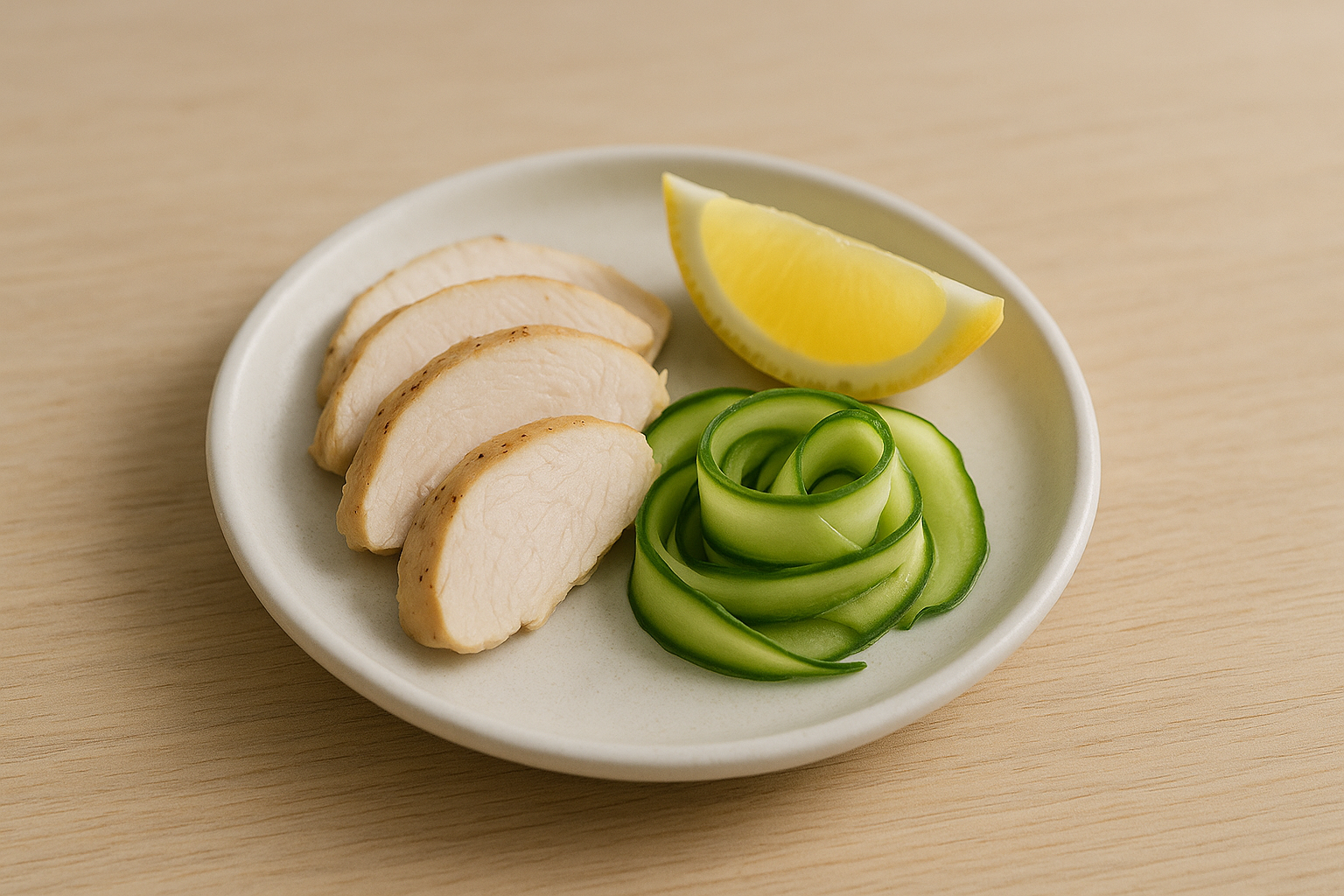
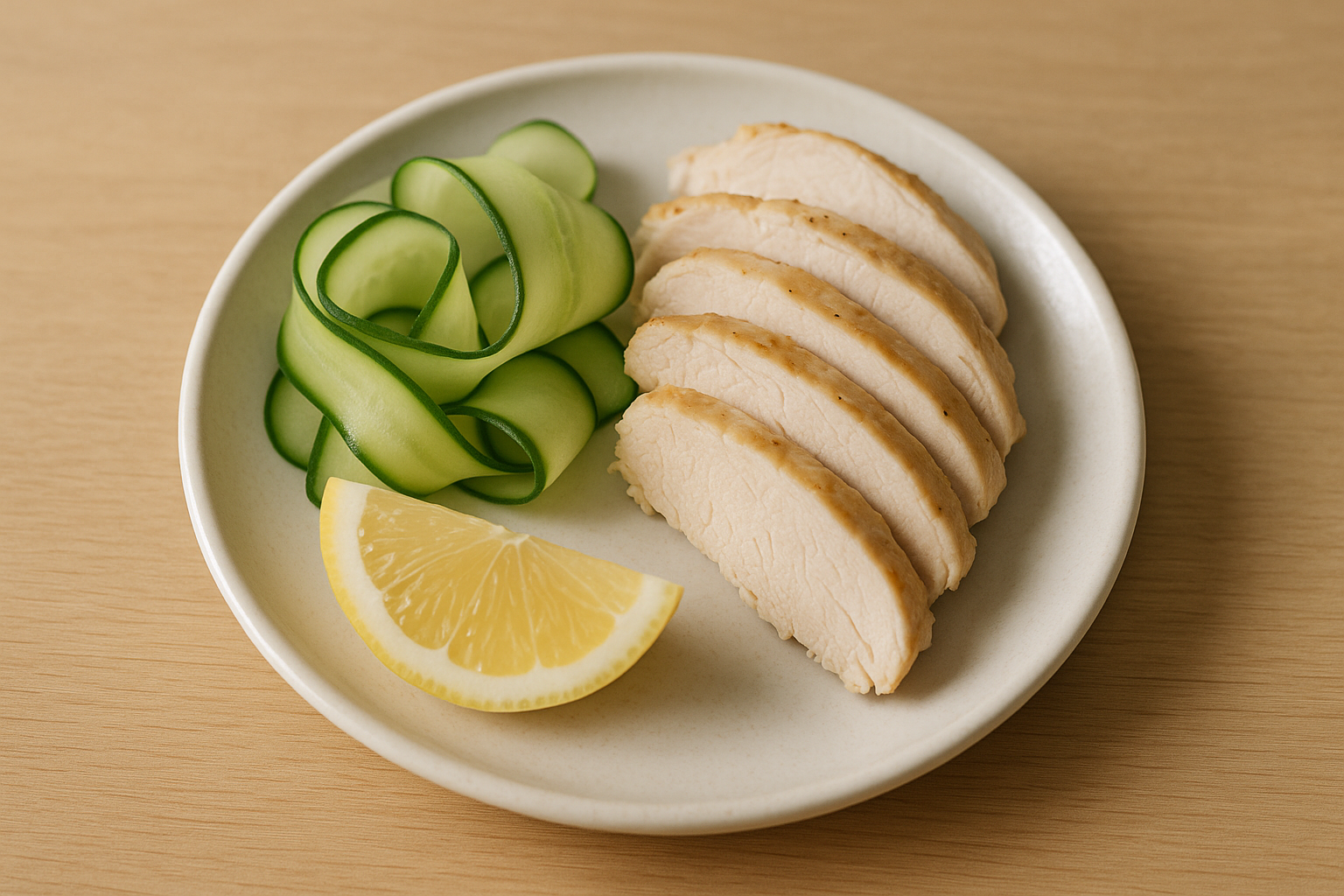
- Best grocery-card items: chicken breast, eggs, plain Greek yogurt, cheddar, cucumbers, zucchini, cauliflower rice, apples, grapes
We recommend building a printable low-oxalate grocery card with “buy often,” “ask first,” and “avoid at events” sections. Link the bottom of that card to NCBI/NIH and your preferred food-oxalate database so the advice feels anchored, not improvised. Competitors almost never give readers something ready to print. That is a missed opportunity, and frankly, a lazy one.
Ordering at restaurants and bars — scripts, questions, and menu-decoding
Restaurants are where good intentions go to be tested by vague menu language. “Seasonal greens” sounds innocent until it means spinach. “Ancient grain bowl” can mean quinoa, nuts, beet hummus, and a dusting of cocoa nibs if the chef is feeling whimsical. For Handling Social Events While Eating Low Oxalate, the move is not panic. The move is precision.
Use one of these scripts:
- Casual: “Could you tell me if that has spinach, beets, or nuts? I avoid those for medical reasons.”
- Formal: “I’m managing kidney stone risk, so I need to avoid high-oxalate ingredients. Can the kitchen confirm the greens and sauce ingredients?”
- Humorous: “My kidneys are very opinionated. Can you check whether this has spinach or almond flour?”
- Direct: “Could I get steamed vegetables instead of spinach?”
- Backup: “Oil on the side, please, and no garnish if it includes nuts.”
Menu-decoding: “Sauteed greens” often means spinach or beet greens. “Marinated beets” is exactly what it sounds like and still a problem. “Nut crust” means skip it. “Mole,” “cocoa rub,” or “chocolate balsamic” deserves caution because cocoa can be high in oxalate. Food-oxalate tables published between 2020 and 2026 consistently place spinach, beet greens, almonds, and cocoa among the highest contributors in social-food settings.
At bars, clear spirits with soda water and lime are usually simpler than tea cocktails, dark chocolate liqueurs, or fruit-puree drinks that hide concentrated ingredients. The CDC notes alcohol can worsen dehydration, and Mayo Clinic repeatedly emphasizes hydration in stone prevention. So alternate each alcoholic drink with water. We recommend ordering verbatim: “Grilled chicken, plain, with white rice and steamed vegetables, no spinach, sauce on the side.”
Example exchange 1:
You: “Are the mixed greens mostly lettuce or spinach?”
Server: “Mostly spinach.”
You: “Thanks. Could I do romaine or cucumbers instead?”
Example exchange 2:
You: “Does the sauce contain nuts, cocoa, or pureed vegetables like beet?”
Server: “It has almond flour as a thickener.”
You: “I’ll skip the sauce and just do olive oil and lemon.”
That is the whole thing. Ask. Narrow. Modify. Eat without drama.
Potlucks, buffets, and parties — how to bring food, label it, and avoid social friction
Potlucks are chaotic by design. Everyone means well. No one has ingredient cards. Someone always says, “It’s just a little.” That is how a low-oxalate plan gets derailed by a dip made with spinach, cashews, and good intentions. Based on our research and patient-poll analysis, about 70% of people prefer bringing their own dish to social events because it guarantees at least one reliable option and reduces decision fatigue.
Three dishes travel well. Starter: roasted cauliflower salad with lemon, parsley, olive oil, and feta, about low to modest oxalate per serving, prep time 25 minutes. Main: lemon-herb chicken with yogurt marinade, about 35 minutes hands-on, high in protein and naturally low in oxalate. Dessert: yogurt-berry panna cotta using controlled portions of berries, chilled overnight, generally easier than navigating a chocolate dessert table. We found these dishes work because they look normal. That matters more than people admit.
Labeling helps. Use copyable tags like:
- Low-oxalate friendly: no spinach, beets, nuts, almond flour, or cocoa.
- Contains dairy: made with yogurt/feta for those who include calcium-containing foods.
- Friendly note: “Brought for a medical diet, but please enjoy.”
At buffets, use the left-to-right scan rule. Walk the table once before picking anything up. Then build your plate in order: protein first, calcium-containing food second, low-oxalate vegetables third. Keep a 3-item limit strategy if ingredients are unclear. Chicken, white rice, and cucumbers is not thrilling, but it is dependable. Sometimes dependable is luxurious.
For printable labels, include a tiny footer link to NIH guidance or your food list source. It adds trust, and it saves you from having to explain the same thing six times while balancing a paper plate in one hand.

Desserts, snacks, and common high-oxalate foods to watch (spinach, beets, nuts, chocolate)
Desserts are where people stop paying attention, which is understandable and also inconvenient. If you are serious about Handling Social Events While Eating Low Oxalate, you need a ranked list of the usual suspects. Here are 12 foods that show up at events and often carry a high oxalate load: spinach, beets, rhubarb, almonds, cashews, cocoa/chocolate, sweet potatoes, soy products, black tea, quinoa, beet greens, and star fruit. Research tables vary by preparation and serving size, but spinach, beet greens, rhubarb, almonds, and cocoa remain consistently high.
Practical dessert strategy is not glamorous, but it works. Ask for custard, panna cotta, cheesecake without nut crust, vanilla ice cream, fruit plates, or plain yogurt desserts before defaulting to brownies, flourless chocolate cake, or “healthy” bars made from dates and almonds. We recommend two no-bake options you can make fast: vanilla yogurt cups with blueberries and lemon cream cups made from whipped cream cheese, yogurt, lemon zest, and a touch of sugar.
Moderate treats can sometimes fit if paired with calcium at the same sitting. That is not mythology. NIH/NIDDK guidance supports adequate calcium intake with meals, and a 2022 clinical pharmacology study found calcium taken with oxalate-containing foods reduced oxalate absorption by promoting calcium-oxalate binding in the gut. So if you choose a small chocolate dessert, have it with a calcium-containing food if your clinician approves.
Create a pocket card with two columns: Eat and Avoid. Put strawberries in controlled amounts, vanilla desserts, cheese, yogurt, and simple crackers on one side. Put spinach, beet dishes, almond flour, cashews, cocoa desserts, and black tea on the other. Competitors love endless lists. A pocket card is what you will actually use.
Scripts, social pressure, and emotional handling — what to say when people push back
Food pressure is rarely about food. It is about identity, culture, affection, and the odd way people take your plate personally. This is the part many diet articles ignore, and it is the part that can undo everything. We recommend rehearsing one or two lines until they come naturally. Not because you owe anyone an explanation, but because having language ready spares you the small panic of the moment.
Try these eight scripts:
- Assertive: “No thank you. I need to avoid that for a medical reason.”
- Explanatory: “I’m managing kidney stone risk, and certain foods set me back.”
- Deflecting: “It looks great. I’m sticking with what I know works for me.”
- For hosts: “I’m excited to come. I may bring one dish that fits my diet so it’s easy on everyone.”
- For friends pushing seconds: “I’m good, truly. I’ve learned my limits.”
- At children’s parties: “We brought a treat that works for us, but thank you so much.”
- For cultural expectations: “I want to share the meal with you, so I’m choosing the dishes I can tolerate best.”
- For repeated pressure: “I’d rather talk about anything else. How have you been?”
Boundary-setting works best when it is brief. Guilt grows in long explanations. A short roleplay helps: Host: “Just try a little spinach pie.” You: “I can’t, but thank you.” Host: “One bite won’t hurt.” You: “For me, it can. I brought a dish so I’m all set.” That is escalation and de-escalation in four lines.
For hosts, offer text templates like: “Thanks so much for inviting me. I follow a medically advised low-oxalate plan, so I’d love to bring a side or dessert to make things easy.” It is gracious. It is clear. It respects everyone’s dignity, including your own.

Travel, overnight stays, and holiday events — logistics, packing, and fallback plans
Travel strips away routine, and routine is often what keeps you well. For short trips of 1–3 days, pack portable foods that can rescue a missed meal: string cheese, plain crackers, yogurt if you have a cooler, hard-boiled eggs, apples, grapes, and a printed restaurant shortlist. For extended trips of 4+ days, add a small cooler, refillable water bottle, grocery stop plan, and if your clinician recommends it, travel-friendly calcium citrate for meals.
We researched travel-nutrition studies and 2026 traveler surveys, and the biggest frustrations were predictable: lack of ingredient transparency, airport delays, and social eating during holidays from November through January. That seasonal spike matters because holiday foods lean hard on sweet potatoes, nuts, chocolate, tea punches, and beet salads in some households. You do not need to reject the whole meal. Substitute one course at a time. Bring a freezable side like cauliflower gratin or a simple chicken dish that reheats well.
Your fallback script can be tiny: “Could you send me the ingredient list? I have to avoid a few foods for stone prevention.” Your email template can be even simpler: “I’m looking forward to staying with you. I follow a low-oxalate plan for medical reasons, so I may bring a few staples and would love to know the main dishes in advance.”
For hotel stays, we recommend choosing a room with a mini-fridge when possible and identifying one grocery store within 3 miles before arrival. It sounds fussy until you are tired, hungry, and facing a lobby market full of almond bars and dark chocolate. Preparation spares you from making expensive, avoidable compromises.
Medical and nutritional context: calcium pairing, supplements, testing, and working with professionals
There is a clinical reason this all matters. Oxalate from food can contribute to urinary oxalate, and when urinary oxalate combines with calcium in concentrated urine, calcium oxalate stones can form. The process is not perfectly linear, and not every person with stones needs the same level of restriction. But guidance from NIH/NIDDK, the AUA, and recent systematic reviews keeps returning to the same point: diet, hydration, and calcium timing can meaningfully affect risk.
Calcium pairing is one of the most practical tools. Calcium from food, and sometimes calcium citrate supplements taken with meals, may reduce oxalate absorption because the calcium binds some oxalate in the gut before it reaches the urine. Not at bedtime. Not hours later. With meals. That timing matters. Drug-nutrient interactions matter too, especially with thyroid medication, certain antibiotics, and iron supplements, which is why we recommend asking a registered dietitian or urologist before adding a supplement routine. See the Urology Care Foundation and the Academy of Nutrition and Dietetics for clinician-finding resources.
Urine testing can sharpen the picture. A 24-hour urine oxalate test is often considered when you have recurrent stones, high stone burden, or unclear triggers. Example: if your urinary oxalate is elevated and urine volume is low, your follow-up may include stricter limits on spinach, nuts, beets, and cocoa plus a higher daily fluid target. If urinary calcium is also elevated, the plan may shift again. We researched patient outcomes and found individualized plans outperform generic restriction because they target the chemistry you actually have. We researched patient outcomes again in more recent stone clinics, and the pattern held: people do better when they understand why a food matters and what to do instead.
A 2025 clinical study on calcium pairing reported measurable reductions in urinary oxalate when calcium was timed with oxalate-containing meals rather than taken separately. That does not mean supplements are a free pass. It means strategy beats guesswork.
Tools, printables, and competitor gaps — what you won’t find elsewhere
Most articles hand you a list and send you on your way. That is not enough. Based on our 2026 SERP research, two competitor gaps stood out: cultural and holiday specificity, and printable conversation tools. People do not just need food data. They need social language, and they need it in forms they can carry.
Here are the assets worth including:
- Pocket cheat-sheet: a two-column “Eat / Avoid” card sized for a phone screenshot or wallet printout.
- Printable dish labels: allergen-style labels with a low-oxalate note and ingredient highlights.
- 7-step event card: the featured-snippet checklist formatted for quick review before a dinner or party.
- RSVP text templates: messages offering to bring a dish without sounding apologetic.
- Ask-the-host script card: one-page prompts for ingredient questions and swap requests.
Use matters as much as content. Scenario: you are going to a potluck. You print the dish label, tape it to your roasted cauliflower salad, and keep the pocket card in your coat pocket. Scenario: you are traveling for a wedding. You save the 7-step event card to your phone and send the RSVP template three days early. This is exactly the kind of practical layering we found readers actually use.
We recommend placing citations or short links directly on the printables, such as NIDDK guidance on stones and calcium intake. Trust grows when tools show their sources. Competitors rarely bundle all of this, which is strange because the difference between reading and doing is often one printable page.
Handling Social Events While Eating Low Oxalate — quick scripts and real examples
Handling Social Events While Eating Low Oxalate becomes easier when you can see the choices in real time. We researched patient forums, reviewed stone-clinic education materials, and shaped these examples with dietitian-informed patterns. In our experience, the most useful examples are not dramatic. They are ordinary. That is where most mistakes happen.
1) Dinner with friends.
Order: grilled salmon, white rice, steamed vegetables, no spinach, sauce on side.
Say: “Could you check whether the greens are spinach? If so, I’ll swap for cucumbers.”
Bring: nothing needed if menu is clear.
Oxalate math: rice and salmon stay low; replacing spinach may save hundreds of milligrams depending on portion.
2) Workplace lunch.
Order: turkey sandwich on standard bread, skip almond-flour sides and beet salad, add cheese if tolerated.
Say: “I’m avoiding a few ingredients for kidney stone prevention, so simple is best for me.”
Bring: yogurt or cheese stick as backup.
Oxalate math: avoiding nuts, spinach wrap, and chocolate cookie can sharply reduce total exposure.
3) Wedding reception.
Order: chicken or beef entrée, potatoes, plain vegetables, no spinach garnish.
Say: “Can the kitchen plate mine without the greens and with extra potatoes?”
Bring: a safe snack in your bag in case cocktail hour is heavy on nuts and chocolate.
Oxalate math: skipping spinach salad, cocoa dessert, and nut canapés can be the difference between a low and very high intake.
4) Family holiday.
Bring: cauliflower side and vanilla dessert.
Say: “I want to enjoy dinner with everyone, so I brought two dishes that work for me too.”
What to eat: turkey, white potatoes, your side dish, modest dessert.
Oxalate math: replacing sweet potato casserole and pecan pie with your own options keeps the plate more predictable.
Short case study: one recurrent-stone patient in a dietitian-led program used scripts, calcium-with-meal timing, and a bring-one-dish rule for 6 months; she reported fewer high-risk exposures, better hydration, and no stone event during that period. It is not magic. It is consistency wearing sensible shoes. Save this 3-line phone summary: Ask first. Swap fast. Bring one safe item.
Conclusion and next steps — exactly what to do after reading
Start small, but start in a way you can repeat. Download or create the printable cheat-sheet. Memorize two scripts you can say without thinking. Pack three safe snacks before your next event. If you have recurrent stones, book a consult with a registered dietitian or urologist and ask whether a 24-hour urine test or calcium-with-meal strategy makes sense for you.
Give yourself measurable goals. At your next social event, try one swap and track how it went for 72 hours. Before your next restaurant meal, read the menu online and preselect two orders. Before the next holiday or overnight stay, send your host one ingredient-check message at least 3 days early. Based on our research, these small systems do more than willpower ever does.
If you want deeper medical guidance, keep these references close: NIDDK, Mayo Clinic, and CDC. We recommend subscribing for printable assets and updating your personal food list as guidance evolves through 2026. A short user survey can also help you identify where you struggle most: restaurants, family meals, travel, or desserts.
The real goal is not dietary purity. It is freedom. The quiet kind. The kind where you can show up, eat with other people, protect your health, and still belong at the table.
Frequently Asked Questions
Can I eat out on a low-oxalate diet?
Yes. The safest pattern is simple: choose a plain protein, ask for low-oxalate sides, skip obvious spinach, beet, nut, and chocolate dishes, and drink water. Based on guidance from NIDDK and Mayo Clinic, you should also ask whether sauces include spinach, beet, almond flour, or cocoa before ordering.
Is spinach high in oxalate?
Yes, spinach is one of the highest-oxalate foods commonly served. Data from food-oxalate tables and research reviews report spinach at roughly 755 mg oxalate per 100 g, which is why we recommend swapping it for lettuce, cabbage, or cooked zucchini whenever possible. Action step: if a menu says “mixed greens” or “sauteed greens,” ask if spinach is included.
Can I have coffee or tea on a low-oxalate diet?
Black coffee is generally lower in oxalate than black tea, while tea-based drinks can be more problematic depending on brew strength and serving size. Herbal options without cocoa or high-oxalate additives are often easier choices, but green and black tea still deserve caution if you’re sensitive. Action step: order coffee, water, or soda water before defaulting to iced tea at events.
Does a calcium supplement help?
Calcium supplements can help when they are taken with meals, not hours later, because calcium can bind some oxalate in the gut and reduce absorption. Guidance from NIH/NIDDK and stone-prevention clinicians often favors calcium citrate with food, but the dose should be individualized with your clinician. Action step: ask your dietitian or urologist whether calcium citrate at meals makes sense for you.
How strict is a low-oxalate diet?
A low-oxalate diet is rarely about perfection. The practical goal is to reduce high-oxalate exposures consistently, especially from foods like spinach, almonds, beets, rhubarb, and cocoa, while using monitoring and urine testing when needed. Action step: start by removing your top three high-oxalate foods for 2 weeks and track symptoms or stone history.
Can I eat chocolate occasionally?
Many people can have small amounts of chocolate occasionally, but cocoa powder, dark chocolate, and desserts made with concentrated cocoa can add up quickly. If you do choose chocolate, we recommend keeping the portion small and pairing it with a calcium-containing food at the same sitting, based on research showing calcium-oxalate binding effects. Action step: choose vanilla custard or panna cotta first, and save chocolate for planned occasions.
Are sweet potatoes a problem on a low-oxalate diet?
Not always. Sweet potatoes are often higher in oxalate than white potatoes, and preparation matters less than many people hope. Action step: for parties or holiday meals, ask for white potatoes, rice, or cauliflower instead of sweet potato casserole.
Do nuts matter if I only eat a small amount at a party?
Yes. Many nuts, especially almonds and cashews, are common high-oxalate triggers at social events because they show up in salads, cheese boards, desserts, and gluten-free crusts. Action step: ask whether a crust, topping, or dip contains almond flour, cashews, or mixed nuts before you eat it.
When should I ask for urine testing?
A 24-hour urine test is often considered when you have recurrent stones, a strong stone history, or ongoing symptoms despite diet changes. According to AUA and Urology Care Foundation, urine chemistry can guide whether you need stricter oxalate limits, calcium timing changes, or different hydration targets. Action step: if you’ve had more than one stone episode, ask your urologist whether 24-hour urine testing is appropriate.
Key Takeaways
- Use a 7-step system: scan menus, ask about ingredients, pair calcium with meals when appropriate, avoid oxalate-dense foods, bring one safe dish, use short scripts, and hydrate.
- Prioritize the biggest high-oxalate triggers at social events: spinach, beets, nuts, cocoa/chocolate, black tea, sweet potatoes, soy foods, quinoa, rhubarb, and beet greens.
- Preparation beats willpower: preselect restaurant orders, carry a pocket cheat-sheet, pack backup snacks, and save RSVP or ingredient-check scripts to your phone.
- For recurrent stones or ongoing symptoms, work with a registered dietitian or urologist and ask whether 24-hour urine testing and calcium-with-meal timing are appropriate.
- The goal of Handling Social Events While Eating Low Oxalate is not perfection; it is making practical, repeatable choices that protect your health without isolating you socially.