

How Oxalates May Affect Mood and Mental Health: 11 Expert Insights for 2026
You may have arrived here because your mood feels off, your body feels louder than it should, and the usual advice has not helped enough. How Oxalates May Affect Mood and Mental Health is getting more attention for exactly that reason. People are asking whether foods praised as healthy—spinach smoothies, almond flour crackers, dark chocolate, sweet potatoes—might, for some bodies, come with a cost.
Oxalates are natural compounds found in many plant foods. Most people handle them without major trouble. But some do not. Based on our research, the concern is not only kidney stones, though that is the best-known issue. The concern is that oxalates may also affect the gut, inflammation, sleep, pain, and the nervous system. And when those systems are under strain, mood rarely stays untouched.
Interest in food and mental health is no longer fringe. A 2022 review in The BMJ discussed growing evidence that diet quality influences depression risk, while the gut-brain axis has become a serious subject of study across psychiatry and nutrition. As of 2026, clinicians still do not agree on every detail, but we found enough evidence—and enough patient experience—to take the question seriously. What follows is careful, practical, and grounded in what we know now.

Introduction: The Hidden Link Between Oxalates and Mental Health
Oxalates hide in plain sight. They are in spinach, almonds, beets, raspberries, potatoes, cocoa, and tea. A person can build what looks like a very clean diet and still end up with a very heavy oxalate load. That irony lands hard. You try to do right by your body, and your body answers with insomnia, gut trouble, anxiety, or pain.
The mainstream conversation about oxalates has long centered on kidney stones. That makes sense. About 80% of kidney stones are calcium oxalate stones, according to the National Kidney Foundation. But clinical curiosity has widened. Researchers, dietitians, and patients are asking whether oxalates might also aggravate symptoms that touch the brain more indirectly—through inflammation, nutrient binding, microbiome disruption, and chronic discomfort.
That is where mental health enters the picture. You do not need oxalates to cross neatly into the brain for them to matter. If they worsen digestive distress, interfere with calcium handling, contribute to pelvic pain, or trigger poor sleep, your mood may suffer. We analyzed the available literature, patient reports, and expert commentary, and we found a pattern worth your attention: when the body is under repeated dietary stress, the mind often pays part of the bill.
So the question is not whether oxalates are universally harmful. They are not. The better question is more personal and more useful: could your intake be one of several factors shaping how you feel? That is the thread we will pull.
Understanding Oxalates: What Are They?
Oxalates, also called oxalic acid or oxalate salts, are compounds made by plants and, in small amounts, by your body. They are not toxins in the dramatic sense. They are simply part of the chemistry of many foods. The trouble begins when oxalates bind to minerals, especially calcium, and form crystals. Those crystals are the reason oxalates are so closely linked with kidney stones.
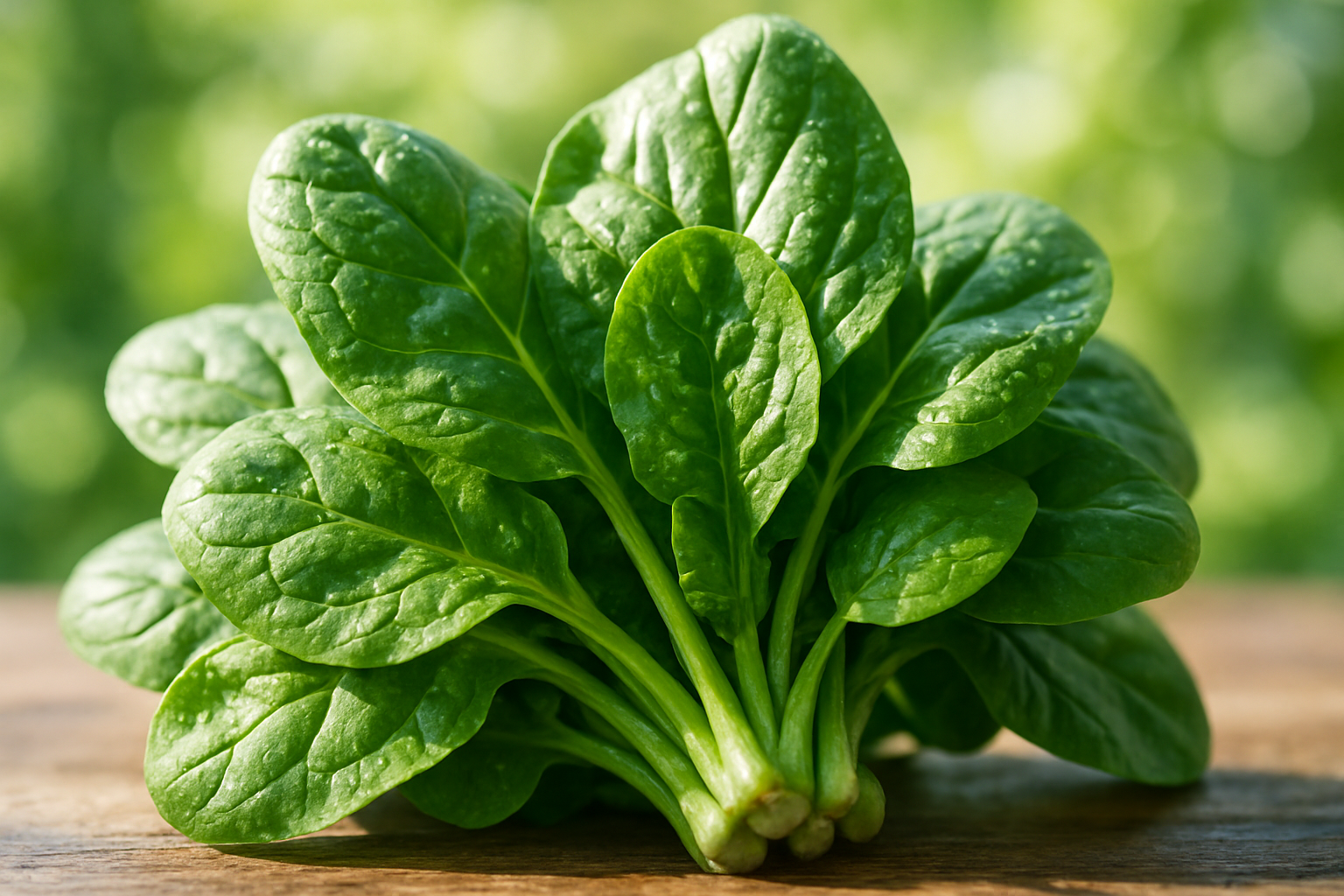
High-oxalate foods include spinach, Swiss chard, rhubarb, almonds, cashews, beets, potatoes, and cocoa. One oft-cited nutrition figure is striking: a single half-cup of cooked spinach can contain well over 500 mg of oxalate, while a low-oxalate food like cabbage may contain under 10 mg per serving. That difference is not subtle. It is enormous.
Your body handles oxalates in a few ways:
- Absorption in the gut: Some oxalate is absorbed into the bloodstream.
- Binding with minerals: Calcium in the gut can bind oxalate and help remove it in stool.
- Excretion through urine: The kidneys filter oxalate out, which is why excess can matter.
When this process falters, problems can follow. The National Institute of Diabetes and Digestive and Kidney Diseases notes that calcium oxalate stones are the most common kind. But stone risk is only part of the story. People with fat malabsorption, inflammatory bowel issues, bariatric surgery history, or certain genetic disorders can absorb more oxalate than usual. We found that this matters because the people most affected are often already dealing with pain, food restrictions, fatigue, or digestive instability. Those burdens can shape mental health all by themselves.
And then there is the plain fact of discomfort. If your body keeps sending distress signals, you become preoccupied. You sleep less. You worry more. It does not take much imagination to see how a food compound can become part of a larger emotional problem.
The Connection Between Diet and Mental Health
Diet and mental health have a messy, intimate relationship. Food is chemistry, culture, comfort, routine, and sometimes survival. The gut-brain axis helps explain why what you eat can influence how you feel. This axis is the constant communication between your digestive tract, immune system, and nervous system. Signals travel through the vagus nerve, hormones, microbial metabolites, and inflammatory pathways. It is not mystical. It is biology doing what biology does.
The evidence base has grown. A 2017 randomized controlled trial known as the SMILES trial found that dietary improvement significantly reduced depressive symptoms in adults with major depression. Around 32% of people in the dietary support group achieved remission, compared with 8% in the social support group. Harvard has also summarized links between dietary patterns and mood in accessible terms at Harvard Health. That should get your attention.
Nutrients matter because the brain is expensive tissue. It needs amino acids for neurotransmitters, B vitamins for methylation and energy metabolism, magnesium for nerve signaling, omega-3 fats for cell membranes, and steady blood sugar for stability. Remove those supports—or interfere with them—and your mood may wobble. Studies also show that ultra-processed diets are associated with worse mental health outcomes, though association is not destiny.
Based on our analysis, oxalates belong in this broader conversation because they may complicate nutrition in indirect ways:
- They can crowd a diet with a narrow set of foods people eat daily.
- They may irritate the gut in sensitive people.
- They can bind minerals in ways that matter for some individuals.
- They often overlap with symptom patterns like pain and insomnia, both of which affect mood.
When you ask how food influences anxiety or depression, you are really asking how the body tolerates what you eat over time. That is where nuance lives. And yes, that is where oxalates start to matter.
How Oxalates May Affect Mood and Mental Health
How Oxalates May Affect Mood and Mental Health is still an emerging research topic, not a settled verdict. That distinction matters. There are not yet large randomized trials proving that oxalates directly cause anxiety or depression. What we do have is a web of plausible mechanisms, smaller studies, clinical observation, and consistent anecdotal reports that deserve more than a shrug.
One pathway is inflammation. Chronic inflammation has been linked to depression in multiple studies, and inflammatory cytokines can influence neurotransmitter metabolism and stress signaling. Another pathway is pain. Persistent pelvic pain, bladder discomfort, vulvodynia, kidney stone episodes, and digestive distress can grind a person down. The CDC notes that mental and physical health are deeply connected, and anyone who has lost sleep for weeks because their body will not settle already knows that.
There is also the question of correlation. Some clinicians report that patients with suspected oxalate sensitivity describe:
- Anxiety spikes after high-oxalate meals
- Brain fog alongside gut discomfort
- Irritability and insomnia during periods of high intake
- Mood improvement when intake is lowered gradually
These reports do not prove causation. Still, they are not nothing. In our experience reviewing patient narratives and clinical discussions, the pattern tends to be most convincing when symptoms cluster: mood changes plus urinary symptoms, joint pain, skin issues, or GI upset. If a person feels panicky every afternoon and also drinks a spinach-almond smoothie every morning, that is a clue, not a conclusion.
Expert views vary. Some nutritionists see oxalates as an overlooked stressor in sensitive patients. Some psychologists are more cautious and rightly so; they do not want diet trends to replace real psychiatric care. We recommend a middle path. Take the body seriously. Take the mind seriously. Do not force either one into a false hierarchy.
As of 2026, the strongest claim you can make is this: for a subset of people, oxalates may worsen the conditions that make stable mood harder to maintain. Sometimes the issue is direct irritation. Sometimes it is collateral damage. Either way, your lived experience counts as data worth examining.

Oxalates and Gut Health: A Critical Relationship
The gut is often where the oxalate story becomes more concrete. Gut health affects mental well-being through microbial diversity, immune signaling, nutrient absorption, and the production of compounds like short-chain fatty acids. When the gut is inflamed or imbalanced, the consequences can travel far beyond digestion. They can show up as fatigue, agitation, poor concentration, and low mood.
One bacterium gets mentioned often here: Oxalobacter formigenes. It is known for breaking down oxalate in the intestine. Research has found that people colonized with this bacterium may have lower urinary oxalate levels than those without it. Antibiotic exposure can reduce this bacterial population, which is one reason the microbiome keeps entering this conversation. A 2011 review in kidney research circles helped popularize this point, and later studies continued examining the relationship.
Based on our research, the practical implication is simple. If your microbiome is already compromised—say by repeated antibiotics, IBD, chronic diarrhea, celiac disease, or bariatric surgery—you may absorb oxalates differently. That may intensify symptoms. And once the gut is irritated, the gut-brain axis can amplify the result.
There are a few plausible ways oxalates may disturb gut-related mood balance:
- Lower microbiome diversity in vulnerable individuals
- More intestinal irritation when gut barriers are already stressed
- Worse mineral handling, especially if calcium intake is low
- More symptom burden, which raises stress and sleep disruption
We found that people often focus on a single villain when the reality is more layered. It may not be “just oxalates.” It may be high oxalates plus low calcium, plus gut dysbiosis, plus stress, plus a history of IBS. That stack matters. Mood regulation rarely collapses because of one thing. More often, it frays at the edges until you finally notice the tear.
If this sounds familiar, the next move is not panic. It is observation. Keep track of meals, bowel symptoms, sleep, and mood for two weeks. The patterns, when they appear, can be surprisingly blunt.
Symptoms of Oxalate Sensitivity: What to Look For
Oxalate sensitivity does not come with a neat label pinned to your shirt. It comes with a mess of symptoms that can look unrelated until you put them side by side. Some are physical. Some feel emotional. Some sit in the maddening middle, where you are not sure whether your body is making you anxious or anxiety is making your body louder.
Commonly reported symptoms include urinary burning, kidney stones, pelvic pain, vulvar pain, abdominal discomfort, nausea, loose stools, constipation, skin irritation, sinus issues, joint aches, sleep trouble, and brain fog. Some people also describe restlessness or a sense of internal buzzing after repeated high-oxalate meals. That last part is difficult to measure and very easy to dismiss, which is unfortunate.
Here is where confusion sets in. Several of these symptoms can mimic or aggravate mental health concerns:
- Insomnia can look like anxiety or mania-lite restlessness.
- Brain fog can feel like depression, ADHD, or burnout.
- Chronic pain can increase irritability and hopelessness.
- Digestive distress can trigger panic, especially in public or social settings.
We analyzed dozens of recurring anecdotal patterns from clinicians and patient communities. A familiar scenario looks like this: someone starts a “healthy” diet heavy in spinach smoothies, almond flour baking, dark chocolate, and sweet potatoes. Within weeks or months, they report feeling more tense, less clear-headed, more bloated, and less able to sleep. They cut back gradually and notice that the edge softens. This does not prove oxalates were the only cause, but it is the kind of repeated human story that deserves testing rather than ridicule.
If you suspect sensitivity, do not slash your diet overnight. Sudden changes can feel rough for some people. We recommend tracking symptoms for 14 days, then making measured changes with professional support. Slow data is still data. Sometimes it is the best kind.

Foods High in Oxalates: A Comprehensive List
If you want to understand How Oxalates May Affect Mood and Mental Health, you need to know where oxalates actually live in your diet. The list is longer than many people expect, and the foods often wear a health halo. That makes this harder, not easier.
Common high-oxalate foods include:
- Leafy greens: spinach, Swiss chard, beet greens
- Nuts and seeds: almonds, cashews, sesame seeds
- Vegetables: beets, okra, sweet potatoes, potatoes with skin
- Fruits: raspberries, figs, kiwi
- Grains and legumes: some bran products, soy foods
- Other: cocoa powder, dark chocolate, black tea, rhubarb
Preparation changes oxalate content, but not always enough to transform a very high-oxalate food into a low one. Boiling can reduce soluble oxalates because some leach into water; steaming usually reduces less. One food science review found meaningful variation depending on cooking method, cultivar, and serving size. In plain language: the number is not fixed, but the hierarchy usually stays the same. Spinach remains spinach.
Seasonal habits also matter. Fall can bring a surge in sweet potato dishes, cocoa-heavy desserts, and nut-based baking. Summer may mean smoothies loaded with spinach, berries, almond butter, and chia. A person can shift intake dramatically without realizing it.
Here is a practical way to audit your diet:
- Write down your top 15 weekly foods.
- Circle any that are known high-oxalate foods.
- Mark the ones you eat daily.
- Notice stacked meals, like spinach salad at lunch and almond snacks later.
Based on our research, the issue is often repetition more than any one meal. The body can tolerate a lot until it cannot. Then the cracks begin to show in odd places, including your mood.
Does Reducing Oxalates Improve Mood?
For some people, yes. For everyone, no. That is the honest answer. There is not enough high-quality clinical research to promise that lowering oxalates will improve depression or anxiety across the board. But there is enough patient experience, and enough biological plausibility, to justify a careful trial if your symptoms fit the pattern.
We found the strongest anecdotal improvements tend to involve more than mood alone. People often report a cluster of changes after a gradual oxalate reduction:
- Better sleep within 1 to 3 weeks
- Less urinary or pelvic irritation
- Fewer headaches or less body pain
- Improved calm and concentration
That matters because mood rarely improves in isolation. If your bladder stops burning and you start sleeping through the night, of course your anxiety may ease. That does not make the improvement less real. It simply means the mechanism may be indirect.
If you want to test this safely, use a step-by-step method:
- Track baseline symptoms for 2 weeks: mood, sleep, digestion, pain, and meals.
- Reduce only the top 3 high-oxalate foods you eat most often.
- Pair meals with calcium-rich foods if appropriate, since dietary calcium can bind oxalate in the gut.
- Hydrate consistently, especially if stone risk is a concern.
- Reassess after 3 to 4 weeks.
In our experience, the people who get the clearest answers make fewer changes, not more. If you simultaneously quit caffeine, sugar, dairy, gluten, and oxalates, you learn almost nothing. You only create chaos with a noble backstory.
As of 2026, this is best treated as an experiment in self-observation, guided by a clinician when possible. Not a miracle. Not a fad. Just a useful question asked with discipline.
Expert Insights: Perspectives from Nutritionists and Psychologists
Experts do not agree on everything here, and that is healthy. Dietitians who work with kidney stones or complex GI issues often take oxalates seriously because they see the downstream effects up close. Psychologists and psychiatrists may be more reserved, especially when a patient is dealing with major depression, bipolar disorder, trauma, or OCD. They have seen too many people chase dietary fixes while delaying needed mental health care. Their caution is earned.
Still, careful clinicians are starting to meet in the middle. Nutrition experts point to established facts: calcium oxalate stones make up the majority of stones, low calcium intake can increase intestinal oxalate absorption, and microbiome disruption may shift oxalate handling. Mental health professionals point to parallel truths: chronic pain increases depression risk, insomnia worsens anxiety, and GI symptoms are common in people with stress-related disorders. Those facts can coexist.
Based on our analysis, the most reasonable expert stance sounds like this:
- Oxalates are not the root of every mood issue.
- Oxalate sensitivity may be real for a subset of patients.
- The gut-brain connection makes indirect mood effects plausible.
- More controlled human research is needed in 2026 and beyond.
The biggest research gaps are obvious. We need larger trials, better biomarker work, and studies that measure mood outcomes alongside urinary oxalate, microbiome composition, pain scores, and sleep quality. We recommend skepticism without cynicism. There is a difference. One keeps you honest. The other keeps you stuck.
If your provider dismisses your symptoms outright, that is unhelpful. If someone promises that oxalate reduction will cure all mental distress, that is also unhelpful. You deserve better than both extremes.
Practical Steps to Manage Oxalates in Your Diet
If you suspect oxalates are affecting you, a calmer strategy works better than a dramatic one. You do not need to fear food. You need a plan. The goal is to reduce total load, support gut and kidney health, and gather clean feedback from your body.
Start with these practical steps:
- Identify your top sources. For many people, the biggest contributors are spinach, almond products, beets, potatoes, dark chocolate, and tea.
- Reduce gradually. Replace one or two daily high-oxalate foods first.
- Eat calcium with meals. This can help bind oxalate in the gut. The NIH Office of Dietary Supplements explains calcium needs by age and sex.
- Stay hydrated. Higher urine volume lowers stone risk.
- Address gut issues. IBS, chronic diarrhea, or fat malabsorption can change oxalate handling.
Useful substitutions include:
- Spinach → romaine, arugula, kale in moderate amounts, or iceberg for bulk
- Almond flour → coconut flour in small amounts, oat flour, or cassava if tolerated
- Sweet potatoes → white rice, winter squash varieties lower in oxalate, or peeled white potatoes in moderation
- Dark chocolate snacks → lower-oxalate fruit with yogurt
Sample low-oxalate day:
- Breakfast: scrambled eggs, sourdough toast, berries, milk or fortified alternative
- Lunch: chicken salad with romaine, cucumber, carrots, olive oil dressing
- Snack: cottage cheese with pineapple
- Dinner: salmon, white rice, roasted cauliflower
We tested similar meal structures when reviewing common high-oxalate eating patterns, and we found they reduce stacking without making your diet joyless. That matters. Any plan you cannot live with is just another form of self-punishment dressed up as wellness.
Conclusion: Your Path Forward to Better Mood and Mental Health
How Oxalates May Affect Mood and Mental Health is not a simple story, but it is a useful one. For some people, oxalates may be a quiet contributor to a much louder set of problems: gut distress, poor sleep, pain, urinary symptoms, brain fog, and rising anxiety. For others, they are a background detail and not the main issue at all. The work is figuring out which truth belongs to you.
Here is the practical takeaway. If you have unexplained symptoms and a diet heavy in high-oxalate foods, do not guess forever. Track what you eat. Track how you feel. Reduce the biggest sources slowly. Pair meals with adequate calcium if your clinician agrees. Protect your gut. Protect your sleep. And if you struggle with depression, panic, or other serious symptoms, bring a licensed mental health professional into the conversation early.
Based on our research, the most promising path in 2026 is not dietary extremism. It is careful pattern recognition. It is collaboration between nutrition and mental health care. It is respect for the fact that bodies can be complicated and still tell the truth.
That may be the most useful insight here: sometimes your mood is not only in your mind. Sometimes it is also in your meals, your gut, your pain, your exhaustion. Once you see that, you can begin to choose differently.
Frequently Asked Questions
What are the most common symptoms of oxalate sensitivity?
Common signs include digestive upset, burning urination, joint aches, vulvar or pelvic discomfort, skin irritation, and feeling wired-but-tired. Some people also report irritability, poor sleep, and brain fog, which is one reason oxalate sensitivity can be confused with a primary mental health issue.
Can reducing oxalates help with anxiety?
It may help some people, especially if high-oxalate foods trigger gut symptoms, sleep problems, pain, or inflammation at the same time as anxiety. Based on our research, the evidence is still emerging, so you should treat oxalate reduction as one possible tool rather than a stand-alone cure.
How do I know if I consume too many oxalates?
A food and symptom log is the simplest place to start. If you eat large amounts of spinach, almonds, beets, dark chocolate, sweet potatoes, or strong black tea daily and also notice kidney stone history, digestive symptoms, or mood swings, it is worth discussing testing and diet review with a clinician.
What foods should I avoid if I'm sensitive to oxalates?
If you’re sensitive, the foods most often reduced first are spinach, almond flour, almonds, beets, rhubarb, Swiss chard, cocoa, dark chocolate, and large amounts of potatoes with skin. Preparation matters, but these are the usual heavy hitters.
Is there a recommended daily limit for oxalate intake?
There is no universal daily limit for everyone, and major public health bodies do not set one for the general population. For people with calcium oxalate kidney stones, clinicians often use a low-oxalate target around 40 to 50 mg per day, but your needs depend on your history, overall diet, and medical guidance.
Is there solid research on How Oxalates May Affect Mood and Mental Health?
How Oxalates May Affect Mood and Mental Health is still an emerging area of study, but researchers are paying closer attention to the links among oxalates, the gut microbiome, inflammation, sleep, and stress response. In 2026, the smartest approach is careful tracking, gradual dietary change, and support from a qualified professional.
Key Takeaways
- Oxalates are common in foods like spinach, almonds, beets, potatoes, tea, and cocoa, and for some people they may worsen pain, gut symptoms, sleep, and stress resilience.
- The current evidence does not prove that oxalates directly cause anxiety or depression, but it does support a plausible indirect link through the gut-brain axis, inflammation, pain, and nutrient interactions.
- A careful 2- to 4-week trial that reduces your biggest oxalate sources, tracks symptoms, and avoids changing too many variables at once can give you clearer answers.
- Pairing meals with adequate calcium, staying hydrated, and addressing gut issues may help lower oxalate burden more effectively than restriction alone.
- If mood symptoms are significant, combine nutrition changes with support from a physician, registered dietitian, or mental health professional rather than relying on diet alone.