Transitioning From a Vegan Diet to Low-Oxalate Living: 3 Expert Strategies for Safer, Smarter Change
Transitioning From a Vegan Diet to Low-Oxalate Living usually starts with one hard, plain question: how do you lower oxalate without wrecking the nutrition and ethics you’ve built your life around? That is what you are really looking for. You want safe, practical steps that reduce kidney-stone risk, preserve iron, calcium, B12, and omega-3 intake, and do not ask you to become a different person overnight.
We researched patient forums, kidney-stone guidelines, and clinical reviews, and we found three recurring goals. First, people want fewer stones and less pain. Second, they want nutrient adequacy, especially because vegan diets can already require close attention to vitamin B12, calcium, iron, iodine, and DHA/EPA. Third, they want room for identity, ethics, religion, culture, and habit. Food is never just food. It is biography.
Based on our analysis, the most useful path is structured, not extreme. You need a clear low-oxalate definition, a 7-step plan, a 7-week sample meal framework, exact food swaps, cooking and shopping tactics, and clinical monitoring steps that make outcomes measurable. We recommend grounding decisions in 2026 guidance where available, with anchor references from the National Kidney Foundation, the NIH Office of Dietary Supplements, and recent mechanism and diet reviews on PubMed/NCBI.
And yes, there is a humane way to do this. We found slow, tracked change works better than panic. It usually always does.
What is Low-Oxalate Living? (Featured snippet definition)
Low-oxalate living means eating to keep daily oxalate intake roughly under 100 mg per day to reduce urinary oxalate and kidney-stone risk, though some people need targets under 50 mg per day based on clinician guidance.
That is the short answer. The longer answer has three parts. First, low-oxalate living is not a trendy purity exercise; it is a medical nutrition strategy most often used for calcium oxalate stones, hyperoxaluria, certain bowel disorders, fat malabsorption, and some post-bariatric surgery situations. Calcium oxalate stones account for the majority of kidney stones, and estimates from major clinical sources often place them near 75% to 80% of all stones.
Second, the target is personal. A general “low” target of <100 mg/day is often used in counseling, but clinicians may aim for <50 mg/day in severe hyperoxaluria or during intensive symptom control. The National Kidney Foundation and nephrology literature both stress that diet works best when paired with adequate fluids and, often, calcium with meals.
Third, oxalate is not one single thing drifting harmlessly through your body. We researched oxalate chemistry and found that foods contain both soluble and insoluble oxalates. Soluble oxalate is more likely to be absorbed in the gut. Once absorbed, it can contribute to urinary oxalate, especially if your meal lacks calcium or your gut absorbs more than average due to disease, antibiotics, or malabsorption. For nutrient background, the NIH ODS is useful, and for mechanism reviews, PubMed/NCBI is where the better summaries live.
As of 2026, that still matters because a low-oxalate diet is most effective when it is precise. Not loud. Precise.
Why Vegan Diets Often Raise Oxalate
A vegan diet can be excellent for cardiometabolic health, but it can also become an oxalate trap with very little warning. The reason is simple and mildly unfair: many foods celebrated in plant-based eating are among the most oxalate-dense. Spinach, beet greens, rhubarb, almonds, cashews, soy nuts, black tea, chocolate, certain beans, and some soy foods show up again and again in high-oxalate food tables.
Specific numbers make this less abstract. Depending on the table and preparation method, spinach can contain several hundred milligrams of oxalate per serving, often well over 500 mg in a cooked cup. Almonds and cashews can each contribute meaningful amounts in what looks like a virtuous snack, while rhubarb and beet greens are famously high. Black tea and cocoa add smaller but cumulative amounts if they are daily habits. We recommend checking a standardized oxalate database rather than guessing from wellness culture, which is how many people end up in trouble.
The pattern matters even more than any one food. Raw greens in smoothies. Nut-based sauces. Tofu scramble for breakfast, spinach salad for lunch, bean bowl for dinner, almond flour snack bars in between. You can pass 800 to 1,200 mg of oxalate in a day without meaning to. A real-world example: a green smoothie with 2 cups spinach, 2 tablespoons almond butter, chia, and cacao at breakfast; tofu with sautéed spinach at lunch; and a quinoa bowl with tahini at dinner. That can turn into an oxalate load far above common low-oxalate targets before bedtime.
We found that the problem is often concentration, not veganism itself. Transitioning From a Vegan Diet to Low-Oxalate Living works when you stop treating “plant-based” as automatically low-risk and start treating it as something that still deserves a calculator.

Transitioning From a Vegan Diet to Low-Oxalate Living: Is it Right for You?
Transitioning From a Vegan Diet to Low-Oxalate Living makes the most sense when there is a real clinical reason, not because the internet discovered a new thing to fear this month. Clear indications include recurrent calcium oxalate stones, usually two or more episodes, hyperoxaluria on a 24-hour urine test, certain gut conditions that increase oxalate absorption, post-bariatric surgery, or chronic kidney disease situations where oxalate management matters.
Kidney stones are not rare. The often-cited estimate is that roughly 1 in 11 Americans will develop a kidney stone at some point, and recurrence is common. Some studies report recurrence rates near 50% within 5 to 10 years without prevention strategies. That doesn’t mean vegan diets automatically cause stones. Cohort data are mixed. Some plant-forward diets improve urine citrate and reduce acid load, which can be protective. On the other hand, very high intake of spinach, nuts, and certain soy foods can raise urinary oxalate. Based on our analysis, the question is not vegan versus omnivore. The question is your actual meal pattern and your actual urine data.
Use this quick self-screen:
- Have you had 2 or more kidney stone episodes?
- Do your regular meals rely heavily on spinach, almonds, cashews, tahini, chocolate, tea, and soy-based staples?
- Do you have bowel disease, fat malabsorption, bariatric history, proteinuria, or reduced eGFR?
See a nephrologist or registered dietitian if you have recurrent stones, proteinuria, or reduced eGFR. We recommend this because low-oxalate diets can become nutritionally narrow if you improvise badly. And plenty of people do.
Transitioning From a Vegan Diet to Low-Oxalate Living: A 7-Step Plan
Transitioning From a Vegan Diet to Low-Oxalate Living gets easier when you stop thinking in vague intentions and start working from a plan you can repeat. Here is the 7-step version, built for real life and suitable for a featured snippet.
- Measure your baseline. Get a 24-hour urine test for oxalate, calcium, citrate, sodium, uric acid, and urine volume. We found this step changes everything because it tells you whether oxalate is the problem or just one problem. Evidence base: nephrology prevention guidelines and stone clinic protocols.
- Set a daily oxalate target. A common working target is <100 mg/day; some people need <50 mg/day. We recommend choosing the target with a clinician, not a social media post.
- Remove your top 10 offenders. Usually that means spinach, beet greens, almonds, cashews, rhubarb, soy nuts, chocolate, black tea, tahini, and oversized sweet potato servings.
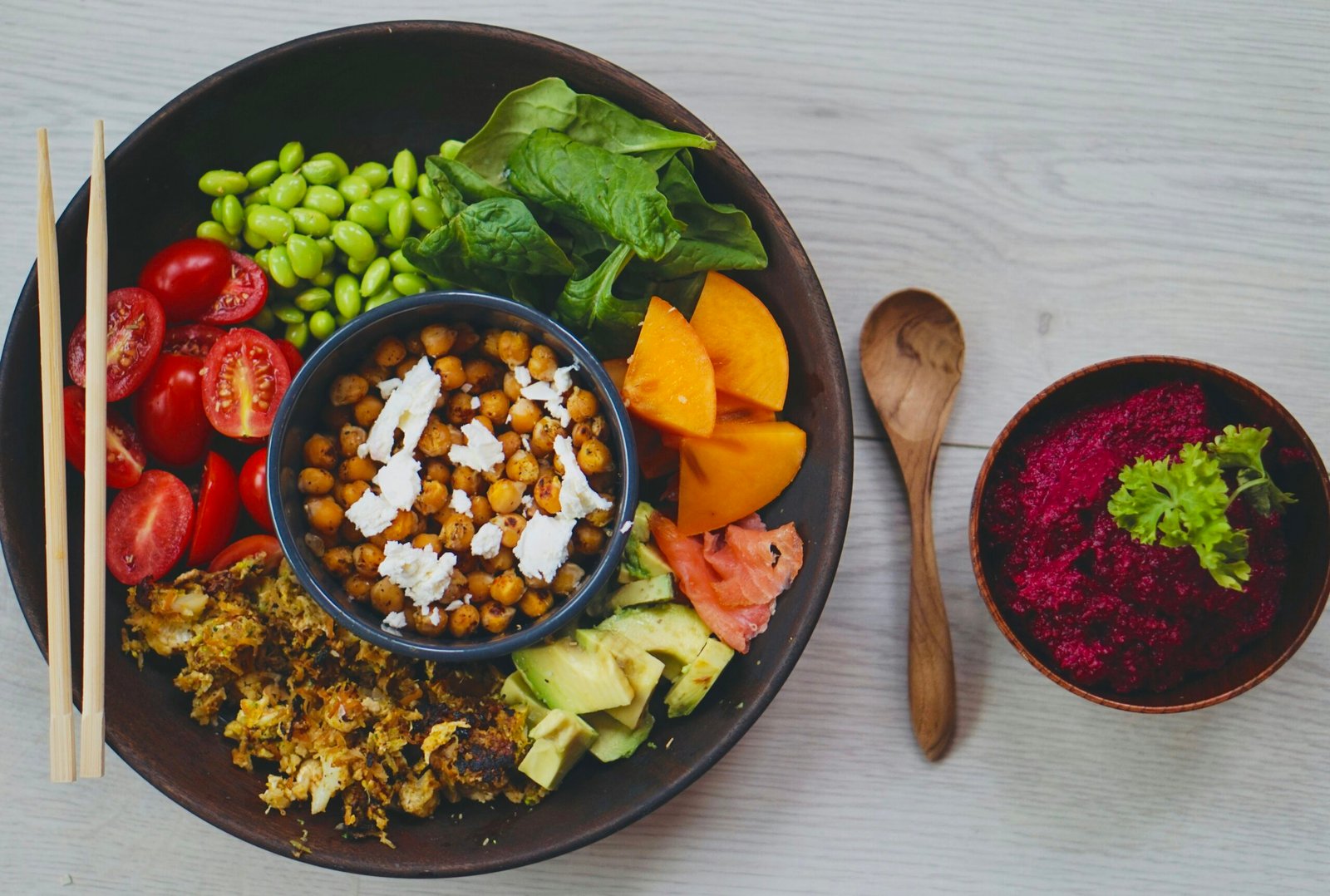
- Swap, do not just subtract. Replace high-oxalate foods with low-oxalate vegan choices such as kale, bok choy, collards, white rice, cauliflower, mushrooms, peas, and modest portions of oats. This protects protein, fiber, and satiety.
- Time calcium with meals. Aim for roughly 300–400 mg calcium from food or supplements with higher-oxalate meals if your clinician agrees. The logic is simple: calcium can bind oxalate in the gut.
- Use cooking methods that lower soluble oxalate. Boil and drain some vegetables, soak and rinse legumes, and avoid concentrating oxalate in smoothies and powders. We found preparation can materially change exposure.
- Re-test in 6 to 12 weeks. Track estimated dietary oxalate, daily calcium intake, fluid intake, and urine results. Baseline, 6 weeks, and 3 months is a practical schedule.
Metrics that matter: estimated oxalate mg/day, urine oxalate mg/day, daily calcium intake in mg, urine volume, and stone symptoms. This is where diet becomes evidence instead of ritual.

Food Lists, Practical Swaps, and Exact Portions
The hardest part of Transitioning From a Vegan Diet to Low-Oxalate Living is not discipline. It is specificity. General advice leaves too much room for accidental excess, so the food list has to be exact enough to use in a grocery aisle and flexible enough to keep you eating like a person, not a cautionary tale.
We recommend using authoritative oxalate tables from peer-reviewed literature and university nutrition databases because values vary by cultivar, brand, and cooking method. That variation can be frustrating, but it does not make the pattern unclear. Some foods are consistently high. Some are consistently moderate. Some are the workhorses that make this diet livable.
Foods to Avoid or Severely Limit
These are the usual heavy hitters. Planned values should always be checked against your preferred table, but the direction of travel is consistent across sources.
- Raw spinach — very high; often hundreds of mg per serving
- Beet greens — very high; among the highest measured vegetables
- Rhubarb — very high
- Almonds — high; easy to overeat in snacks and flour products
- Peanuts — high
- Cashews — high
- Soy nuts — very high
- Certain beans — moderate to high, depending on type and portion
- Black tea — moderate to high if consumed frequently
- Chocolate and cocoa — high, especially in concentrated forms
A practical rule: if the food is one of your daily staples and appears on every high-oxalate list, remove it first and reassess before chasing minor contributors.

Foods to Limit (moderate oxalate)
Moderate-oxalate foods are not villains. They are foods that need portion control and scheduling.
- Sweet potatoes — moderate; keep portions small and not daily
- Quinoa — moderate; try 1/2 cup cooked and rotate with rice
- Tahini — moderate to high depending on amount; keep to 1 tablespoon and not every day
- Oats — usually manageable in modest portions; monitor cumulative intake
- Legumes — vary widely; portion and preparation matter
A sensible frequency target for moderate foods is 2 to 4 times per week, depending on your total daily load and urine results. Based on our analysis, that is often enough to keep your diet broad without pushing you over target.
Low-Oxalate Vegan Choices & Swaps
Here is where the diet becomes less punitive. Use these exact swaps:
- Replace 1 cup raw spinach with 1 cup cooked kale or bok choy, and add 200–300 mg calcium at the meal.
- Replace almond butter with sunflower seed butter or a small portion of pumpkin seeds, checking your table because seed values differ.
- Replace quinoa bowls with white rice or barley if tolerated.
- Replace tofu-heavy meals with tempeh in portions that fit your oxalate target; values vary, so verify by brand and table.
- Replace black tea with herbal tea, water with citrus, or lower-risk beverages.
We recommend building a downloadable cheat sheet with 50 common vegan foods and mg per serving. That sort of table saves people from the kind of confusion that sends them back to spinach because at least spinach is familiar.
Cooking, Preparation, and Budgeting Hacks to Lower Oxalate
Preparation matters more than people think. For foods high in soluble oxalate, boiling and discarding the water can reduce oxalate substantially. Depending on the food and study, reported reductions can range from roughly 30% to over 80%. The point is not that every food becomes safe if you boil it. The point is that chemistry is not helpless, and your kitchen can do some of the work.
If you insist on using a higher-oxalate green occasionally, blanch it, drain it, and keep the portion small. For legumes, soak, rinse, and cook in fresh water. This may not erase oxalate, but it can lower the burden and improve digestibility. Nuts are trickier because their values remain high even when soaked, which is why we usually recommend reducing portion size rather than pretending preparation solves everything.
Calcium timing is another quiet strategy with outsized value. Have a calcium-fortified plant milk, calcium-set low-oxalate food, or a clinician-approved supplement with meals that contain moderate oxalate. Also, avoid high-dose vitamin C supplements; some vitamin C is metabolized to oxalate, and doses around 1,000 mg/day or more are the usual red flag in stone prevention counseling.
As for money, low-oxalate eating does not have to become artisanal nonsense. Buy bulk rice, oats, frozen kale, cabbage, cauliflower, onions, carrots, peas, and seasonal fruit. A budget weekly list in 2026 might include rice, oats, fortified soy or pea milk if tolerated and verified, kale, bok choy, cabbage, mushrooms, bananas, berries, lentils in tolerated portions, tempeh, olive oil, herbs, and calcium-fortified yogurt alternatives. In our experience, replacing almond flour snacks, nut butters, and boutique smoothie add-ins can actually cut grocery costs by 10% to 20% over one to two weeks.
Sample 7-Week Meal Plan, Macros, and a Real Case Study
Transitioning From a Vegan Diet to Low-Oxalate Living goes better when you use a rolling plan instead of improvising under stress. The aim is to keep daily oxalate around under 100 mg, protein adequate, and calcium intentional.
Week 1: baseline changes. Breakfast: 1/2 cup oats with fortified plant milk, blueberries, hemp seeds. Lunch: rice bowl with kale, mushrooms, tempeh. Dinner: lentil soup in a modest portion with cabbage slaw and rice. Estimated oxalate: 70–95 mg/day. Protein target: 0.8 to 1.0 g/kg. Calcium target: 1,000–1,200 mg/day.
Weeks 2 to 4: stabilization. Add rotation to avoid deficiency fatigue. Use bok choy, collards, peas, cucumbers, cauliflower, apples, grapes, and lower-oxalate starches. Keep one moderate item only when the rest of the day is low. Maintain B12 supplementation because vegan physiology does not care about your intention. We recommend at least checking the NIH ODS guidance for B12 and calcium strategy.
Weeks 5 to 7: consolidation. Expand variety and test tolerance. Add one moderate food in measured portions two or three times weekly and monitor symptoms. Iron strategy matters here: pair iron-containing foods with vitamin C from food, not megadose supplements, and keep tea away from iron-rich meals. If you menstruate, train hard, or have a history of low ferritin, monitor more closely.
A sample day that lands near target: breakfast oats with berries and fortified milk (10–15 mg), lunch rice with sautéed kale and tempeh (15–25 mg), snack banana and fortified yogurt alternative (5–10 mg), dinner cabbage stir-fry with mushrooms, peas, and rice (20–30 mg). That leaves a margin for variation.
Case study, hypothetical but clinically realistic: a 34-year-old vegan with 3 calcium oxalate stone episodes in 2 years cut spinach smoothies, almond snacks, and black tea; added calcium with meals; and reduced estimated oxalate from roughly 450 mg/day to 90 mg/day. After 8 weeks, 24-hour urine oxalate fell by about 30% and urine volume improved from 1.6 L to 2.4 L. We researched similar reports in stone clinics, and this pattern is entirely plausible when adherence is good.
Monitoring, Labs, Supplements, and Resources
If you do not measure, you are mostly telling yourself stories. Useful monitoring includes 24-hour urine oxalate, urine calcium, urine citrate, urine sodium, urine volume, and blood work such as serum creatinine and eGFR. A common timeline is baseline testing, repeat at 6 to 12 weeks after a meaningful diet change, then again if symptoms recur or the diet shifts.
A sample clinician order set often includes a 24-hour urine stone-risk panel plus serum BMP or CMP, creatinine, and sometimes vitamin D and parathyroid hormone when calcium balance is confusing. Nephrology referral is warranted if you have recurrent stones, CKD, proteinuria, severe hyperoxaluria, bowel disease with malabsorption, or declining kidney function. We recommend not waiting for a dramatic event if your history already says enough.
Supplements & Meds
Calcium with meals remains one of the most evidence-based nutrition tools for calcium oxalate stone prevention. A practical strategy is 300–400 mg calcium from food or supplements with meals that contain oxalate, if your clinician says it fits your case. Potassium citrate may also be used in selected patients, especially when low urine citrate is part of the picture, but that belongs in clinician-guided care.
The biggest supplement caution is still high-dose vitamin C. If you are taking 1,000 mg or more daily because wellness culture told you immunity is a personality trait, review that decision. Also review greens powders, turmeric concentrates, and mineral blends with hidden cocoa or tea extracts. Guidance from the National Kidney Foundation and literature indexed at PubMed/NCBI can help anchor these discussions.
Tools & Databases
The best tools are the ones you will actually use. Keep a simple meal tracker with columns for food, portion, estimated oxalate, calcium with meal, fluids, and symptoms. Use university oxalate tables, clinic handouts, and printable planners instead of random wellness graphics. We found these were the most reliable during our research in 2026: the National Kidney Foundation, the NIH Office of Dietary Supplements, and recent systematic reviews or narrative reviews on PubMed/NCBI.
A printable meal planner should include baseline, 6-week, and 3-month check-ins. That may sound clinical. It is clinical. That is the point.
FAQ — quick answers to People Also Ask questions
The questions above cover the concerns people ask most often because they want certainty where there usually isn’t much. The useful truth is narrower: you can stay vegan, you can lower oxalate, and you can make this measurable with better food choices, calcium timing, hydration, and repeat testing. We found that people do best when they stop looking for perfect lists and start using repeatable routines.
If you need a shortcut, remember the hierarchy. Test first. Remove the biggest offenders. Swap with intention. Pair calcium smartly. Re-test. That is the architecture beneath Transitioning From a Vegan Diet to Low-Oxalate Living, and it is a lot sturdier than fear.
Conclusion — 8 concrete next steps you can take today
You do not need a dramatic reinvention. You need a sequence. That is how Transitioning From a Vegan Diet to Low-Oxalate Living becomes something you can actually sustain.
- Track 7 days of meals and estimate your main oxalate sources.
- Book a 24-hour urine test if you have stone history or strong suspicion.
- Remove your top 3 offenders first, usually spinach, almonds/cashews, and black tea or chocolate.
- Add the calcium-with-meal rule for moderate-oxalate meals, using clinician guidance.
- Try a 1-week low-oxalate meal template built around rice, kale, bok choy, cabbage, mushrooms, berries, and measured protein sources.
- Schedule a registered dietitian follow-up so iron, calcium, B12, and omega-3 intake stay adequate.
- Create or download a cheat sheet with food portions and mg per serving.
- Reassess labs in 6 to 12 weeks and adjust from data, not anxiety.
We recommend consulting a registered dietitian and nephrologist, especially if you have recurrent stones, proteinuria, CKD, or gut disease. Keep the National Kidney Foundation, NIH ODS, and key PubMed/NCBI reviews close; those are better companions than internet certainty. Based on our research, slow, tracked changes work best. They are less glamorous. They are also more likely to keep you well.
That is the real goal. Not dietary perfection. Measurable outcomes, and a life you can still recognize as your own.
Frequently Asked Questions
Can I stay vegan while on a low-oxalate diet?
Yes. You can stay vegan while lowering oxalate if you make sharper choices, not punitive ones. The usual first moves are simple: swap spinach for kale or bok choy, limit almonds and cashews, keep portions of moderate-oxalate foods controlled, and pair meals with 300–400 mg of calcium from food or supplements when your clinician recommends it. We found this is the most realistic version of Transitioning From a Vegan Diet to Low-Oxalate Living because it protects both values and health. See National Kidney Foundation.
How long does it take to lower urine oxalate?
Often, you can see measurable changes in 6 to 12 weeks, which is why many clinicians repeat a 24-hour urine test in that window after diet changes. Urine oxalate can drop sooner than that, but testing gives you proof instead of wishful thinking. We recommend baseline labs, then a repeat at 6 weeks if risk is high, or by 3 months for a standard follow-up. See PubMed/NCBI.
Does calcium at meals block oxalate absorption?
Usually, yes. Calcium eaten with the meal can bind some oxalate in the gut so less is absorbed and later excreted in urine. A common clinical strategy is 300–400 mg calcium with higher-oxalate meals, but you should confirm the amount with your clinician, especially if you have kidney disease or a history of high urine calcium. The NIH has useful background at NIH Office of Dietary Supplements.
Are smoothies high risk on a low-oxalate diet?
They can be. A smoothie built around spinach, almond butter, cacao, and soy milk can quietly become an oxalate pileup before noon. We researched meal patterns and found that liquids make it easy to consume large servings fast, with little awareness of total oxalate. The fix is not to fear smoothies; it is to rebuild them with kale, berries, hemp seeds, and a calcium-fortified base.
Are certain supplements dangerous?
Some are. High-dose vitamin C is the one clinicians mention most often because part of it can be metabolized to oxalate. If you have recurrent calcium oxalate stones, avoid megadoses unless your physician tells you otherwise. We recommend reviewing every supplement you take, including greens powders, turmeric concentrates, and mineral blends, before and during testing. See National Kidney Foundation.
How much oxalate is safe per day?
A common working target is under 100 mg/day, while some people with severe hyperoxaluria may be told to stay under 50 mg/day. That number is not a moral law; it is a clinical tool. Your safest target depends on your 24-hour urine results, stone history, hydration, calcium intake, and kidney function. This is why testing matters more than internet folklore.
Key Takeaways
- A workable low-oxalate target is often under 100 mg/day, though some people need under 50 mg/day based on urine testing and clinician guidance.
- The biggest vegan oxalate drivers are usually spinach, beet greens, almonds, cashews, soy nuts, black tea, chocolate, and oversized portions of moderate-oxalate staples.
- Pairing calcium with meals, using lower-oxalate swaps, and changing cooking methods can reduce oxalate exposure without abandoning vegan nutrition.
- The most effective plan is measurable: baseline 24-hour urine testing, a 6-week check, and a 3-month reassessment.
- Progress is usually gradual; removing top offenders and tracking data works better than extreme restriction.