
Are Oxalates a Hidden Factor in Neuropathy? The Ultimate Guide
Are Oxalates a Hidden Factor in Neuropathy? That is the question bringing many people here, usually after months or years of tingling feet, burning hands, electric shocks down the legs, and the quiet frustration of normal test results that do not feel normal at all. Neuropathy can have obvious causes such as diabetes, chemotherapy, alcohol misuse, vitamin B12 deficiency, autoimmune disease, and physical nerve compression. But some people keep asking the harder question: what if food is part of the problem?
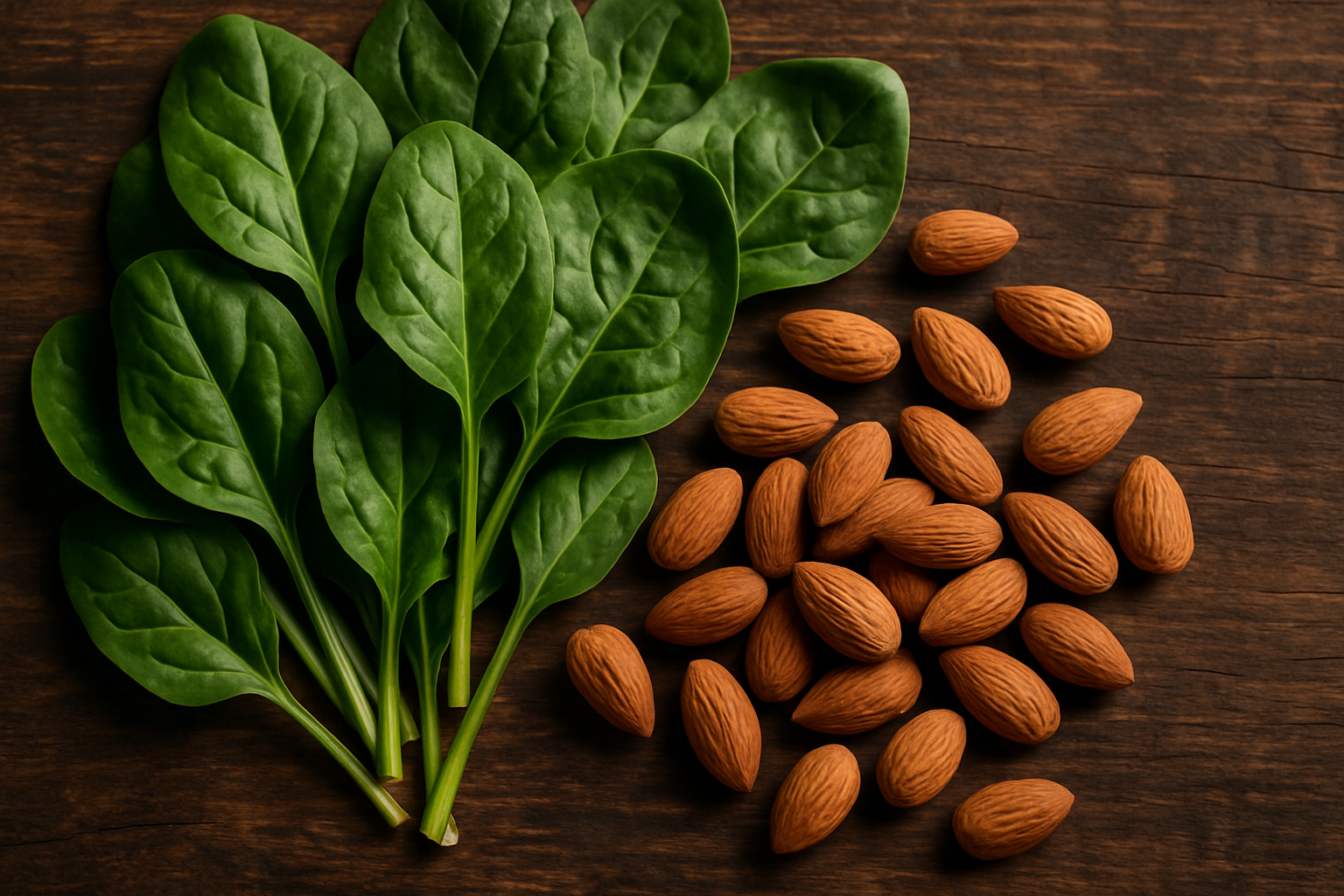
Oxalates are natural compounds found in foods like spinach, almonds, beets, and sweet potatoes. They are also made in small amounts by the body. Interest in oxalates has grown because high oxalate burden is already linked to kidney stones, and some clinicians and patients suspect it may also irritate tissues, drive inflammation, or contribute to nerve symptoms in vulnerable people. Based on our research, the evidence is not settled, but it is serious enough to examine with care.
By 2026, neuropathy remains a major public health issue. The National Institute of Neurological Disorders and Stroke notes that peripheral neuropathy has many causes and can affect sensory, motor, and autonomic nerves. We found that if you are dealing with unexplained symptoms, understanding oxalates, metabolism, diet, and risk factors can help you ask better questions and make smarter choices with your clinician.
Introduction: Unraveling the Connection Between Oxalates and Neuropathy
Neuropathy is an umbrella term. It describes damage or dysfunction in one or more nerves, usually outside the brain and spinal cord. You may feel numbness, burning, stabbing pain, weakness, balance problems, digestive upset, or changes in blood pressure and sweating. According to the NIDDK, as many as 50% of people with diabetes develop some form of neuropathy. That is a large number, and it explains why diabetes gets so much attention in this conversation.
But diabetes does not explain everything. Some cases are tied to infections, toxins, inherited disorders, celiac disease, lupus, chemotherapy drugs, or nutrient deficiencies. Others remain stubbornly idiopathic, which is a clinical way of saying nobody has a satisfying answer yet. That uncertainty is where oxalates enter the picture. Oxalates are compounds in many plant foods, and in some bodies, for reasons that are biochemical and deeply inconvenient, they may accumulate or provoke symptoms.
We analyzed current literature, case reports, and practitioner commentary because the search interest has grown sharply in recent years. People are asking whether dietary oxalates can worsen pain, inflammation, bladder symptoms, vulvodynia, joint pain, and perhaps neuropathy. The evidence is early and mixed, but the question Are Oxalates a Hidden Factor in Neuropathy? is no longer fringe in 2026. It is a reasonable question, especially if your symptoms flare after certain foods or if you have kidney stones, gut issues, or fat malabsorption alongside nerve pain.
What Are Oxalates? A Deep Dive into Their Nature and Sources
Oxalates, or oxalic acid and its salts, are small organic acids. Chemically, they bind minerals, especially calcium. That matters because calcium oxalate crystals are the most common kind of kidney stone. According to the National Kidney Foundation, calcium oxalate stones are the leading stone type in the United States. The chemistry sounds dry until it lands in your body as pain.
High-oxalate foods include:
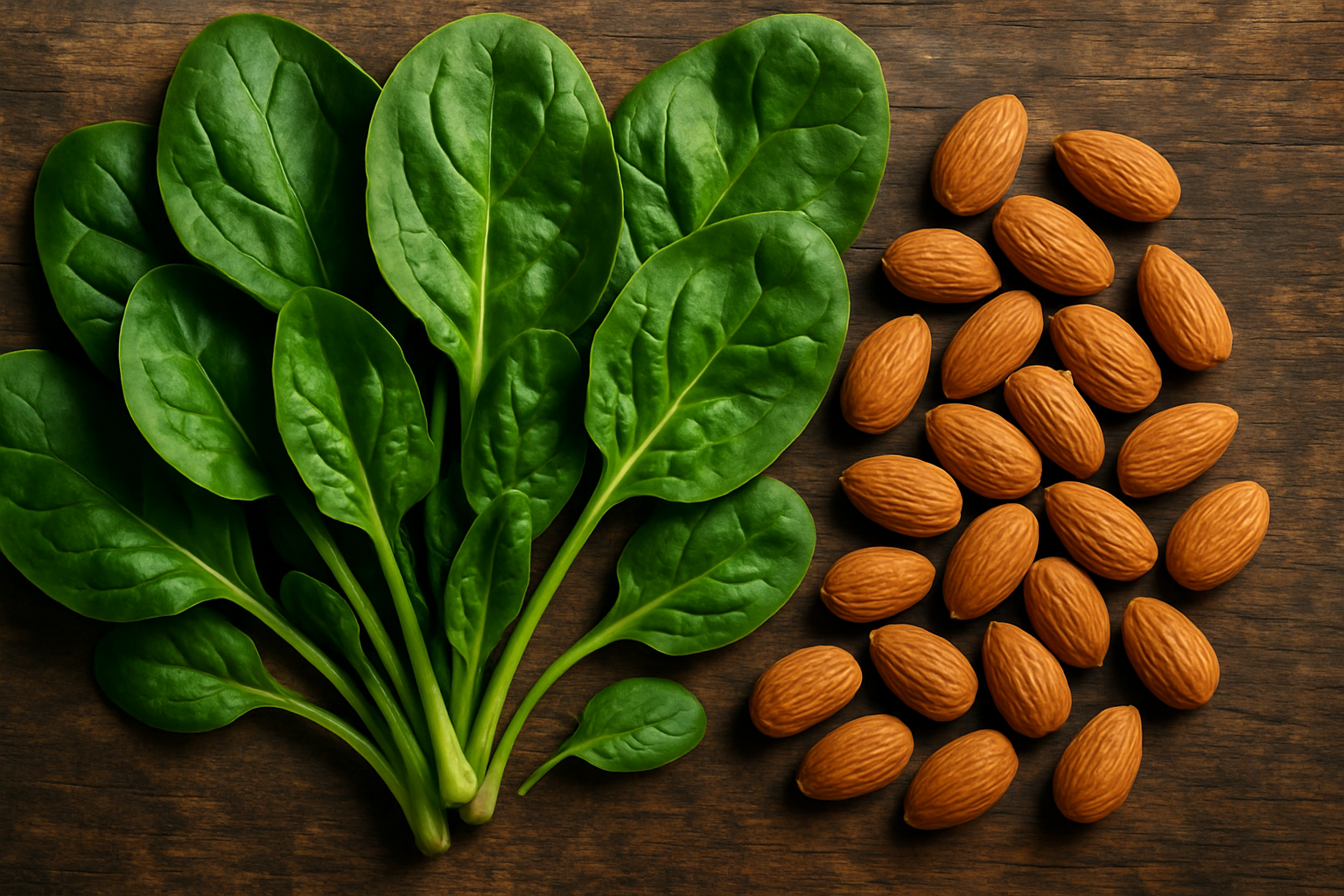
- Spinach, often one of the highest sources
- Almonds and other nuts
- Beets and beet greens
- Rhubarb
- Swiss chard
- Sweet potatoes
- Dark chocolate
- Peanuts and peanut butter
- Wheat bran
Food composition varies, which is part of the problem. Growing conditions, preparation, and serving size all matter. A smoothie with spinach, almond butter, cacao, and berries can deliver a very high oxalate load in one sitting. That does not mean the smoothie is evil. It means context matters.
Oxalate levels also vary among individuals. Gut bacteria, kidney function, hydration status, calcium intake, digestive disorders, and genetics all change how much oxalate you absorb and excrete. We found that people with fat malabsorption, inflammatory bowel disease, bariatric surgery history, or recurrent kidney stones may absorb more oxalate than expected. So when people ask, Are Oxalates a Hidden Factor in Neuropathy? the honest answer starts here: oxalates are not automatically harmful, but in certain bodies, they can become a bigger deal than nutrition labels suggest.

Understanding Neuropathy: An Overview of Types and Symptoms
Neuropathy is not one tidy condition. It is many different problems wearing the same coat. Peripheral neuropathy affects nerves in the hands, feet, arms, and legs. Autonomic neuropathy affects blood pressure, digestion, sweating, sexual function, and bladder control. Focal neuropathy strikes a single nerve, sometimes suddenly. Diabetic neuropathy is one of the most common forms, but alcohol-related, chemotherapy-induced, hereditary, and immune-mediated neuropathies also matter.
The symptoms can be brutal in ordinary ways. Burning feet at night. Socks that feel like sandpaper. Hands that drop mugs. Dizziness when you stand up too fast. Numbness that makes you wonder whether your body is whispering or shouting. The NINDS explains that symptoms may involve sensory loss, pain, weakness, and autonomic dysfunction. Those categories sound neat on paper. They are not neat in a life.
Prevalence is high. Research published in population studies has estimated peripheral neuropathy affects roughly 1% to 7% of the general population, with rates rising sharply in older adults and people with diabetes. Some studies report prevalence over 20% in adults with diabetes depending on age and method of diagnosis. As of 2026, that means millions are dealing with symptoms that reduce mobility, sleep quality, and daily function. If you are asking whether diet plays a role, you are not reaching. You are trying to understand why your nerves are acting like they have their own private grievances.
The Role of Diet in Neuropathy: What the Research Says
Diet is not a cure-all, and pretending otherwise helps no one. But diet does shape inflammation, blood sugar, nutrient status, weight, and gut health. Those factors can influence neuropathy directly or indirectly. A 2024 review of diabetic neuropathy research emphasized that blood sugar control, weight management, and adequate intake of B vitamins and antioxidants remain central. The CDC continues to highlight glucose management as one of the strongest ways to reduce diabetic nerve damage risk.
Certain foods may worsen symptoms in some people. High-sugar meals can spike glucose and increase oxidative stress. Heavy alcohol use is a well-known cause of neuropathy and can worsen existing nerve damage. Deficiencies in vitamin B12, folate, vitamin B6, and vitamin E can all contribute to neuropathic symptoms. We analyzed expert recommendations and found broad agreement on three basics:
- Stabilize blood sugar if diabetes or insulin resistance is present.
- Correct nutrient deficiencies through testing and treatment.
- Identify personal food triggers with a structured food and symptom log.
Expert opinion on oxalates is more divided. Some clinicians treating complex chronic pain or stone disease recommend low-oxalate trials for selected patients, especially those with urinary symptoms, gut disorders, or recurring stones. Others argue the evidence for neuropathy is still too thin. That tension is fair. Still, when readers ask, Are Oxalates a Hidden Factor in Neuropathy? diet deserves a close look because food can be one of the few levers you can actually move this week.

Are Oxalates a Hidden Factor in Neuropathy? Exploring the Evidence
The short answer is this: the evidence is suggestive, not definitive. There is stronger proof for oxalates in kidney stones than for oxalates as a direct cause of neuropathy. Still, researchers have documented situations where oxalate accumulation harms tissues. In severe hyperoxaluria, oxalate can deposit systemically, affecting kidneys, bones, blood vessels, and other organs. Case reports have described neuropathy in the setting of systemic oxalosis, especially when kidney function declines and oxalate levels rise dramatically.
Potential mechanisms are plausible. Oxalate crystals may provoke oxidative stress and inflammation. They may activate immune signaling pathways and injure cells through mitochondrial dysfunction. Experimental work has shown calcium oxalate crystals can trigger inflammatory responses in renal tissue. Whether similar processes contribute to nerve irritation in less extreme cases is still under study. That is the part researchers have not fully pinned down.
We found anecdotal reports from patients who noticed reduced burning pain, vulvar pain, bladder irritation, or tingling after lowering oxalate intake. Anecdotes are not proof, but they are often where better questions begin. One real-world pattern appears again and again: a person with unexplained nerve symptoms, recurring stones, IBS-like symptoms, or post-bariatric malabsorption tries a structured reduction in oxalates and sees partial improvement over weeks to months. It does not happen for everyone. It does happen enough that the question Are Oxalates a Hidden Factor in Neuropathy? deserves careful, unsensational review rather than dismissal.
The Science Behind Oxalates: Metabolism and Health Implications
Your body gets oxalate from two places: food and internal production. The liver can produce oxalate from substances such as glyoxylate and, in some contexts, high doses of vitamin C. Most oxalate leaves through urine. When kidney function is impaired, or intestinal absorption rises, the balance can shift in ways that are not kind. According to the NIH Genetics database on primary hyperoxaluria, rare genetic disorders can cause the liver to overproduce oxalate, leading to kidney stones, kidney damage, and systemic deposition.
Conditions that may increase oxalate burden include:
- Primary hyperoxaluria, a rare genetic disorder
- Enteric hyperoxaluria from Crohn’s disease, celiac disease, chronic pancreatitis, or bariatric surgery
- Kidney disease, which reduces oxalate clearance
- Low calcium intake with high-oxalate meals, which may raise absorption
- Very high vitamin C intake, which can increase oxalate production in some people
Health risks extend beyond stones in severe cases. Recurrent calcium oxalate stones affect quality of life, and studies estimate that kidney stones affect roughly 1 in 10 people at some point in life. Systemic oxalosis is far less common but far more serious. Based on our analysis, if you have neuropathy plus kidney stones, digestive disease, or unexplained mineral issues, oxalate metabolism deserves medical attention. It is not fashionable wellness trivia. It is physiology, and sometimes physiology behaves like a grudge.

Common Questions About Oxalates and Neuropathy
People usually want a clean answer. Can lowering oxalates help neuropathy? Maybe. Can it cure neuropathy? Sometimes no, sometimes partially, and in rare cases maybe more than expected. The answer depends on the cause. If your neuropathy comes from uncontrolled diabetes, B12 deficiency, alcohol use, chemotherapy, or autoimmune disease, addressing oxalates alone will likely miss the center of the problem. But if your symptoms travel with kidney stones, bladder pain, digestive malabsorption, or obvious reactions to high-oxalate meals, a trial may be worth discussing.
Health professionals who work in nephrology, neurology, and functional nutrition often disagree on emphasis. That is not scandalous. It is medicine. Some dietitians warn against over-restricting healthy foods without evidence. They are right to be cautious. Others point out that targeted, temporary elimination can reveal useful patterns. We recommend a middle path:
- Rule out common, dangerous, and treatable causes first.
- Track symptoms for 2 to 4 weeks before changing diet.
- Reduce high-oxalate foods gradually rather than all at once.
- Reassess symptoms after 4 to 8 weeks with clinical oversight.
In our experience, people do best when they avoid absolutism. You do not need a villain. You need a pattern. And sometimes the pattern answers the question Are Oxalates a Hidden Factor in Neuropathy? more clearly than any online argument ever will.
Oxalate Sensitivity: Who Is at Risk?
Not everyone who eats spinach is headed for trouble. Risk tends to cluster. People with recurrent kidney stones, inflammatory bowel disease, celiac disease, short bowel syndrome, chronic pancreatitis, or a history of bariatric surgery may absorb more oxalate. The same is true for people with low calcium intake or chronic dehydration. If your gut is not handling fats well, unbound oxalate can be absorbed more readily in the colon. It is a rude bit of chemistry with real consequences.
Genetics matter too. Primary hyperoxaluria is rare, but not imaginary. It is caused by inherited defects in enzymes involved in glyoxylate metabolism. Even outside rare disease, genes affecting transporters, kidney handling, or gut microbes may influence sensitivity, though the research is still developing. We analyzed published summaries and found the strongest risk data around known hyperoxaluria disorders and enteric malabsorption, not broad consumer-facing “oxalate intolerance” claims.
Statistically, primary hyperoxaluria is uncommon, affecting an estimated 1 to 3 per million people in some populations, while enteric hyperoxaluria is much more common among patients with bowel disease or malabsorptive surgery. If you are asking whether you are at risk, focus on your history. Stones. IBS or IBD. Chronic diarrhea. Fatty stools. Gastric bypass. Family history. Those details matter more than internet fear, and they can help frame whether Are Oxalates a Hidden Factor in Neuropathy? is a sensible avenue to explore.
Practical Steps: How to Manage Oxalate Intake
If you want to lower oxalates, do it in a way that is calm, structured, and nutritionally sane. Crash restriction can leave you underfed and confused. We recommend starting with the biggest contributors rather than trying to memorize endless food lists. Replace very high-oxalate foods first, then monitor symptoms. Many clinicians suggest pairing meals with calcium-rich foods because calcium can bind some oxalate in the gut.
Here is a practical step-by-step plan:
- Keep a 14-day food and symptom diary. Track pain, tingling, sleep, bowel changes, and urinary symptoms.
- Remove 5 major high-oxalate foods you eat often, such as spinach, almonds, beets, dark chocolate, and sweet potatoes.
- Swap strategically. Use kale, arugula, romaine, pumpkin seeds in moderation, rice, oats, cauliflower, peas, apples, and grapes as lower-oxalate options.
- Hydrate consistently. Kidney stone guidance often emphasizes higher fluid intake; many adults aim for urine that stays pale yellow.
- Eat adequate calcium with meals if medically appropriate.
- Reassess after 4 to 8 weeks.
Sample grocery list:
- Proteins: chicken, salmon, eggs, tofu if tolerated
- Vegetables: romaine, cabbage, cauliflower, mushrooms, cucumbers
- Fruits: apples, melons, mango, cherries
- Carbs: rice, quinoa, sourdough bread, oats
- Dairy or alternatives: milk, yogurt, calcium-fortified options
- Pantry: olive oil, herbs, low-oxalate broths
Based on our research, the people who get the clearest answer do not half-try this. They run a real experiment, with dates, meals, symptoms, and follow-up.
Alternatives and Holistic Approaches to Neuropathy Management
Even if oxalates matter for you, neuropathy care should not stop there. The best management plans are layered. They combine medical evaluation, targeted nutrition, movement, pain support, and often patience, which is perhaps the least glamorous treatment of all. Depending on the cause, treatment may include blood sugar control, vitamin replacement, medication review, physical therapy, orthotics, topical agents, and sleep support. The Mayo Clinic notes that treating the underlying condition is the first priority.
Some non-dietary options people discuss include alpha-lipoic acid, acetyl-L-carnitine, B12, capsaicin cream, TENS, gentle exercise, mindfulness, and acupuncture. Evidence varies. For example, alpha-lipoic acid has shown some benefit in diabetic neuropathy studies, but results are mixed and dosing matters. Acupuncture helps some people with pain and sleep even when it does not change nerve conduction tests. Relief still counts.
We found that real-world testimonials share a common theme: no single fix. One person improves with B12 and better glucose control. Another needs PT, footwear changes, and lower alcohol intake. Another notices that when they stop spinach smoothies and treat gut issues, the nightly burning eases. If you are trying to answer Are Oxalates a Hidden Factor in Neuropathy?, keep the rest of the picture in frame. Bodies are rarely moved by one switch alone.
Conclusion: Moving Forward with Knowledge and Action
The evidence does not prove that oxalates cause most neuropathy. It does suggest that in a subset of people, especially those with kidney stones, digestive disorders, fat malabsorption, or rare hyperoxaluria conditions, oxalates may be part of the story. That is enough to justify a thoughtful conversation with your clinician. It is not enough to justify panic.
We recommend three next steps. First, ask for a workup that rules out common causes: diabetes, B12 deficiency, thyroid disease, medication effects, alcohol-related injury, and autoimmune or compressive causes. Second, keep a food and symptom diary for at least two weeks. Third, if the pattern fits, try a supervised low-oxalate reduction with clear substitutions and follow-up. Based on our analysis, gradual, measured changes work better than drastic restriction.
By 2026, patients are often doing detective work their appointments do not have time for. That work matters. Pay attention to your body without worshipping every symptom. Ask harder questions. Keep notes. Get help. And if the question Are Oxalates a Hidden Factor in Neuropathy? keeps returning, treat it like a clue, not a verdict.
FAQ: Essential Questions About Oxalates and Neuropathy
These are the questions readers ask most often, usually after they have already cleaned out a pantry, searched three forums, and frightened themselves at 2 a.m. The short answers below can help you sort what is known from what is merely loud.
Frequently Asked Questions
What foods are highest in oxalates?
Foods highest in oxalates include spinach, almonds, beets, rhubarb, Swiss chard, sweet potatoes, peanuts, and many bran products. A single half-cup of boiled spinach can contain more than 700 mg of oxalate, which is why portion size matters so much.
Can reducing oxalates reverse neuropathy symptoms?
Sometimes symptoms improve when oxalate intake drops, but reversing neuropathy depends on the cause, severity, and how long nerve damage has been present. Based on our research, people with diabetes, B12 deficiency, kidney disease, or medication-related neuropathy often need treatment beyond diet alone.
Is there a specific diet for neuropathy?
There is no single diet for neuropathy, because neuropathy is not one disease. We recommend a plan built around blood sugar control, adequate protein, B vitamins, omega-3 fats, hydration, and removing triggers that clearly worsen your symptoms, including possibly high-oxalate foods if you are sensitive.
Are there supplements that can mitigate oxalate effects?
Some clinicians use calcium citrate with meals, magnesium, vitamin B12, alpha-lipoic acid, or probiotics, but supplements are not one-size-fits-all. You should talk with a licensed clinician first, especially if you have kidney disease, a history of stones, or are taking prescription medications.
How do I know if I'm sensitive to oxalates?
You may suspect oxalate sensitivity if high-oxalate meals seem to precede burning pain, urinary symptoms, kidney stones, vulvar pain, or digestive distress, but symptoms overlap with many other conditions. A careful food and symptom diary, lab review, and medical evaluation can help you tell whether Are Oxalates a Hidden Factor in Neuropathy? is the right question for your case.
Key Takeaways
- Neuropathy has many causes, but oxalates may be relevant in a subset of people with kidney stones, gut disorders, malabsorption, or suspected hyperoxaluria.
- The strongest evidence links oxalates to kidney stones; the neuropathy connection is plausible and supported by case reports and patient patterns, but it is not yet definitive.
- A structured low-oxalate trial works best when you track food, symptoms, hydration, and calcium intake instead of making random dietary cuts.
- You should rule out common causes of neuropathy first, including diabetes, B12 deficiency, alcohol use, medication effects, and thyroid or autoimmune disease.
- A food and symptom diary, clinical guidance, and gradual changes can help you test whether oxalates are affecting your nerve symptoms without creating unnecessary restriction.