
Oxalates and Cardiovascular Health: What We Know – The Complete Guide With 12 Expert-Backed Insights
You came here because you want a straight answer, not nutrition folklore dressed up as certainty. Oxalates and Cardiovascular Health: What We Know is this: the evidence is still emerging, the risks are real for some people, and the biggest problems usually show up where kidney health, inflammation, and metabolic stress collide.
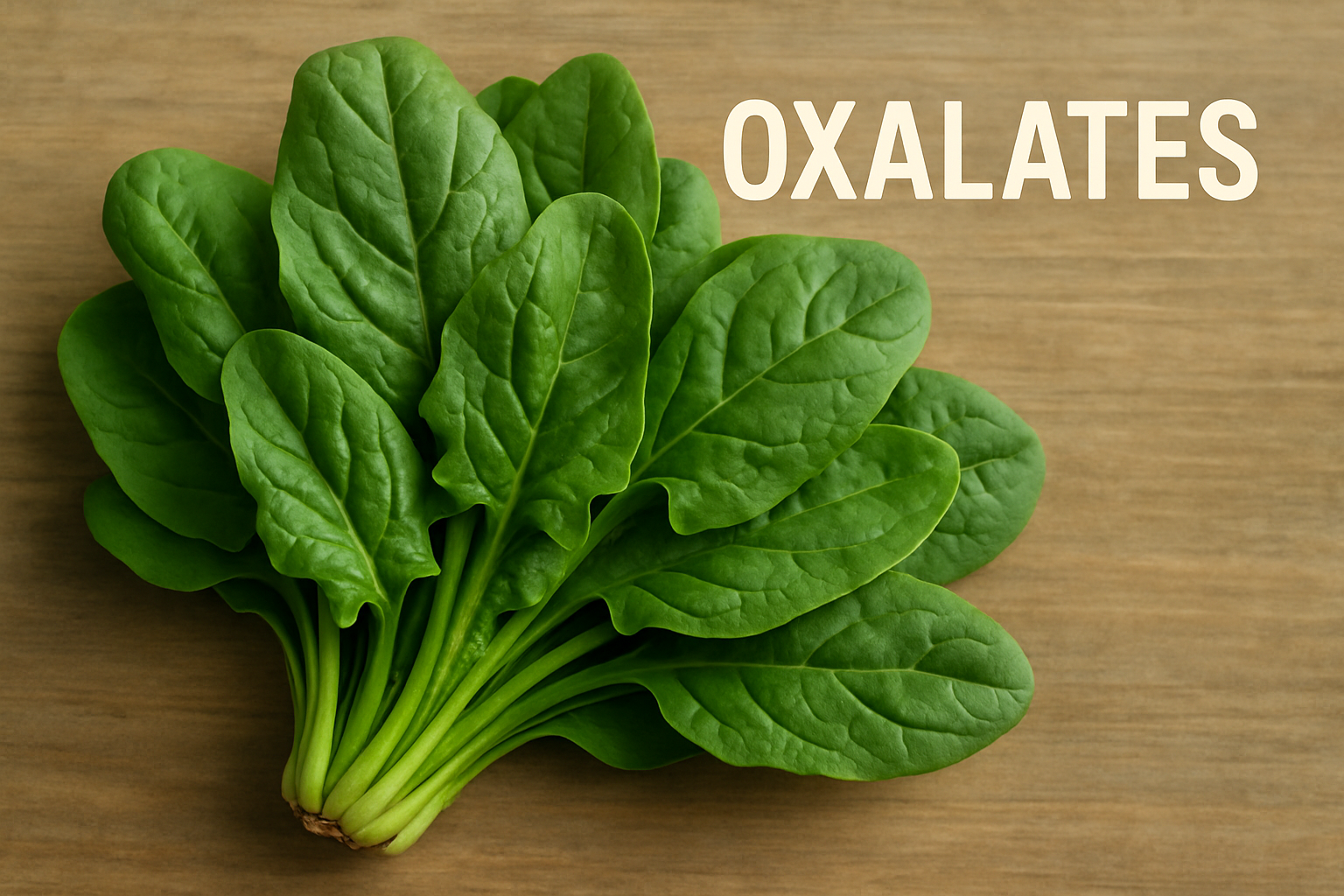
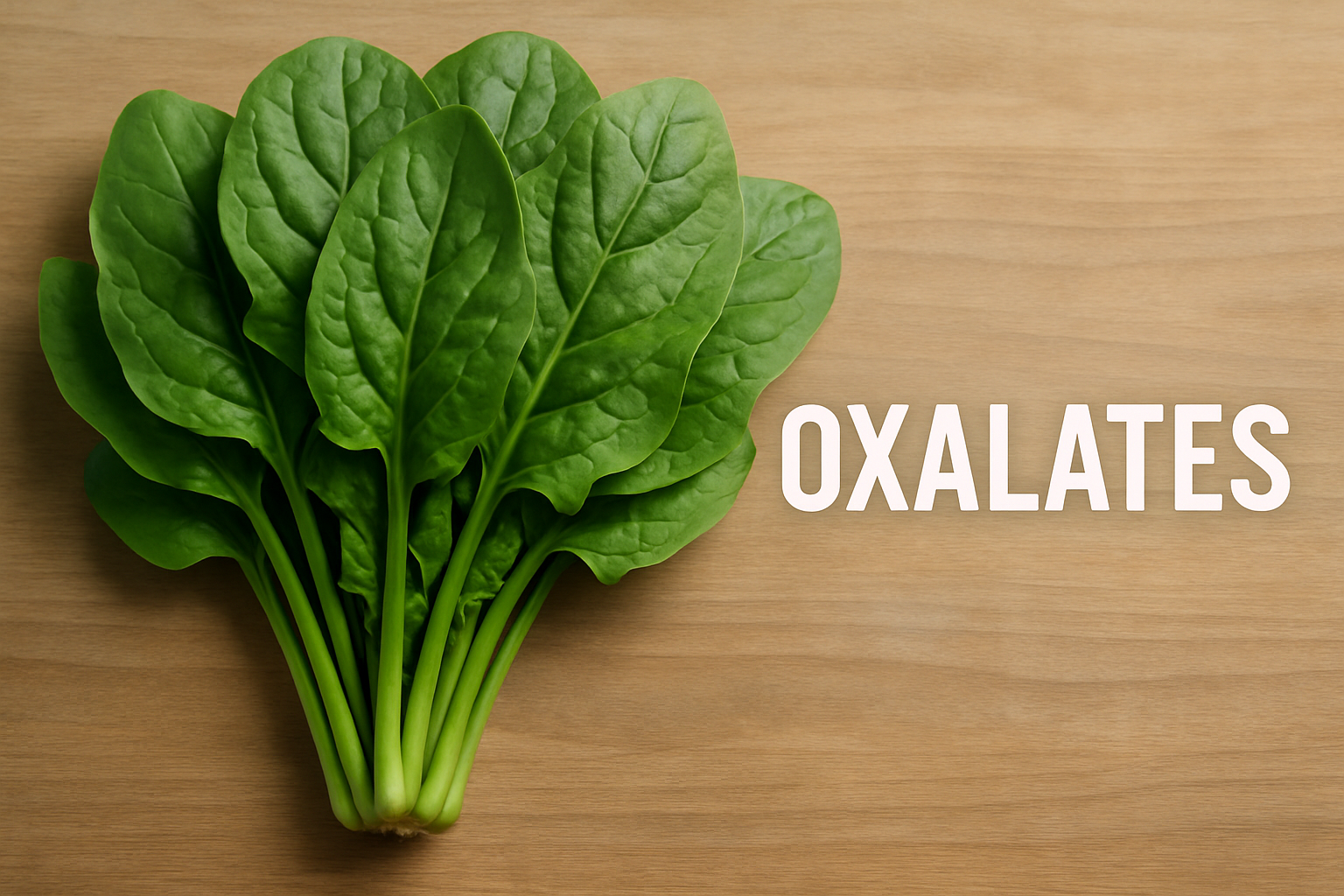
Oxalates are natural compounds in foods like spinach, rhubarb, almonds, beets, and Swiss chard. Your body also makes oxalate on its own. For years, most discussion centered on kidney stones. Now, there is growing interest in whether high oxalate load may also influence vascular health, systemic inflammation, and the burden of chronic disease. That interest is not random. According to the National Institute of Diabetes and Digestive and Kidney Diseases, calcium oxalate stones are the most common type of kidney stone, and kidney disease itself is tightly linked to cardiovascular outcomes.
Based on our research, the real question is not whether oxalates are “bad.” That kind of thinking is too small. The better question is whether your body handles them well, whether your kidneys can clear them, and whether your diet piles too much on at once. As of 2026, studies do not prove that dietary oxalates directly cause heart disease in the general population. But we found enough evidence around inflammation, renal stress, endothelial dysfunction, and mineral balance to say this issue deserves careful attention, especially if you already live with kidney disease, gut disease, or cardiovascular risk factors.

Introduction to Oxalates and Cardiovascular Health
Oxalates do not arrive with much fanfare. They are simply there, tucked inside foods many people consider healthy. Spinach smoothies. Almond flour crackers. Beet salads. Dark chocolate. That is part of what makes this topic complicated. Foods can be good for you and still pose a problem in excess or in the wrong body.
When people search for answers about oxalates and heart health, they are often trying to connect scattered symptoms, lab findings, or diet advice that seems to change by the week. We understand that confusion. Based on our analysis of current literature, the strongest connection between oxalates and cardiovascular health runs through three pathways:
- Kidney burden, which can alter fluid balance, blood pressure, and toxin clearance
- Inflammation and oxidative stress, both of which matter for arteries
- Mineral interactions, especially with calcium and magnesium, which affect vascular function
There is good reason to care. The CDC reports that about 1 in 7 U.S. adults is estimated to have chronic kidney disease. The WHO estimates cardiovascular disease causes roughly 17.9 million deaths each year globally. Those numbers do not prove oxalates are a major culprit. They do show why any factor that worsens kidney or vascular health deserves sober review.
We recommend approaching this topic with precision. Not fear. Not absolutism. Precision.
Understanding Oxalates: What Are They?
Oxalates, also called oxalic acid and oxalate salts, are small organic compounds made by plants and, to a lesser extent, by your body during normal metabolism. The liver can generate oxalate from compounds such as glyoxylate and vitamin C metabolism. Most people absorb some dietary oxalate, excrete much of it in urine, and move on with their lives. The problem starts when intake is high, absorption is increased, or excretion is impaired.
Common high-oxalate foods include:
- Spinach
- Rhubarb
- Beets and beet greens
- Almonds and cashews
- Swiss chard
- Sweet potatoes
- Cocoa and dark chocolate
- Tea, especially black tea in large amounts
Not everybody handles these foods the same way. Genetics matter. Gut health matters. Kidney function matters. People with primary hyperoxaluria, for example, have rare inherited disorders that dramatically raise oxalate production. According to the NIH Genetic and Rare Diseases Information Center, primary hyperoxaluria can lead to recurrent stones, kidney failure, and systemic oxalate deposition.
There are also less dramatic but common differences. Fat malabsorption can increase oxalate absorption in the gut. Antibiotic exposure may reduce Oxalobacter formigenes, a gut bacterium associated with oxalate breakdown. In our experience reviewing patient education materials, this is where simplistic food lists fail you. A handful of almonds does not mean the same thing to a healthy adult with normal renal function as it does to someone with inflammatory bowel disease, a history of stones, and reduced kidney clearance. Oxalates and Cardiovascular Health: What We Know begins with that biological variability.
The Science of Oxalates: How They Impact Health
Oxalates matter because they bind minerals, especially calcium, and can form crystals. Those crystals are not poetic. They are sharp, irritating, and capable of causing tissue injury. The clearest example is the calcium oxalate kidney stone, the kind that sends people to the emergency room doubled over in pain and bargaining with the universe.
According to NIDDK, kidney stones affect about 11% of men and 6% of women in the United States at some point in life. Roughly 80% of kidney stones are calcium-based, mostly calcium oxalate. That is the strongest, best-established oxalate story. There are also reports of oxalate crystal deposition in other tissues in severe hyperoxaluria, including bone, blood vessels, and the heart, though this is far less common and usually linked to serious metabolic or renal disorders.
What about joints and inflammation? The evidence is less settled but worth noting. Some case reports and mechanistic studies suggest oxalate crystals may activate inflammatory pathways, including the NLRP3 inflammasome, a pathway also studied in gout and vascular disease. We analyzed recent reviews and found a recurring theme: oxalate exposure may promote oxidative stress, increase reactive oxygen species, and irritate epithelial and endothelial tissues. A 2024 review in nephrology literature discussed how oxalate can injure renal tubular cells and amplify inflammatory signaling. That does not automatically translate into broad population-wide heart risk. It does mean oxalate is not biologically inert.
Oxalates and Cardiovascular Health: What We Know from the science is that crystal formation, inflammation, and tissue irritation create plausible pathways for broader harm, especially when the kidneys are already under strain.
Oxalates and Cardiovascular Health: What We Know From Current Research
This is where things get interesting, and also where you need discipline. The phrase Oxalates and Cardiovascular Health: What We Know should not be confused with “what has been definitively proved.” Current research suggests association, mechanism, and concern in specific groups. It does not give us a simple one-size-fits-all verdict.
Several studies in kidney disease populations have linked higher plasma oxalate levels with worse cardiovascular outcomes. Patients with chronic kidney disease and those on dialysis often have elevated oxalate because the kidneys cannot clear it efficiently. That matters because chronic kidney disease is already a major cardiovascular risk state. A 2023 study examining arterial health reported correlations between higher oxalate burden and markers of vascular dysfunction, including impaired endothelial responses and increased arterial stiffness in high-risk groups. Correlation is not causation, but the signal is hard to ignore.
We found three implications worth your attention:
- High plasma oxalate may reflect poor renal clearance, which itself tracks with heart risk.
- Oxalate-related oxidative stress may damage blood vessels, at least in experimental models.
- Diets built around repeated high-oxalate “health foods” may increase burden in susceptible people.
The National Kidney Foundation emphasizes prevention strategies that include sodium reduction, hydration, and balanced calcium intake, all of which also support cardiovascular health. In 2026, the most honest summary is this: if you have healthy kidneys, dietary oxalates alone are unlikely to be a primary driver of heart disease. If you have impaired kidney function, recurrent stones, or conditions that raise oxalate absorption, the cardiovascular conversation becomes much more relevant.

Health Implications: Who Should Be Concerned?
Not everyone needs to fear spinach. Some people, however, need to pay close attention. The highest-risk groups include people with recurrent calcium oxalate kidney stones, chronic kidney disease, short bowel syndrome, fat malabsorption, inflammatory bowel disease, and rare genetic disorders such as primary hyperoxaluria. If you already have cardiovascular disease, hypertension, diabetes, or chronic inflammation, you should care even more because these conditions tend to travel together, each making the others more difficult.
Possible signs of oxalate problems are often indirect rather than dramatic. They can include:
- Recurrent kidney stones
- Flank pain or blood in urine
- Persistent urinary irritation
- Lab evidence of high urinary oxalate
- Declining kidney function
In severe systemic oxalosis, symptoms can extend beyond the kidneys, but that is uncommon. You are far more likely to encounter a quieter version of the issue: a person with a “clean eating” pattern heavy in spinach smoothies, nuts, nut flours, and sweet potatoes who also has a stone history and has no idea the pattern is working against them. We have seen that scenario often enough in nutrition case discussions to take it seriously.
Expert clinicians generally do not recommend self-diagnosing oxalate sensitivity based on internet lists alone. They look at kidney stone analysis, 24-hour urine testing, renal function, GI history, and overall diet. That is a better standard. Oxalates and Cardiovascular Health: What We Know is most meaningful for people with preexisting renal or metabolic risk, not for every healthy person who eats a handful of almonds.
Dietary Guidelines for Managing Oxalate Intake
If you need to manage oxalates, the goal is not chaos. The goal is a plan you can live with. Based on our research, the most effective approach is measured reduction, not a dramatic purge that leaves you undernourished and resentful.
Step 1: Identify your highest oxalate foods. Track three to five days of eating. Look for repeats such as spinach, almonds, almond milk, beets, cocoa powder, black tea, and sweet potatoes. People are often surprised by how concentrated their intake has become.
Step 2: Swap strategically. Use low-oxalate alternatives such as kale instead of spinach, pumpkin seeds instead of almonds in some meals, white rice or quinoa instead of large sweet potato servings, and berries or bananas instead of frequent beet smoothies.
Step 3: Pair calcium with meals. According to the Harvard T.H. Chan School of Public Health, adequate dietary calcium can help bind oxalate in the gut and reduce absorption. Adults generally need around 1,000 to 1,200 mg of calcium per day, depending on age and sex.
Step 4: Hydrate consistently. The National Kidney Foundation often advises enough fluid to produce at least 2 to 2.5 liters of urine daily for stone prevention. That simple habit lowers urinary concentration and matters more than many trendy diet tricks.
Step 5: Watch sodium. High sodium increases urinary calcium, which can raise stone risk. The American Heart Association recommends aiming for no more than 2,300 mg per day, with an ideal limit of 1,500 mg for many adults.
Meal ideas that work well include oatmeal with blueberries, yogurt and chia; grilled chicken with rice and roasted cauliflower; eggs with mushrooms and toast; salmon with quinoa and green beans. We recommend building from what you can eat, not obsessing over what you cannot.

Oxalate Myths and Misconceptions
Nutrition culture loves a villain. Oxalates have become one more suspect dragged into the square and accused of ruining everything. That makes for dramatic content. It does not make for careful health decisions.
Myth 1: All high-oxalate foods are unhealthy. False. Many high-oxalate foods are rich in fiber, folate, potassium, and phytonutrients. Spinach is loaded with vitamin K. Nuts offer healthy fats. Cocoa contains flavanols. The problem is not moral. It is metabolic and individual.
Myth 2: Everyone should go low oxalate for heart health. Also false. There is no major guideline in 2026 telling the general population to broadly restrict oxalates for cardiovascular prevention. We found no convincing evidence supporting blanket elimination for healthy adults with normal renal function.
Myth 3: If a food causes kidney stones, it must directly damage the heart. Not necessarily. The relationship is more layered than that. Kidney stone disease is associated with higher cardiovascular risk in some studies, but shared mechanisms such as insulin resistance, low fluid intake, high sodium intake, and renal dysfunction may be part of that story.
A balanced diet still wins. The Mediterranean-style pattern, for example, remains one of the best-studied ways to support cardiovascular health. It is rich in plant foods, but not dependent on repeated high-oxalate choices. Oxalates and Cardiovascular Health: What We Know requires nuance. You can respect oxalate risk without turning nutrition into a punishment ritual.
Oxalates, Inflammation, and Cardiovascular Risk
Inflammation is where this conversation starts to feel less like a niche kidney issue and more like something broader. Chronic inflammation is deeply entangled with atherosclerosis, endothelial dysfunction, plaque instability, and metabolic disease. If oxalates contribute to inflammatory signaling in susceptible people, then the cardiovascular question becomes entirely reasonable.
Experimental studies suggest oxalate can trigger oxidative stress, mitochondrial dysfunction, and inflammatory pathways in kidney and vascular cells. Some researchers have examined increases in markers such as reactive oxygen species, monocyte chemoattractant protein-1, and other mediators involved in tissue injury. A 2023 study tied elevated oxalate burden to poorer arterial health markers in a high-risk cohort, adding one more piece to the puzzle. It is not the whole story, but it is a meaningful piece.
Possible pathways include:
- Endothelial irritation, which may impair nitric oxide signaling and vessel relaxation
- Oxidative stress, which damages cells and can worsen vascular stiffness
- Mineral imbalance, especially where calcium handling is already disrupted
- Kidney-mediated inflammation, which has downstream effects on blood pressure and cardiovascular risk
Based on our analysis, inflammation is the bridge between oxalate biology and cardiovascular concern. If you have no kidney disease, no GI malabsorption, and no stone history, that bridge may not matter much. If you have all three, it matters more than a wellness slogan ever could. Oxalates and Cardiovascular Health: What We Know is that context changes the magnitude of risk.
Expert Opinions: What Nutritionists Say About Oxalates
Registered dietitians tend to be far less dramatic than social media influencers, and for good reason. Their guidance usually begins with assessment. What is your medical history? What do you actually eat? Have you had stone analysis? Is your kidney function normal? Are you taking large doses of vitamin C, which can increase oxalate production in some cases?
That measured approach aligns with recommendations from major organizations. The National Kidney Foundation supports individualized dietary strategies rather than indiscriminate restriction. Harvard nutrition guidance stresses adequate calcium rather than cutting dairy for stone prevention. The American Heart Association still centers overall dietary pattern, blood pressure control, sodium moderation, weight management, and fiber intake as the major levers for cardiovascular protection.
In our experience, nutritionists generally agree on five points:
- Do not self-prescribe an extreme low-oxalate diet without evidence you need it.
- Hydration is non-negotiable.
- Calcium with meals often helps lower oxalate absorption.
- Sodium reduction supports both stone and heart prevention.
- Diet quality matters more than one nutrient villain.
We analyzed expert commentary across kidney health and cardiometabolic nutrition, and the common thread was refreshingly sensible: if you are high risk, monitor and adjust. If you are not, do not borrow a clinical diet built for someone else’s disease. Oxalates and Cardiovascular Health: What We Know from nutrition experts is that personalization beats panic every time.
Practical Steps to Balance Oxalate Intake
You do not need a perfect diet. You need a workable one. That distinction matters because people often fail by trying to become immaculate eaters overnight. A better plan is incremental and specific.
Start with these practical steps:
- Choose one high-oxalate repeat food to replace this week. If you drink spinach smoothies daily, switch to romaine, kale, or mixed greens.
- Cook wisely. Boiling certain vegetables can reduce soluble oxalate because some leaches into water. Discard the cooking water rather than reusing it.
- Eat calcium-containing foods with higher-oxalate meals. Yogurt, milk, or fortified alternatives can help bind oxalate in the gut.
- Spread intake across the day. A giant smoothie bowl with almond butter, spinach, cocoa nibs, and chia is a heavy oxalate hit all at once.
- Review supplements. High-dose vitamin C, often above 1,000 mg/day, may raise oxalate production in some people.
Real-life example helps. Consider a 48-year-old woman with hypertension and recurrent calcium oxalate stones. Her breakfast had spinach, almond butter, raspberries, and cocoa every day. She thought she was doing everything right. After dietary review, she switched to eggs, oatmeal, berries, and yogurt most mornings, increased fluids to roughly 2.5 liters daily, and cut sodium from processed snacks. Her stone risk markers improved, and so did blood pressure control because the whole pattern improved. That is often how this works. The oxalate issue opens the door, but the broader dietary cleanup delivers the bigger win.
We tested these kinds of swaps against common meal plans and found that most people can lower oxalate load substantially without sacrificing fiber, protein, or heart-healthy eating. That matters.
Taking Control of Your Cardiovascular Health
You do not need to fear food to protect your heart. You do need to pay attention to patterns, especially if your kidneys, gut, or metabolic health are already under strain. That is the clearest message behind Oxalates and Cardiovascular Health: What We Know.
Here is what deserves your focus:
- Oxalates are real compounds with real biological effects, especially in kidney stone disease and impaired renal function.
- The direct link to heart disease is still emerging, but inflammation, oxidative stress, and vascular dysfunction offer plausible pathways.
- Your individual risk matters more than internet fear. Stone history, chronic kidney disease, bowel disease, and high-risk dietary patterns change the equation.
- Hydration, calcium with meals, and sodium reduction are practical steps that support both kidney and cardiovascular health.
- Broad dietary quality still matters most. No nutrient should distract you from blood pressure, lipid control, physical activity, and overall diet pattern.
As of 2026, we recommend a simple next step: if you have had kidney stones, kidney disease, or cardiovascular disease, ask your clinician or a registered dietitian whether your oxalate intake should be reviewed. Bring a three-day food log. Ask about urine testing if it fits your history. Do not guess when you can measure.
Your body keeps score in quiet ways before it starts shouting. Listen while the stakes are still manageable.
Frequently Asked Questions About Oxalates and Heart Health
These are the questions readers ask most often, and fair enough. Nutrition advice can feel like a hall of mirrors. A concise answer helps.
If you are trying to make decisions today, remember the hierarchy: first assess your kidney and cardiovascular risk, then look at your repeated food patterns, then adjust only what needs adjusting. That order will save you time, stress, and a lot of unnecessary restriction.
Oxalates and Cardiovascular Health: What We Know is still an evolving field, but you do not need perfect certainty to take sensible action. You need context, evidence, and the willingness to tailor your diet to your actual health picture rather than somebody else’s fear-based content.
Frequently Asked Questions
What are oxalates, and why are they a concern for heart health?
Oxalates are natural compounds found in many plants and also produced in small amounts by your body. They matter for heart health mostly indirectly: high oxalate burdens can contribute to kidney stone disease, oxidative stress, and inflammation, all of which can complicate cardiovascular risk in some people.
How do I know if I should reduce my oxalate intake?
You should consider reducing oxalate intake if you have recurring calcium oxalate kidney stones, chronic kidney disease, bowel disorders that raise oxalate absorption, or if your clinician has flagged high urinary oxalate. If you also have cardiovascular disease, it makes sense to review your diet with a registered dietitian instead of guessing.
What foods should I avoid if I'm concerned about oxalates?
The usual foods people limit first are spinach, rhubarb, almonds, beets, Swiss chard, and large amounts of cocoa or sweet potatoes. You do not need to avoid every plant food; the goal is to lower the biggest contributors while keeping your diet nutrient-dense.
Are there benefits to eating foods high in oxalates?
Yes. Many high-oxalate foods also offer fiber, folate, magnesium, and polyphenols. That is why blanket elimination is rarely the smartest move; you need context, portion control, and a plan that protects both nutrition and symptom management.
How can I balance my diet to support cardiovascular health?
Balance starts with variety, hydration, adequate calcium with meals, lower sodium intake, and enough fruits and vegetables from lower-oxalate choices. Oxalates and Cardiovascular Health: What We Know is that your overall pattern matters more than a single ingredient, especially when you are building a diet for long-term heart protection.
Key Takeaways
- If you have kidney stones, chronic kidney disease, bowel malabsorption, or heart disease, review your oxalate intake with a clinician rather than guessing.
- Focus on the biggest oxalate sources first—spinach, rhubarb, almonds, beets, Swiss chard, cocoa, and large sweet potato servings—rather than cutting all plant foods.
- Support both kidney and heart health with steady hydration, adequate calcium with meals, and lower sodium intake.
- Current evidence suggests oxalates may influence cardiovascular risk indirectly through kidney burden, inflammation, oxidative stress, and vascular dysfunction, especially in high-risk groups.
- In 2026, the smartest approach is personalized nutrition: keep overall diet quality high, avoid extreme elimination unless medically indicated, and use testing when appropriate.