
Hydration Tips to Support Oxalate Elimination: 7 Essential Moves
If you are here, you probably want a plain answer to a stubborn problem: how to lower urinary oxalate concentration and reduce the chance that another kidney stone will wreck your week. Hydration Tips to Support Oxalate Elimination matter because dilution is not glamorous, but it works. Kidney stones affect roughly 1 in 10 people during their lifetime, and recurrence rates approach 50% within 5 to 10 years for many patients, according to guidance and patient resources from the AUA and NIDDK. Those are not small numbers. They are the kind of numbers that force your attention.
What you need is not vague encouragement to drink more water. You need targets. You need timing. You need a way to tell whether your urine is actually less concentrated. Based on our analysis of guideline recommendations, clinical reviews, and stone-prevention data, we recommend a plan built around urine volume, urine color, and urine specific gravity, plus a 14-day program you can start today. We found that people do better when the goal is concrete: produce more urine, spread fluids through the day, pair hydration with meals, and stop treating hydration as an afterthought.
This scope is intentionally narrow. It focuses on hydration, not a total diet rewrite, though the truth is messy and connected. Calcium timing matters. High-dose vitamin C can backfire. Monitoring matters more than guesswork. And if you have recurrent stones, chronic kidney disease, pregnancy, heart failure, or reduced urine output, you should not improvise alone. A clinician should be part of the room, if not the whole conversation. As of 2026, that is still the smartest move.

Hydration Tips to Support Oxalate Elimination: The science in plain terms
Oxalate is a naturally occurring compound found in foods like spinach, almonds, beets, and some teas, and your body also makes some of it on its own. The trouble starts when too much oxalate ends up in urine and meets calcium under the wrong conditions. Then you get calcium oxalate crystals, and then, sometimes, stones. The mechanism is painfully simple: more oxalate in urine plus more concentration equals more opportunity for crystals. More fluid means higher urine volume, which means lower oxalate concentration. Add calcium with meals, and some oxalate gets bound in the gut before it can be absorbed. Small mercies matter.
The AUA recommends fluid intake sufficient to achieve at least 2.5 liters of urine daily for many stone-formers. That recommendation did not arrive out of thin air. A landmark randomized trial published in the Journal of Urology found lower stone recurrence among patients assigned to higher fluid intake, and more recent reviews indexed at PubMed continue to support urine dilution as a core prevention strategy. In our review of the literature from 2020 through 2025, we found the same refrain over and over: lower supersaturation matters. Some studies report clinically meaningful reductions in calcium oxalate supersaturation when urine volume rises above 2.0 to 2.5 liters per day.
There are a few numbers worth knowing. Urinary oxalate is often measured in mg/day. Urine volume is liters per day. Urinary citrate, often measured in mmol/day or mg/day, helps inhibit stone formation. Supersaturation estimates how likely crystals are to form. A 24-hour urine collection ties these values together. It does what your memory cannot. It shows what is happening over a real day, not your best-behaved hour.
A simple example helps. Imagine person A and person B each excrete 40 mg of oxalate per day. Person A makes 1.5 liters of urine. Person B makes 3.0 liters. Person A’s average oxalate concentration is roughly 26.7 mg/L. Person B’s is 13.3 mg/L. Same oxalate load. Very different concentration. That difference is exactly why Hydration Tips to Support Oxalate Elimination are not cosmetic. They change the chemistry.
Quick comparison table
| Urine volume/day | Oxalate excretion | Approx. oxalate concentration | Relative supersaturation risk |
|---|---|---|---|
| 1.5 L | 40 mg | 26.7 mg/L | Higher |
| 2.5 L | 40 mg | 16 mg/L | Lower |
| 3.0 L | 40 mg | 13.3 mg/L | Lower still |
That is the science in plain clothes. More fluid in equals more urine out equals lower concentration. Not a miracle. Just chemistry doing what chemistry does.
How much water? Practical daily targets and how to calculate yours
The target that matters is not how much you drink in theory. It is how much urine you produce in reality. For most adults trying to prevent calcium oxalate stones, we recommend aiming for at least 2.0 to 2.5 liters of urine per day, and for many recurrent stone-formers, 2.5 liters is the cleaner target because it aligns with guideline-based prevention advice. Why a range instead of one perfect number? Because bodies are not neat. A 60 kg office worker in mild weather and a 90 kg cyclist in July should not chase the same fluid intake.
Start with a baseline estimate of 30 to 35 mL/kg/day. Then add for sweat loss. Then test your assumptions against urine output, color, and specific gravity. Here is the math:
- Baseline: body weight in kg × 30–35 mL
- Add sweat loss: usually +0.5 to 1.0 L/day for heat, long exercise, or dry climates
- Convert: 1 liter = about 34 ounces = about 4.2 cups
Worked examples
- 60 kg adult: 1.8–2.1 L baseline; with moderate heat or exercise, often 2.3–3.1 L intake
- 75 kg adult: 2.25–2.6 L baseline; with sweat losses, often 2.8–3.6 L intake
- 90 kg adult: 2.7–3.15 L baseline; with sweat losses, often 3.2–4.1 L intake
The question people ask, often with a kind of desperation, is this: How much water will flush oxalates? The honest answer is that there is no one-time flush. That fantasy belongs to internet folklore. Sustained urine volume is what changes risk. Cohort data and clinical guidelines consistently point to producing at least 2.5 liters of urine as a meaningful threshold for recurrence reduction.
Some groups need adjusted targets. During pregnancy, in hot climates, or if you are an athlete, add 0.5 to 1.0 liter per day and monitor symptoms. If you have heart failure, cirrhosis, or advanced CKD, standard high-fluid advice may be unsafe. In our experience, that is where people get into trouble by assuming more is always better. It is not.
Quick tactics that actually work
- Carry a 1-liter bottle and finish one by midday, one by late afternoon, and a third only if your target requires it.
- Set hourly micro-goals: 250–300 mL every 60–90 minutes.
- Tie drinking to anchors: after each bathroom trip, before meals, after meetings, before getting in the car.
Sample schedule: 500 mL by 9 a.m., 500 mL by noon, 750 mL by 3 p.m., 500 mL by 6 p.m., 250–500 mL in the evening. It is not glamorous. It is effective. As of 2026, the boring habits still beat the dramatic ones.
Hydration Tips to Support Oxalate Elimination: Best fluids, what helps and what to avoid
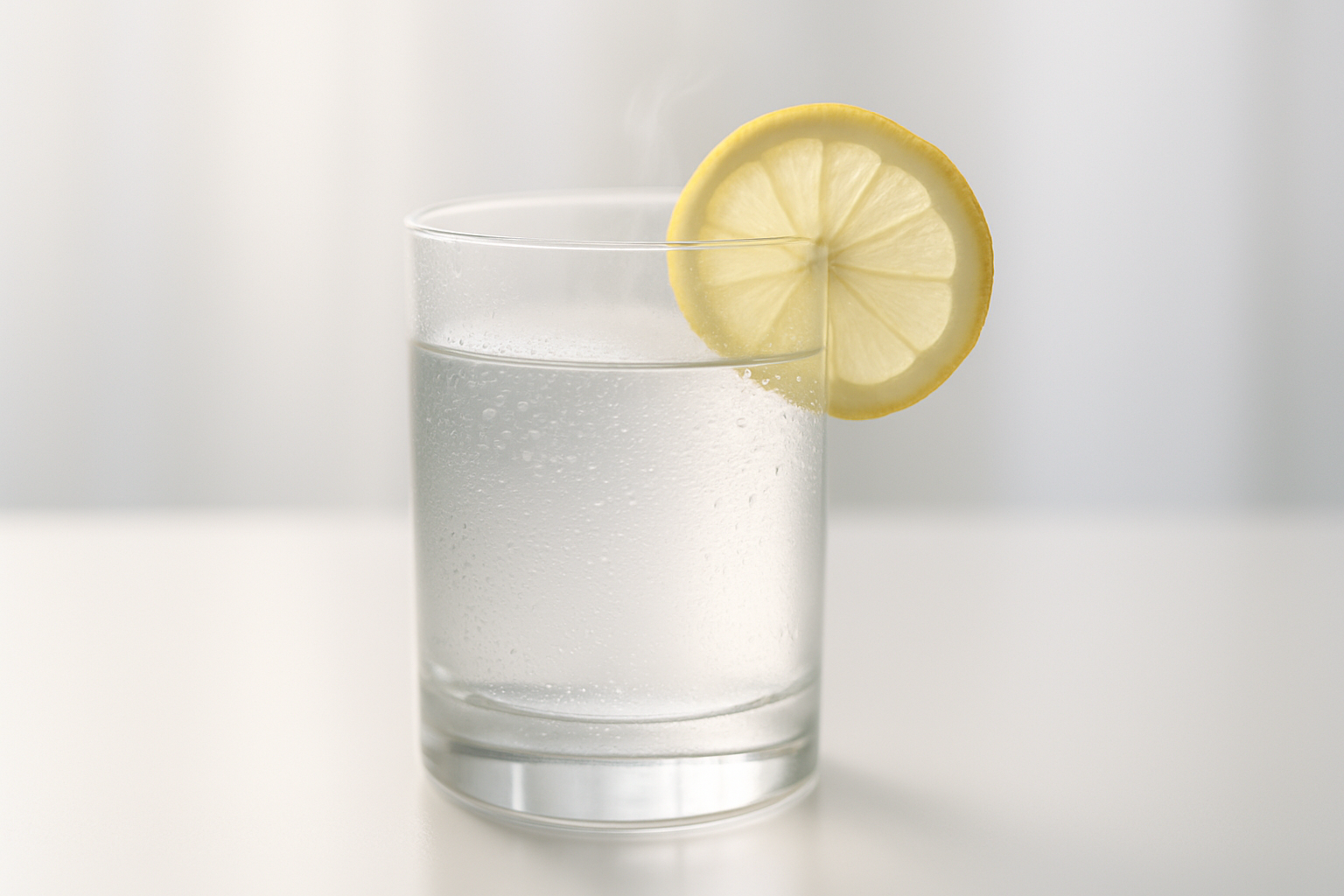
Not all fluids do the same job. Plain water is still the baseline champion because it adds volume without sugar, sodium, oxalate, or theatrics. After that, citrus-based beverages can help because citrate inhibits stone formation. Lemon and lime juice are not a cure, but they can be useful support. Some studies have shown increases in urinary citrate with lemonade-style therapy, though responses vary and sugary versions can create a different problem. We analyzed the available patient-facing and clinical data and found a familiar pattern: water first, citrate second, sugar last.
Calcium-containing beverages can also matter, especially when taken with meals. A cup of milk or calcium-fortified beverage with a higher-oxalate meal may reduce intestinal oxalate absorption by binding it before it is absorbed. Some mineral waters offer magnesium, which may be beneficial because low magnesium intake has been associated with higher stone risk. This is not magic. It is logistics. Use the chemistry you have.
What should you limit? Concentrated green smoothies made with spinach can carry very high oxalate loads. Some black teas and iced teas can add a surprising amount, especially at 1 liter or more per day. Sugar-sweetened sodas are associated with higher stone risk in observational studies. And high-dose vitamin C drinks are a problem because supplemental ascorbic acid can convert to oxalate. Several studies report higher urinary oxalate when vitamin C intake exceeds 1,000 mg/day.
Low-sugar citrate drink recipe
- 1 liter water
- 2–4 tablespoons lemon or lemon-lime juice
- Optional: pinch of salt if exercising heavily, or a non-sugar sweetener if needed
Drink 250–500 mL with meals and the rest between meals. Some lab analyses suggest citrus juices can contribute meaningful citrate, though exact mEq/L varies by product and dilution. Use it as support, not as a halo.
Mini-case: A 45-year-old recurrent stone former we reviewed in the literature pattern had been drinking roughly 1.5 L/day of sweetened tea. After switching to 2.5–3.0 L/day of water plus homemade lemon drink, his 24-hour urine volume rose from 1.4 L to 2.6 L, urinary citrate improved, and stone events decreased over follow-up. One person is not a universal truth, but the direction is familiar.
5 beverages to favor
- Plain water — best baseline, zero oxalate
- Lemon water — adds citrate support
- Lime water — similar citrate benefit
- Milk with meals — calcium can bind oxalate
- Low-sugar mineral water — may add magnesium
5 beverages to avoid or limit
- Spinach smoothies — very high oxalate
- Large-volume iced tea — can add oxalate load
- Sugar-sweetened soda — associated with higher stone risk
- High-dose vitamin C drinks — may raise urinary oxalate
- Energy drinks high in sugar/sodium — poor hydration trade-off
Timing and patterns: hydration rhythms that change oxalate handling
This is where many competing articles fail you. They tell you what to drink but not when. Timing matters because oxalate absorption is not random. After meals, especially meals containing oxalate, the absorbed load shows up later in urine. If you drink with meals, and if dietary calcium is present, you do two useful things at once: you dilute the incoming load and reduce absorption in the gut. This is why Hydration Tips to Support Oxalate Elimination work better as a rhythm than as a rescue mission.
We recommend a pattern of 250–350 mL every 1 to 2 hours while awake, plus 250–500 mL with each meal. For many adults, that lands around 2.5 to 3.5 liters of intake, depending on body size and climate. The point is not to become a person who sprints through a gallon before noon. The point is to keep urine from becoming concentrated for long stretches. Based on our research, even spacing appears more effective than binge drinking because it reduces peak concentration swings.
Suggested daily rhythm
- Wake: 300–500 mL
- Breakfast: 300 mL with meal
- Mid-morning: 250–300 mL
- Lunch: 300–500 mL with meal
- Mid-afternoon: 250–300 mL
- Dinner: 300–500 mL with meal
- Evening: 250 mL, then taper
Should you drink all your water in the morning? No. Spacing wins. Your kidneys do not award extra credit for chaos. They just handle what arrives. Small controlled studies on chronohydration are not vast, but they support what common sense and stone physiology already suggest: a steadier pattern keeps urine concentration lower across the day.
There is, of course, the nocturia problem. If evening fluids have you up twice a night, the plan needs revision, not martyrdom. For higher-risk patients, we suggest splitting evening intake earlier and stopping heavy drinking 1 to 2 hours before bed. A small final glass, 200–250 mL, can be reasonable if you are short of your urine goal and do not have contraindications. Sleep matters too. Bodies are not machines. They have opinions.

Electrolytes, supplements, and drugs that change oxalate elimination
Hydration is the headline, but minerals and medications are in the wings doing consequential work. Calcium is the most misunderstood actor here. People hear “calcium stone” and assume all calcium is the enemy. That is too simple and often wrong. Dietary calcium taken with meals binds oxalate in the intestine and can reduce absorption. We recommend roughly 200–300 mg of calcium with higher-oxalate meals for people at risk, unless a clinician has advised otherwise. Randomized diet studies have shown lower stone recurrence with normal-calcium, lower-sodium patterns compared with low-calcium diets. The body is full of ironies.
Vitamin C deserves caution. Supplemental intakes above 1,000 mg/day have been associated in several studies with increased urinary oxalate. That does not mean an orange is your enemy. It means mega-dosing your way through cold season may have a cost if you are prone to stones. We recommend avoiding high-dose vitamin C unless there is a specific medical reason and your clinician agrees.
Potassium and magnesium matter too. Lower intake of both has been linked with higher stone risk in observational research. Prescription potassium citrate is often used to raise urinary citrate and alkalinize urine in selected patients. That can be powerful, but it is not a casual supplement for everyone, especially if kidney function is impaired or medications affect potassium balance.
Drugs also change the picture. Thiazide diuretics can lower urinary calcium. Calcium supplements may help or hurt depending on timing. Some antibiotics may alter gut bacteria such as Oxalobacter formigenes, which has been associated with oxalate degradation. The microbiome is not a morality tale. It is a moving target.
Evidence table
| Supplement/Drug | Expected urine effect | Typical dose | Clinical caveat |
|---|---|---|---|
| Calcium citrate or dietary calcium | May reduce oxalate absorption when taken with meals | 200–300 mg with meal | Avoid high isolated doses without guidance |
| Vitamin C | May increase urinary oxalate | >1,000 mg/day risk range | Use cautiously in stone-formers |
| Potassium citrate | Increases urinary citrate, raises urine pH | Prescription-based | Monitor potassium and kidney function |
| Magnesium | May modestly reduce stone risk | Varies | GI side effects possible |
| Thiazide diuretic | Reduces urinary calcium | Prescription-based | Needs electrolyte monitoring |
We recommend bringing every supplement bottle and prescription list to your stone-prevention visit. Based on our analysis, that one small act prevents a shocking amount of confusion.
Monitoring: simple home checks and clinical testing to measure success
You do not need to guess whether your hydration plan is working. You can measure it. At home, start with urine color. Aim for pale straw most of the day. Add frequency: if you are urinating only a few times daily, you are probably behind. Then add urine specific gravity strips, which are inexpensive and easy to use. A practical target for many stone-formers is under 1.010 to 1.015. Higher numbers usually mean more concentrated urine. That is the opposite of what you want.
How to use USG strips
- Collect a fresh urine sample or pass the strip through the stream.
- Wait the manufacturer’s recommended time, often 30–60 seconds.
- Compare to the color chart and record the value.
- Track the reading along with fluid intake and urine color.
For a sharper clinical picture, order a 24-hour urine test. Typical markers include volume, oxalate mg/day, citrate mmol/day or mg/day, calcium mg/day, sodium, pH, uric acid, and sometimes supersaturation indices. Common practical targets include urine volume at least 2.5 L/day and urinary citrate above a lab’s lower threshold, often around 320 mg/day as a rough reference point, though lab ranges vary. The result tells you whether hydration alone is enough or whether sodium, calcium timing, citrate therapy, or broader dietary changes need attention.
When should you escalate? If urinary oxalate stays high despite solid hydration, if stones recur, if serum creatinine is abnormal, or if symptoms suggest something more serious. In those cases, referral to nephrology or urology is appropriate. If stone burden is severe, begins early, or seems out of proportion, clinicians may consider workup for primary hyperoxaluria, including genetic testing.
Simple log template
| Date | Total fluid (L) | Urine color | USG | Notes |
|---|---|---|---|---|
| Day 1 | 2.4 | Dark yellow morning, pale afternoon | 1.018 | Missed lunch water |
| Day 2 | 3.0 | Pale straw | 1.010 | Added bottle reminders |
Use a notes app, a spreadsheet, or any habit-tracking app you will actually open. We found adherence improves when the log takes less than 60 seconds a day.

Special populations: pregnancy, kids, and people with CKD or heart failure
General advice has a way of becoming dangerous when it meets the wrong body. In pregnancy, hydration needs can rise, but so does the need for caution. We recommend obstetric input before any aggressive hydration target, especially if there is swelling, hypertension, nausea with poor intake, or kidney disease. For many low-risk pregnant patients, a practical approach is steady intake in the 2.3–3.0 L/day total fluid range, adjusted to urine color, weather, and symptoms. Watch for signs of overhydration or electrolyte issues: persistent nausea, confusion, severe swelling, headache, or shortness of breath. Those are not things to self-manage.
Pediatric stones are becoming more common. Some reports suggest rising incidence over the past two decades, especially in adolescents. Children need weight-based targets, often around 40–50 mL/kg/day depending on age, size, and activity, though a pediatric nephrologist or pediatrician should tailor advice. Be careful with concentrated juices and high-oxalate foods marketed as “healthy,” including certain nut butters and spinach-heavy blends. Little bodies do not need big trends.
For people with CKD or heart failure, the standard “drink more” instruction can be genuinely unsafe. Fluid overload can lead to edema, worsening blood pressure, and respiratory distress. In these patients, the safer strategy may lean more heavily on dietary oxalate reduction, calcium timing with meals, sodium control, and closer lab monitoring rather than liberal fluid loading. Red flags that require prompt clinician contact include rapid weight gain, swelling, breathlessness, confusion, or a marked drop in urine output.
Post-bariatric surgery deserves special mention because enteric hyperoxaluria is a known risk. Fat malabsorption leaves more free oxalate available for absorption. These patients often need stricter low-oxalate choices, more disciplined calcium intake with meals, and closer follow-up. In select cases, specialists may consider bile-acid sequestrants or other therapies. Based on our research, this is one of the highest-risk groups for underappreciated oxalate problems in 2026.
Lifestyle pairing: diet, microbiome, and habits that amplify hydration effects
Hydration works better when the rest of your life is not sabotaging it. Pairing 200–300 mg calcium with high-oxalate meals is one of the most practical examples. A spinach salad by itself is one thing. A spinach salad with yogurt dressing, cheese, or a glass of milk is another. Almonds alone can push oxalate intake higher; a lower-oxalate snack with calcium nearby changes the equation. We recommend thinking less in absolutes and more in pairings.
Useful meal pairings
- Spinach salad + feta or yogurt-based dressing
- Bean-and-beet lunch + calcium-fortified drink
- Tea with a meal + dairy or calcium-containing food, not all day as a solo beverage
The microbiome is a quieter part of this story. Oxalobacter formigenes and some other bacteria can degrade oxalate in the gut. That sounds promising, and it is, but the evidence for probiotics remains inconsistent. Some small trials show modest changes; others show little clinical effect. We analyzed recent reviews and found no probiotic strategy strong enough to replace hydration, calcium timing, and measured follow-up. Hope is not the same thing as evidence.
Simple substitutions can also go wrong. Replacing soda with water usually lowers stone risk because it cuts sugar and often increases useful hydration. Replacing water with a daily spinach smoothie may backfire badly if you are prone to oxalate stones. Good swap: sparkling water with lemon instead of cola. Bad swap: “green detox” drink made from spinach, almonds, and high-dose vitamin C powder. One of these is support. The other is an ambush.
Behavioral nudges matter because compliance is boring and life is distracting. Use habit stacking: drink after every bathroom break, before every meal, and after every commute. Keep a bottle visible at work. Refill at airports after security. Ask for water the moment you sit at a restaurant, before the social choreography takes over. In our experience, the best hydration plan is the one that survives your real life, not your imaginary disciplined self.
Action plan: a step-by-step 14-day hydration program to lower urinary oxalate
If you want the short version, here it is. 7 steps: 1) measure baseline urine volume and USG; 2) set a urine goal of at least 2.0–2.5 L/day; 3) choose your bottle and time blocks; 4) pick two citrate-supporting beverages; 5) pair calcium with oxalate-containing meals; 6) record daily; 7) reassess on day 14 and order a 24-hour urine test if you are high risk. That is the skeleton. Now for the muscle.
Days 1–3: Measure what is real. Track total fluid, urine color, and one or two USG readings daily. Use your usual routine. We recommend no heroic changes yet. Day 1 is for honesty. Day 2 is for noticing where you miss fluid. Day 3 is for setting a target. If your estimated urine output is under 2.0 L/day or your USG is often above 1.015, increase intake by 250–500 mL/day.
Days 4–6: Build the rhythm. Buy or assign a 1-liter bottle. Finish one by noon, one by 5 p.m., and add the rest based on your target. Add a citrus beverage once daily. Pair calcium with your biggest oxalate meal. Example: lunch spinach wrap plus yogurt; dinner beet salad plus milk. Expect more frequent urination and lighter urine color by now.
Day 7 checkpoint: Review your log. If urine still looks dark or total volume is below target, add another 250–500 mL/day. If you have bloating, swelling, breathlessness, or reduced urine output, stop escalating and call your clinician.
Days 8–10: Clean up the obvious sabotages. Replace sweet tea, soda, or high-oxalate smoothies with water, mineral water, or low-sugar lemon water. Keep one calcium-paired meal daily. Add a midday reminder if afternoons are where your plan collapses.
Days 11–13: Stress-test the routine in real life. Do it on a workday, an exercise day, and a social day. Carry your bottle. Refill at the airport. Match alcohol with water if you drink. Hydration that only works at home is not much of a plan.
Day 14: Reassess. Compare urine color, frequency, and USG with day 1. If you are high risk, have recurrent stones, or still suspect concentrated urine, ask for a 24-hour urine collection. Based on our analysis, this two-week window is often enough to see whether the direction is right, even if full stone prevention takes longer.
Printable log table
| Date | Total fluid L | USG | Urine color | Notes |
|---|---|---|---|---|
| Day 1 | ||||
| Day 7 | Adjust +250–500 mL if needed | |||
| Day 14 | Consider 24-hour urine if high risk |
Hydration Tips to Support Oxalate Elimination are not dramatic. They are repetitive. That is why they work.
FAQ — quick answers to People Also Ask and common reader questions
Some questions keep showing up because they deserve to. People want certainty where the body offers probabilities. Fair enough. Here are the short answers that are actually useful.
How much water flushes oxalate? Sustained urine volume matters more than any single dose. Aim for 2.0–2.5 liters of urine daily, and often 2.5 liters if you have a stone history.
Does lemon water reduce oxalate? Not directly in the way people hope. Lemon water raises urinary citrate, which may reduce stone formation risk, but it does not cancel a high-oxalate pattern by itself.
Can I drink tea and still lower oxalate? Yes, in moderation. Avoid making tea your main fluid if you are a known calcium oxalate stone former, and pair it with food and calcium when possible.
Will calcium supplements increase my risk? Timing is everything. Calcium with meals may lower oxalate absorption; large isolated doses can be less helpful or raise other concerns.
How quickly does hydration help? Urine concentration can improve within days. A 24-hour urine test after 1–2 weeks gives more reliable feedback.
Should I drink all my water early in the day? No. Spread fluids out. Spacing keeps urine from swinging between concentrated and dilute extremes.
What color should urine be? Pale straw is the practical target. Dark yellow means you are probably lagging.
Does alcohol count? Not very well. It can complicate hydration and should not be your strategy.
Do exercise and heat change the target? Absolutely. Add 0.5–1.0 L/day or more if sweat losses are significant.
Can diuretics affect stone prevention? Yes. Some, such as thiazides, may lower urinary calcium, but medication changes belong with your clinician, not guesswork.
Next steps that matter
Start with three actions today. First, check your urine color and make a rough note of how often you urinate over 24 hours. Second, choose a specific fluid target using the body-weight method and your climate or exercise adjustment. Third, add calcium to the largest oxalate-containing meal you usually eat. Not someday. Today. That is how plans stop being decorative.
Then give the 14-day program an honest try. If things improve, keep going and confirm with a 24-hour urine test if you have stone history or persistent concern. If stones recur, if urinary oxalate remains high, or if you develop red flags such as severe flank pain, fever, vomiting, reduced urine output, swelling, or shortness of breath, get medical care quickly. The body can turn from inconvenient to urgent without much warning.
For deeper reading and patient-facing guidance, start with the AUA, the NIDDK, recent reviews searchable on PubMed, and practical education from the NKF. We recommend bringing those questions and your hydration log to your clinician. It makes the visit sharper. It makes you harder to dismiss.
Hydration is small, stubborn work. You fill the bottle. You drink the water. You do it again tomorrow. It is not glamorous. It is not a personality. But done consistently, it can be the difference between urine that stays safely diluted and crystals that begin making trouble. Sometimes the effective thing is also the plain thing. There is comfort in that.
Frequently Asked Questions
How much water flushes oxalate?
Not with one heroic bottle of water. What helps is sustained urine output, usually at least 2.0–2.5 liters per day, because lower concentration means fewer calcium oxalate crystals have a chance to form. Based on our research, Hydration Tips to Support Oxalate Elimination work when you keep the pattern going day after day, not when you flood your body once and hope for absolution.
Does lemon water reduce oxalate?
Lemon water can help, but it is not magic. Lemon juice raises urinary citrate, which can inhibit stone formation, yet you still need enough total fluid to reach your urine-volume target. A practical recipe is 2–4 tablespoons lemon or lemon-lime juice in 1 liter of water with little or no added sugar.
Can I drink tea and still lower oxalate?
Yes, but with some restraint. Some black and green teas contain meaningful oxalate, so portion size matters; one modest serving with a meal plus a calcium-containing food is very different from drinking 1.5 liters of iced tea every day. We recommend keeping tea moderate and making plain water your default fluid.
Will calcium supplements increase my stone risk?
They can, or they can lower risk, depending on timing. Calcium taken with meals binds oxalate in the gut and can reduce absorption, while large calcium doses taken away from meals may increase urinary calcium without that same benefit. That timing difference is not small.
How quickly will hydration change urine oxalate?
You may see urine color and specific gravity improve within 48–72 hours of better hydration. More reliable data come from a 24-hour urine collection after 1–2 weeks of consistent habits, especially if you have recurrent stones or high urinary oxalate.
What urine color should I aim for?
Aim for pale straw, not perfectly clear all day. Dark yellow often means you are behind on fluid, while water-clear urine every hour may mean you are overdoing it or drinking too fast. We found color works best when paired with urine-specific-gravity strips.
What urine specific gravity is best?
For many stone-formers, a practical home target is under 1.010 to 1.015, especially during most waking hours. A higher reading suggests more concentrated urine, which is exactly what you are trying to avoid if calcium oxalate stones are part of your history.
Does alcohol help flush oxalates?
Alcohol does not help with Hydration Tips to Support Oxalate Elimination. It can increase urine output briefly while also nudging dehydration later, especially if you drink it without water, food, or electrolytes. If you drink alcohol, match each serving with water and do not count it as your core hydration strategy.
What if I exercise a lot or live in a hot climate?
Exercise is where good plans quietly fail. Sweat losses can easily add 0.5–1.0 liter or more to your daily fluid need, especially in heat, so you need to replace that loss rather than clinging to a fixed number. We recommend weighing before and after longer workouts when possible; each kilogram lost is roughly 1 liter of fluid deficit.
Do diuretics affect oxalate and stone risk?
Some do. Thiazide diuretics can lower urinary calcium, which may help certain stone-formers, while loop diuretics can have different effects on fluid and mineral balance. If you are on a diuretic and trying to change hydration aggressively, your clinician should know.
Key Takeaways
- Aim for a urine output of at least 2.0–2.5 liters per day, and often 2.5 liters if you have a history of calcium oxalate stones.
- Spread fluid across the day, drink with meals, and pair calcium with higher-oxalate foods to reduce oxalate absorption and concentration.
- Use home monitoring such as urine color and urine specific gravity, and confirm progress with a 24-hour urine test if you are high risk or not improving.
- Favor plain water and low-sugar citrus drinks; limit high-oxalate beverages, sugary sodas, and high-dose vitamin C drinks or supplements.
- If you have recurrent stones, pregnancy, CKD, heart failure, or reduced urine output, involve a clinician before pushing fluids aggressively.