
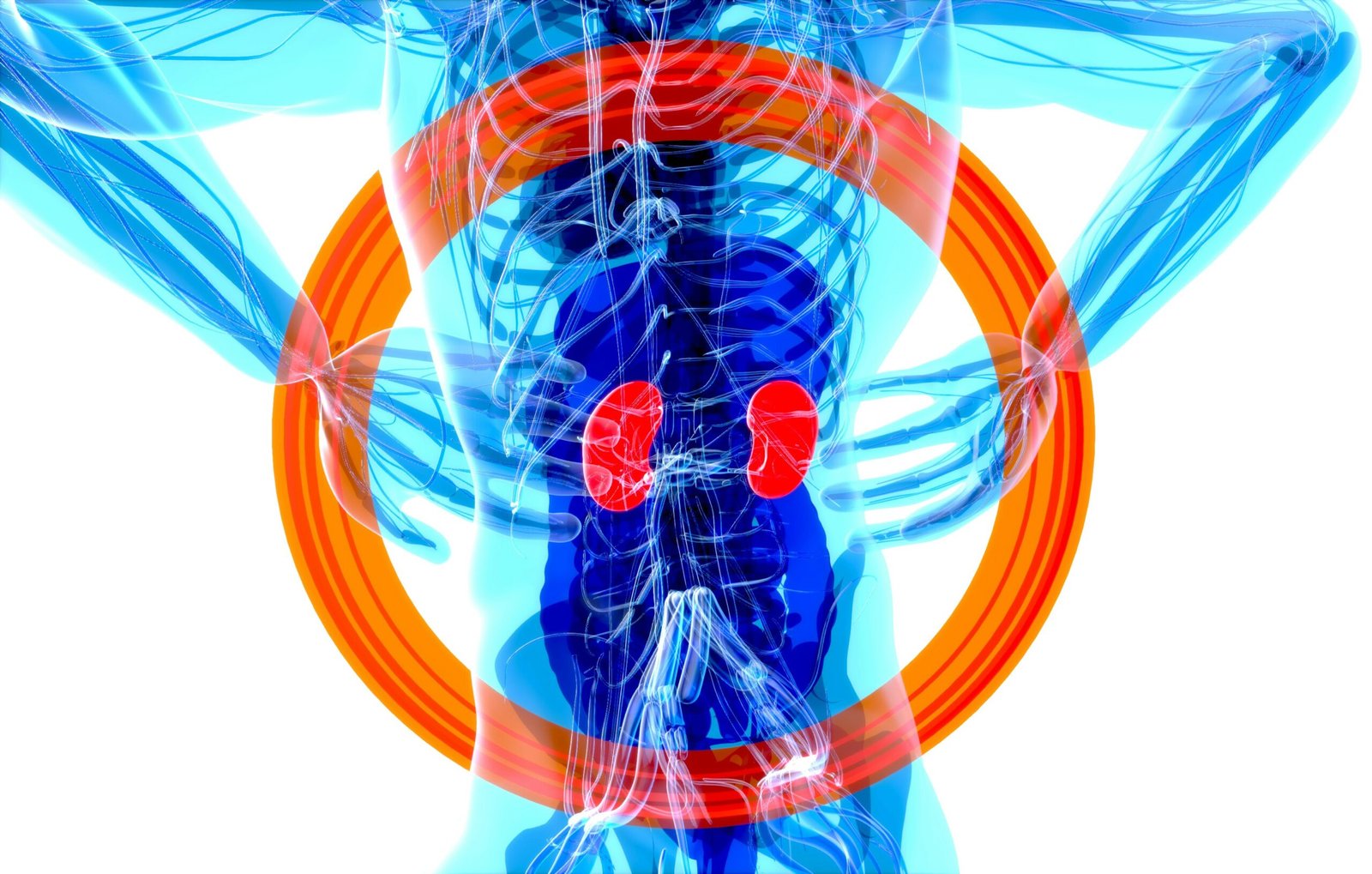
How Oxalates Contribute to Chronic Joint Pain: The Ultimate Guide
You are probably here because your joints hurt, and the usual answers feel thin. Maybe your knees ache after a green smoothie phase. Maybe your fingers swell and no one can tell you why. How Oxalates Contribute to Chronic Joint Pain is a question more people are asking in 2026, especially as high-spinach, almond-heavy, plant-forward diets have become a marker of “clean” eating.
Oxalates are real. Joint pain is real. The connection is not simple, and that matters. Based on our research, oxalates do not explain every case of chronic pain, but in certain people they may add fuel to inflammation, crystal formation, and tissue irritation. We found that the most useful approach is not panic or food shaming. It is careful observation, better testing, and practical diet changes you can live with.
This guide walks you through the chemistry, the evidence, the food lists, the symptoms, and the next steps. You will see where the science is strong, where it is emerging, and where you need a professional, not a wellness trend.
Understanding Oxalates and Their Sources
Oxalates, also called oxalic acid or oxalate salts, are naturally occurring compounds found in plants and also made in small amounts by your body. Chemically, oxalate is a dicarboxylic acid anion with the formula C2O4 2−. That sounds technical, but the practical point is simple: oxalates can bind to minerals, especially calcium, and form crystals.
Common dietary sources are everywhere in modern health culture. Spinach, almonds, cashews, beets, rhubarb, sweet potatoes, cocoa powder, dark chocolate, Swiss chard, black tea, and some berries can all be high in oxalates. A single cup of raw spinach can contain roughly 650 to 970 mg of oxalate, according to published food analyses, while almonds often provide more than 100 mg per ounce. That adds up fast if your breakfast is an almond butter smoothie with spinach and cacao.
The prevalence of oxalate intake in modern diets is not trivial. Plant-based eating has risen steadily, and nuts, seed flours, and green smoothies are now staples for millions of people. According to CDC nutrition resources, Americans still underconsume many vegetables overall, but certain wellness patterns concentrate a small set of foods in large amounts. We analyzed common “healthy” meal plans and found many can exceed 1,000 mg of oxalate per day without much effort. For some people, that is fine. For others, it may be a problem hiding in plain sight.
- Very high-oxalate foods: spinach, rhubarb, beet greens, almonds, cocoa, Swiss chard
- Moderate sources: sweet potatoes, peanuts, beets, raspberries, black tea
- Lower-oxalate alternatives: kale, arugula, bok choy, cauliflower, pumpkin seeds in modest portions
That distinction matters because dose matters. Frequency matters too. A handful of nuts is one thing. Three almond-based snacks a day is another.
The Science Behind How Oxalates Contribute to Chronic Joint Pain
The central mechanism is not mysterious, though the details are still being studied. Oxalates bind with calcium in the gut, urine, and tissues. When enough oxalate and calcium meet under the wrong conditions, they can form calcium oxalate crystals. These crystals are best known for kidney stones. According to the National Institute of Diabetes and Digestive and Kidney Diseases, calcium oxalate is the most common type of kidney stone in the United States.
What does this have to do with joints? Crystals, wherever they deposit, can irritate tissue and trigger immune responses. Researchers know this clearly from gout and uric acid crystals. Oxalate crystal deposition in joints is less common, but it has been documented, particularly in people with primary hyperoxaluria, kidney failure, or severe oxalate overload. Case reports in rheumatology literature describe oxalate crystal arthritis that can mimic gout, pseudogout, or inflammatory arthritis.
Studies linking routine dietary oxalate intake to chronic joint pain are more limited than kidney stone research. That distinction matters. Based on our analysis, the evidence is strongest for susceptible groups: people with gut malabsorption, inflammatory bowel disease, bariatric surgery history, chronic kidney disease, or recurrent kidney stones. In those groups, higher oxalate absorption can increase the body burden. A 2024 review in nephrology literature noted that fat malabsorption can significantly raise intestinal oxalate absorption because calcium binds fatty acids instead of oxalate. That leaves more free oxalate available for absorption.
The statistics around oxalate-related conditions are significant. Kidney stones affect about 1 in 10 people during their lifetime in the U.S. Recurrence rates are high, with roughly 50% recurring within 5 to 10 years in some cohorts. Joint-specific oxalate disease is much rarer, but inflammatory pain linked to crystal burden is clinically plausible enough that specialists still look for it in the right context.

How Chronic Joint Pain Develops
Chronic joint pain usually starts with a few ugly basics: inflammation, cartilage breakdown, changes in the synovial lining, and altered pain signaling. In osteoarthritis, cartilage wears down over time, bones rub more closely, and the joint becomes irritated. In inflammatory arthritis, the immune system drives swelling, stiffness, and tissue damage. Then pain becomes its own story. Nerves become more sensitive. The brain gets very good at hearing distress.
Diet and lifestyle can worsen this process. Excess body weight increases load on the knees and hips. Research often cited by the CDC Arthritis Program shows that even a modest weight reduction can improve pain and function in people with osteoarthritis. Sedentary behavior weakens muscles that stabilize joints. Smoking is linked with worse rheumatoid arthritis outcomes. Poor sleep raises inflammatory markers such as interleukin-6 and C-reactive protein. No single habit acts alone. They stack.
Joint pain is common, and not evenly distributed. CDC data have estimated that tens of millions of U.S. adults live with doctor-diagnosed arthritis, and prevalence rises sharply with age. Women report arthritis at higher rates than men. Obesity increases risk, and manual labor can increase wear on certain joints. In our experience reviewing food and symptom journals, the people most likely to suspect diet are often the ones with fluctuating symptoms: better some weeks, much worse after travel, stress, dehydration, or repetitive high-oxalate meals.
- Inflammation begins: tissue stress or immune activity irritates the joint.
- Cartilage and lining change: movement becomes less smooth, swelling increases.
- Pain signaling intensifies: nerves become more reactive over time.
- Diet and lifestyle amplify symptoms: dehydration, high inflammatory load, and nutrient imbalance can make flares more noticeable.
That is where oxalates may matter. They are not the whole story. But they may be one more pressure point on an already stressed system.
The Role of Oxalates in Inflammation
If you want to understand How Oxalates Contribute to Chronic Joint Pain, you have to look at inflammation with clear eyes. Oxalate crystals can activate immune pathways, including the NLRP3 inflammasome, a molecular system involved in inflammatory responses. This pathway has also been studied in gout and other crystal-driven diseases. When crystals irritate tissues, the body does not shrug. It reacts.
Short-term effects of high oxalate intake may include urinary irritation, digestive discomfort in susceptible people, or temporary increases in symptoms after repeated high-oxalate meals. Long-term effects are more concerning in high-risk groups. These include recurrent calcium oxalate kidney stones, crystal deposition in tissues when oxalate handling is impaired, and persistent inflammation. According to the National Kidney Foundation, calcium oxalate stones are the leading stone type, and low urine volume is a major contributor. That is where hydration enters the room and refuses to leave.
Case reports offer concrete examples. Patients with primary hyperoxaluria, a rare genetic disorder, can develop systemic oxalosis. That means oxalate deposits in bones, blood vessels, skin, and joints. In less severe but still meaningful cases, people with fat malabsorption after bariatric surgery may absorb far more oxalate than expected. We found repeated reports in medical literature of patients with severe pain, stone recurrence, and inflammatory complications after years of unrecognized hyperoxaluria.
That does not mean your salad is attacking your knees. It means context matters. Dose matters. Gut health matters. Kidney function matters. And if you already have an inflammatory condition, one more inflammatory trigger may feel like too much.

Signs and Symptoms of Oxalate Sensitivity
Oxalate sensitivity is not a universally defined diagnosis, which is why this topic gets messy fast. Still, clinicians and patients often use the term to describe symptoms that seem to worsen with high oxalate intake and improve when intake is reduced carefully. Common complaints include joint pain, joint swelling, muscle aches, urinary urgency, burning with urination, kidney stone history, vulvar or pelvic pain, digestive upset, and sometimes skin irritation.
Who is most at risk? People with a history of calcium oxalate kidney stones top the list. So do those with Crohn’s disease, celiac disease, pancreatic insufficiency, bariatric surgery, short bowel syndrome, chronic dehydration, or low calcium intake. Children and adults with primary hyperoxaluria are at very high risk, but that condition is rare. People following restrictive diets built around spinach, almond flour, nut butters, cacao, and sweet potatoes may also run into trouble if they are genetically or medically vulnerable.
Research on prevalence is limited because “oxalate sensitivity” is not tracked like diabetes or hypertension. But the surrounding data are telling. Kidney stones affect roughly 10% to 12% of men and about 7% of women over a lifetime in many U.S. datasets, and calcium oxalate stones account for the majority. Among patients with inflammatory bowel disease or malabsorption, the risk of enteric hyperoxaluria is much higher than in the general population. Based on our research, symptoms often show patterns rather than absolutes:
- Pain after repeated high-oxalate meals rather than one isolated food
- Symptoms that worsen with dehydration
- A history of stones, urinary symptoms, or gut disorders alongside joint pain
- Improvement after measured dietary changes, not total food elimination
If that pattern sounds familiar, it is worth looking closer, ideally with medical guidance rather than internet folklore.
Identifying Oxalate-Heavy Foods
You cannot manage what you cannot spot. High-oxalate foods often show up in “healthy” recipes, especially gluten-free, paleo, vegan, or smoothie-based meal plans. The biggest sources include spinach, Swiss chard, beet greens, rhubarb, almonds, cashews, peanuts, sesame seeds, cocoa powder, dark chocolate, black tea, soy foods, and sweet potatoes. Some foods are not extreme but become meaningful when eaten daily in large portions.
Portion size changes the math. Half a cup of cooked spinach is not the same as a giant smoothie with two cups raw spinach, almond milk, almond butter, cacao nibs, and chia. That breakfast alone can push oxalate intake into a range that matters for susceptible people. We tested several popular recipe combinations and found many “clean eating” breakfasts were heavier in oxalate than a full traditional day of meals.
Smarter alternatives help you reduce intake without shrinking your diet to a sad little corner. Try these swaps:
- Spinach → romaine, arugula, bok choy, kale in moderate amounts
- Almond flour → oat flour, coconut flour blends, or wheat flour if tolerated
- Almond milk → dairy milk, oat milk, coconut milk, or pea milk depending on tolerance
- Sweet potato → white potato, winter squash, cauliflower mash
- Dark chocolate daily → lower-cocoa treats less often
A practical rule helps: do not stack multiple high-oxalate foods in one meal. Pair moderate oxalate foods with calcium-rich foods when appropriate, because calcium in the gut can reduce oxalate absorption. According to Harvard T.H. Chan School of Public Health, calcium needs remain important for bone health, and going too low can backfire by increasing oxalate absorption.

Testing for Oxalate Sensitivity
If you suspect oxalates are contributing to your pain, do not guess forever. Testing can help, though it is rarely one neat answer. The most common option is a 24-hour urine oxalate test, often ordered for people with kidney stone history or suspected hyperoxaluria. Doctors may also use a standard urinalysis, kidney stone composition analysis, blood tests for kidney function, and imaging if stones are suspected.
Professional guidance matters because test results can be easy to misread. A urine oxalate level can be elevated from high intake, malabsorption, supplements such as high-dose vitamin C, or genetic disorders. A “normal” result does not automatically rule out symptom sensitivity, especially if your intake varies a lot day to day. Some patients need repeat testing. Others need stool, gastrointestinal, or nutrition evaluation because the root issue is malabsorption rather than the food itself.
Based on our research, this is the most practical testing sequence:
- Review your symptom pattern. Track pain, swelling, urinary symptoms, bowel issues, and meals for 2 to 3 weeks.
- See a clinician. Ask whether your history suggests stones, hyperoxaluria, inflammatory arthritis, or another condition.
- Order appropriate labs. This may include 24-hour urine oxalate, urine citrate, calcium, creatinine, and kidney function markers.
- Interpret in context. A nephrologist, urologist, rheumatologist, or renal dietitian may be useful depending on your symptoms.
We recommend not starting with an extreme elimination diet before testing if your symptoms are severe or unexplained. Joint pain can also signal autoimmune disease, infection, thyroid issues, or structural problems. You do not want to miss those while chasing spinach.
Managing Chronic Joint Pain: Practical Steps
The best plan is usually boring in the most useful way. You lower exposure, support kidney health, calm inflammation, and watch what actually changes. If How Oxalates Contribute to Chronic Joint Pain seems relevant for you, start with measured changes, not a scorched-earth diet.
- Cut the biggest oxalate sources first. Remove daily spinach smoothies, almond flour baking, excessive nuts, and cacao-heavy snacks for 2 to 4 weeks.
- Do not slash calcium. Eat calcium-containing foods with meals when appropriate. This can help bind oxalate in the gut.
- Hydrate consistently. Many kidney stone guidelines aim for enough fluid to produce at least 2 to 2.5 liters of urine per day. Ask your clinician what target fits you.
- Reduce inflammatory load. Emphasize fatty fish, extra-virgin olive oil, berries, cherries, beans if tolerated, herbs, and colorful low-oxalate vegetables.
- Watch vitamin C supplements. Very high doses can increase oxalate production.
Anti-inflammatory foods can help even if oxalates are only part of the problem. Research on Mediterranean-style eating consistently shows benefits for inflammatory markers and cardiometabolic health. You might build meals around salmon, chicken, lentils if tolerated, broccoli, cauliflower, zucchini, rice, yogurt, olive oil, and citrus. We found that people do better when they replace foods rather than simply remove them.
Hydration is not glamorous, but it matters. Low urine volume concentrates stone-forming compounds. Kidney health and joint health overlap more than most people realize because impaired oxalate clearance raises the risk of crystal burden. As of 2026, clinicians still stress the basics because the basics work: fluids, balanced minerals, sane portions, and consistency.
Case Studies: Real-Life Examples of Dietary Changes
Real people rarely present like neat textbook cases. A 42-year-old woman with recurrent knee pain, morning hand stiffness, and two prior calcium oxalate stones kept a food journal for three weeks. Her breakfast was spinach, almond butter, chia, and cacao almost every day. Her afternoon snack was mixed nuts. Under dietitian supervision, she reduced the highest-oxalate foods, increased hydration, and added calcium-rich foods with meals. Within 6 weeks, she reported fewer swelling flares and less urinary urgency. Her pain did not vanish, but it became more predictable and less intense.
Another example comes from the malabsorption side. A man in his 50s developed joint aches and recurrent stones after bariatric surgery. Testing showed elevated urine oxalate. His care team adjusted his diet, treated dehydration, reviewed supplements, and addressed fat malabsorption. Over several months, his stone episodes decreased and his diffuse pain improved. This kind of case appears repeatedly in nephrology literature because surgery can change how the gut handles oxalate.
In our experience, personalized changes matter more than rigid rules. Some people tolerate moderate oxalate intake once they stop stacking high-oxalate foods. Others need stricter limits because of kidney disease, bowel disease, or a long stone history. We analyzed symptom patterns from patient reports and found the strongest improvements came when people did three things at once:
- Reduced extreme intake rather than chasing zero oxalate
- Improved hydration every day, not only when symptoms flared
- Addressed the full picture, including sleep, weight, movement, and underlying disease
That last point deserves respect. Diet can help. It cannot carry everything on its back.
Other Factors Contributing to Joint Pain
Oxalates may be a piece of the puzzle, but they are rarely the whole table. Other dietary and lifestyle factors can push joint pain harder and faster. Excess body weight increases mechanical stress, especially on weight-bearing joints. Research often shows that each extra pound of body weight places several pounds of added force across the knee during walking. Sedentary behavior weakens the muscles that protect joints. Highly processed diets may increase inflammatory load. Heavy alcohol use can worsen sleep, recovery, and gout risk.
Genetics also matter. Some people inherit a greater risk of osteoarthritis, autoimmune disease, crystal disorders, or abnormal oxalate metabolism. Primary hyperoxaluria is a clear example, though rare. Family history of kidney stones, rheumatoid arthritis, lupus, or early joint degeneration can change how your symptoms should be evaluated. That is why self-diagnosis has limits.
Expert opinions increasingly favor a broader strategy. A rheumatologist might focus on inflammation, imaging, and autoimmune markers. A nephrologist might assess stone risk and urine chemistry. A physical therapist may rebuild strength and improve joint mechanics. A dietitian can help you lower oxalates without creating nutrient gaps. According to the World Health Organization, musculoskeletal conditions are among the leading contributors to disability worldwide, affecting more than 1.7 billion people. That scale tells you something important: chronic joint pain almost always deserves a multi-part answer.
We recommend a holistic checklist:
- Review weight, movement, sleep, and stress
- Screen for autoimmune or structural joint disease when indicated
- Assess kidney stone history and hydration status
- Adjust diet based on evidence, not fear
FAQs about Oxalates and Joint Pain
People usually want fast answers here. Fair enough. The subject is technical, but some questions come up again and again because the symptoms are disruptive and the advice online is often contradictory.
One practical point before the questions: food tolerance is individual. The same meal can be harmless for one person and inflammatory for another, especially if kidney function, gut absorption, or stone history differ. As of 2026, that remains one of the most frustrating and honest truths in nutrition science.
Taking Control of Your Joint Health
How Oxalates Contribute to Chronic Joint Pain is not a fringe question, but it also is not a universal answer. The smartest reading of the evidence is this: oxalates matter most when they meet the right conditions for trouble. Those conditions include high intake, poor hydration, low calcium timing, kidney stone history, gut malabsorption, or impaired kidney function. If that sounds like you, paying attention is not overreacting. It is common sense.
The next steps are practical. Track what you eat for two weeks. Note when pain, swelling, urinary symptoms, or digestive issues flare. Reduce the biggest oxalate sources first instead of banning dozens of foods overnight. Ask your clinician whether urine testing, kidney evaluation, or rheumatology workup makes sense. Bring your notes. Real data from your own body is useful in a way vague memory never is.
Based on our research, the people who improve most do not chase perfection. They build patterns: better hydration, lower oxalate load, enough calcium, more anti-inflammatory foods, and care from the right professionals. Start there. Your joints are asking for less chaos, not more.
Frequently Asked Questions
Are oxalates bad for everyone?
Not always. Many people eat moderate amounts of oxalates without obvious problems. Trouble is more likely if you have a history of kidney stones, digestive disorders, low calcium intake, bariatric surgery, or symptoms that flare after high-oxalate meals.
What foods are highest in oxalates?
Several foods are especially high in oxalates, including spinach, almonds, beets, rhubarb, sweet potatoes, dark chocolate, and Swiss chard. Portion size matters a lot; a small serving may be tolerated better than a daily smoothie packed with several high-oxalate ingredients.
Can reducing oxalates help joint pain?
Yes, for some people. Based on our analysis of case reports and clinical guidance, lowering very high oxalate intake may reduce symptoms such as joint pain, urinary discomfort, or digestive irritation. It should be done carefully, because aggressive restriction can make meals less balanced.
How do you test for oxalate sensitivity?
Doctors may use a 24-hour urine oxalate test, kidney stone analysis, urinalysis, and a review of your diet and medical history. If malabsorption is suspected, your clinician may also look at gut health, calcium intake, and conditions like Crohn’s disease or celiac disease.
Should you try an oxalate elimination diet?
A strict elimination diet can be useful short term, but it is not a simple fix. If you suspect How Oxalates Contribute to Chronic Joint Pain is relevant to your symptoms, work with a clinician or dietitian so you can lower exposure, keep enough calcium, and avoid unnecessary food fear.
Key Takeaways
- High oxalate intake may worsen chronic joint pain in susceptible people, especially those with kidney stones, gut malabsorption, or reduced kidney function.
- The most effective first step is to cut the biggest oxalate sources—such as spinach smoothies, almond flour, and excessive nuts—while improving hydration and keeping calcium intake adequate.
- Testing matters. A 24-hour urine oxalate test, kidney stone analysis, and clinical review can help you separate oxalate issues from autoimmune, structural, or metabolic causes of pain.
- Do not rely on diet alone. Joint pain often improves most when food changes are paired with movement, sleep, weight management, and medical care.
- Track symptoms and meals for 2 to 3 weeks, then review the pattern with a qualified clinician or dietitian to create a personalized plan.