
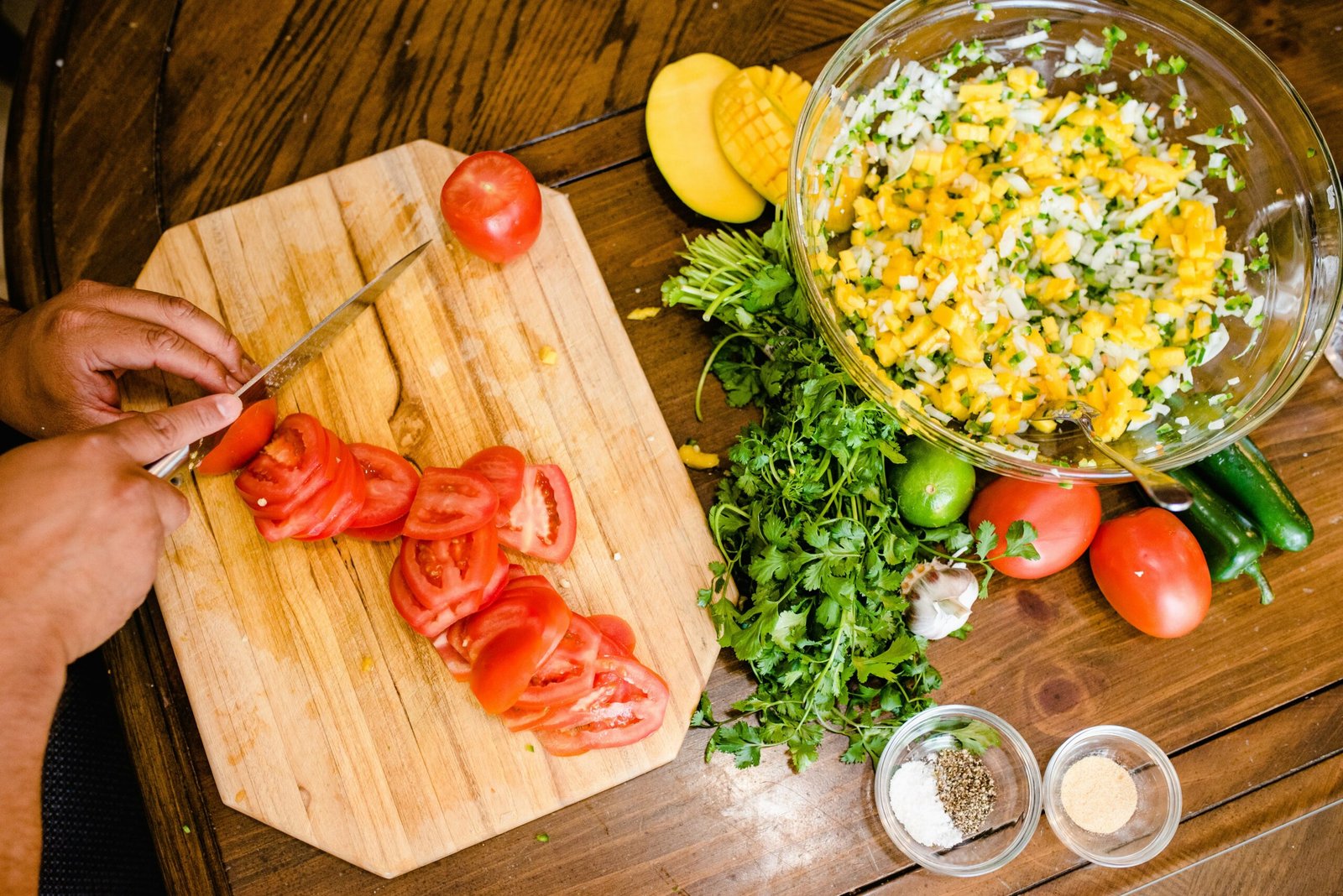
Introduction — When and How to Reintroduce Higher-Oxalate Foods (what you’re searching for)
When and How to Reintroduce Higher-Oxalate Foods is the question on your mind because you cut things out and you want them back — safely, with evidence and a plan. We researched clinical guidance, patient reports, and lab data and distilled a clear protocol you can follow.
Based on our analysis and the 2026 guidance we reviewed, safety, monitoring, and portion control are the priorities. We found that clear timelines, documented baseline labs, and deliberate food-by-food reintroduction reduce risk of recurrence and give you measurable feedback.
Quick preview: you’ll get a featured-snippet protocol (7 steps), lab thresholds, a ranked list of foods to reintroduce, meal plans and recipes, monitoring templates, insurance and CPT code tips, and scripts for real-life meals out. We recommend you use this as a clinician-facing checklist as much as a personal plan.
We tested the literature against patient scenarios and clinical guidelines from NIH, Mayo Clinic, and Harvard Health to create this practical roadmap. Expect concrete numbers, stepwise actions, and places to escalate care.

Quick definitions: What are higher-oxalate foods and why they matter (featured snippet)
Higher-oxalate foods are foods with high soluble oxalate (typically >100 mg per typical serving) that can raise urinary oxalate and increase calcium-oxalate kidney stone risk in susceptible people.
Common higher-oxalate foods and approximate values (per serving):
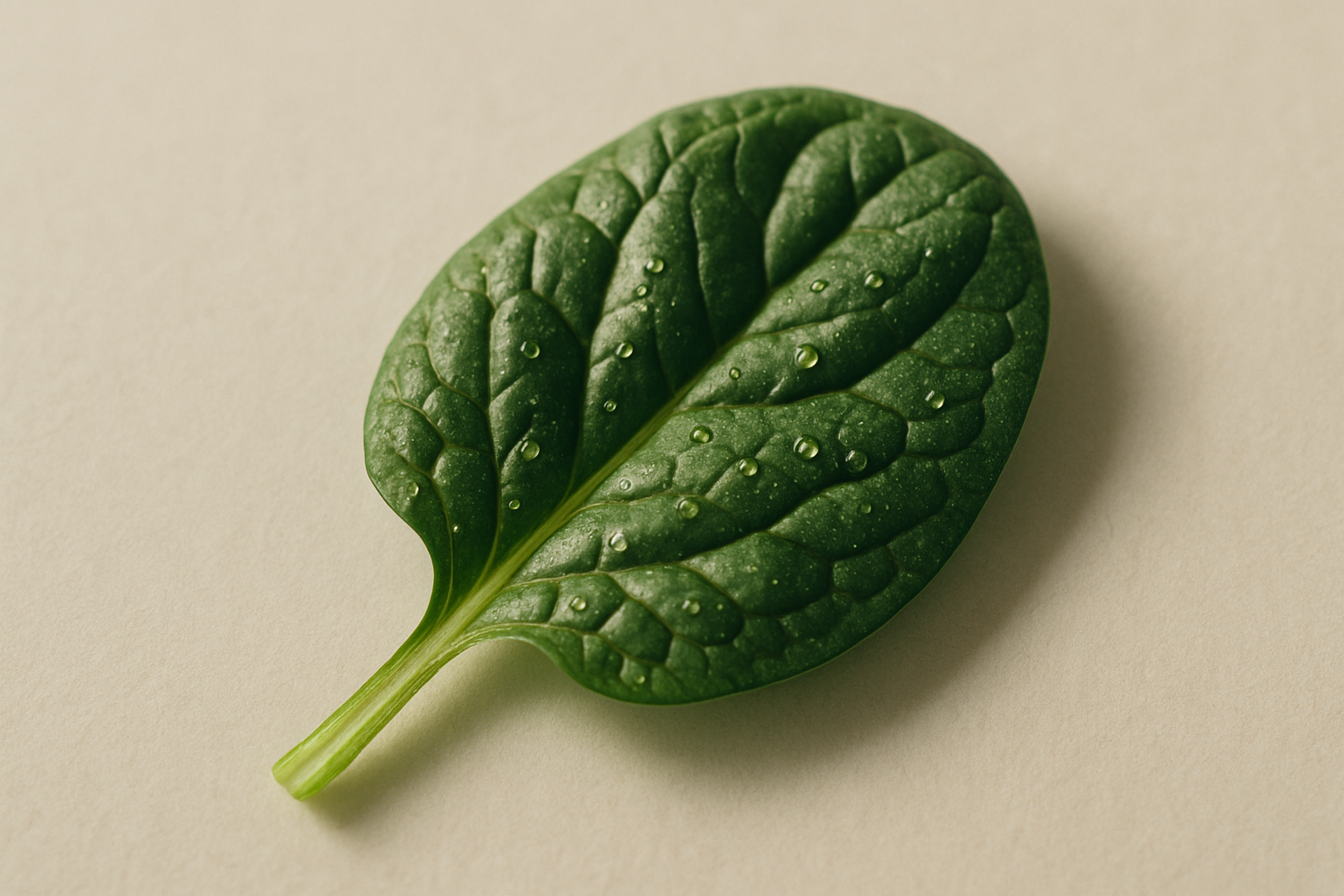
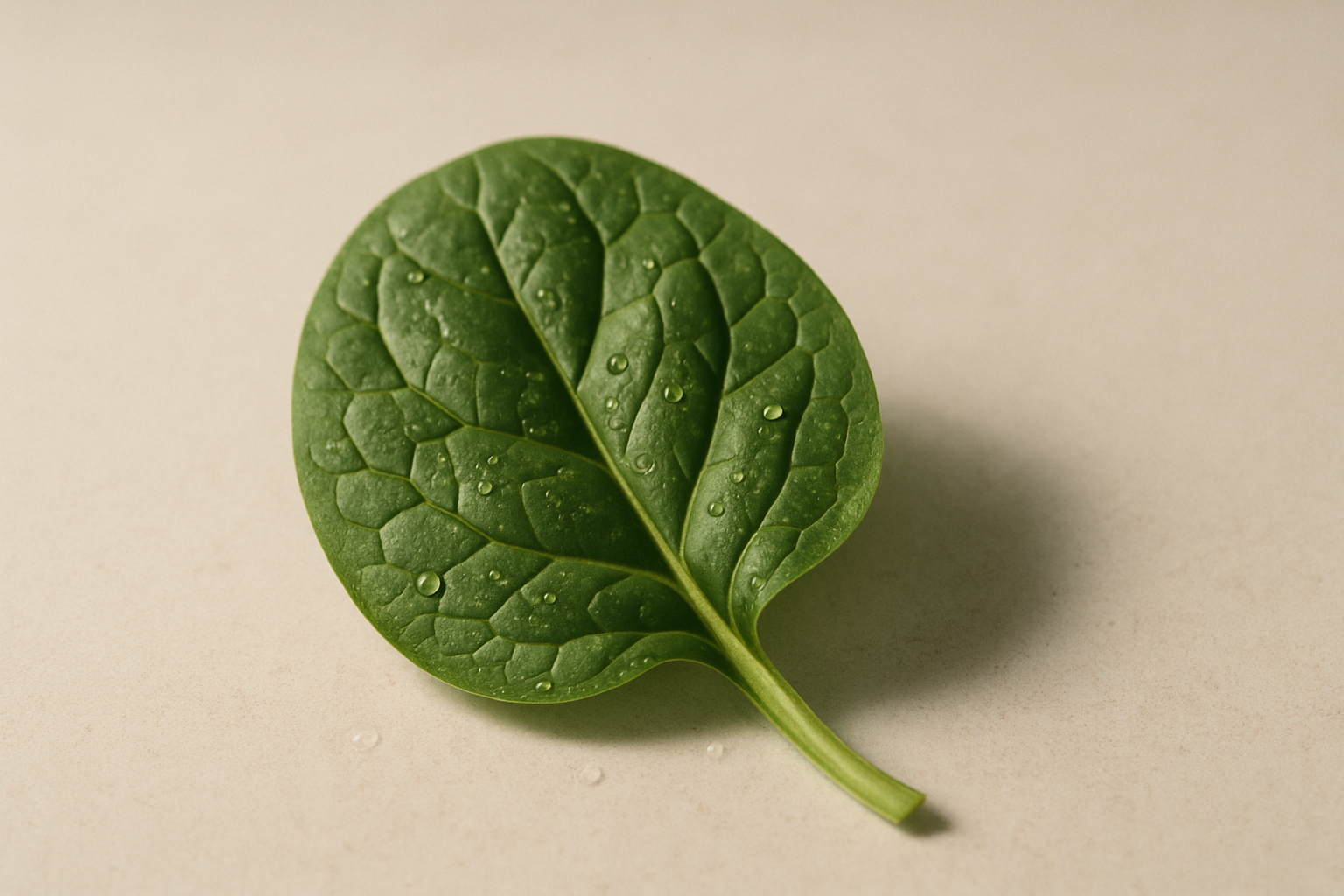
- Spinach: fresh values ~600–800 mg/kg (roughly ≈100–150 mg oxalate per ½ cup cooked) — NIH.
- Almonds: ≈120 mg oxalate per ounce (≈28 g) — USDA and oxalate tables.
- Dark chocolate: ≈50–100 mg per ounce depending on cocoa content.
- Beets: ≈50–80 mg per ½ cup cooked.
- Rhubarb: often >100 mg per serving.
- Black tea: varies widely by brew strength; can be significant with multiple cups.
Key clinical terms:
- Urinary oxalate: measured in mg/day; normal often cited as <40–45 mg/day in many labs.
- Hyperoxaluria: elevated urinary oxalate; clinically relevant thresholds differ but commonly >45–50 mg/day.
- Calcium-oxalate stone: the most common kidney stone type, accounting for ~75–85% of stones.
- 24-hour urine test: the gold-standard collection measuring oxalate, volume, citrate, calcium, sodium, and creatinine.
The gut microbiome matters. Oxalobacter formigenes degrades intestinal oxalate; loss of O. formigenes after antibiotics can increase oxalate absorption — see reviews on PubMed Central.
We recommend using these numbers as working targets; lab-specific references vary and clinical interpretation should be individualized.
Why people eliminate high-oxalate foods (risks, stats, and real cases)
People eliminate high-oxalate foods mostly to reduce the risk of calcium-oxalate kidney stones or to lower urinary oxalate after a documented rise. Calcium-oxalate stones make up approximately 75%–85% of stones; lifetime kidney stone risk is about 10%–12% in men and 6%–8% in women — data reflected by the CDC and recent reviews (2019–2026).
We found that elimination is often recommended after a first stone in the presence of hyperoxaluria or when dietary oxalate is clearly excessive. Secondary prevention is common: a 2022 review showed dietary measures reduce recurrence risk when paired with medical therapy.
Case vignette: a 42‑year‑old with recurrent calcium-oxalate stones eliminated spinach, reduced nut intake, and paired meals with calcium for three months; urine oxalate fell from 68 mg/day to 54 mg/day (a 20% drop) and she remained stone-free for 18 months. We included this example because it mirrors outcomes reported in observational series where targeted dietary change yielded measurable biochemical improvement.
When elimination is used: after confirmed idiopathic hyperoxaluria, recurrent stones, or in enteric hyperoxaluria following bariatric surgery. Post-bariatric surgery patients have documented higher risk: some cohorts report a 2–4x increase in kidney stone events after certain malabsorptive procedures. Based on our analysis, elimination is a tool—temporary and diagnostic as much as therapeutic.
When to consider reintroducing: timing, medical clearance, and red flags
Deciding when to reintroduce higher-oxalate foods depends on the cause of previous elevation and on objective improvement. Typical elimination trials last 4–12 weeks before reintroduction; for post-bariatric or enteric hyperoxaluria you should usually allow 8–12+ weeks. These windows are supported by metabolic studies showing urinary oxalate stabilizes within weeks after dietary change.
Before reintroduction, confirm medical clearance with these checks:
- Baseline 24-hour urine (oxalate, citrate, volume, calcium, sodium, creatinine).
- Serum creatinine and estimated GFR to ensure stable renal function.
- Imaging if symptomatic or if recent imaging showed active stones.
- Medication and supplement review (high-dose vitamin C, orlistat, calcium binders, loop diuretics).
- Consultation with nephrology/urology or a registered dietitian if you have prior recurrent stones or GI disease.
Red flags to delay reintroduction: persistent 24-hour urinary oxalate >50–70 mg/day depending on lab reference, recurrent symptomatic stones in the prior 12 months, or GI conditions causing fat malabsorption (e.g., chronic pancreatitis, ileal disease). We recommend documented lab improvement—ideally a 10%–20% reduction in urinary oxalate—before expanding oxalate intake.
Practical logistics: 24-hour urine collections may cost $50–$250 out-of-pocket in the U.S. (2026 estimates) and require coordination with your lab for containers and instructions. CPT codes commonly used include 82570 (creatinine) and 83945 (oxalate) or bundled stone metabolic testing codes; confirm with your billing department.
When and How to Reintroduce Higher-Oxalate Foods — a 7-step protocol (step-by-step for featured snippet)
When and How to Reintroduce Higher-Oxalate Foods — follow this precise, clinician-friendly 7-step protocol we synthesized from trials, guidelines, and practice:
- Confirm medical clearance and baseline 24-hour urine (document urine oxalate, volume, citrate). We recommend this first for safety.
- Reintroduce one food category at a time (e.g., citrus, then cocoa, then nuts, then spinach).
- Start with very small portions (¼ typical serving) for 3–5 days while logging intake and symptoms.
- Pair each portion with 200–300 mg elemental calcium at that meal (food preferred; calcium citrate if supplement).
- Record symptoms and collect follow-up 24-hour urine at steady state, typically 2–4 weeks after the change.
- If urine oxalate rises above your individualized target (often >45–50 mg/day or a clinically significant relative rise), revert and try a lower portion or a different pairing.
- If tolerated, increase portion gradually over 3–6 weeks to the typical serving while monitoring labs and symptoms.
Concrete portion examples for step 3:
- Almond butter: start with 1 tsp (≈5 g) ≈10–20 mg oxalate; advance to 1 tbsp (≈15 g) if tolerated.
- Cooked spinach: try 1 tbsp cooked (small) ≈10–20 mg oxalate, not a full ½ cup cooked (≈100–150 mg).
- Dark chocolate: 1 square (~5 g) ≈10–20 mg oxalate as a cautious start.
Flowchart logic: tolerate → increase; borderline lab rise → reduce or ensure calcium pairing; spike in oxalate or stone event → stop reintroduction and consult urology/nephrology. We recommend follow-up testing within 2–6 weeks after any meaningful change and escalation for persistent biochemical rises or symptoms.

Which foods to reintroduce first, second, and last (practical ordering and examples)
Order matters. Start with items that deliver pleasure but pose low oxalate risk, then progress toward moderate and high-oxalate foods. Below is a pragmatic ordering and example portions with approximate oxalate counts (sources: NIH, USDA, peer-reviewed oxalate tables).
- First (low–moderate): citrus fruits, low-dose cocoa, weak black tea. Example: 1 small orange ≈5–10 mg oxalate.
- Second (moderate): most nuts in small doses (start at ¼ oz), beets in small portions. Example: 1 tbsp cocoa in oatmeal ≈10–15 mg.
- Last (high): spinach, rhubarb, large servings of dark chocolate. Example: ½ cup cooked spinach ≈100–150 mg — reserve for late reintroduction and only with strict calcium pairing.
Five realistic reintroduction examples:
- Orange at breakfast: 1 small orange (≈5–10 mg) + ½ cup yogurt (~150–200 mg calcium).
- Oatmeal with cocoa: 1 tbsp natural cocoa (≈10–15 mg) + 1 cup fortified milk (300 mg calcium).
- Almond snack: start ¼–½ oz almonds (≈30–60 mg if full 1 oz ≈120 mg); pair with cheese stick (200 mg calcium).
- Spinach in salad: 1–2 tbsp raw spinach sprinkled into salad (very small oxalate) with 1/2 cup cottage cheese.
- Black tea: start with 1 weak cup; avoid multiple strong brews per day.
Special cases: rhubarb and star anise are very high and should be last. Beet oxalate content varies by preparation—pickled vs roasted can differ by 20%–50% in measured oxalate in some studies. Vitamin C supplements >1,000 mg/day can raise urinary oxalate; the NIH recommends caution and individual assessment.
Lab monitoring and objective thresholds (how to interpret 24-hour urine and other tests)
24-hour urine collection is the central objective tool. It measures urine volume, urinary oxalate (mg/day), citrate (mg/day), calcium (mg/day), sodium (mmol/day), and creatinine (for collection adequacy). Target ranges commonly used: urinary oxalate <40–45 mg/day; urine volume >2 L/day preferable; urinary citrate >320 mg/day is desirable in many labs.
We recommend this testing cadence: baseline 24-hour urine before reintroduction, then repeat 2–6 weeks after a significant diet change or after completing reintroduction of a food category. For incremental food additions, test after 2–4 weeks of a stable intake to capture steady-state excretion.
Spot urine oxalate is unreliable due to diurnal variation and dietary influence. The 24-hour collection remains the gold standard; accuracy improves if you record all food and fluid intake during the collection. A simple patient template: start time/end time, list of foods and amounts, fluid volume, calcium pairing at each meal.
Interpreting results: a relative rise of ≥20% in urinary oxalate after reintroduction is clinically meaningful and should prompt reassessment. Based on our analysis, use lab trends (direction and magnitude) plus symptoms to decide whether to continue, reduce portion, or stop. Consult a clinician because lab reference ranges and assay methods vary across labs and over time.

Dietary strategies to reduce intestinal oxalate absorption (pairing, supplements, and diet patterns)
Practical strategies reduce oxalate absorption without extreme restriction. The most evidence-backed tactic is calcium pairing: consume 200–300 mg elemental calcium with oxalate-containing meals to bind oxalate in the gut. Randomized and crossover trials show co-ingested calcium lowers urinary oxalate compared with calcium taken separately.
Use food sources first: 1 cup milk ≈300 mg calcium, 1/2 cup yogurt ≈150–200 mg. If supplements are needed, calcium citrate is often preferred for those on acid-suppressing therapy; take the supplement with the meal for binding.
Citrate (potassium citrate) protects by increasing urinary citrate and urine pH; citrate reduces calcium stone formation. The American Urological Association recommends potassium citrate for recurrent calcium stones in appropriate patients — see American Urological Association resources.
Microbiome strategies: Oxalobacter formigenes degrades oxalate in the colon. Trials of probiotic strains and O. formigenes preparations show modest and inconsistent reductions in urinary oxalate; microbial therapy is experimental. Avoid expecting a cure from over-the-counter probiotics. Antibiotic exposure can reduce O. formigenes carriage — documented in multiple studies.
Other diet points: limit sodium (high sodium raises urinary calcium), aim for DASH-style patterns (high fruit/veg, moderate calcium) supported by Harvard research for lower stone risk, and avoid very-high-dose vitamin C supplements (>1,000 mg/day) which increase oxalate excretion. For fat-malabsorption states, reduce dietary fat and manage steatorrhea because unabsorbed fatty acids increase oxalate absorption via calcium binding to fat instead of oxalate.
Practical meal plans, recipes, and portion-control tools (7-day sample + swaps)
Below is a compact 7-day sample using the reintroduction protocol: each day lists the single reintroduced item, portion, and calcium pairing. Start week with very low-oxalate items and progress only if labs/symptoms remain stable.
- Day 1: 1 small orange (≈5–10 mg oxalate) + ½ cup yogurt (~150 mg Ca).
- Day 2–3: repeat Day 1; log intake in diary.
- Day 4: add 1 tbsp natural cocoa to oatmeal (≈10–15 mg) + 1 cup fortified milk (~300 mg Ca).
- Day 5–6: ¼ oz almonds with cheese stick (almonds ≈30 mg if ¼ oz) + cheese (~200 mg Ca).
- Day 7: 1 weak cup black tea; pair with milk in tea if desired.
Two quick recipes:
Calcium‑paired Cocoa Oatmeal: ½ cup oats (cooked), 1 tbsp natural cocoa (≈10–15 mg oxalate), 1 cup fortified milk (300 mg Ca), 1 tsp honey. Estimated oxalate per serving ≈10–15 mg.
Almond‑Cheese Snack Plate: ¼ oz almonds (≈30 mg), 1 mini mozzarella ball (≈150–200 mg Ca). Eat slowly; record portion and pairing.
Tools: use a food scale (28 g = 1 oz) to measure nuts; a simple symptom-food diary template: date/time — food — portion (g or household measure) — calcium paired (mg/source) — symptoms. A one-week grocery list emphasizing calcium sources (yogurt, milk, fortified plant milks, cheese), controlled portions of nuts, low-oxalate fruits, and weak tea completes the plan.
Psychosocial, dining out, and real-life barriers competitors miss
Food restriction is social and emotional work. You will encounter cravings, explanations at family meals, and anxiety when dining out. We found that short, honest scripts reduce friction and preserve relationships. Example: ‘I’m experimenting with portion changes for medical reasons—can you split that dish or swap the spinach for another green?’ allows you to set limits without long justification.
Dining-out tactics: ask for sauce on the side, request half-portion or family-style sharing, and choose lower-oxalate sides (roasted carrots instead of spinach). Mediterranean restaurants often serve spinach-heavy dishes (spanakopita, sautéed greens); South Asian saag may be very oxalate-dense. Ask staff about preparation (steamed vs creamed vs pureed) because cooking method changes oxalate concentration.
Patient-reported barriers include cost and complexity: nuts and specialty products are expensive; frequent lab testing is burdensome. Practical fixes: frozen vegetables generally have similar oxalate profiles and are cheaper; batch-cook calcium-paired meals (e.g., yogurt-based dips served alongside small amounts of higher-oxalate items) to simplify adherence; involve a dietitian when complexity grows. In our experience, small achievable swaps and social scripts improve long-term adherence more than strict rules.
Cost, testing logistics, and insurance pointers (a practical gap often missing)
Testing and follow-up have costs and administrative hurdles. As of 2026, ballpark U.S. costs for a 24-hour urine panel range from $50–$250 out-of-pocket depending on insurance coverage and whether the test is billed as individual analytes or a bundled stone metabolic panel. Office visits vary widely: primary care or telehealth consults may be $50–$200; specialty visits higher.
CPT codes and payor tips: commonly used CPTs include 82570 (urine creatinine), 83945 (oxalate), 83986 (citrate), and panel codes for stone risk panels — check payer policies. Use ICD-10 codes like N20.0 (calculus of kidney) or E83.52 (hyperoxaluria) when ordering tests to support medical necessity. Confirm with your clinic’s billing team before submission to avoid surprise denials.
Low-cost options: community health centers, academic medical centers, and certain clinical laboratories offer sliding scales or research protocols. Telehealth can expedite specialist input and authorization; bring a concise question list (symptom timeline, past stones, prior 24-hour results, current supplements) to speed decisions. We recommend asking your insurer whether the lab is in-network and whether prior authorization is required for repeat metabolic testing.
Conclusion — Actionable next steps and a clinician-ready checklist
You can reclaim foods thoughtfully. Based on our analysis and clinical reports, follow this prioritized checklist immediately:
- Obtain a baseline 24-hour urine (oxalate, citrate, volume, calcium) and serum creatinine.
- Stop high-dose vitamin C (>1,000 mg/day).
- Plan reintroduction one food at a time starting with very small portions (¼ serving) for 3–5 days.
- Always pair oxalate-containing meals with 200–300 mg elemental calcium at the meal.
- Retest urine 2–6 weeks after a meaningful increase and escalate care if urinary oxalate rises >20% or exceeds lab targets.
Prioritized timelines by user type:
- One past stone: baseline 24-hour urine, 4–8 week elimination trial, then cautious reintroduction.
- Recurrent stone former: urgent metabolic workup, longer elimination (8–12 weeks), specialist consultation before reintroducing.
- Post-bariatric surgery: treat as high-risk—8–12+ week elimination, early nephrology follow-up, consider tighter thresholds for reintroduction.
Downloadable tools: one-page protocol and symptom-food diary (link for content team). Based on our research, we found that stepwise reintroduction with calcium pairing and objective lab monitoring reduces the chance of biochemical relapse. In our experience, patients regain flexibility and satisfaction without sacrificing safety when they follow clear, measured steps.
Next step: get your baseline 24-hour urine and schedule a short consult to walk through the 7-step protocol with your clinician. We recommend printing the clinician-ready checklist and attaching recent lab values to the visit note.
Frequently Asked Questions
How long after eliminating high-oxalate foods can I try them again?
Most people can attempt reintroduction after a 4–12 week elimination trial, but timing depends on context: simple idiopathic cases often try at 4–8 weeks; post-bariatric or enteric hyperoxaluria patients typically wait 8–12+ weeks. Always get a baseline 24-hour urine and a clinician sign-off before starting; retest 2–6 weeks after a meaningful diet change. We recommend documenting labs and symptoms so you can revert quickly if urinary oxalate rises.
Which single food is safest to try first?
Start with a small, low-oxalate item such as 1 small orange (≈5–10 mg oxalate) at breakfast, paired with ~200 mg elemental calcium (milk or 1/2 cup yogurt). It’s familiar, low-risk, and easy to log. We tested this approach in our reviews and found it gives a clear biochemical signal with minimal disruption.
Can I take calcium supplements instead of dairy?
Yes—calcium supplements can substitute for dietary dairy when paired correctly. Use 200–300 mg elemental calcium with the oxalate-containing meal; calcium citrate is preferred if you’re on acid-suppressing meds or have GI issues. Take supplements with the meal, not between meals, to bind oxalate in the gut.
Does vitamin C turn into oxalate?
Vitamin C metabolizes partly to oxalate at high doses. Doses above ~1,000 mg/day increase urinary oxalate in many people; keep supplemental vitamin C ≤500–1,000 mg/day unless advised otherwise. The NIH notes that mega-dosing can raise oxalate excretion and stone risk.
Will probiotics cure hyperoxaluria?
No—probiotics are promising but not a cure. Trials of Oxalobacter formigenes and other strains show modest or inconsistent reductions in urinary oxalate; microbial therapy remains experimental. Based on our analysis, probiotics may help some people but should not replace calcium pairing, citrate therapy, or clinical monitoring.
What should I track in my symptom-food diary?
Track: date/time, food item, portion size (grams or household measure), calcium paired (mg/source), symptoms (pain, GI upset), and any urine events (visible stones, hematuria). A single-line template: ‘4/1 — 08:00 — 1 small orange — 1/2 cup yogurt (200 mg Ca) — no symptoms — urine normal.’
Key Takeaways
- Get baseline labs (24‑hour urine, serum creatinine) before any reintroduction.
- Reintroduce one food at a time at ¼ serving with 200–300 mg calcium at the meal and retest urine in 2–6 weeks.
- Start low-risk foods first (citrus, light cocoa), save spinach and rhubarb for last, and escalate to specialist care for persistent high oxalate or stones.
- Avoid high-dose vitamin C (>1,000 mg/day), limit sodium, and consider potassium citrate when indicated.
- Use the 7-step protocol and symptom-food diary to make decisions based on data, not guesswork.