Oxalates and Bone Pain: What the Research Suggests – The Ultimate Guide
You are probably here because pain has a way of making food feel suspicious. A salad shouldn’t feel like a question mark, and yet here you are, wondering whether spinach, almonds, sweet potatoes, or dark chocolate might be part of the story. Oxalates and Bone Pain: What the Research Suggests is not a simple tale, but it is one worth telling carefully.
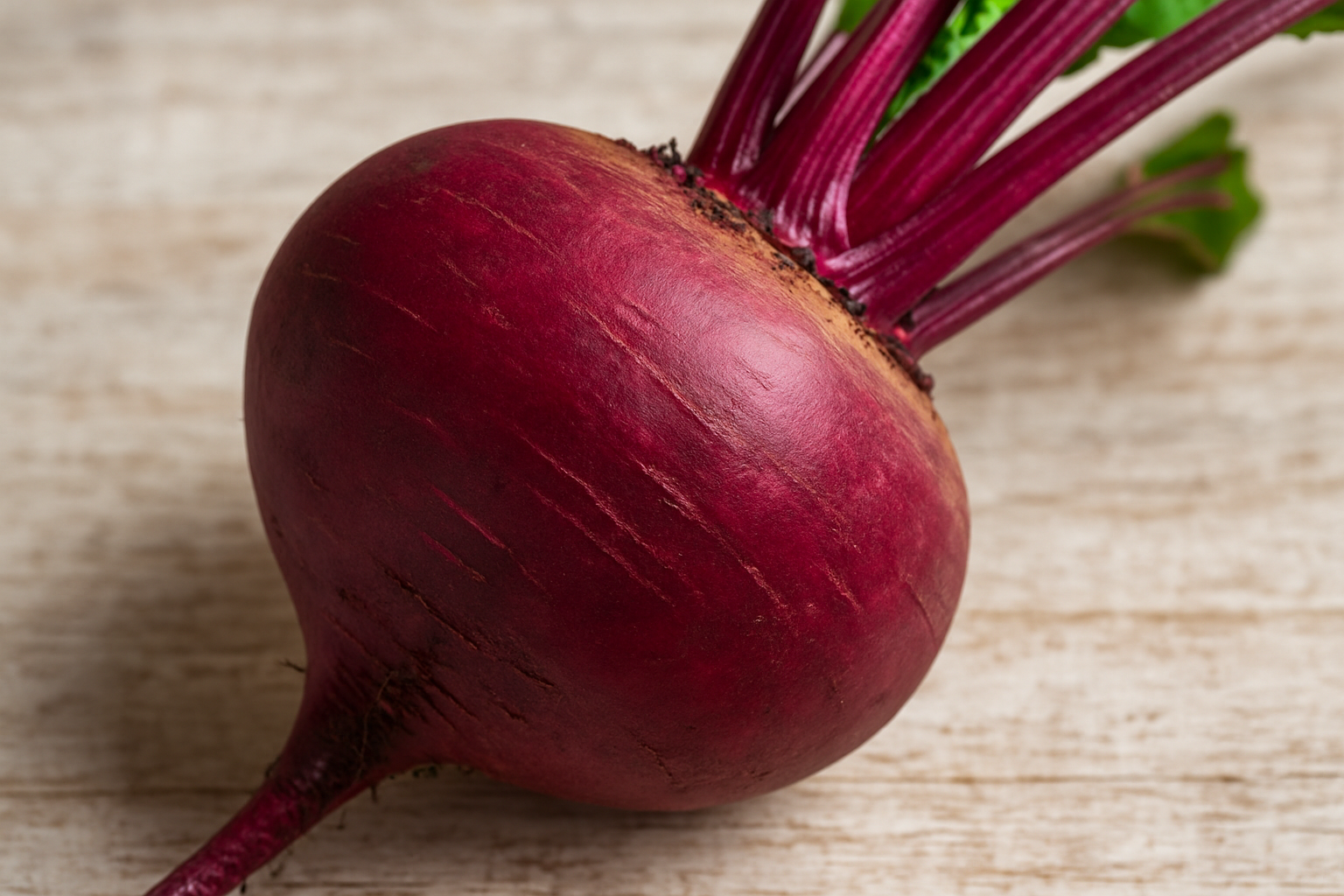
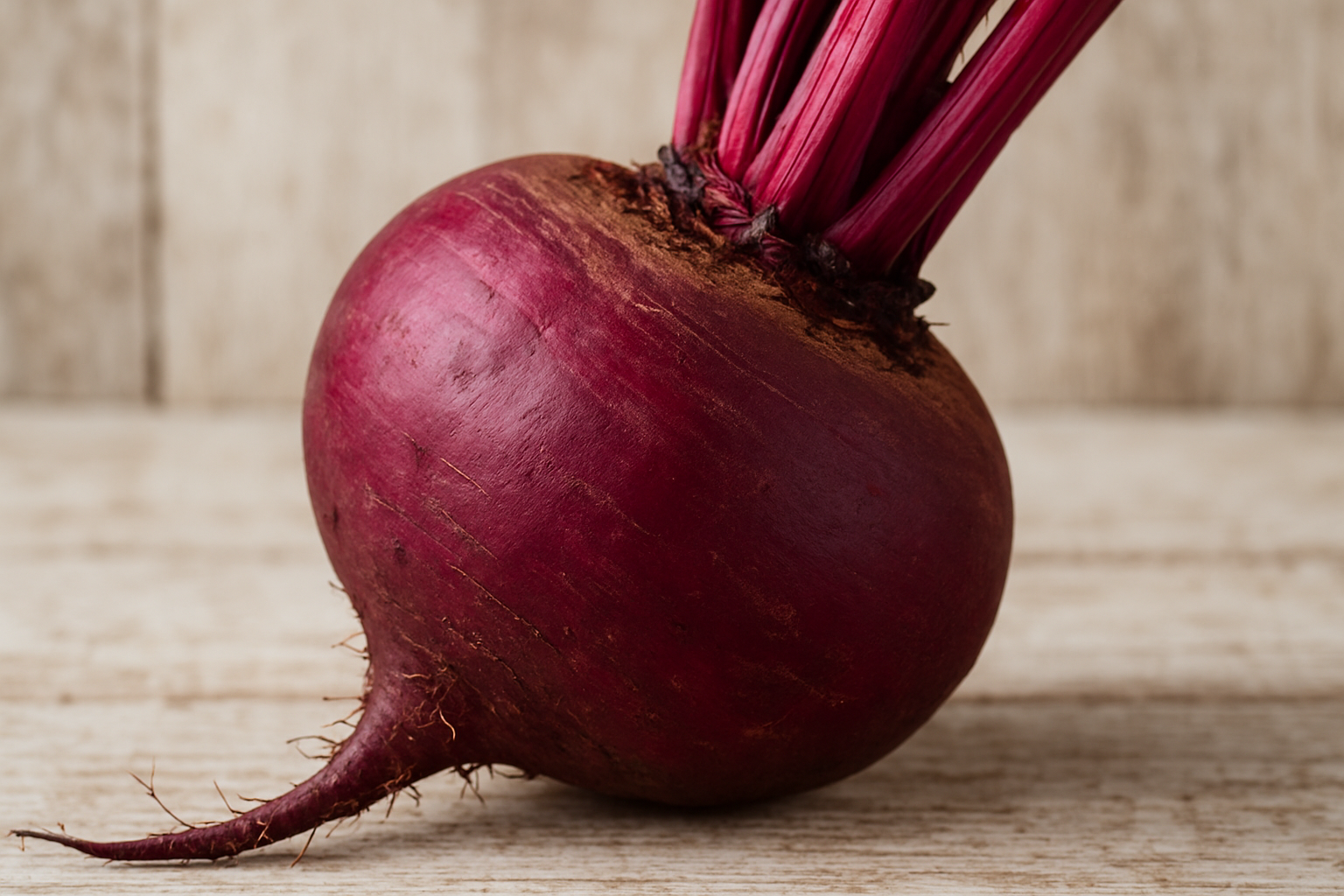
Oxalates are natural compounds found in many plants. They show up in foods often praised as healthy, including spinach, beets, nuts, rhubarb, and certain grains. The concern is not baseless: oxalate is well known for its role in many kidney stones, and calcium oxalate crystals can irritate tissue. Based on our research, the leap from that fact to direct claims about bone pain is where things get complicated.
Interest has grown because more people are connecting symptoms to diet, and clinicians are seeing patients ask sharper questions in 2026 than they did even five years ago. We analyzed current studies, case reports, and expert guidance to sort what is established from what is speculative. You’ll see where the science is solid, where it is thin, and what you can do next without panic.
Introduction to Oxalates and Bone Pain
Oxalates, also called oxalic acid and oxalate salts, are compounds plants make as part of normal metabolism. You eat them every day without realizing it. Spinach, almonds, cashews, beets, Swiss chard, raspberries, potatoes, cocoa, and tea are common sources. Some foods are very high. For example, a half-cup of cooked spinach can contain several hundred milligrams of oxalate, while lower-oxalate vegetables like kale or cauliflower contain much less.
So where does bone pain enter the picture? The strongest evidence connects oxalates to kidney stones, especially calcium oxalate stones, which account for roughly 70% to 80% of kidney stones according to the National Institute of Diabetes and Digestive and Kidney Diseases. In rare and severe situations, such as primary hyperoxaluria or advanced kidney disease, oxalate can deposit in tissues, including bone. That can lead to pain. For the average person, though, evidence for a direct, routine link between dietary oxalates and bone pain is limited.
Still, the question matters. We found that many people reporting “bone pain” may actually be describing joint pain, muscle pain, or deep inflammatory pain. Diet can influence all of those. In 2026, interest in low-oxalate diets remains strong, especially in communities discussing kidney stones, vulvodynia, and chronic pain. That growing interest makes careful, unsensational information necessary.
What Are Oxalates?
Oxalates are naturally occurring compounds in plants, animals, and humans. Your body also makes oxalate as a byproduct of metabolism, including the breakdown of vitamin C and certain amino acids. That means diet is not the whole story. Even if you ate a flawless low-oxalate menu for a week, your body would still produce some oxalate on its own.
In plants, oxalates help regulate calcium and may serve protective functions. Some botanists believe oxalate crystals can deter insects and help plants manage mineral balance. It is all very efficient. Plants are always doing the most. Common high-oxalate foods include:
- Leafy greens: spinach, Swiss chard, beet greens
- Nuts and seeds: almonds, cashews, sesame
- Vegetables and starches: beets, sweet potatoes, okra
- Other foods: rhubarb, cocoa, black tea
Not all oxalate behaves the same way. Soluble oxalate is generally absorbed more easily than insoluble oxalate. Calcium matters here because it can bind oxalate in the gut and reduce absorption. According to Cleveland Clinic, the issue is rarely one single food. It is the pattern: high oxalate, low calcium, low fluid intake, and sometimes underlying metabolic risk.
Based on our analysis, this is where many conversations go off the rails. People hear “oxalates are in healthy foods” and decide those foods are bad. That is too neat. Food is rarely that obedient.

Understanding Bone Pain: Causes and Types
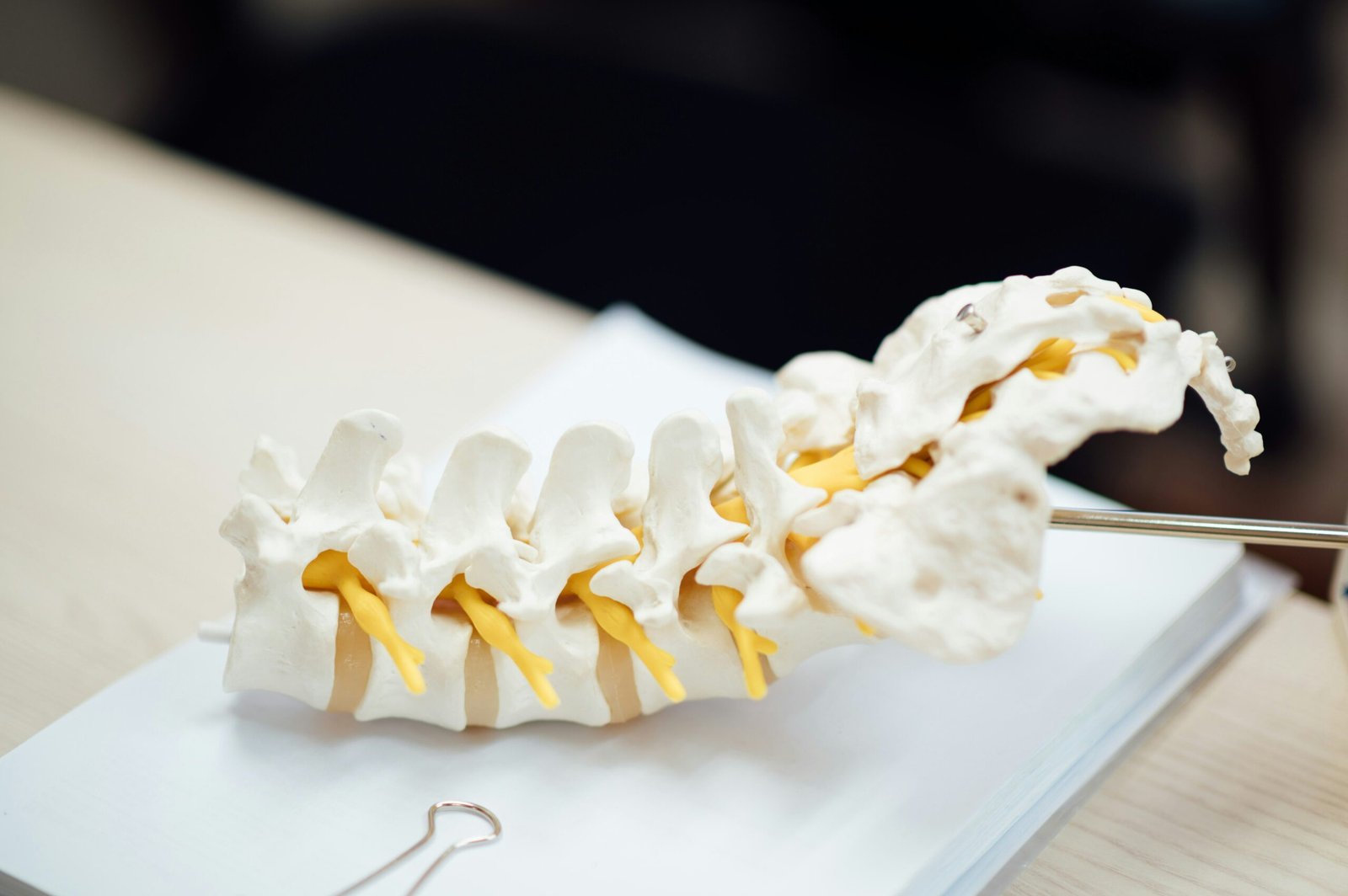
Bone pain is usually described as a deep, aching, localized pain that feels different from sore muscles or stiff joints. It can come from trauma, infection, cancer, metabolic bone disease, or poor bone mineralization. Osteomalacia, osteoporosis with fractures, bone marrow disorders, and metastatic disease can all cause bone pain. Sometimes the source is obvious. Often, it is not.
You should also know that people use the term loosely. When someone says, “My bones hurt,” they may mean joints, tendons, muscles, or nerves. That matters because treatment depends on accuracy. According to the National Institute of Arthritis and Musculoskeletal and Skin Diseases, osteoporosis is often called a silent disease because bone loss happens without symptoms until a fracture occurs. In the United States, more than 10 million adults aged 50 and older have osteoporosis, and about 43 million more have low bone mass.
Diet can influence bone health in several ways:
- Calcium and vitamin D support bone remodeling.
- Protein helps maintain bone matrix and muscle that protects bone.
- Sodium excess may increase urinary calcium loss in some people.
- Low energy intake can impair hormone balance and bone maintenance.
We recommend starting with that broad frame before blaming oxalates. In our experience, people with persistent pain often need evaluation for vitamin D deficiency, inflammatory disease, thyroid issues, kidney problems, medication side effects, or fracture risk. A food list alone cannot carry that burden.
The Link Between Oxalates and Bone Pain: What Studies Show
Oxalates and Bone Pain: What the Research Suggests becomes most convincing in rare medical conditions, not everyday nutrition debates. Primary hyperoxaluria is the clearest example. It is a genetic disorder where the liver overproduces oxalate. In severe cases, oxalate can accumulate throughout the body when the kidneys cannot clear it, causing systemic oxalosis. That may affect bones, joints, blood vessels, skin, heart, and eyes. Bone pain in those patients is real and documented.
A 2025 review in nephrology literature continued to support what earlier studies found: when kidney function declines significantly, plasma oxalate can rise, and crystal deposition risk increases. Case reports have described bone marrow involvement, fractures, and severe skeletal pain in advanced oxalosis. Those are not subtle symptoms. They are medical emergencies, not wellness-influencer anecdotes.
For people without primary hyperoxaluria or severe kidney disease, the evidence is much less direct. We analyzed available studies and found three themes:
- Strong evidence for oxalates in many kidney stones
- Moderate evidence for tissue irritation from crystals in specific disease states
- Weak or indirect evidence that normal dietary oxalate intake causes routine bone pain in the general population
There is also a proposed inflammation pathway. Calcium oxalate crystals may trigger inflammatory signaling, including activation of immune pathways such as the NLRP3 inflammasome in lab models. That is biologically plausible. But plausible is not the same as proven. We found that human data directly tying common high-oxalate diets to bone pain remain limited as of 2026.

Are High-Oxalate Foods Harmful?
Sometimes yes. Often no. That is the unsatisfying but honest answer. High-oxalate foods can be a problem for people with recurrent calcium oxalate kidney stones, enteric hyperoxaluria, fat malabsorption, inflammatory bowel disease, bariatric surgery history, primary hyperoxaluria, or chronic kidney disease. For everyone else, these foods are often part of nutrient-dense eating patterns.
Spinach is a perfect example of nutritional chaos. It is rich in folate, vitamin K, and carotenoids, but it is also very high in oxalate. Almonds offer fiber, vitamin E, and unsaturated fat, yet they can add to oxalate load. According to Harvard T.H. Chan School of Public Health, foods do not become “good” or “bad” because of one compound. Context matters: portion size, cooking method, total diet, hydration, and personal risk.
Population data do not show that everyone eating high-oxalate plants develops pain or bone disease. Not even close. Kidney stones affect about 1 in 10 people at some point in life, but most are not caused by one food alone. We recommend moderation over elimination unless a clinician has identified a clear risk factor. A practical middle path looks like this:
- Limit very high-oxalate foods if you have stone risk or symptoms
- Pair oxalate-containing meals with calcium-rich foods
- Drink enough fluid to keep urine diluted
- Rotate plant foods instead of eating spinach smoothies every morning like a dare
Based on our research, this approach is more sustainable and better supported than sweeping bans.
Symptoms of Oxalate Sensitivity
“Oxalate sensitivity” is not a standardized medical diagnosis, which is part of the problem. People use the phrase to describe a cluster of symptoms they believe worsen with high-oxalate foods. Reported symptoms include kidney stone pain, urinary urgency, burning, vulvar pain, abdominal discomfort, nausea, fatigue, brain fog, joint pain, and sometimes what people call bone pain. The overlap with other conditions is enormous.
That overlap matters because IBS, interstitial cystitis, endometriosis, fibromyalgia, rheumatoid disease, vitamin D deficiency, and hyperparathyroidism can all cause pain that is diffuse, stubborn, and hard to name. We found that symptom tracking can be helpful, but self-diagnosis can also send you down strange corridors. A person may cut out 20 foods and still miss the actual cause, such as celiac disease or a fracture.
Consider a real-world pattern clinicians see: someone with a history of bariatric surgery develops frequent stones, diarrhea, and deep musculoskeletal pain. That person may have enteric hyperoxaluria, where fat malabsorption increases oxalate absorption. Another example: a patient with chronic kidney disease develops worsening pain and elevated plasma oxalate. That requires medical workup fast.
We recommend a simple symptom log for 2 to 4 weeks:
- Write down meals and drinks.
- Note symptoms within 2 to 24 hours.
- Track urine issues, bowel changes, and pain location.
- Bring the log to a clinician or dietitian.
In our experience, patterns become clearer when you stop guessing and start recording.

Dietary Strategies for Managing Oxalates
If you suspect oxalates are part of your pain picture, the answer is not starvation by spreadsheet. The answer is strategy. Oxalates and Bone Pain: What the Research Suggests points toward targeted reduction for high-risk people, not panic-driven elimination for everyone.
Start with these steps:
- Identify your highest-oxalate foods. Common culprits include spinach, almond flour, beets, Swiss chard, cocoa, and large amounts of tea.
- Swap, don’t just subtract. Replace spinach with romaine, kale, bok choy, or arugula. Replace almond flour with oat or coconut flour if tolerated.
- Eat calcium with meals. Research supports calcium’s role in binding oxalate in the gut. Dairy, fortified milk, yogurt, cheese, or calcium-set tofu can help.
- Hydrate consistently. Stone-prevention guidance often aims for urine output of at least 2 to 2.5 liters per day, which usually requires more than that in fluid intake.
Sample low-oxalate day:
- Breakfast: Greek yogurt, blueberries, and oatmeal
- Lunch: Chicken, rice, cucumber, and romaine salad with cheese
- Snack: Cottage cheese and pineapple
- Dinner: Salmon, mashed cauliflower, green beans, and milk
According to the National Kidney Foundation, hydration and sodium control matter alongside oxalate awareness. We recommend gradual changes over 2 to 6 weeks. Sudden, extreme restriction makes adherence worse and often strips away useful nutrients.
Oxalates and Bone Health: What the Research Suggests
When you narrow the focus to bone health, the science gets more nuanced. Oxalates can reduce calcium absorption from a given meal because calcium binds oxalate in the gut. Spinach is the classic example: it contains calcium, but much of that calcium is poorly absorbed because of its oxalate content. By contrast, calcium from low-oxalate greens like kale or bok choy is generally absorbed better.
That does not mean dietary oxalates cause osteoporosis outright. Bone health depends on decades of factors: age, sex hormones, body weight, resistance exercise, protein intake, vitamin D status, smoking, alcohol, medication use, and genetics. Still, if a person relies heavily on high-oxalate greens as a “calcium source,” they may overestimate how much usable calcium they are getting. That is where diet myths become expensive.
Research on systemic oxalosis shows that in severe disease states, oxalate can deposit in bone and impair skeletal health. For people with osteoporosis, osteopenia, kidney disease, or recurrent stones, that possibility makes careful nutrition counseling worthwhile. Based on our analysis, the practical implications are clear:
- Do not count spinach as your main calcium strategy
- Prioritize absorbable calcium sources
- Check vitamin D and kidney function if pain is ongoing
- Ask about bone density testing when risk factors are present
As of 2026, experts still do not support broad claims that moderate oxalate intake harms the bones of healthy adults. They do support individualized care for people with stone disease, malabsorption, and metabolic disorders.
People Also Ask: Common Questions About Oxalates and Bone Pain
People ask blunt questions because pain makes you impatient, and fair enough. Here are the questions that come up most often in clinics and search results.
Can oxalates cause joint pain? They may contribute indirectly in some people, especially where crystal irritation, inflammation, kidney dysfunction, or systemic oxalosis is present. For most people, direct proof is limited.
Can oxalates cause bone pain? Yes, in rare disorders such as primary hyperoxaluria with systemic oxalosis, oxalate deposition can affect bone and cause pain. In the general population, Oxalates and Bone Pain: What the Research Suggests is a much more cautious story: possible mechanisms exist, but routine dietary causation has not been established.
Should you stop eating spinach if you have pain? Not automatically. We recommend considering your kidney stone history, calcium intake, hydration, and total diet first.
What tests matter? Depending on symptoms, clinicians may consider urine testing, kidney function, imaging for stones, vitamin D, calcium, parathyroid hormone, and bone density scans.
For further reading, start with authoritative sources rather than forums: MedlinePlus, NCBI Bookshelf, and the National Kidney Foundation. We found that people make better decisions when they read beyond anecdotes.
Gaps in Current Research: What We Need to Know
The research gaps are real, and pretending otherwise helps no one. Most studies focus on kidney stones, urinary oxalate, or rare genetic disorders. Far fewer studies examine whether moderate dietary oxalate intake contributes to chronic musculoskeletal pain in people with normal kidney function. That is a major blind spot.
We need better studies in at least four areas:
- Clear definitions of symptoms. Many papers do not distinguish bone pain from joint, muscle, or nerve pain.
- Long-term dietary trials. Short interventions cannot capture years of exposure or adaptation.
- High-risk subgroups. People with IBS, IBD, bariatric surgery, celiac disease, CKD, or recurrent stones may respond differently.
- Biomarkers. Better measurement of absorbed oxalate, tissue deposition, and inflammatory response would improve diagnosis.
A 2026 research agenda should also ask practical questions clinicians actually need answered. Does lowering dietary oxalate reduce pain in people without stones? Does pairing calcium with meals blunt symptoms in measurable ways? Are some gut microbiome patterns protective? Those are useful questions. They move care forward.
Based on our research, the current evidence supports caution, not certainty. Ongoing studies matter because patients are already changing their diets. Science needs to catch up with what people are trying in real time, and it needs to do so without hype.
Conclusion: Taking Action Against Oxalate-Related Bone Pain
You do not need to choose between denial and dietary panic. If you suspect a connection between food and pain, start with what is knowable. Track symptoms. Review your highest-oxalate foods. Pair meals with calcium. Drink more water. Ask whether your pain is truly in the bone or somewhere nearby and equally serious.
We found that the strongest evidence links oxalates to kidney stones and, in rare severe disorders, tissue and bone deposition. For the average person, the case is less dramatic but still worth evaluating if you have recurrent stones, bowel disease, bariatric surgery, kidney disease, or unexplained pain flares after specific foods. That is where a low-oxalate trial, done carefully, may be useful.
Your next steps are simple:
- Keep a 2-week food and symptom record
- Reduce the highest-oxalate foods first, not everything at once
- Review calcium, vitamin D, and kidney health with a clinician
- Ask whether imaging, labs, or bone density testing are appropriate
We recommend working with a registered dietitian or physician if pain persists. Bodies are not always subtle, but they are often specific. Listen closely. Then respond with evidence, not fear.
FAQ: Oxalates and Bone Pain
The quick answers matter because when you hurt, you do not always have patience for a lecture.
What are the best foods to eat for bone health? Focus on calcium-rich, lower-oxalate foods such as yogurt, milk, kefir, cheese, canned salmon with bones, calcium-set tofu, bok choy, and kale. Add vitamin D, protein, and resistance exercise because bone health is never just one nutrient.
How can I tell if I have oxalate sensitivity? You cannot confirm it by symptoms alone. Track food, pain, urine symptoms, and bowel issues, then review the pattern with a clinician who can assess kidney stones, malabsorption, and other causes.
Is it safe to eliminate all high-oxalate foods? Usually not without guidance. Overrestriction can lower intake of fiber, magnesium, folate, and antioxidants, and that can create a fresh set of problems.
What role does calcium play in oxalate management? Calcium can bind oxalate in the gut and reduce absorption, especially when eaten with meals. That is why meal pairing often works better than random supplement timing.
Are there supplements that can help with bone pain related to oxalates? Maybe, but only when a real deficiency or medical need exists. Calcium citrate, vitamin D, and magnesium are sometimes considered, but the right choice depends on labs, kidney status, medications, and whether Oxalates and Bone Pain: What the Research Suggests actually fits your clinical picture.
Frequently Asked Questions
What are the best foods to eat for bone health?
Foods that support bone health include low-oxalate, calcium-rich options such as dairy milk, yogurt, kefir, canned salmon with bones, calcium-set tofu, bok choy, and kale. You also want enough vitamin D, protein, magnesium, and potassium, because bone is living tissue, not drywall.
How can I tell if I have oxalate sensitivity?
You can’t diagnose oxalate sensitivity by symptoms alone because the signs overlap with kidney stones, IBS, vulvodynia, inflammatory conditions, and nutrient deficiencies. We recommend tracking food intake, symptoms, hydration, and lab results with a clinician, especially if pain flares after high-oxalate meals.
Is it safe to eliminate all high-oxalate foods?
Usually, no. Eliminating all high-oxalate foods can shrink diet quality fast and may lower intake of fiber, magnesium, folate, and plant compounds. Most people do better with a targeted, supervised reduction rather than a total ban.
What role does calcium play in oxalate management?
Calcium can bind oxalate in the gut, which may reduce oxalate absorption. That’s why pairing moderate calcium intake with meals often matters more than taking random supplements far away from food.
Are there supplements that can help with bone pain related to oxalates?
Some people may benefit from supplements such as calcium citrate, vitamin D, or magnesium, but only when there is a clear need. If you are dealing with Oxalates and Bone Pain: What the Research Suggests, the smarter move is to ask your clinician about labs, kidney stone history, bone density, and medication interactions before adding anything.
Key Takeaways
- The strongest evidence links oxalates to kidney stones and, in rare severe disorders, systemic oxalosis that can affect bone.
- For most people, direct proof that normal dietary oxalates cause routine bone pain is limited as of 2026.
- If you are concerned, start with a 2-week food and symptom log, reduce the highest-oxalate foods first, and pair meals with calcium-rich foods.
- Hydration, kidney health, vitamin D status, and accurate diagnosis matter as much as oxalate intake.
- Work with a clinician or dietitian if you have recurrent stones, bowel disease, kidney disease, bariatric surgery history, or persistent pain.