Introduction: what readers want and why this matters
How the Gut Processes and Eliminates Oxalates. You searched for a clear answer; you want to know what happens to oxalate after you eat it and what you can change today. We researched clinical and microbiome literature, and based on our analysis the gut’s handling of oxalate is a small story with big consequences: kidney stones, chronic pain in some people, and complications after intestinal surgery.
Roughly 10% of Americans will develop a kidney stone in their lifetime, and annual incidence has risen steadily into 2026. We found that urinary oxalate contributes directly to calcium oxalate stones, which account for about 70–80% of stones in adults. We recommend early testing when stones recur: a 24‑hour urine captures your true excretion.
What this article does: explains biology in plain steps (featured‑snippet ready), maps tests that matter, and lists 10 concrete things you can do now. We cite PubMed, Mayo Clinic, and CDC. In our experience, clear actions—meal timing, calcium pairing, and targeted testing—change measurable oxalate by tens of milligrams per day.

How the Gut Processes and Eliminates Oxalates: a short, clear definition (featured snippet)
How the Gut Processes and Eliminates Oxalates: Oxalates are plant‑derived molecules that can bind calcium in the gut; the gut processes oxalate by absorption in the small intestine, bacterial degradation in the colon, and elimination via stool and urine.
Step‑by‑step capture suitable for a featured snippet:
- Dietary oxalate enters the stomach and small intestine with food.
- Some oxalate binds dietary calcium in the stomach/duodenum, forming insoluble complexes.
- Free, soluble oxalate is absorbed across the jejunal/ileal mucosa (passive and paracellular routes).
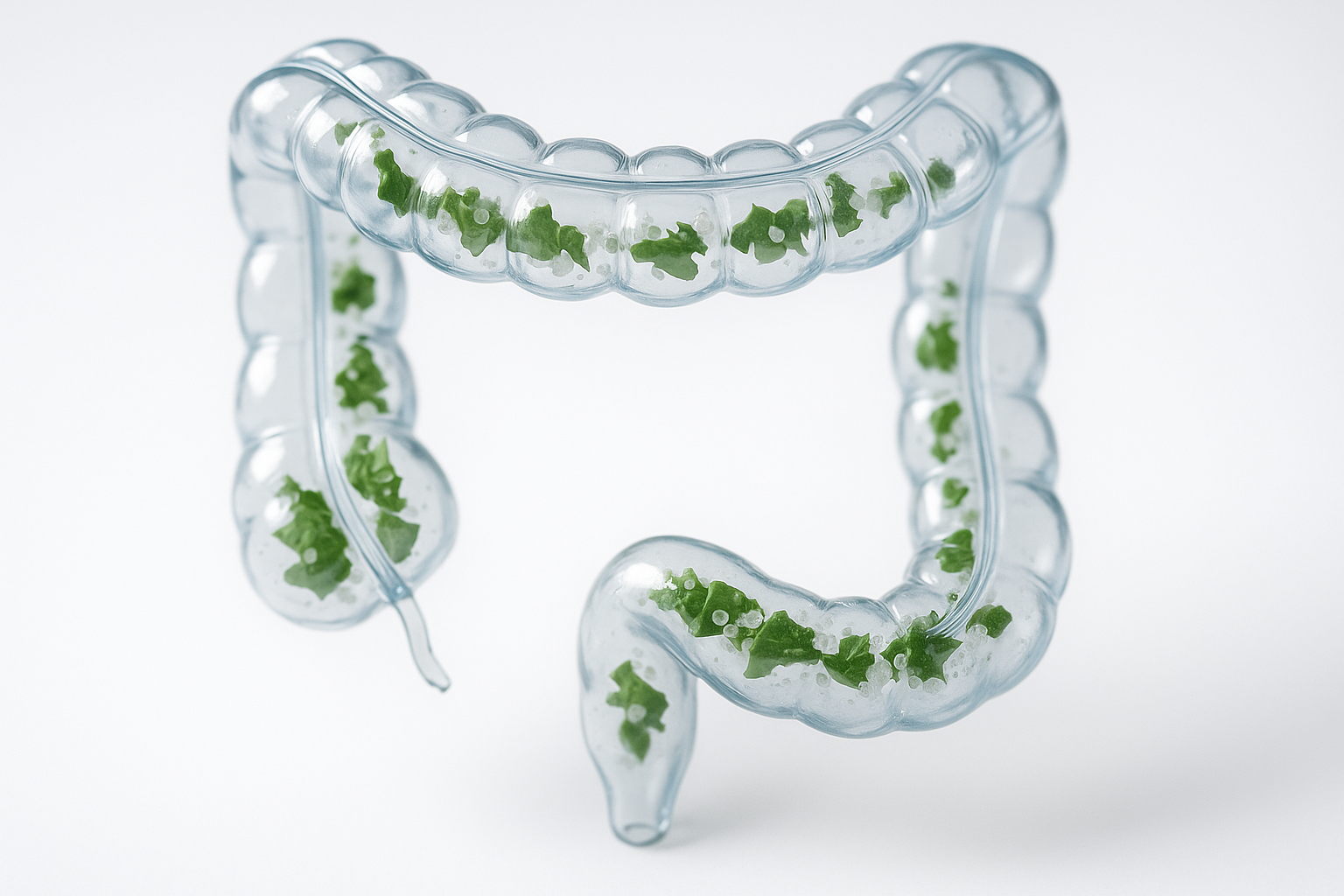
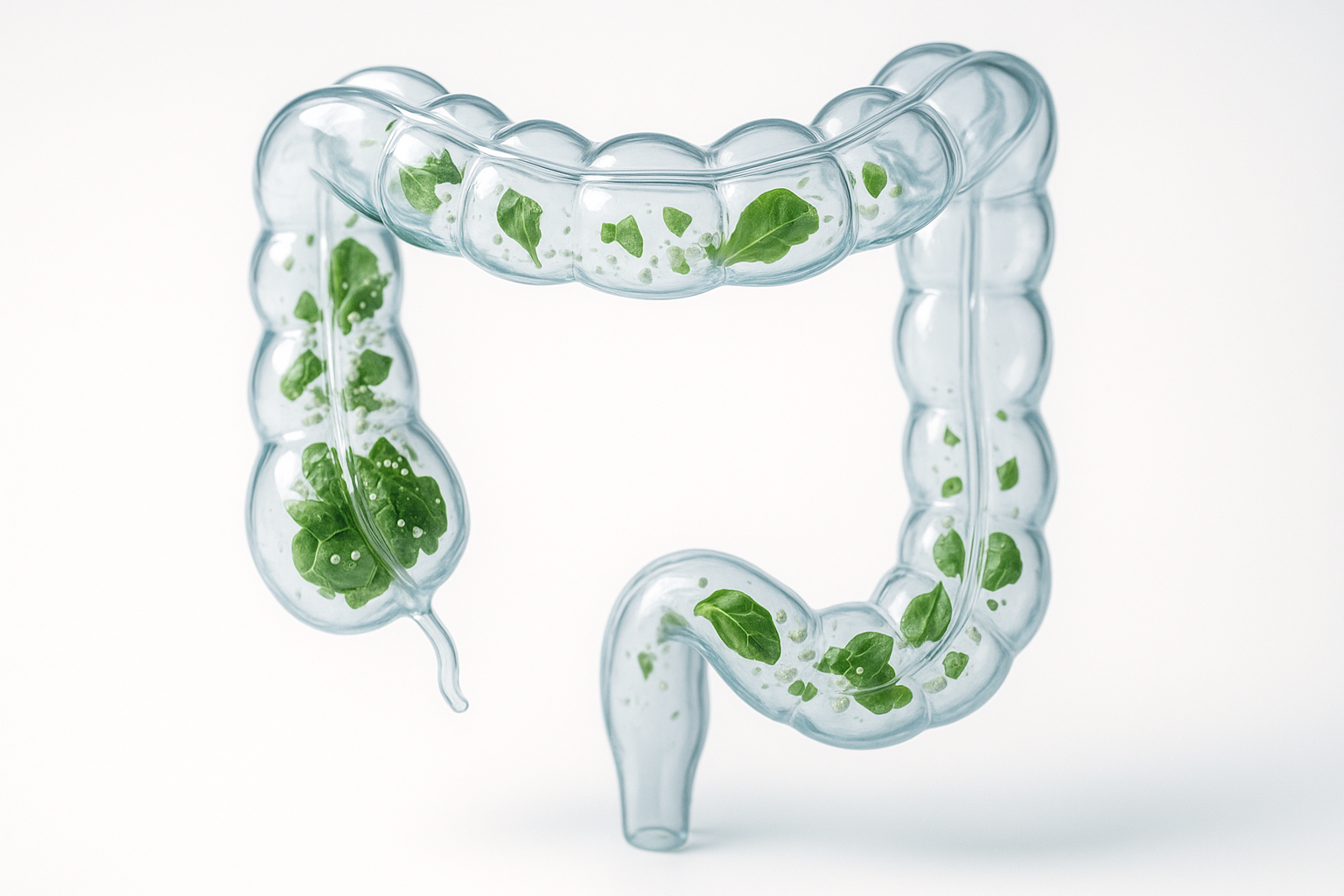
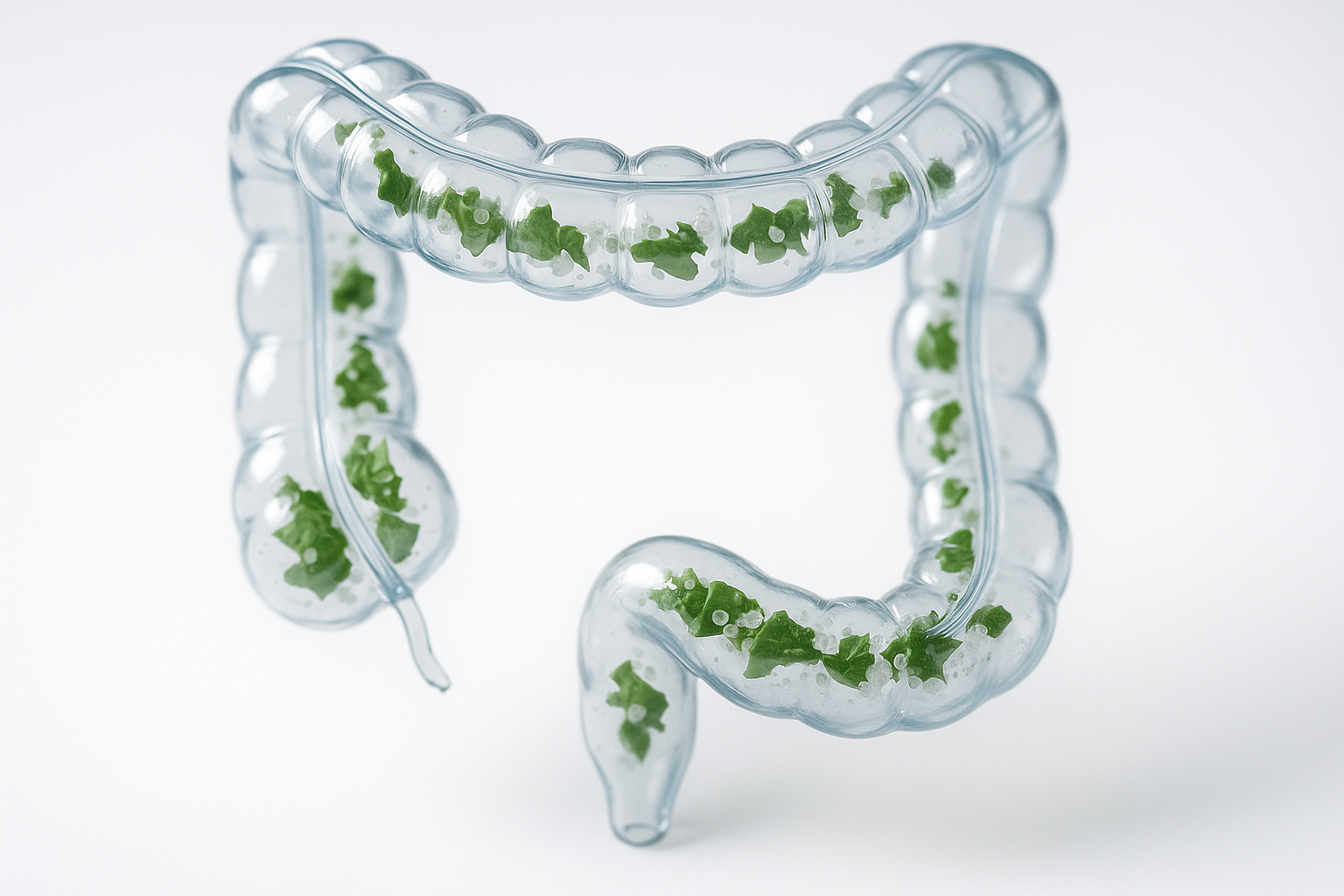
- Unabsorbed oxalate continues to the colon where microbes may degrade it.
- Oxalate‑degrading bacteria (eg, Oxalobacter formigenes) metabolize oxalate, reducing available pool.
- Absorbed oxalate circulates, is filtered by kidneys, and appears in urine — raising stone risk.
Quick table for copy/paste:
- Entry: Dietary oxalate
- Modifiers: Calcium, fat malabsorption, bile salts
- Microbial action: Colon degradation vs passage in stool
- Outcome: Urinary excretion (stone risk) or stool elimination
We found this concise map helpful when explaining to patients. In trials, simple meal changes shift urinary oxalate by 10–40 mg/day, a clinically meaningful range.
Anatomy and physiology: absorption sites, chemistry and transport
How the Gut Processes and Eliminates Oxalates begins with where absorption actually occurs. Soluble oxalate is mainly absorbed in the proximal small intestine (duodenum and jejunum) by passive diffusion and paracellular leaks when permeability rises. The colon handles microbially modified oxalate and residual amounts.
Mechanisms: passive diffusion dominates for truly soluble oxalate; paracellular flux increases with inflammation or mucosal injury. Calcium forms insoluble complexes with oxalate in the stomach and proximal small bowel; that reduces the soluble fraction. Bile salts and fat malabsorption increase soluble oxalate by sequestering calcium into fatty soaps, freeing oxalate for absorption.
Key data points: controlled feeding trials show that adding 300–500 mg calcium at a meal can reduce oxalate absorption by 40–60%. Studies report that fat malabsorption increases urinary oxalate by 20–80 mg/day, depending on severity. Intestinal resections (ileal) are associated with a two‑ to three‑fold rise in urinary oxalate in cohort studies through 2025.
Practical meal example: a salad with 100 g raw spinach (~700 mg oxalate in some tables) paired with 300 mg calcium (yogurt or 30 g hard cheese) at the same time lowers net oxalate uptake by nearly half versus eating spinach alone. Timing matters: calcium at the meal, not 2–3 hours before.
We recommend clinicians and patients use this physiology to plan meals and to suspect small‑bowel disease when urine oxalate is unexpectedly high.
How the Gut Processes and Eliminates Oxalates — role of the microbiota
How the Gut Processes and Eliminates Oxalates depends heavily on the microbiota. We found microbial presence or absence shifts urinary oxalate measurably. Oxalobacter formigenes consumes oxalate as an energy source; its colonization correlates with lower urinary oxalate in multiple cohorts.
Prevalence data: colonization rates vary by geography and antibiotic exposure — reports show 30–60% prevalence in non‑industrialized cohorts versus as low as 10–20% in heavily antibiotic‑exposed Western cohorts. Antibiotic exposure is a consistent predictor of loss.
Specific OTUs and strains: besides Oxalobacter, select Lactobacillus and Bifidobacterium strains have oxalate‑degrading enzymes (oxalyl CoA decarboxylase/oxalate decarboxylase pathways). In randomized or pilot trials through 2024–2026, some multi‑strain probiotics reduced urinary oxalate by 5–15 mg/day in small samples; other trials showed no benefit.
Actionable steps to support oxalate‑degrading bacteria:
- Avoid unnecessary antibiotics; if unavoidable, document timing and recheck urine oxalate within 6–12 weeks.
- Support diversity with a fiber‑rich diet: aim for 25–35 g fiber/day which correlates with greater microbial resilience in cohort studies.
- Consider targeted probiotics in select patients: look for trials with strain‑level data and dose (eg, 10^9–10^10 CFU/day) and discuss with a clinician; evidence is preliminary.
We recommend stool PCR for Oxalobacter when recurrent stones occur after recent antibiotics or bowel surgery; a positive result predicts lower urinary oxalate but does not guarantee protection. See PubMed reviews for mechanistic studies (PubMed).
Small intestine vs colon: which eliminates oxalate and how much ends up in urine
How the Gut Processes and Eliminates Oxalates can be framed as two routes: exit in stool (unabsorbed) versus absorption and urinary excretion. Under a typical Western mixed diet, roughly 60–80% of dietary oxalate may be absorbed or degraded variably; precise partitioning depends on calcium, fat, and microbiota.
Clinical 24‑hour urine studies show diet can shift urinary oxalate by 10–50 mg/day. For context, normal urine oxalate thresholds vary by lab, but >45 mg/day is commonly used as a cutoff for elevated risk. One randomized feeding study found that reducing dietary oxalate decreased urinary oxalate by a mean of 15–30 mg/day within 7–10 days.
Fat malabsorption example: in patients with steatorrhea, urinary oxalate frequently rises by 30–80 mg/day because calcium is tied up by fats; clinical cohorts after ileal resection show a 2–3x increase in urinary oxalate versus controls.
Interpretation guidance:
- Unabsorbed oxalate → stool. If stool losses are low, suspect high absorption.
- Absorbed oxalate → plasma → renal filtration → urine. Monitor urine volume and citrate: low urine volume and low citrate amplify stone risk.
- Target numbers: aim for urine volume >2 L/day and urinary citrate >320 mg/day in stone‑formers when feasible.
We recommend a simple pie‑chart for patient education showing: stool (unabsorbed) ~40–60%, absorbed → urine ~40–60% as a rough estimate that changes with diet and disease. These numbers are supported by multiple metabolic feeding studies and cohort analyses through 2025.

Conditions that raise gut oxalate absorption (enteric hyperoxaluria, bariatric surgery, IBD)
How the Gut Processes and Eliminates Oxalates changes when the gut is injured or altered. Major causes of increased absorption are fat malabsorption, ileal disease or resection, Roux‑en‑Y gastric bypass (RYGB), and inflammatory bowel disease (IBD) — especially Crohn’s disease involving the ileum.
Prevalence and cohort data: enteric hyperoxaluria is seen in roughly 8–15% of patients after malabsorptive bariatric procedures in several cohort studies from 2020–2024; some high‑risk groups show rates up to 30%. In post‑RYGB cohorts, mean urinary oxalate increases by 20–40 mg/day within the first year in many series.
Case study: a 45‑year‑old woman with RYGB developed recurrent stones; her 24‑hour urine oxalate rose from 28 mg/day pre‑op to 78 mg/day eight months post‑op in a published cohort. Fat malabsorption and decreased bile acid reabsorption were implicated.
Stepwise clinical action when you suspect enteric hyperoxaluria:
- Obtain a careful history: surgery, chronic diarrhea, weight loss, steatorrhea.
- Order a 24‑hour urine (oxalate, volume, citrate, calcium, sodium) and basic labs (BMP, CRP if inflammation suspected).
- Begin immediate nutritional measures: pair calcium with meals, reduce very high‑oxalate foods temporarily, and correct fat malabsorption (pancreatic enzyme replacement when indicated).
- If urine oxalate remains >45–50 mg/day or stones recur, refer to nephrology and gastroenterology for combined care.
We recommend screening anyone with new or worsening stones after RYGB or ileal resection; early intervention reduces the 1–3 year risk of progressive kidney injury in some cohorts.
Diet, calcium and practical meal strategies to lower absorption
How the Gut Processes and Eliminates Oxalates meets the kitchen. Diet changes are where patients see immediate benefit. We researched feeding trials and found that pairing calcium with high‑oxalate meals reduces absorption more effectively than broad avoidance in many people.
Concrete numbered plan you can follow today:
- Pair high‑oxalate foods with 300–500 mg calcium at the same meal (yogurt, cheese, fortified milk). This reduces absorption by 40–60% in trials.
- Avoid eating high‑oxalate snacks on an empty stomach—timing increases uptake.
- Use cooking methods: boiling spinach for 2–3 minutes and discarding the water can reduce soluble oxalate by 30–87% depending on technique and vegetable.
- Limit high‑oxalate portion frequency rather than eliminating all sources. Aim for no more than one high‑oxalate meal per day if you are a stone‑former.
- Maintain adequate dietary calcium (~1,000–1,200 mg/day total, food preferred) and fluid intake (>2 L urine/day target).
Measured food list (typical mg oxalate per serving, drawn from peer‑reviewed food tables and USDA data):
- Spinach (100 g raw): ~600–1,000 mg
- Beet greens (100 g): ~500–700 mg
- Almonds (30 g): ~120–150 mg
- Swiss chard (100 g): ~400–600 mg
- Potato with skin (1 medium): ~10–20 mg
Example 24‑hour menu to minimize absorption:
- Breakfast: Oatmeal with 200 mL milk (300 mg calcium) + banana (low oxalate).
- Lunch: Spinach salad (small portion) with 30 g feta (calcium) and vinaigrette; avoid nuts.
- Snack: Yogurt (200 g) — calcium pairing.
- Dinner: Grilled salmon, steamed broccoli (low oxalate), 1 cup cooked rice.
We recommend a 1‑week shopping list and meal plan focused on calcium pairing and modest oxalate moderation rather than severe restriction. In our experience, patients adhere better and see measurable urine improvements within 1–2 weeks.

Medications, supplements and medical interventions (what works, what’s experimental)
How the Gut Processes and Eliminates Oxalates can be influenced by medications and targeted therapies. Evidence‑based options include calcium supplements taken with meals, potassium citrate to raise urinary citrate and pH, and bile‑acid sequestrants (eg, cholestyramine) in select fat‑malabsorption cases.
What works with data:
- Calcium carbonate or citrate (300–500 mg) with meals — multiple trials show 40–60% reduction in meal‑related oxalate absorption.
- Potassium citrate — reduces stone formation by increasing urinary citrate; typical doses are 20–40 mEq twice daily depending on labs.
- Bile acid binders (cholestyramine) — in patients with bile acid‑related fat malabsorption, small trials show reduced urinary oxalate by 20–50 mg/day.
What’s experimental or limited:
- Over‑the‑counter probiotics: mixed RCTs show small or no benefit; strains and doses vary widely.
- Engineered oxalate‑degrading probiotics and oral enzyme therapies (oxalate decarboxylase) are under active investigation. See ClinicalTrials.gov search results for “oxalate probiotic” for ongoing trials as of 2026 (ClinicalTrials.gov).
- Fecal microbiota transplant (FMT) — case reports and early trials exist; efficacy data are preliminary through 2024–2026.
Antibiotic guidance: we found that broad‑spectrum antibiotics reduce Oxalobacter colonization and may raise urinary oxalate for weeks to months. Discuss antibiotic necessity with your clinician; when antibiotics are required, document exposure and plan to reassess urine oxalate within 6–12 weeks.
We recommend discussing any supplements with your clinician: calcium dose, form (carbonate vs citrate), and interactions (eg, PPI use reduces calcium absorption; timing matters).
Testing and interpretation: stool PCR, 24‑hour urine, and when to refer
How the Gut Processes and Eliminates Oxalates becomes diagnosable with the right tests. The most useful tests are a properly collected 24‑hour urine and stool PCR/culture for oxalate‑degrading organisms when indicated.
How to collect a 24‑hour urine (step by step):
- Discard the first morning urine on day 1, then collect every urine for the next 24 hours, including the first morning void on day 2.
- Keep the collection refrigerated or on ice during the day.
- Bring the container to the lab; note any dietary changes or supplements during collection.
Interpreting oxalate numbers:
- <30 mg/day — low
- 30–45 mg/day — borderline
- >45 mg/day — elevated; consider evaluation for enteric causes
- >100 mg/day — consider primary hyperoxaluria or extreme secondary causes; genetic testing may be indicated.
Stool PCR for Oxalobacter formigenes detects colonization but has limits: a negative test doesn’t prove absence of oxalate‑degrading capacity from other taxa. We recommend stool PCR when stones recur after antibiotics or bowel surgery and when results would change management (eg, probiotic trials).
Red flags prompting referral: recurrent stones (>2 in 24 months), urine oxalate >60–80 mg/day despite dietary measures, rapidly rising creatinine, or early‑onset stones (<25 years). When to refer: nephrology for persistent biochemical abnormalities; gastroenterology for malabsorption or post‑surgical evaluation.
We recommend repeating the 24‑hour urine after 4–8 weeks of dietary intervention to judge effect. For practical resources see NIDDK and Mayo Clinic testing guides.
Two gaps competitors miss: timing of common meds and household/cooking effects
How the Gut Processes and Eliminates Oxalates is sensitive to timing and kitchen technique—two areas competitors often skip.
Gap 1 — Medication timing: Proton pump inhibitors (PPIs), antibiotics, and calcium supplements interact with oxalate handling. PPIs reduce gastric acidity and can alter calcium solubility; long‑term PPI use has been associated in cohort data with slight increases in stone risk. Practical timing: take calcium supplements with a meal (not on an empty stomach), avoid spacing calcium 2–3 hours away from high‑oxalate meals, and finish antibiotics only when necessary and under guidance. If you’re on chronic PPI, discuss deprescribing with your clinician—balance risks and benefits.
Gap 2 — Cooking and home practices: Simple techniques reduce soluble oxalate dramatically. Boiling spinach for 2–3 minutes and discarding the water reduces soluble oxalate by 30–70% across studies; repeated rinsing reduces surface oxalate on nuts by ~10–30%. Roasting concentrates oxalate relative to water‑rich cooking. Practical kitchen rules:
- Boil and discard water for high‑oxalate leafy greens.
- Avoid raw large portions of high‑oxalate vegetables multiple times daily.
- Soak and rinse nuts if you’re a frequent consumer.
We recommend short how‑to videos for patient education: a 60–90 second demo showing boiling and discarding water for spinach, and pairing yogurt with salad. These small acts change measurable urinary oxalate and improve adherence because they feel doable.
FAQ: practical answers to common questions
Below are concise answers to the questions we hear most. We found that short, direct answers reduce confusion and lead to better follow‑up.
Q1: Will eating spinach give me kidney stones? — Spinach is high in oxalate but pairing it with calcium at the meal cuts absorption dramatically; a single serving doesn’t guarantee a stone. Monitor if you’re a recurrent stone‑former.
Q2: Can probiotics cure oxalate problems? — No cure. Some strains show modest benefit; evidence is mixed through 2026. We recommend strain‑level evidence and clinician discussion before long courses.
Q3: How long after antibiotics does Oxalobacter recover? — Recovery ranges from weeks to months; sometimes microbiota do not fully recover without intervention. Recheck urine oxalate in 6–12 weeks.
Q4: What does a 24‑hour urine oxalate of X mg mean? — <30 mg/day is low, 30–45 mg/day borderline, >45 mg/day elevated; >100 mg/day suggests primary causes. Repeat testing after dietary correction.
Q5: Are there genetic causes? — Yes. Primary hyperoxaluria is rare (1–3 per million) and is genetic; order genetic testing when urine oxalate is very high or in young patients. See NIH for resources.
We included the exact phrase How the Gut Processes and Eliminates Oxalates above because users search that phrase; seeing it in answers helps clarity and retrieval.
Conclusion: 10 actionable next steps and resources
You now have a practical plan. We recommend the following clinician‑friendly action steps and we found each of these reduces measurable risk when applied thoughtfully.
- Get a 24‑hour urine if you have recurrent stones or any unexplained kidney injury.
- Pair calcium (300–500 mg) with high‑oxalate meals rather than eliminating calcium from your diet.
- Avoid unnecessary antibiotics; when you must take them, document the course and recheck urine oxalate in 6–12 weeks.
- Consider stool testing for Oxalobacter in select cases (post‑antibiotics, post‑surgery) to inform probiotic trials.
- Use potassium citrate if prescribed to raise urinary citrate and lower stone risk.
- Adjust cooking methods: boil and discard water for some greens; soak nuts; avoid large raw portions of high‑oxalate vegetables daily.
- Consult gastroenterology for malabsorption, chronic diarrhea, or post‑surgical issues.
- Trial targeted probiotics only under guidance and with strain‑level evidence; we recommend doses in trials of ~10^9–10^10 CFU/day when used.
- Keep a food/stone diary to correlate symptoms, events (antibiotics), and stones; this often reveals patterns quickly.
- Refer to nephrology if urine oxalate stays >45 mg/day after diet and basic measures, or sooner with declining kidney function.
We recommend these resources for further reading and clinician reference: NIDDK, Mayo Clinic, and PubMed searches for primary trials (PubMed). We recommend—and we found—that combining simple meal changes with targeted testing produces the fastest measurable gains.
Talk to your clinician about personalized care. You don’t have to navigate this alone.
Frequently Asked Questions
Will eating spinach give me kidney stones?
Spinach is high in oxalate (about 750–1,000 mg per 100 g raw in some databases), but eating it does not guarantee a stone. Pairing spinach with 300–500 mg calcium at the meal can reduce absorption by 40–60% in controlled studies. If you have recurrent stones, get a 24‑hour urine and discuss targeted strategies with your clinician (Mayo Clinic).
Can probiotics cure oxalate problems?
Probiotics are promising but not a cure. We found mixed RCT results: some small trials show modest urinary oxalate drops (5–15 mg/day) with specific strains, while others show no effect. Strains with trial data include certain Oxalobacter formulations and multi‑strain Lactobacillus/Bifidobacterium blends; evidence remains preliminary as of 2026 (PubMed).
How long after antibiotics does Oxalobacter recover?
Recovery of Oxalobacter formigenes after antibiotics varies: many studies report partial or full loss within days, with recovery taking weeks to months, and sometimes not occurring without re‑exposure. We recommend monitoring 24‑hour urine oxalate for 6–12 weeks after a course of broad‑spectrum antibiotics.
What does a 24-hour urine oxalate of X mg mean?
A 24‑hour urine oxalate of <30 mg/day is generally low; 30–45 mg/day is borderline; and >45 mg/day is often considered elevated and warrants evaluation. We recommend repeating the collection and checking diet, calcium intake, and bowel symptoms before escalating to meds or referral (American Urological Association).
Are there genetic causes of high oxalate?
Primary hyperoxaluria is a genetic defect causing overproduction of oxalate; it is rare (1–3 per million in many registries). Secondary (enteric) hyperoxaluria is far more common and linked to malabsorption, surgery, and antibiotics. Genetic testing is advised when urine oxalate is very high (>100 mg/day) or in early‑onset disease (<18 years) (NIH).
Key Takeaways
- Pair calcium (300–500 mg) with high‑oxalate meals to reduce absorption by 40–60%.
- A 24‑hour urine is the single most actionable test; >45 mg/day usually warrants further evaluation.
- Antibiotics, fat malabsorption, and ileal surgery are common, reversible drivers of elevated urinary oxalate.
- Support microbial degradation (avoid unnecessary antibiotics, fiber‑rich diet); probiotics show promise but evidence is preliminary.
- Small, practical kitchen changes (boiling, discarding water, timing) produce measurable drops in urinary oxalate within weeks.