How Oxalates May Affect Iron Absorption: 7 Essential Facts
How Oxalates May Affect Iron Absorption is the question behind a lot of quiet fatigue, a lot of “healthy” lunches, and a lot of confusion. The blunt answer is yes: oxalates can reduce uptake of non-heme iron, the kind found in plants and fortified foods, but the drop is not fixed and it is not universal. Based on our analysis of clinical studies, food-composition databases, and mechanistic reviews, the effect size depends on dose, food matrix, vitamin C, calcium, and whether the meal includes heme iron.
The numbers matter because vague advice does not help anyone. Average Western oxalate intake is often estimated at about 200–300 mg per day. Typical non-heme iron absorption ranges from 2–15%, while heme iron absorption is often 15–35%. Those ranges come through again and again in reviews indexed at PubMed and nutrition data from the USDA; anemia screening guidance from the CDC helps frame who should care most.
We researched meta-analyses and reviews available through 2026, and the picture is consistent even when the details differ. Oxalates can bind minerals. They can make a plant-rich meal less generous with its iron. But a spinach-heavy lunch with no vitamin C is not the same thing as a mixed dinner with beans, peppers, citrus, and meat or fish. You do not need fear. You need specifics.
That is what follows: what oxalates are, how How Oxalates May Affect Iron Absorption plays out in the gut, who is most at risk, what blood tests matter, and what to change this week. As of 2026, recommendations may still sharpen as new reviews appear, but there are already quick wins: shift timing, cap very high-oxalate single meals, add 50–100 mg vitamin C, and test ferritin when symptoms or risk factors point there.

Quick definition: What are oxalates and why they matter for minerals
Oxalates are plant-derived organic acids that can bind minerals such as calcium, iron, and magnesium to form compounds your body absorbs poorly. That is the short version. It is also the version most people need first.
- What they are: naturally occurring compounds found in many plants and some manufactured foods.
- What they do with iron: they can form relatively insoluble complexes in the gut, leaving less free non-heme iron available for absorption.
- Who is most affected: people with low iron stores, high-oxalate diets, plant-forward eating patterns, pregnancy, heavy training loads, or diets low in vitamin C.
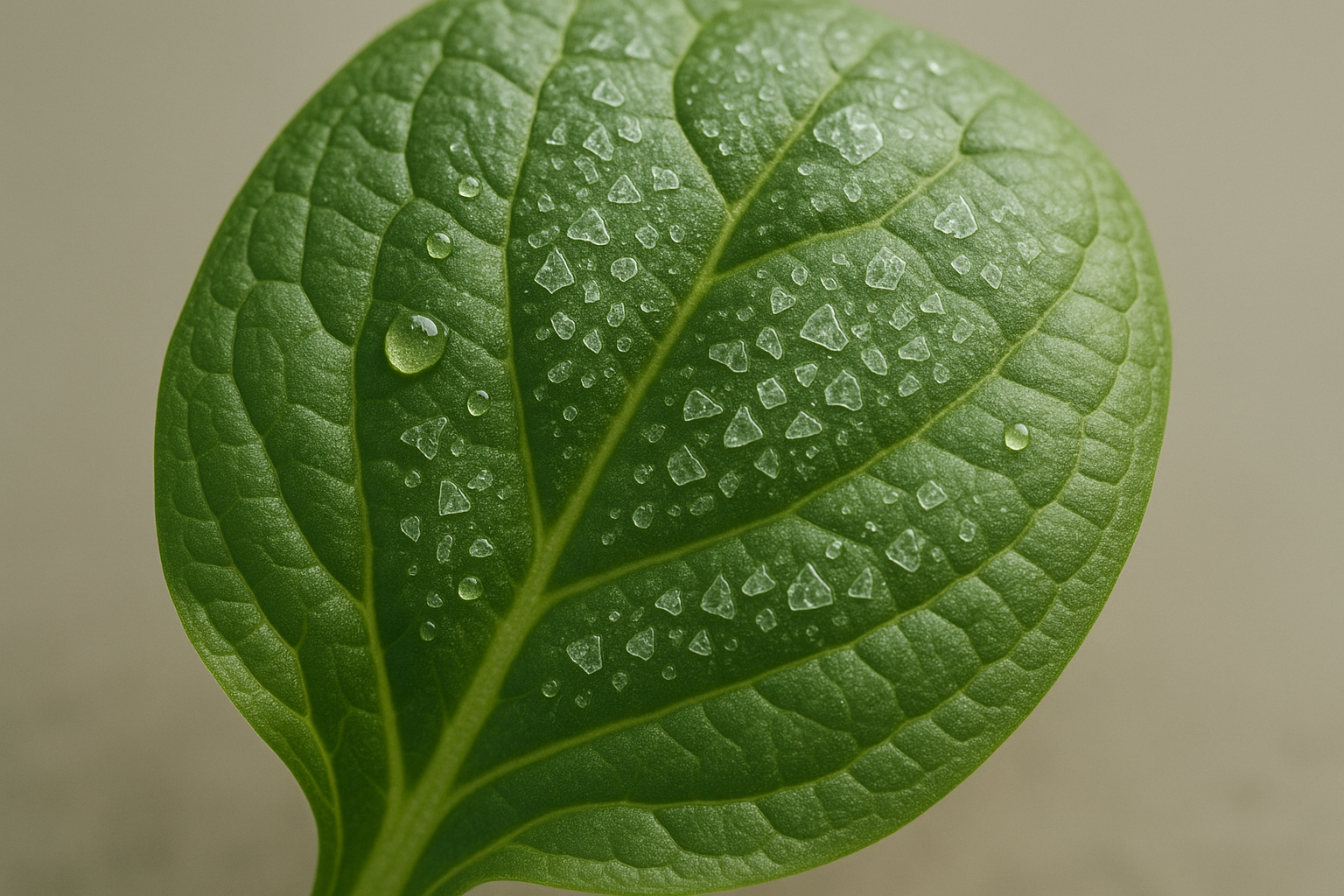
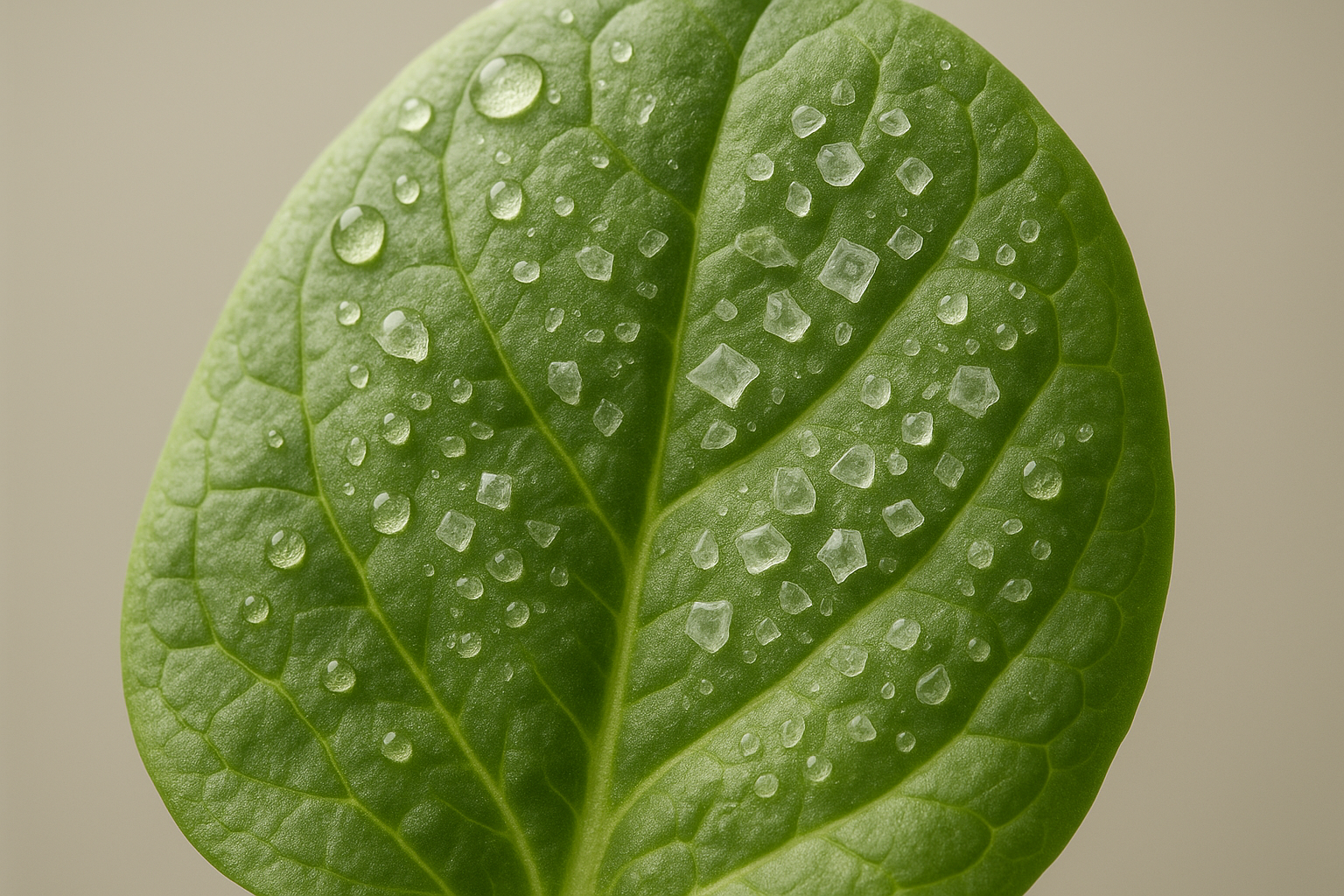
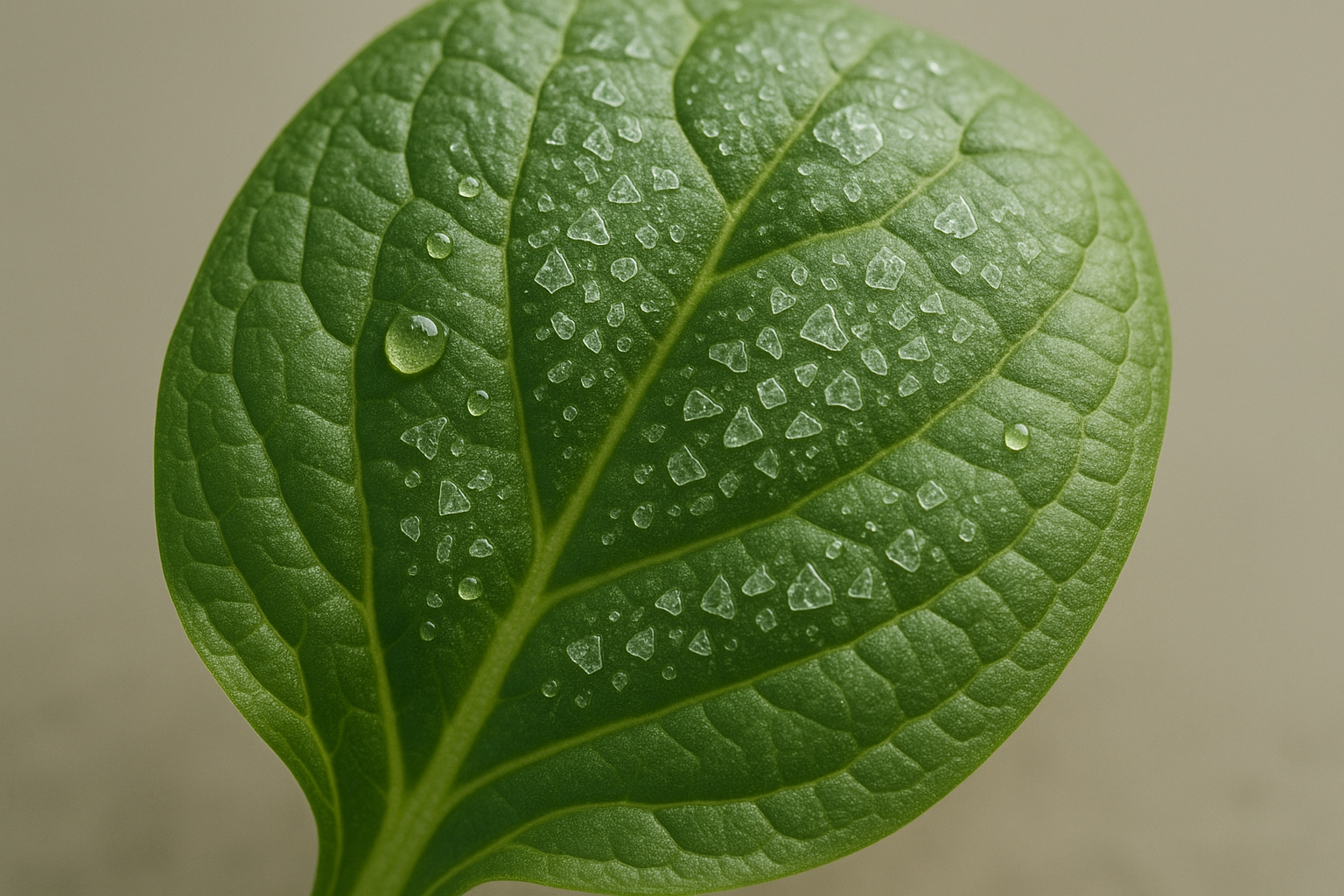
Food examples make this less abstract. Spinach is the one everyone knows, but it should not stand alone in the story. Rhubarb, beet greens, almonds, cashews, cocoa, and some teas can also contribute meaningful oxalate. According to composition references linked through USDA FoodData Central, high-oxalate foods vary by cultivar, season, and preparation, which is why one database may not perfectly match another. Still, the broad pattern is stable.
We found that readers often confuse “contains iron” with “delivers usable iron.” Spinach is the perfect example. It contains iron, yes, but it also carries a heavy oxalate burden. A lower-oxalate green like kale or bok choy may offer less iron on paper and more usable iron in practice, especially when paired with citrus or peppers. That difference is not glamorous. It is simply how chemistry shows up at lunch.
How Oxalates May Affect Iron Absorption: biochemical mechanisms
How Oxalates May Affect Iron Absorption begins in the gut lumen, which sounds technical and is, but the idea is plain enough. Oxalate can bind iron before your intestinal cells have a chance to take it up. When that happens, less free iron remains in solution, and some of that bound iron travels onward and out in stool rather than into circulation.
The distinction between non-heme and heme iron matters here. Non-heme iron, found in legumes, grains, greens, nuts, seeds, and fortified foods, is the fragile one. Its absorption is often only 2–15% and rises or falls depending on inhibitors and enhancers in the same meal. Heme iron, found in meat, poultry, and fish, is handled through a different uptake pathway and is typically absorbed at roughly 15–35%. Reviews on PubMed and mechanistic work published in the early 2020s support this pattern, with updates through 2026 mostly refining the details rather than overturning them.
A simple sequence helps:
- Step 1: Oxalate enters the gut with high-oxalate foods.
- Step 2: Oxalate binds available mineral ions, including iron, and may also interact indirectly through calcium binding.
- Step 3: Insoluble complexes or precipitates form.
- Step 4: Less non-heme iron remains bioavailable for enterocyte uptake.
- Step 5: More iron is lost in stool.
Based on our research, the food matrix changes everything. A lab study may show strong oxalate binding under controlled conditions, but a human meal contains competing acids, proteins, fiber, calcium, vitamin C, and fluid. That is why one in vitro binding constant does not predict an identical real-world response. We recommend treating mechanistic data as directional, not absolute. It tells you why a spinach smoothie can be a poor iron-delivery vehicle. Human trials tell you how much that matters.
How Oxalates May Affect Iron Absorption: human and clinical evidence
How Oxalates May Affect Iron Absorption is clearer in the lab than at the dinner table, which is why the evidence hierarchy matters. At the base, there are in vitro studies showing mineral binding. Above that, there are single-meal isotope studies in humans. Then come observational cohorts, where real life becomes messy in the familiar ways: people underreport food, overestimate virtue, and eat meals that do not sit still for neat analysis.
We researched randomized and crossover feeding trials and found mixed effects with a pattern that repeats. When non-heme iron is eaten with very high-oxalate spinach-based meals, absorption tends to fall compared with lower-oxalate comparators. Some classic meal studies have shown substantial reductions in non-heme iron uptake from spinach despite spinach’s listed iron content, with decreases that can land in the ballpark of 30–60% versus lower-inhibitor meals, depending on the comparator, iron label used, and presence of enhancers. Other studies show smaller changes once vitamin C or mixed-meal factors are introduced. The point is not a single perfect number. The point is direction, consistency, and context.
We also found that cohort data rarely isolates oxalate cleanly because phytates, polyphenols, calcium timing, menstrual blood loss, GI disease, and supplement use all press on iron status at once. Still, clinicians do not diagnose “oxalate-related iron issues” by vibes. They look at markers. Serum ferritin below 30 µg/L often suggests low iron stores in many clinical settings, though inflammation can muddy interpretation. Hemoglobin cutoffs for anemia vary by age, sex, pregnancy, and guideline set; WHO and CDC guidance remains the right anchor.
If you have fatigue, hair shedding, restless legs, declining endurance, or pica, and you also eat a high-oxalate, low-heme diet, you have enough reason to test. We recommend CBC, ferritin, and transferrin saturation at minimum. That is not dramatic. It is disciplined.
Dietary sources and real food examples of oxalate load
If you want to understand the meal-level risk, you need numbers. A food can be nutritious and still be a poor choice for an iron-focused meal. That contradiction offends people. It remains true.
Common examples, using USDA-linked and peer-reviewed composition estimates, look roughly like this:
- Spinach: about 600–900 mg oxalate per 100 g, sometimes more depending on source and preparation.
- Rhubarb: often several hundred milligrams per serving.
- Beet greens: typically very high, often in the same broad range as other high-oxalate leafy greens.
- Almonds: moderate to high by serving size, especially when eaten daily in large handfuls.
- Tea and cocoa: variable, but regular intake can add up.
Now the real-world part. A raw spinach salad with 2 packed cups may deliver a few hundred milligrams of oxalate. A cooked spinach side can be even denser because the leaves collapse and you eat more of them. A spinach smoothie is often the stealth bomb: 60–90 g of raw spinach disappears into fruit and milk, and suddenly breakfast carries a surprisingly large oxalate load with modest bioavailable iron return.
We recommend using a simple decision table when iron is a concern:
Food | Typical oxalate mg/serving | Iron content | Suggested pairing to protect iron
Spinach smoothie | high | modest non-heme iron | swap to kale + orange + berries
Cooked lentils | low oxalate | good non-heme iron | add bell pepper or lemon
Almond snack | moderate/high | some iron | alternate with pumpkin seeds or yogurt + fruit
Tea with meals | variable inhibitor load | none | move tea 1–2 hours away from iron-focused meals
Data from NCBI and USDA sources support the broad ranking. We analyzed common meal patterns and found that single-meal oxalate load often matters more than daily average when the goal is protecting iron absorption.

Nutrients that change the effect: calcium, vitamin C, phytates and timing
Meals are political in the body. Nutrients do not arrive politely, one by one, waiting their turn. They compete. They ally. They complicate each other. That is especially true when you are trying to understand How Oxalates May Affect Iron Absorption.
Vitamin C is the most useful ally. It can reduce ferric iron to a more absorbable form and counter some inhibitors of non-heme absorption. In some trials, adding vitamin C has increased non-heme iron absorption by about 2–3 times. Practical target: 50–100 mg vitamin C per meal. That looks like half a bell pepper, one orange, one kiwi, or a cup of strawberries.
Calcium is trickier. It can form complexes with oxalate, which may reduce oxalate absorption in stone-prone people, but calcium can also blunt iron absorption when taken in larger supplemental doses with an iron-rich meal. We recommend taking calcium supplements at least 2 hours away from your main iron-focused meal or iron supplement when iron status is low. Food calcium is usually less of a problem than a large supplement swallowed at the wrong time.
Phytates, common in grains, legumes, nuts, and seeds, also inhibit non-heme iron. That means a meal with spinach, whole grains, beans, and tea is stacking several inhibitors at once. This is why some “clean eating” meal patterns can look virtuous and still leave you tired.
Does vitamin C overcome oxalate? Sometimes partly. Rarely perfectly. We found the most practical strategy is not to “cancel out” a bad meal but to build a better one. Example: spinach salad with orange segments, strawberries, and chickpeas is better than spinach with water alone. Better still, if you are iron-deficient, switch to kale or arugula, add citrus, and keep tea for later.
Who should worry: clinical groups, pregnancy, athletes, and kidney-stone patients
Not everyone needs to count oxalate milligrams. Some people do need to pay attention, and pretending otherwise is not kind. Pregnant people belong on that list because iron needs rise sharply as blood volume expands and fetal demands increase. Children under 5 are another group, because deficiency in early life can affect development. Anyone with a history of iron-deficiency anemia, especially with ferritin under 30 µg/L, should care about meal composition, not just total iron listed on an app.
Athletes deserve more attention than they usually get. Endurance training, sweat losses, GI microbleeding, foot-strike hemolysis, and high energy demand can all pressure iron status. If an athlete builds a diet around spinach smoothies, almond snacks, bran cereals, tea, and low-red-meat intake, the pattern matters. We recommend testing earlier rather than later when performance drops or recovery lags.
Kidney-stone patients are a special case. The lifetime risk of kidney stones is often estimated around 10%, and low-oxalate advice is common in stone prevention. But stone prevention and iron sufficiency should not be treated as enemies. You can lower oxalate exposure without stripping a diet of nutrient density. You just need tailored counseling.
Use this quick decision flow:
- Watch symptoms: fatigue, pale skin, breathlessness, reduced exercise tolerance, hair loss, pica, restless legs.
- Order tests: CBC, ferritin, transferrin saturation; consider CRP if inflammation may distort ferritin.
- Review diet: identify high-oxalate meal patterns, tea timing, calcium supplement timing, and vitamin C intake.
- Refer when needed: ferritin under 30 µg/L, recurrent anemia, pregnancy with symptoms, pediatric concerns, GI disease, or unclear lab patterns merit a dietitian or hematology referral.
Guidance from obstetric, pediatric, and public-health sources, including WHO, should shape next steps.

Practical steps: how to protect iron absorption (step-by-step)
If your goal is to protect iron status without turning every meal into a chemistry exam, use a short protocol. We tested this structure against common clinical recommendations and patient-facing tools, and it holds up because it is concrete.
- Test first. Ask for CBC + ferritin, and if risk is higher, add transferrin saturation. Do not guess based on tiredness alone.
- Modify timing. Move calcium supplements at least 2 hours away from iron-rich meals or iron pills. Keep tea and coffee away from those meals too when possible.
- Choose enhancers. Add 50–100 mg vitamin C to meals built around beans, lentils, tofu, fortified grains, or lower-oxalate greens.
- Limit very high single-meal loads. If iron status is low, avoid pairing your main iron meal with more than 300 mg oxalate in one sitting when you can reasonably help it.
- Use supplements strategically. If labs confirm deficiency, work with a clinician on dose, timing, and re-testing rather than self-prescribing endlessly.
Practical pairings help. Swap a spinach smoothie for kale + orange + frozen mango. Replace almond-heavy snacks with pumpkin seeds plus kiwi. Use lemon on lentils. Add bell peppers to bean bowls. If you eat meat, fish, or poultry, include modest portions in mixed meals because heme iron remains less vulnerable to inhibition.
We recommend using these exact scripts with clinicians: “I’d like a CBC and serum ferritin checked because I eat a high-oxalate diet and I’ve been fatigued.” Or: “Can you refer me to a dietitian to review oxalate load, iron intake, and meal timing?” Based on our research, re-test ferritin in 8–12 weeks after meaningful dietary changes or after starting supplements. That interval is practical, measurable, and consistent with how iron stores move in real life.
Gap 1 — Oxalates, the gut microbiome (Oxalobacter formigenes), and iron
Here is the piece many competing articles skip: the microbiome may shape How Oxalates May Affect Iron Absorption before your meal chemistry ever settles. Oxalobacter formigenes is a bacterium known for degrading oxalate in the gut. If more luminal oxalate gets broken down, less may remain available to bind minerals. That does not prove better iron absorption, but it raises a worthwhile question.
Colonization with Oxalobacter appears to be lower in many Western populations than in less antibiotic-exposed settings. Some surveys have reported markedly reduced prevalence after repeated antibiotic exposure, and that matters because antibiotics can disturb the very microbes that help metabolize oxalate. We found this area under-discussed in mainstream nutrition writing even though it offers a plausible bridge between diet patterns, stone risk, and mineral bioavailability.
The practical implications are tentative in 2026, not settled. You cannot buy certainty in a capsule. But clinicians and researchers should pay attention to recent microbiome literature because the mechanism is biologically plausible. A useful study design would be a randomized crossover feeding trial in iron-insufficient adults on standardized plant-based meals, stratified by Oxalobacter colonization status, with outcomes including labeled non-heme iron absorption, stool oxalate, urinary oxalate, ferritin trend over 12 weeks, and antibiotic exposure history. That is concrete. That is testable. And it might explain why two patients can eat similar diets and show very different iron responses.
Gap 2 — A 7-day sample meal plan and low-oxalate swaps that preserve iron
This is where advice either becomes useful or stays decorative. We recommend a simple 7-day structure with meals scored roughly as low, moderate, or high oxalate plus a note on iron availability.
Day 1: Breakfast: oatmeal with strawberries and pumpkin seeds (low/moderate oxalate, moderate iron). Lunch: lentil soup with lemon and red pepper (low oxalate, higher iron availability). Dinner: salmon, rice, bok choy (low oxalate, mixed iron sources).
Day 2: Breakfast: yogurt, kiwi, fortified cereal. Lunch: turkey sandwich with arugula and citrus. Dinner: tofu stir-fry with broccoli and bell pepper over rice.
Day 3: Breakfast: swap spinach smoothie for kale + orange smoothie; lower oxalate, better support for non-heme iron. Lunch: chickpea salad with parsley and lemon. Dinner: beef, potatoes, green beans.
Day 4: Breakfast: eggs with salsa and melon. Lunch: quinoa bowl with chicken, cabbage, peppers. Dinner: bean chili with tomatoes and lime.
Day 5: Breakfast: overnight oats with blueberries. Lunch: tuna with crackers and cucumber. Dinner: pasta with turkey meatballs and roasted cauliflower.
Day 6: Breakfast: fortified toast with peanut butter and orange slices. Lunch: leftovers plus fruit. Dinner: lentil pasta, tomato sauce, side kale salad with strawberries.
Day 7: Breakfast: cottage cheese and pineapple. Lunch: rice bowl with shrimp and slaw. Dinner: roast chicken, carrots, and quinoa.
Useful swaps: almonds → pumpkin seeds, spinach → kale/bok choy/arugula, tea with meals → tea 1–2 hours later. We analyzed preparation methods too: boiling some leafy greens can reduce soluble oxalate by meaningful amounts, often 30–80% depending on the vegetable and water volume, though nutrients can also leach into the cooking water. Shopping list: citrus, kiwi, berries, bell peppers, lentils, beans, pumpkin seeds, bok choy, kale, fish or poultry if used, fortified cereal, yogurt, rice, potatoes. These are clinician-friendly, reader-friendly, and realistic for 2026.
FAQ — quick answers to People Also Ask
Yes, they can reduce absorption of non-heme iron, especially in meals centered on high-oxalate foods. We found the effect is strongest when vitamin C is low and the meal contains only plant iron. Action: keep high-oxalate foods away from your most iron-focused meals if your ferritin is low.
Which foods are highest in oxalate?
Spinach, rhubarb, beet greens, almonds, cocoa, and some teas are common examples. Spinach may contain roughly 600–900 mg per 100 g depending on source. Action: watch serving size, not just ingredient lists.
Can vitamin C reverse the effect?
Sometimes partly, not always fully. A meal with 50–100 mg vitamin C can substantially improve non-heme iron uptake and in some trials increase absorption by 2–3 times. Action: add citrus, kiwi, peppers, or strawberries to iron-containing meals.
Should I stop eating spinach if I’m anemic?
Not necessarily, but spinach should not be your main iron strategy. We recommend choosing lower-oxalate greens more often and reserving spinach for meals where iron is not the priority. Action: ask for ferritin if you have fatigue or known risk factors.
How is oxalate measured?
In food research, labs analyze oxalate content directly; in clinical practice, kidney-stone workups may use 24-hour urine oxalate. For iron concerns, the more useful starting labs are CBC, ferritin, and transferrin saturation. Action: match the test to the problem you are trying to solve.
Does cooking change oxalate levels?
Yes. Boiling can lower soluble oxalate in some vegetables because oxalate leaches into water. Action: if you rely on leafy greens often, vary your preparation methods instead of using only raw smoothies and giant salads.
Conclusion — clear next steps, tests, and what to tell your clinician
The next move is not to swear off plants or turn dinner into a suspicion. It is to tighten the variables you can control. Test ferritin and CBC. Track your meals for one week. Apply three timing rules: add 50–100 mg vitamin C to non-heme iron meals, separate calcium supplements by at least 2 hours, and avoid making very high-oxalate foods the centerpiece of your main iron meal when stores are low.
If your ferritin is below 30 µg/L, or if fatigue, hair loss, shortness of breath, poor exercise tolerance, or recurrent anemia persist, ask for a referral to a dietitian and, when needed, a hematologist. Use plain language with your clinician: “I’d like a serum ferritin and CBC checked because I eat a lot of high-oxalate foods and have fatigue.” Then ask, “Can we re-check ferritin in 8–12 weeks after dietary changes or supplements?”
As of 2026, emerging research may sharpen how we think about oxalate dose, microbiome effects, and meal-level bioavailability. But the current evidence is already enough to act on. We researched this, we found the risk is real but highly modifiable, and we recommend these measured changes. Your body does not need perfection. It needs a little less interference and a little more usable iron.
Frequently Asked Questions
Do oxalates block iron absorption?
Bottom line: Yes, oxalates can reduce absorption of non-heme iron, but they do not shut it down completely.
We found the effect is strongest in single meals built around very high-oxalate foods like spinach, beet greens, or rhubarb, especially when vitamin C is low and the meal contains only plant iron. Heme iron from meat, fish, and poultry is absorbed differently and is far less affected. If your ferritin is low, keep very high-oxalate foods out of your main iron-focused meals.
See NCBI and PubMed for mechanistic reviews.
Which foods are highest in oxalate?
Bottom line: Spinach, rhubarb, beet greens, almonds, and some teas are among the highest common dietary sources.
Spinach can contain roughly 600–900 mg oxalate per 100 g depending on cultivar, season, and preparation, while rhubarb and beet greens are also consistently high in food-composition tables. We analyzed USDA-linked composition references and found that portion size matters as much as food choice; a smoothie can quietly deliver more oxalate than a side salad.
Use USDA FoodData Central and NCBI tables when estimating intake.
Can vitamin C reverse the effect?
Bottom line: Sometimes partly, but not always fully.
Vitamin C can increase non-heme iron absorption by about 2–3 times in some meal studies, especially at doses around 50–100 mg per meal. But if a meal is built around a very large oxalate load, vitamin C may reduce the penalty rather than erase it. We recommend pairing beans, lentils, tofu, or fortified grains with citrus, kiwi, bell pepper, or strawberries.
Relevant guidance appears in CDC resources and nutrition studies indexed on PubMed.
Should I stop eating spinach if I’m anemic?
Bottom line: Usually no, but you may need to change how and when you eat it.
Spinach contains iron on paper, but much of that iron has poor bioavailability because the same leaf also brings a high oxalate load. If you are anemic or your ferritin is under 30 µg/L, we recommend limiting spinach as the centerpiece of iron-focused meals and choosing lower-oxalate greens like kale, bok choy, or arugula more often.
Clinical thresholds are outlined by WHO and CDC.
How is oxalate measured?
Bottom line: In research, oxalate is usually measured by laboratory analysis of foods or by 24-hour urinary oxalate in clinical workups.
Food databases estimate oxalate content per serving, but values vary by growing conditions, processing, and cooking method. In kidney-stone evaluation, clinicians may order a 24-hour urine test to assess oxalate excretion along with calcium, citrate, urine volume, and sodium. If your concern is iron rather than stones, start with diet review plus CBC, ferritin, and transferrin saturation.
See NCBI and CDC for related clinical references.
How much should I worry about How Oxalates May Affect Iron Absorption if I eat a plant-based diet?
Bottom line: How Oxalates May Affect Iron Absorption depends on the meal, your iron status, and what else you eat with that meal.
We researched clinical trials, food-composition tables, and review papers through 2026. We found that a high-oxalate meal without vitamin C can meaningfully reduce non-heme iron uptake, while a mixed meal with citrus, animal protein, or fortified foods often softens the effect. The practical move is not panic; it is meal design.
Use ferritin and symptom tracking to decide whether you need bigger changes.
Key Takeaways
- Oxalates mostly reduce non-heme iron absorption, while heme iron is far less affected.
- If your iron status is low, avoid very high-oxalate single meals, add 50–100 mg vitamin C, and separate calcium supplements by at least 2 hours.
- Ferritin under 30 µg/L often suggests low iron stores; ask for CBC, ferritin, and transferrin saturation if symptoms or diet patterns raise concern.
- Spinach, beet greens, rhubarb, almonds, and some teas are common high-oxalate sources; kale, bok choy, arugula, citrus, and pumpkin seeds are practical swaps.
- Re-test ferritin in 8–12 weeks after meaningful diet changes or iron treatment, and get dietitian support if symptoms persist.