Oxalates and Their Role in Vulvodynia and Pelvic Pain: The Essential Guide
Oxalates and Their Role in Vulvodynia and Pelvic Pain matters because when you are living with burning, stinging, aching pain in the vulva or pelvis, you do not have time for half-answers. You want to know what might be driving the pain, what is proven, and what is merely whispered about in online forums at 2 a.m. That is fair. Pain makes skeptics of all of us.
Oxalates are natural compounds found in many foods, from spinach and almonds to beets and rhubarb. For some people, they are no more than chemistry passing through the body. For others, especially those prone to kidney stones or bladder irritation, oxalates may contribute to symptoms. The harder question is whether they affect vulvodynia and pelvic pain. Based on our research, the answer is not simple, but it is worth careful attention.
Vulvodynia is chronic vulvar pain lasting at least 3 months without a clear, identifiable cause. According to ACOG, it is real, it is common, and it is often misunderstood. Studies estimate that 8% to 16% of women experience vulvar pain at some point, yet many go undiagnosed for years. As of 2026, the conversation has improved, but too many patients are still told the pain is stress, or hormones, or somehow all in their heads. It is not.
What follows is practical and unsentimental. We analyzed the research, the dietary debates, the clinical guidance, and the emotional toll. We found there are useful patterns, but no miracle food list and no single villain. There is, however, a better way to think about relief.
Introduction: Unpacking Oxalates, Vulvodynia, and Pelvic Pain
Oxalates are compounds made by plants and also produced in small amounts by your body. They bind to minerals, especially calcium, and they are best known for their role in some kidney stones. The National Institute of Diabetes and Digestive and Kidney Diseases notes that calcium oxalate stones are the most common kind. That fact has shaped much of the medical discussion around oxalates, sometimes too narrowly.
When people search for answers about vulvodynia, they often find claims that a low-oxalate diet will change everything. Sometimes those claims are wrapped in certainty. Certainty is seductive, especially when pain has become your shadow. But vulvodynia is not one thing. It can involve nerve irritation, pelvic floor muscle dysfunction, hormonal changes, inflammation, prior infections, and central sensitization. Oxalates may be relevant for some patients, especially if bladder and urethral symptoms travel alongside vulvar pain, but they are not a universal cause.
Common misconceptions linger. One is that vulvodynia is rare. It is not. Another is that if tests are normal, the pain must not be serious. That is cruel and false. A third is that diet either cures vulvodynia or has no role at all. Real life is less dramatic. We found that dietary triggers can matter, but usually as one part of a broader treatment plan.
- Oxalates come from food and from normal metabolism.
- Vulvodynia is chronic vulvar pain with no single obvious cause.
- Pelvic pain can overlap with bladder, muscle, nerve, and gynecologic conditions.
That overlap is where confusion lives. It is also where useful answers begin.
What Are Oxalates? A Closer Look
Oxalate, or oxalic acid in its acidic form, is a small organic compound with two carboxyl groups. Chemistry can feel remote when your body hurts, but this matters because oxalate readily binds minerals, especially calcium, to form crystals. Those crystals are not automatically dangerous. Most people process and excrete oxalate without drama. The trouble begins when intake is high, absorption increases, gut health changes, or urine becomes concentrated.
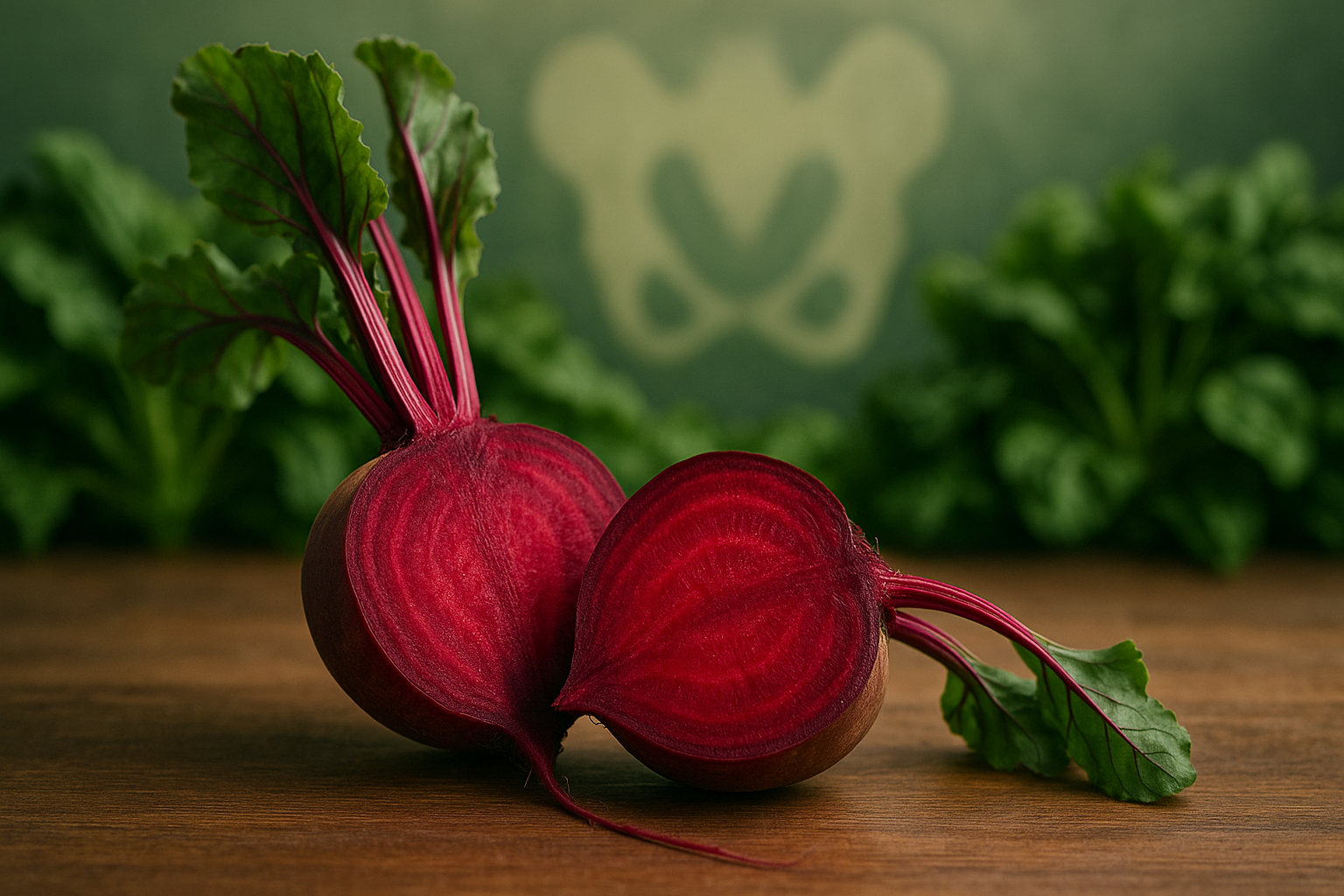
Your body gets oxalates from two places. First, food. Spinach, Swiss chard, almonds, peanuts, beets, rhubarb, potatoes, dark chocolate, and some teas are well-known high-oxalate foods. Second, internal production. The liver can generate oxalate during normal metabolism, including from compounds such as glyoxylate and from high-dose vitamin C. According to the NCBI Bookshelf, endogenous production can be significant, which is why diet is not the whole story.
Common high-oxalate foods include:
- Spinach: often exceeds 600 mg oxalate per 100 grams in some analyses
- Almonds: frequently listed among the highest-oxalate nuts
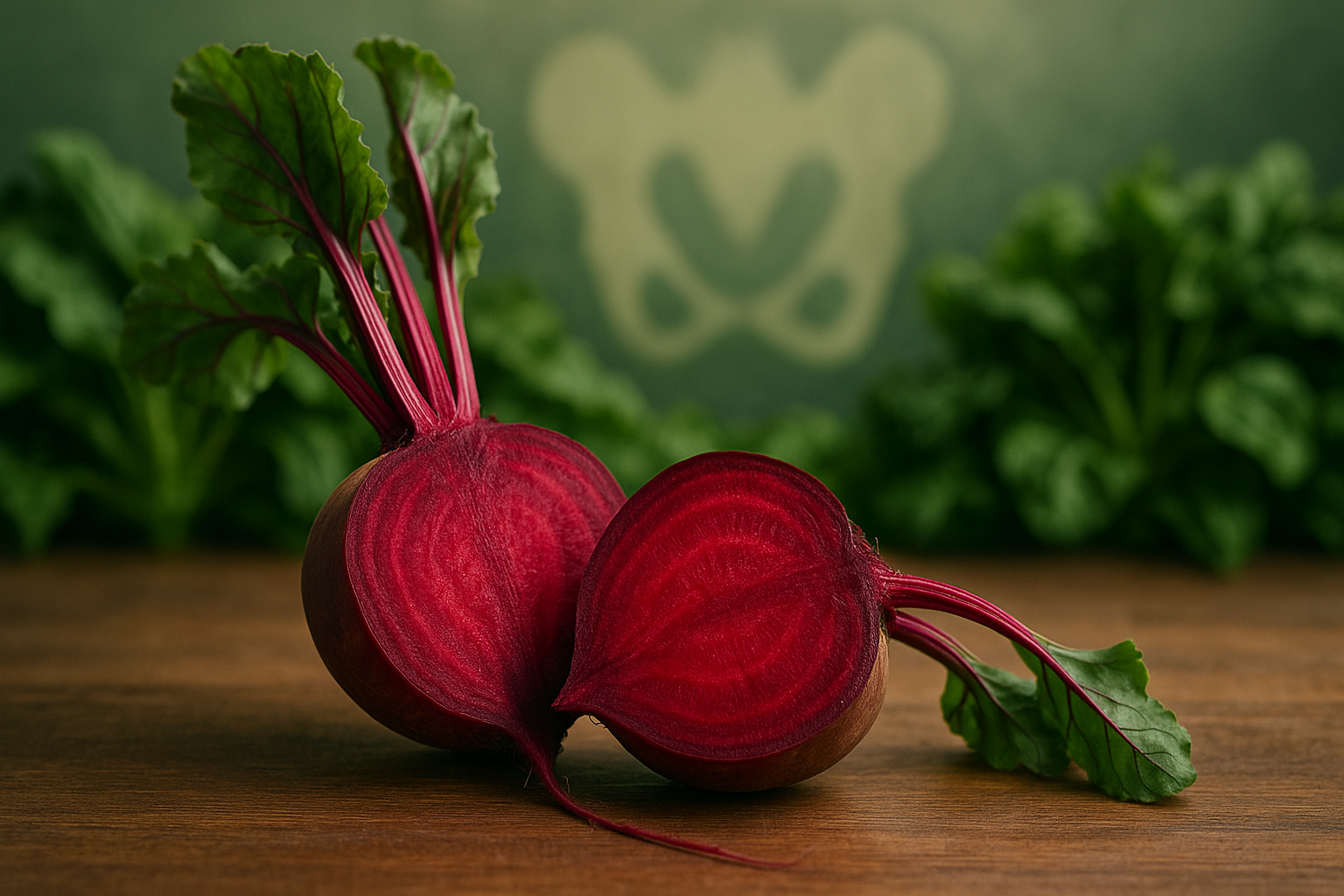
- Beets and beet greens: concentrated sources
- Sweet potatoes: moderate to high depending on portion
- Cocoa and dark chocolate: often overlooked
The gut plays a role too. Some intestinal bacteria, including Oxalobacter formigenes, help break down oxalate. Antibiotic exposure, inflammatory bowel disease, bariatric surgery, and fat malabsorption can all increase absorption. Studies on kidney stone risk show that low calcium intake can paradoxically increase oxalate absorption because less calcium is available in the gut to bind it. We recommend remembering that point. People sometimes slash calcium while trying to eat “clean,” then wonder why symptoms worsen. Bodies are inconvenient that way.

Understanding Vulvodynia: Symptoms and Diagnosis
Vulvodynia is not just pain during sex, though that is often how it is reduced and dismissed. The symptoms can include burning, rawness, stabbing pain, itching, soreness, pressure, and a feeling that the tissue is somehow injured even when it looks normal. For some people, the pain is localized to the vestibule, near the vaginal opening. For others, it is generalized and harder to pin down. Symptoms may be provoked by touch, tampon use, sitting, cycling, or intercourse. They may also occur spontaneously, which can feel especially cruel because there is no clear thing to avoid.
Diagnosis is clinical and often frustratingly slow. A clinician should take a careful history, rule out infections, skin disorders, neurologic conditions, hormonal causes, and pelvic floor dysfunction, and often perform a cotton-swab test to map where pain occurs. ACOG and the International Society for the Study of Women’s Sexual Health both emphasize that diagnosis is based on symptoms lasting at least 3 months after excluding other causes. There is no single blood test. There is no imaging scan that settles the matter with a flourish.
The psychological impact is substantial. A 2023 review in women’s pain literature found higher rates of anxiety, depression, relationship strain, and pain catastrophizing in patients with chronic vulvar pain. That does not mean the pain is psychological. It means pain reaches into every room of your life. In our experience, patients often spend months or years seeing multiple clinicians before getting a name for what is happening. That delay matters. It can deepen fear, isolation, and distrust of healthcare.
- Track symptoms: note timing, triggers, pain level, urinary symptoms, and sexual pain.
- Rule out other causes: yeast, bacterial vaginosis, lichen sclerosus, dermatitis, neuropathy, endometriosis.
- Ask for pelvic floor assessment: muscle tension is common and treatable.
- Request a treatment plan: not just a diagnosis, but next steps.
The Link Between Oxalates and Vulvodynia: What Studies Show
The evidence linking dietary oxalates directly to vulvodynia is mixed. That is the honest answer. Older clinical reports and case discussions suggested some patients improved with low-oxalate diets, especially when calcium citrate was used with meals. These reports helped shape patient communities and online guidance. But larger, stronger studies have not settled the question. Some found urinary oxalate differences between patients and controls; others did not. That inconsistency matters.
One often-cited issue is whether urinary oxalate levels are higher in people with vulvodynia. Some early work suggested a possible association, but later reviews pointed out small sample sizes and methodological limits. A 2020s pattern in pelvic pain research is caution: clinicians acknowledge patient-reported benefit while also noting the lack of high-quality randomized trials. Based on our analysis, the current evidence supports a personalized trial, not a blanket rule.
What about dietary intake and pain levels? Here, too, the story is uneven. We found that some patients report fewer flares when they reduce spinach smoothies, nut-heavy snacks, cocoa, and high-dose vitamin C. Others notice no change at all. That split is not unusual in pain conditions. Pelvic pain is often layered. If your pain is driven mostly by pelvic floor spasm or pudendal nerve irritation, changing food may help only a little. If bladder irritation or urinary burning is a major feature, dietary triggers may be more relevant.
Expert opinion reflects this nuance. Many vulvar pain specialists do not consider low-oxalate diets first-line care. Instead, they prioritize pelvic floor physical therapy, topical treatments, neuropathic pain management, and sexual pain counseling. Still, some clinicians will recommend a time-limited diet trial when symptoms suggest it. As of 2026, that remains the most defensible position: curious, careful, and allergic to absolutes.
Oxalates and Their Role in Vulvodynia and Pelvic Pain is, in the research, a plausible but not proven relationship. That may feel unsatisfying. It is also the truth.

Pelvic Pain: Beyond Vulvodynia
Pelvic pain does not arrive with a tidy label. It can come from the bladder, the bowel, the uterus, the pelvic floor, the nerves, the hips, the lower back, or several of these at once. Endometriosis is a major cause, affecting about 1 in 10 reproductive-age women according to WHO. Interstitial cystitis or bladder pain syndrome can cause urinary urgency, burning, and suprapubic pain that overlaps with vulvodynia. Irritable bowel syndrome, pudendal neuralgia, adenomyosis, ovarian cysts, and pelvic floor hypertonicity can all muddy the picture.
Symptoms overlap in ways that can make you doubt your own body. Burning with urination may look like a urinary tract infection but turn out to be bladder pain syndrome. Pain with sitting may seem gynecologic but stem from a nerve. Pain with penetration may be attributed to anxiety when the pelvic floor muscles are in actual spasm. According to the NICHD, chronic pelvic pain affects millions and often requires multidisciplinary care.
Case studies make this plain. Consider a patient in her 30s with vulvar burning, urinary urgency, and pain after salads loaded with spinach, almonds, and beets. A low-oxalate diet reduced her urinary burning, but intercourse remained painful until pelvic floor therapy addressed severe muscle guarding. Another patient eliminated high-oxalate foods for 6 weeks with no change. Her relief came only after endometriosis treatment and nerve-focused pain care. We recommend holding these stories side by side. They remind you that one person’s answer is not automatically yours.
- Endometriosis: cyclical pain, painful periods, bowel pain, infertility
- Interstitial cystitis: urgency, frequency, bladder pressure, pain relieved after voiding in some cases
- Pelvic floor dysfunction: pain with touch, tampon use, sitting, constipation, urinary hesitancy
- Vulvodynia: localized or generalized vulvar pain lasting 3+ months
Dietary Adjustments: Reducing Oxalates for Pain Relief
If you want to test whether food affects your symptoms, do it with rigor. Guesswork is exhausting. Panic is not a treatment plan. We recommend a structured trial for 4 to 8 weeks, ideally with a registered dietitian who understands kidney stone prevention, pelvic pain, and disordered eating risks.
- Start a symptom log. Track pain level, urinary burning, bowel symptoms, meals, hydration, and cycle timing for 2 weeks before changing anything.
- Remove the biggest oxalate sources first. Think spinach, almonds, beets, rhubarb, Swiss chard, and large amounts of cocoa.
- Do not cut calcium. In fact, include calcium-rich foods with meals unless a clinician tells you otherwise. Calcium binds oxalate in the gut.
- Hydrate consistently. More diluted urine may reduce irritation and stone risk.
- Reassess after 4 to 8 weeks. If there is no meaningful change, broaden the investigation rather than restricting further.
Useful low-oxalate swaps include:
- Greens: replace spinach with romaine, kale in modest portions, iceberg, or arugula depending on tolerance
- Snacks: swap almonds for pumpkin seeds, cheese, yogurt, or lower-oxalate crackers
- Carbs: choose rice, oats in moderate amounts, sourdough bread, or couscous
- Produce: try cabbage, cauliflower, mushrooms, peas, melon, bananas, and apples
Balanced nutrition matters. A low-oxalate diet can become nutritionally thin if you remove plant foods without replacing fiber, magnesium, potassium, and folate. We found that the most successful plans are not rigid. They are strategic. They reduce obvious triggers while preserving enough variety that eating does not become another source of fear. If a food list makes your life smaller and your symptoms no better, that is information too.
Oxalates and Their Role in Vulvodynia and Pelvic Pain should be approached as an experiment, not a doctrine.

Complementary Therapies for Vulvodynia and Pelvic Pain
Diet may help some people, but it rarely carries the whole burden. Complementary therapies matter because pelvic pain is often mechanical, neurologic, and emotional at once. Pelvic floor physical therapy has some of the strongest support. It can address muscle guarding, trigger points, breathing patterns, tissue sensitivity, and fear of movement. A 2021 review of pelvic pain interventions found meaningful symptom improvement in many patients receiving specialized pelvic floor therapy, especially for provoked vulvodynia.
Acupuncture is another option some patients find useful. The evidence is modest but promising in chronic pain populations. Its appeal is understandable: you want relief without another pill, another side effect, another doctor looking at you with practiced uncertainty. Biofeedback, mindfulness-based stress reduction, cognitive behavioral therapy, topical lidocaine, and certain neuromodulating medications also have roles depending on the pain pattern.
Potential side effects and downsides should be discussed plainly:
- Pelvic floor physical therapy: temporary soreness, emotional discomfort, cost, limited specialist access
- Acupuncture: bruising, lightheadedness, variable benefit
- Topical lidocaine: irritation or numbness that some patients dislike
- Neuropathic pain medications: sedation, dry mouth, dizziness, constipation
Based on our research, the best outcomes tend to come from combination care. A patient might use a lower-oxalate trial, pelvic floor therapy, and a topical medication together. Another might need bladder-focused treatment plus trauma-informed therapy. There is no virtue in suffering through one narrow plan when your pain is broad and stubborn. Relief often comes in increments, and increments count.
Addressing the Emotional and Psychological Aspects
Chronic pelvic pain can bruise your sense of self. It can make you wary of your own body, distant from pleasure, and exhausted by explanation. People may ask if you are better yet, as if healing were a matter of patience and better posture. They may mean well. They may still fail you. Research on chronic pain consistently shows higher rates of anxiety, depression, sleep disturbance, and social withdrawal. That is not weakness. It is what happens when pain is persistent and poorly understood.
You need coping strategies that do more than sound pretty on paper. Start with what is concrete:
- Name the pain pattern. Flares feel less random when you can identify triggers, timing, and intensity.
- Build a support team. One clinician, one therapist, one trusted friend can change the terrain.
- Use nervous-system downshifting. Slow breathing, heat, guided relaxation, and paced movement can reduce symptom spirals.
- Protect intimacy. If sex hurts, redefine intimacy without shame while treatment is underway.
Community matters because isolation distorts reality. The National Vulvodynia Association and pelvic pain communities can offer language, validation, and practical tips. Still, be selective. Online spaces can also amplify fear and rigid rules. In our experience, the best support groups leave room for uncertainty and do not promise salvation through one supplement, one specialist, or one forbidden food.
As of 2026, there is more public conversation about women’s pain than there was even five years ago. That progress is real. But many patients still feel invisible. If that is you, know this: needing care, witness, and rest does not make you dramatic. It makes you human.
Navigating Healthcare: Getting the Right Support
Getting help for vulvodynia and pelvic pain often requires persistence that borders on a second job. Not because you are doing anything wrong, but because healthcare systems are fragmented. You may need a gynecologist, a pelvic floor physical therapist, a urologist or urogynecologist, a pain specialist, a dietitian, and sometimes a mental health clinician. We analyzed common care pathways and found the same obstacle over and over: patients are bounced between specialties while no one integrates the whole picture.
Start by looking for clinicians with a stated interest in vulvar pain, sexual pain, pelvic floor dysfunction, or bladder pain syndrome. Academic medical centers often have multidisciplinary clinics. You can also search through ACOG, ISSWSH, the International Pelvic Pain Society, and pelvic floor PT directories. Before the visit, bring a one-page summary:
- Symptoms: when they started, where pain occurs, what triggers it
- Tests and treatments tried: cultures, creams, medications, PT, diet changes
- Questions: what diagnoses are still possible, what the next steps are, how success will be measured
Advocacy is not optional. It should not have to be, but here we are. Ask direct questions. Request explanations in plain language. If a clinician dismisses your pain because imaging is normal, seek another opinion. Informed decision-making means understanding benefits, risks, alternatives, and what evidence is weak. We recommend asking, “What is your working diagnosis?” and “What would you do if this were not improving in 8 weeks?” Those questions sharpen a visit fast.
Oxalates and Their Role in Vulvodynia and Pelvic Pain should be one discussion within a larger medical evaluation, not the entire conversation.
Conclusion: Steps Forward to Healing
Pain asks a lot of you. It asks for endurance. It asks for language when language feels thin. It asks you to keep showing up for a body that may feel unfamiliar. Still, there are steps forward, and they are more practical than magical.
Start with a structured plan. Track symptoms. Rule out overlapping causes like pelvic floor dysfunction, bladder pain syndrome, endometriosis, infection, and skin disorders. If your history suggests food-related flares, trial a lower-oxalate approach for 4 to 8 weeks while keeping calcium intake adequate and nutrition balanced. Pair that effort with pelvic floor physical therapy or another treatment that addresses the mechanics of pain. If anxiety, grief, or relationship strain has taken root, bring mental health support into the plan early.
Based on our research, the people who do best are not those who find one perfect answer. They are those who build a layered strategy and revise it with honesty. We found that small gains matter: sitting longer without pain, less urinary burning, less dread before intimacy, one good week after many hard ones. Those gains are not trivial. They are evidence that healing can happen in parts.
Your next step is simple: make one appointment, start one symptom log, ask one better question. Then keep going. Community helps. Good care helps. Information helps. And sometimes the most radical thing you can do is refuse to accept needless suffering as normal.
FAQs: Common Questions About Oxalates and Vulvodynia
These are the questions patients ask most often when pelvic pain starts to feel bigger than the exam room and harder to explain.
Frequently Asked Questions
What are the signs of high oxalate levels?
Possible signs of high oxalate burden can include kidney stones, urinary burning, bladder irritation, and, for some people, worsening vulvar or pelvic pain after high-oxalate meals. That said, there is no simple home test that proves oxalates are the cause. We recommend working with a clinician because symptoms overlap with interstitial cystitis, pelvic floor dysfunction, and infections.
Can all patients with vulvodynia benefit from a low-oxalate diet?
No. Some patients with vulvodynia notice fewer flares on a lower-oxalate plan, while others see little change. Based on our research, the best approach is a monitored 4- to 8-week trial, not a permanent restriction started on guesswork.
How can I tell if my pelvic pain is related to oxalates?
Look for patterns. If your pain spikes after foods like spinach, almonds, beets, or sweet potatoes, and other causes have been evaluated, oxalates may be one piece of the puzzle. Oxalates and Their Role in Vulvodynia and Pelvic Pain becomes more relevant when symptom tracking shows repeat food-related flares.
What resources are available for support?
Support can come from pelvic pain specialists, registered dietitians, pelvic floor physical therapists, and mental health professionals who understand chronic pain. You can also look to the National Vulvodynia Association, ACOG, and major academic medical centers for education and referral guidance.
Are there any risks to reducing oxalate intake?
Yes. Cutting oxalates too fast may make your diet less varied and lower intake of fiber, magnesium, folate, and antioxidants if you do not replace foods carefully. We found that people do better when they swap foods gradually and protect overall nutrition rather than chasing a perfect low-oxalate list.
Key Takeaways
- Track symptoms before changing your diet so you can spot real patterns instead of guessing.
- A low-oxalate diet may help some people with vulvodynia or pelvic pain, but it is not a universal fix and works best as a time-limited, structured trial.
- Do not ignore overlapping conditions like pelvic floor dysfunction, interstitial cystitis, and endometriosis; they often shape the pain picture.
- Combine strategies for better results: medical evaluation, pelvic floor therapy, balanced nutrition, and mental health support.
- Advocate for yourself with clear questions, records, and specialist care because chronic pelvic pain often requires a multidisciplinary plan.