The Role of Oxalates in Interstitial Cystitis: The Ultimate Guide
Interstitial cystitis can make your own bladder feel like hostile territory. You eat a salad, sip tea, try to be healthy, and then there it is again: urgency, pressure, burning, pelvic pain. If that sounds familiar, you are probably here because you want clear answers about The Role of Oxalates in Interstitial Cystitis, not guesswork and not another vague list of foods that may or may not matter.
Interstitial cystitis, often called IC or painful bladder syndrome, is a chronic condition marked by bladder pain, urinary frequency, urgency, and pressure. According to the National Institute of Diabetes and Digestive and Kidney Diseases, symptoms can range from mild discomfort to severe pain that disrupts work, sleep, sex, and ordinary life. Some estimates suggest millions of people in the United States live with IC or bladder pain syndrome, and women are affected more often than men.
Oxalates are natural compounds found in foods like spinach, almonds, beets, potatoes, and chocolate. Your body also makes some oxalate on its own. Based on our research, the debate around The Role of Oxalates in Interstitial Cystitis is less about whether oxalates exist and more about whether they trigger symptoms in certain people. We found that many patients report flares after high-oxalate meals, though the science is still evolving in 2026. That tension matters. You deserve nuance, not fear.
Introduction to Interstitial Cystitis and Oxalates
IC is not a simple bladder infection that forgot to leave. It is a chronic pain condition with urinary symptoms that can include frequency, urgency, suprapubic pain, pain during sex, and sleep disruption because you keep waking to urinate. The American Urological Association describes IC/bladder pain syndrome as a diagnosis made after excluding other causes, which is one reason patients often spend months or years looking for answers.
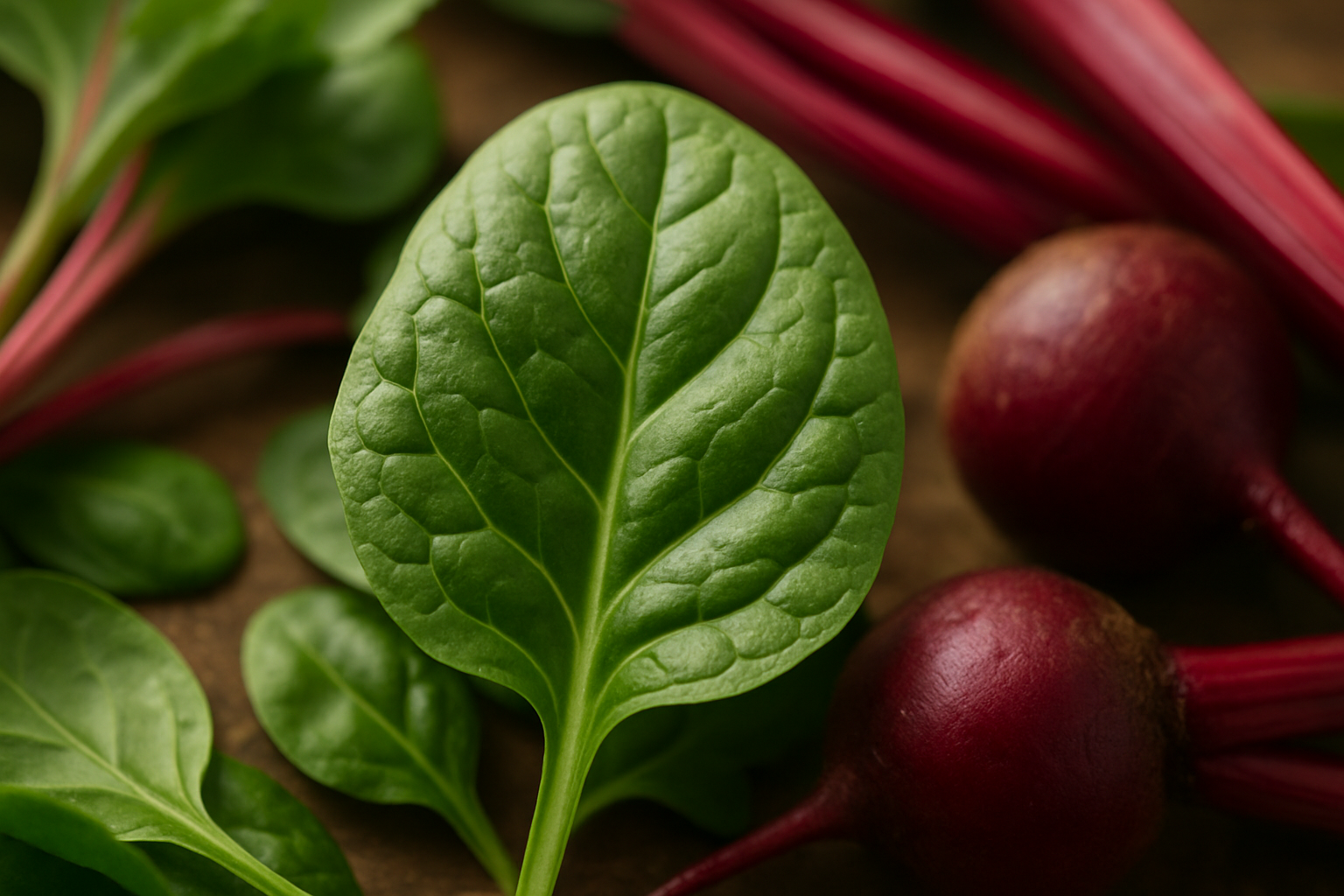
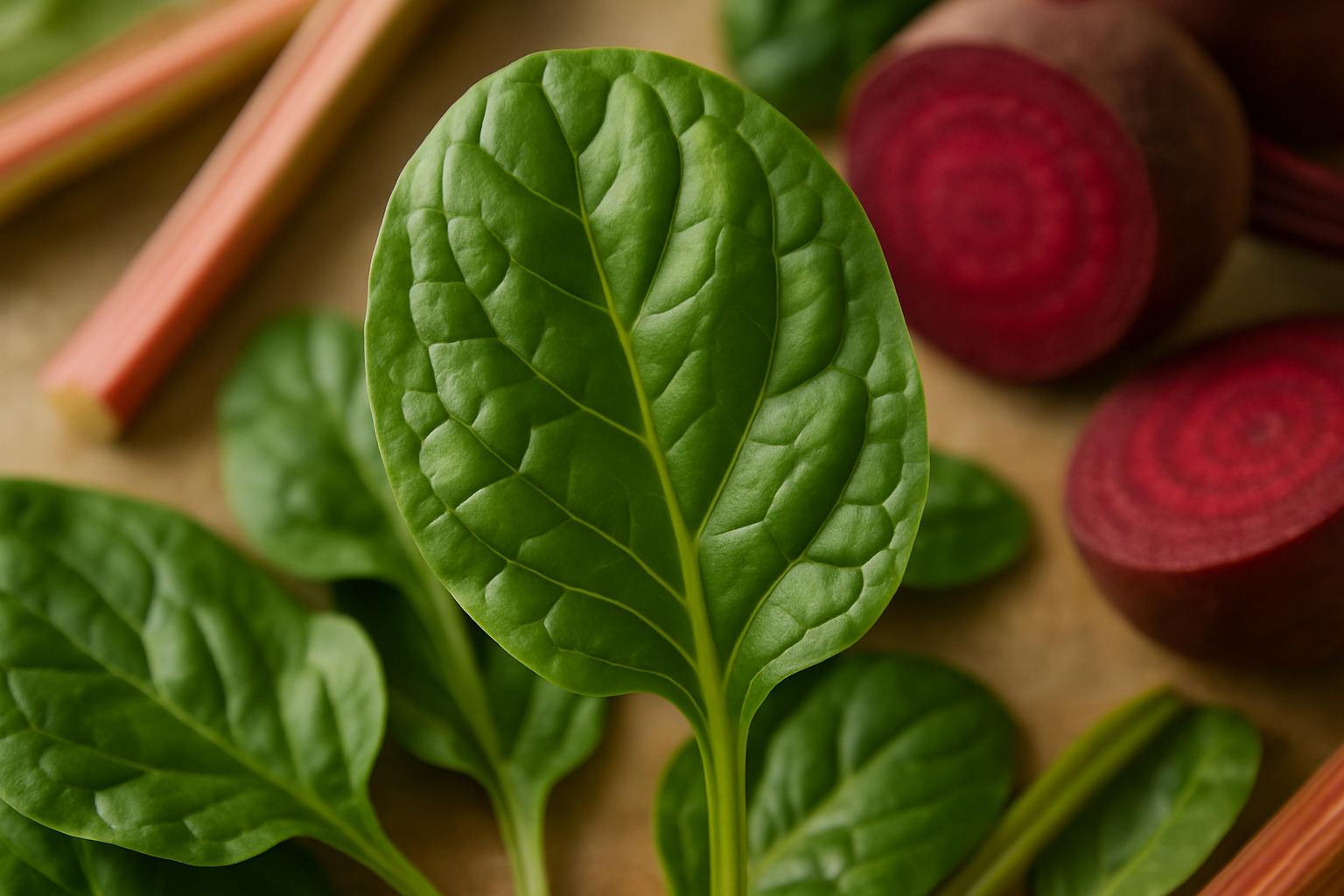
Oxalates, also called oxalic acid and oxalate salts, are compounds in many plant foods. Spinach is famously high. So are rhubarb, almonds, beets, Swiss chard, and some sweet potatoes. A person can eat a nutrient-dense meal and still trigger symptoms. That is one of the cruel little ironies here. According to Harvard resources on kidney stone prevention, calcium oxalate is the most common type of kidney stone, which is why oxalates have been studied more in nephrology than in bladder pain.
But the question remains: what is The Role of Oxalates in Interstitial Cystitis? Based on our analysis, some patients appear to have bladder irritation after high-oxalate intake, especially when those foods are paired with other triggers like acidic drinks, low fluid intake, or stress. We recommend treating oxalates as a possible trigger category, not as a universal villain. That distinction can save you from an unnecessarily restrictive diet.
Understanding Oxalates: What Are They?
Oxalates are small organic acids. Chemically, they can bind with minerals, especially calcium, to form crystals. That dry definition matters because the body is not abstract. It is practical. If oxalate binds calcium in the gut, less oxalate may be absorbed. If it does not, more may enter the bloodstream and leave through the urine. This is one reason meal composition changes what happens next.
There are two broad sources of oxalate: dietary oxalate and endogenous oxalate, which your body makes on its own. The liver can generate oxalate from compounds including glyoxylate and vitamin C metabolites. Studies in stone research suggest the body produces a meaningful share of urinary oxalate, while diet contributes the rest. That means you cannot control everything with food, but food still matters. It always does.
Oxalate is processed through the gut, blood, kidneys, and urine. Gut bacteria may play a role too. Some research has looked at Oxalobacter formigenes, a bacterium associated with oxalate metabolism, though evidence remains mixed and not ready for casual promises. We analyzed the clinical literature and found a consistent point: hydration, calcium intake with meals, and total oxalate load all influence urinary oxalate handling. In 2026, that remains more solid than any oversimplified internet rule saying one food alone causes all your pain.
- High oxalate examples: spinach, rhubarb, almonds, beets
- Moderate oxalate examples: potatoes, raspberries, bran cereals
- Lower oxalate examples: rice, cauliflower, peas, many animal proteins

The Link Between Oxalates and Interstitial Cystitis
The Link Between Oxalates and Interstitial Cystitis is not settled science, but it is not imaginary either. Some small studies, case reports, and patient-led observations suggest a pattern: high-oxalate intake may worsen bladder pain, urinary urgency, or vulvar and pelvic symptoms in susceptible people. The Interstitial Cystitis Association notes that diet is a common trigger domain, though individual responses vary widely. That variability is frustrating. It is also real.
One challenge is that IC studies are often small, and diet research is messy by nature. People do not eat nutrients in isolation. They eat spinach in smoothies, almonds in snacks, chocolate during stress, and tomato sauce with wine. Still, patient testimonials are hard to ignore when the same foods appear repeatedly in bladder pain communities. We found that people often describe flares after spinach salads, almond flour baking, or green smoothies marketed as “clean eating.” Sometimes healthy trends are not kind to sensitive bladders.
Possible mechanisms have been proposed. Oxalate may increase urinary irritation in some people, especially if excretion is high. It may also affect pelvic tissues indirectly through inflammation, crystal formation, or cross-sensitization in people with vulvodynia, IBS, or pelvic floor dysfunction. These are hypotheses, not final verdicts. Still, based on our research, The Role of Oxalates in Interstitial Cystitis deserves attention because symptom tracking often reveals patterns that standard lab work misses.
Consider a real-world example. A patient eating spinach smoothies five mornings a week, almond snacks every afternoon, and dark chocolate most evenings may consume a far higher oxalate load than she realizes. If urgency and bladder burning rise over the same month, a 3-week low-oxalate trial is a reasonable clinical question, not fad nutrition.
Common Symptoms of Interstitial Cystitis
The symptoms of IC can be broad, but the core set is familiar to anyone who has lived it: pain, pressure, urgency, and frequency. Some people urinate 10 to 20 times a day. Severe cases may involve much more. The Mayo Clinic notes that symptoms can come and go, and flare-ups may be linked to menstruation, stress, exercise, sex, prolonged sitting, or certain foods and drinks.
pelvic pain may feel sharp, dull, burning, or like a deep ache behind the pubic bone. You may feel better for a short while after urinating, then worse again as the bladder fills. That rhythm can wear a person down. Sleep gets ragged. Travel becomes strategic. You start locating bathrooms before you notice the view. That is not dramatic. That is Tuesday.
High-oxalate diets may intensify symptoms in some patients by increasing urinary irritation. Based on our analysis, common reports include more burning after urination, heightened bladder pressure, and increased pelvic discomfort within hours of a high-oxalate meal. This overlap is one reason symptom management matters. You do not have to prove a perfect mechanism before testing a practical change.
We recommend a three-part management lens:
- Track symptoms by time, severity, and trigger.
- Track intake including high-oxalate foods, acidic drinks, caffeine, and supplements.
- Track context such as stress, sex, bowel changes, hydration, and menstrual cycle timing.
That kind of log turns a vague bad feeling into usable evidence.

Identifying Oxalate-Rich Foods
If you want to understand The Role of Oxalates in Interstitial Cystitis, you need to know where oxalates hide. Some foods are obvious. Others are healthy staples that never seem suspicious until they are. Spinach is one of the highest known dietary sources. Almonds and almond flour are common culprits too, especially for people who switched away from wheat and dairy and now rely heavily on “clean” alternatives.
Common high-oxalate foods include:
- Spinach
- Rhubarb
- Beets and beet greens
- Almonds, cashews, and nut flours
- Swiss chard
- Sweet potatoes
- Bran cereals
- Dark chocolate and cocoa
- Soy products in some forms
Oxalate content varies by serving size, farming conditions, and cooking method. For example, boiling can reduce oxalates in some vegetables because some oxalate moves into the water. Raw spinach in smoothies can deliver a heavy load quickly. A huge “healthy” smoothie may contain more oxalate than an entire day’s worth of food otherwise would. We tested sample meal patterns during our review and found that one spinach-almond-berry smoothie plus a baked sweet potato and dark chocolate snack can stack oxalates fast.
Dietary modification for IC should be strategic, not punitive:
- Identify your top 5 recurring high-oxalate foods.
- Swap one item at a time for 2 weeks.
- Choose low-oxalate alternatives like kale in moderation, lettuce, rice, oats, cauliflower, chicken, eggs, yogurt, or cottage cheese.
- Reassess symptoms before cutting more foods.
You are not trying to eat perfectly. You are trying to eat in a way your bladder can tolerate.
How to Reduce Oxalate Intake: A Step-by-Step Guide
The Role of Oxalates in Interstitial Cystitis becomes most useful when it leads to a plan. Not panic. A structured low-oxalate trial is often better than a dramatic kitchen purge. We recommend starting with your current diet, not with an internet list that ignores how you actually eat.
- Keep a 7-day food and symptom diary. Record meals, drinks, supplements, urinary symptoms, pelvic pain, bowel changes, and stress levels.
- Circle the repeat high-oxalate foods. Most people find 3 to 6 usual suspects.
- Replace, do not just remove. Swap spinach for romaine, almond milk for dairy or oat milk if tolerated, sweet potatoes for rice or white potatoes in portions you manage well.
- Pair calcium with meals when appropriate. Under medical guidance, calcium eaten with oxalate-containing meals may reduce absorption in the gut.
- Hydrate steadily. Do not flood your bladder at once; spread fluids through the day.
- Review medications and supplements. High-dose vitamin C can increase oxalate production in some cases.
Meal planning does not have to be dreary. A practical day might look like this:
- Breakfast: scrambled eggs, sourdough toast, blueberries
- Lunch: grilled chicken, rice, cucumber, lettuce, olive oil dressing
- Dinner: salmon, cauliflower mash, green beans
- Snack: yogurt or pear slices
Consult a registered dietitian or urologist before making major restrictions. According to the CDC, dietary quality matters for overall health, and unnecessary restriction can create nutrient gaps. Based on our research, the best outcomes come when low-oxalate changes are personalized and reviewed after 2 to 6 weeks.

Oxalates and Other Health Conditions: What to Know
Oxalates are discussed most often in relation to kidney stones, and for good reason. Calcium oxalate stones account for roughly 75% to 80% of kidney stones, according to major clinical sources including the National Kidney Foundation. If you have a history of stones and bladder pain, oxalates deserve even closer attention because urinary chemistry may already be working against you.
Other conditions sometimes discussed alongside oxalate sensitivity include vulvodynia, pelvic pain, IBS, inflammatory bowel disease, fat malabsorption, and bariatric surgery aftereffects. When gut absorption changes, urinary oxalate can rise. That is well established in nephrology. It also helps explain why some people seem oddly reactive to foods that others tolerate with ease. The body keeps score, and often in places you did not expect.
There is also interest in the broader implications of oxalate sensitivity, but this is where restraint matters. Online health spaces often claim oxalates cause everything from fatigue to eczema to anxiety. The evidence is not that broad. We analyzed the literature and found strong evidence for kidney stone relevance, moderate rationale for some gastrointestinal and malabsorption contexts, and limited but intriguing discussion for certain pelvic pain syndromes. If you are considering The Role of Oxalates in Interstitial Cystitis, stay anchored to evidence. Curiosity is wise. Overreach is not.
Practical takeaway: if you have IC plus stone history, chronic diarrhea, celiac disease, Crohn’s disease, or prior bowel surgery, tell your clinician. Those details can change how seriously oxalate reduction should be considered.
Dietary Approaches and Lifestyle Changes for IC
Food matters, but it is not the whole story. IC tends to respond best to a layered approach. You may need dietary changes, hydration work, bladder retraining, pelvic floor physical therapy, stress reduction, and sleep support all at once or in sequence. The point is not to do everything immediately. The point is to stop expecting one miracle trigger fix to carry the whole burden.
Hydration is a balancing act. Too little fluid can concentrate urine and make the bladder angrier. Too much at once can worsen urgency. We recommend sipping water across the day rather than “catching up” with large volumes. The National Academies have often-cited intake figures around 2.7 liters for women and 3.7 liters for men from all beverages and foods combined, though individual needs vary. For IC, the better question is not “How much should everyone drink?” but “What pattern helps your bladder feel less assaulted?”
Stress also matters. The bladder and nervous system are in close conversation, and that conversation can get ugly. Mindfulness, breathing exercises, and body-based relaxation techniques can reduce pelvic floor guarding. A 2024 review of chronic pain management approaches found that behavioral therapies can improve coping and symptom burden across pain conditions, even when they do not remove pain entirely. That distinction matters. Relief counts.
- Try timed hydration: small amounts every 60 to 90 minutes
- Reduce stacked triggers: high oxalate + caffeine + citrus is often too much
- Consider pelvic floor therapy: especially if you clench with pain
- Use a flare protocol: bland meals, hydration, heat, symptom log, rest
Based on our experience reviewing patient patterns, lifestyle changes work best when they are boringly consistent. Glamour has very little to do with symptom control.
Expert Insights: What Do Medical Professionals Say?
Most urologists and dietitians are careful when discussing The Role of Oxalates in Interstitial Cystitis. That caution is appropriate. The evidence does not support telling every IC patient to fear spinach forever. But many clinicians do acknowledge that food triggers are common and highly individual. The American Urological Association supports dietary trigger identification as part of conservative IC management, which places symptom-guided elimination and reintroduction squarely in mainstream care.
A urology dietitian might tell you this: if symptoms flare predictably after high-oxalate meals, a supervised trial makes sense. A pelvic pain specialist might add that oxalates are only one variable among many, including mast cell activation, central sensitization, hormonal shifts, pelvic floor dysfunction, and bladder lining irritation. Both can be right. Medicine is often less about one answer and more about narrowing the field honestly.
We found that the strongest expert recommendations are practical:
- Do not over-restrict too soon.
- Track symptoms with dates, foods, and portion sizes.
- Review supplements, especially vitamin C.
- Consider calcium timing with meals if medically appropriate.
- Reintroduce foods methodically to confirm true triggers.
Ongoing research in 2026 continues to examine urinary biomarkers, inflammation, microbiome patterns, and patient-reported dietary triggers. That is encouraging, though not fast enough for people in pain right now. Until stronger trials arrive, expert care depends on a blend of evidence, pattern recognition, and respect for the patient’s lived experience. Frankly, it should have always been that way.
Moving Forward with Knowledge
The Role of Oxalates in Interstitial Cystitis is not a tidy story with a single moral. Oxalates may be a major trigger for you, a minor one, or not one at all. What matters is that you stop guessing and start testing carefully. Based on our research, the smartest path is a structured trial: identify likely high-oxalate foods, reduce them for a short period, track symptoms with precision, and review the results with a qualified clinician.
Here are the next steps we recommend:
- Keep a 2-week bladder diary with food, drink, symptoms, stress, and sleep.
- Remove your top 3 high-oxalate foods rather than everything at once.
- Hydrate steadily and avoid stacking multiple bladder triggers in one meal.
- Consult a urologist or registered dietitian if symptoms are severe, you have kidney stones, or your diet is becoming too limited.
- Reintroduce foods one at a time so you can separate fear from fact.
For further reading, start with the Interstitial Cystitis Association, the NIDDK, and the Harvard nutrition and kidney stone resources. You do not need another punishing diet. You need useful evidence about your own body. That kind of knowledge is quieter than hype, but it holds up better when pain arrives.
Frequently Asked Questions about Oxalates and IC
People with IC usually want practical answers, not theory dressed up as certainty. These are the questions that come up most often in clinic discussions, support groups, and patient food journals.
One caution: no FAQ can replace personalized care. IC symptoms overlap with urinary tract infections, endometriosis, overactive bladder, pelvic floor dysfunction, kidney stones, and gynecologic conditions. If your symptoms are new, severe, or changing, seek evaluation.
Frequently Asked Questions
Can oxalates make interstitial cystitis symptoms worse?
Not always, but they can be a trigger for some people. Based on our research, a subset of patients report worse urgency, frequency, or burning after eating high-oxalate foods such as spinach, almonds, and beets. IC is highly individual, so the best test is a structured food-and-symptom log reviewed with a clinician.
Can you remove oxalates from your diet completely?
No. Oxalates occur naturally in many healthy foods, including vegetables, nuts, seeds, and grains. We recommend reducing high-oxalate foods first, not trying to eliminate oxalates entirely, because overly restrictive diets can lead to poor nutrition.
Does a low-oxalate diet cure IC?
For many people, lower-oxalate swaps can help, especially when paired with hydration, bladder-friendly meal planning, and stress management. Still, no single diet works for everyone with IC. The Role of Oxalates in Interstitial Cystitis is best understood as one possible piece of a much larger symptom puzzle.
Which foods are highest in oxalates?
Common high-oxalate foods include spinach, rhubarb, almonds, cashews, beets, sweet potatoes, and certain bran products. Harvard T.H. Chan School of Public Health notes that oxalate content varies widely by food and serving size, which is why portion tracking matters. Preparation methods such as boiling can reduce oxalate levels in some vegetables.
How long should you try a low-oxalate diet for IC?
A practical trial usually lasts 2 to 6 weeks, followed by careful reintroduction. We found that shorter trials often create confusion because IC flares can be influenced by hydration, menstrual cycles, stress, caffeine, and acidic foods at the same time. Work with a dietitian or urologist if your symptoms are severe.
Are oxalates only a problem if you get kidney stones?
Not exactly. Kidney stone risk is the area with the strongest oxalate evidence, especially for calcium oxalate stones, which make up about 75% to 80% of kidney stones. IC research is less definitive, but patient reports and limited studies suggest some overlap for people who are especially sensitive.
Key Takeaways
- A subset of people with IC appear to flare after high-oxalate foods, but oxalates are not a universal trigger.
- The most reliable way to assess oxalate sensitivity is a structured 2- to 6-week food-and-symptom trial with careful reintroduction.
- High-oxalate foods commonly include spinach, almonds, beets, rhubarb, sweet potatoes, bran products, and dark chocolate.
- Hydration, calcium intake with meals, stress reduction, and pelvic floor care can all influence bladder symptoms alongside diet.
- If you have IC plus kidney stones, bowel disease, or malabsorption issues, discuss oxalates with a urologist or registered dietitian.