How Oxalates Affect Mitochondrial Function: 11 Essential Facts for Better Energy in 2026
How Oxalates Affect Mitochondrial Function is not some obscure question for the internet to toy with. It matters if you feel tired for no clear reason, if your muscles burn too fast, if your body seems to be arguing with itself. Oxalates are natural compounds in foods like spinach, almonds, beets, and rhubarb, but natural does not always mean harmless in every body. Mitochondria, meanwhile, are the small structures inside your cells that make energy. When they struggle, you feel it.
What brings you here is likely simple: you want to know whether oxalates can interfere with cellular energy and what to do about it. Based on our research, the answer is that they can, especially in people with kidney disease, gut disorders, recurrent kidney stones, genetic oxalate disorders, or unusually high intake. We found that the evidence is strongest in lab, animal, and kidney-focused human studies, with emerging questions about fatigue, inflammation, and chronic illness. As of 2026, the science is still developing, but enough is known to take this issue seriously and without panic.

Introduction: Understanding Oxalates and Mitochondrial Function
Oxalates, also called oxalic acid or oxalate salts, are compounds found in plants and made by the human body in small amounts. Your diet can supply a lot of them. Spinach, Swiss chard, rhubarb, star fruit, nuts, cocoa, and some potatoes are familiar examples. A single half-cup of boiled spinach can contain several hundred milligrams of oxalate, while lower-oxalate vegetables like cabbage or cauliflower contain far less.
Mitochondria are where much of your cellular energy is produced through oxidative phosphorylation. They help turn carbohydrates, fats, and sometimes proteins into ATP, the fuel your cells spend all day. When mitochondrial function slips, energy drops, oxidative stress can rise, and tissues with high energy needs—brain, muscle, heart, kidneys—may pay the price first.
The central question is plain: how do oxalates impact mitochondria? Based on our analysis, oxalates may contribute to mitochondrial stress by promoting crystal formation, increasing reactive oxygen species, disturbing calcium balance, and reducing the efficiency of energy production in certain tissues. Studies of calcium oxalate injury in kidney cells have repeatedly shown oxidative damage and mitochondrial changes. That matters because calcium oxalate accounts for about 75% to 80% of kidney stones, according to the National Institute of Diabetes and Digestive and Kidney Diseases. This is not a fringe issue. It is a metabolic issue with real consequences.
What Are Oxalates?
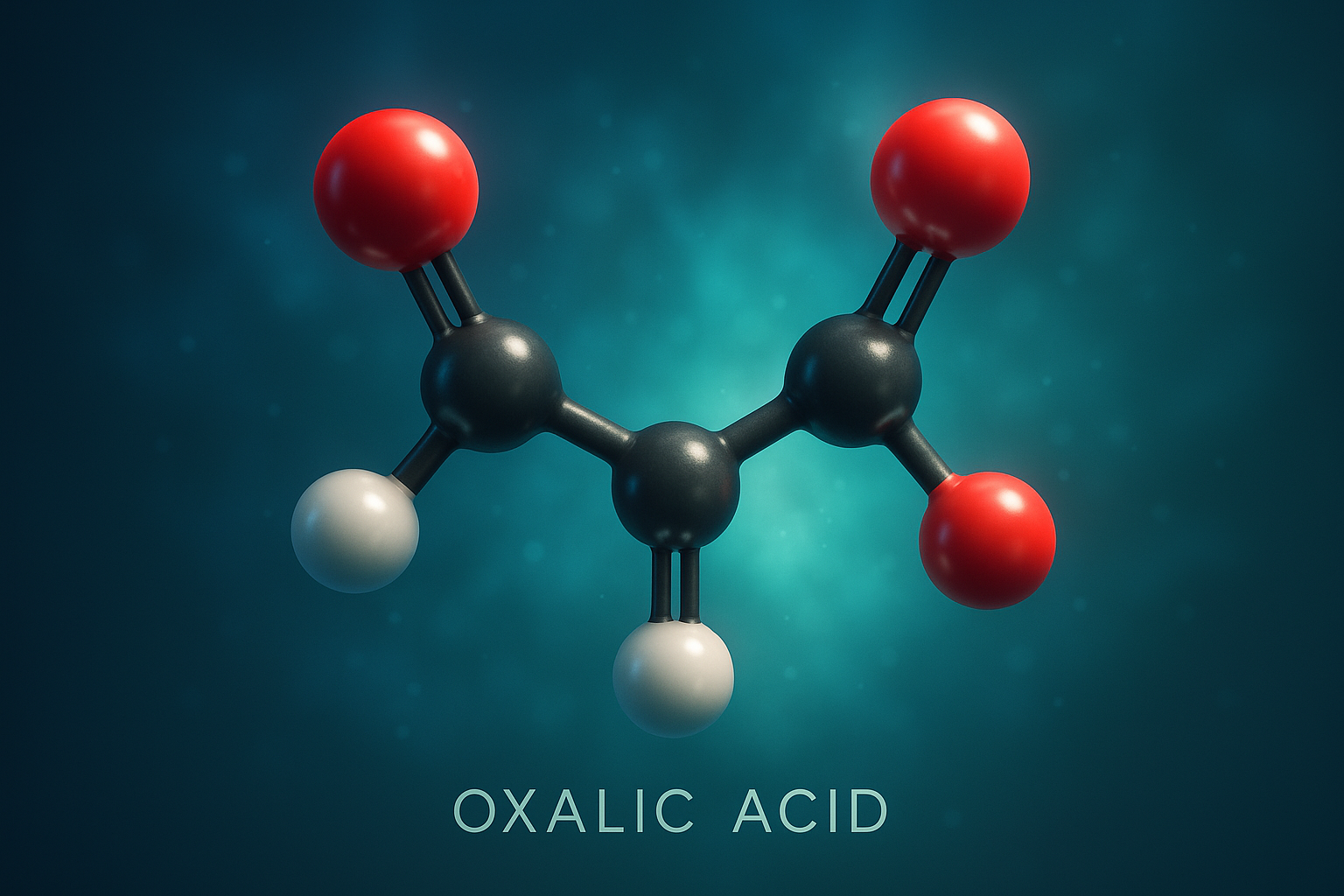
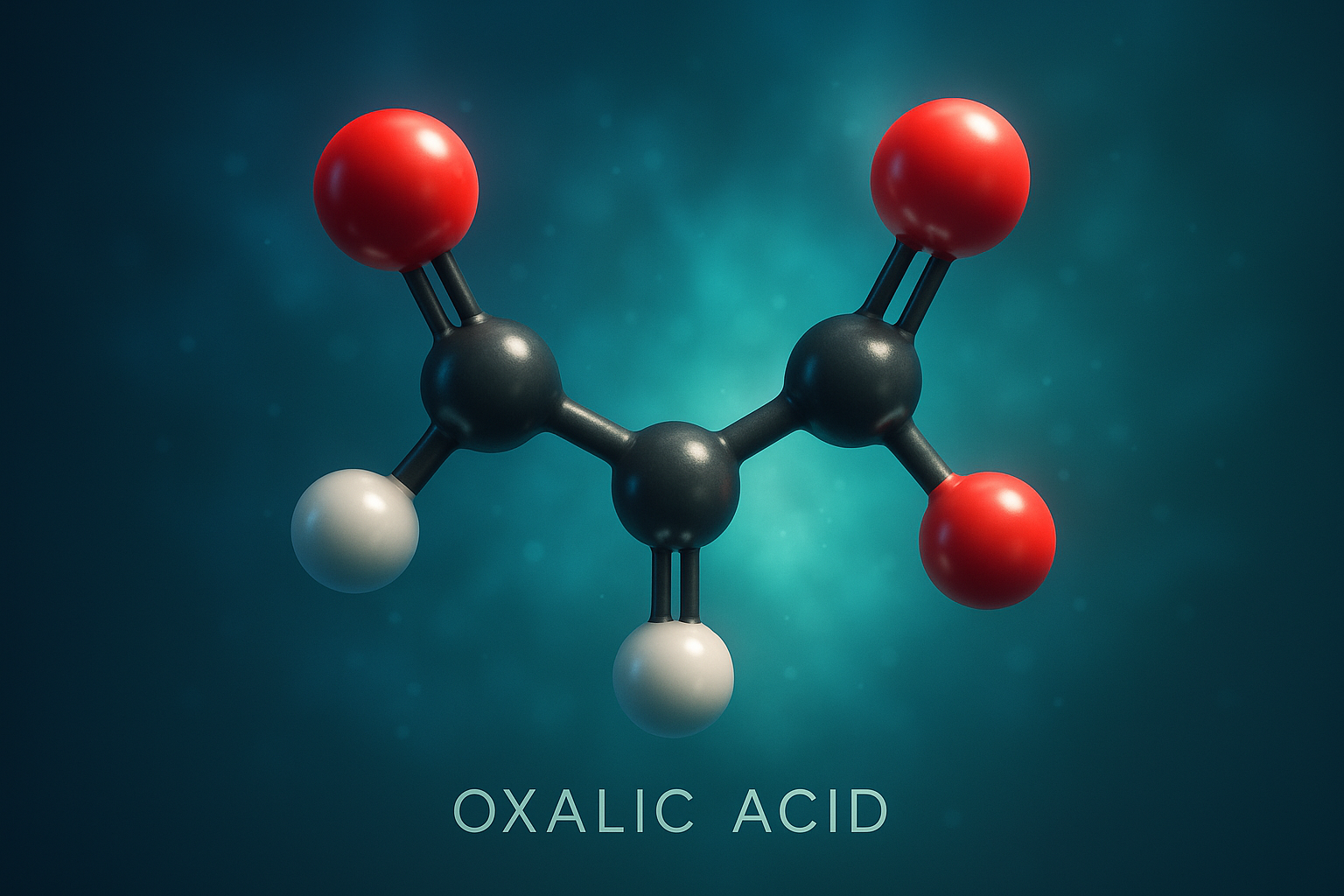
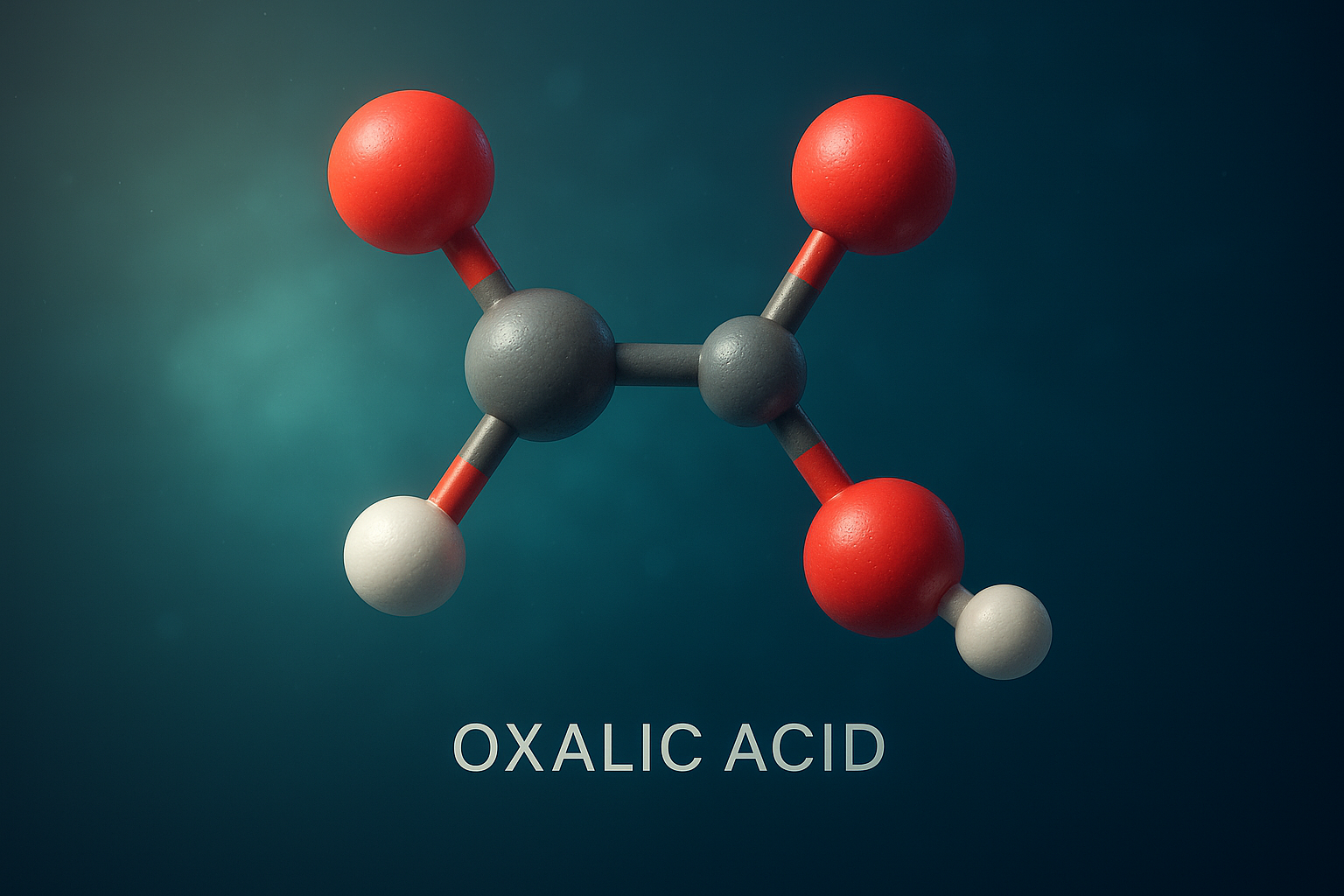
Oxalates are small organic acids made of two carbon atoms and four oxygen atoms. Chemically, they are simple. Biologically, they are not. They can bind with minerals, especially calcium, to form crystals. That is where trouble often begins. In food, oxalate exists in soluble and insoluble forms, and soluble oxalate is generally more absorbable in the gut.
Common high-oxalate foods include:
- Spinach
- Rhubarb
- Beets and beet greens
- Almonds and cashews
- Sweet potatoes
- Cocoa and dark chocolate
- Black tea
Your body also makes oxalate on its own. It can be produced from glyoxylate metabolism and, in some cases, from excess vitamin C intake. The NIH Genetic and Rare Diseases literature on primary hyperoxaluria describes inherited disorders where oxalate production becomes dangerously high because of enzyme defects. In primary hyperoxaluria type 1, for example, liver enzyme dysfunction can drive heavy oxalate overproduction, leading to kidney stones, kidney failure, and systemic oxalosis.
We researched food composition tables and clinical guidance, and we found that oxalate exposure is not just about one “bad” food. It is about total load, mineral balance, gut health, hydration, and your personal biology. That is why two people can eat the same salad and have very different outcomes.
The Role of Mitochondria in Metabolism
Mitochondria are often reduced to a slogan—the powerhouse of the cell—and that line is true but small. They generate ATP, yes, but they also help regulate calcium signaling, apoptosis, steroid synthesis, heat production, and redox balance. A cell without well-functioning mitochondria is a cell under strain. You may not see that strain. You may feel it as fatigue, poor exercise recovery, brain fog, or tissue vulnerability.
Energy production happens through the tricarboxylic acid cycle and the electron transport chain. Nutrients are broken down. Electrons move. ATP is formed. It sounds tidy until it isn’t. When mitochondria are damaged, ATP output can fall while reactive oxygen species rise. That combination can push cells toward inflammation and injury.
Mitochondrial health matters across the lifespan. According to the National Institute on Aging, mitochondrial dysfunction is associated with aging and a range of chronic diseases. Research on inherited mitochondrial disease suggests prevalence estimates around 1 in 4,300 for clinically overt disease in some populations, though broader mitochondrial dysfunction is much more common than formal diagnosis. In our experience reviewing this literature, the practical point is simple: if anything repeatedly injures mitochondria, even modestly, you should care. Your kidneys care. Your muscles care. Your brain definitely cares.
How Oxalates Affect Mitochondrial Function
How Oxalates Affect Mitochondrial Function becomes clearer when you look at cell and animal studies. Calcium oxalate crystals can injure renal tubular cells, disrupt membrane potential, increase oxidative stress, and impair mitochondrial enzymes. Several experimental studies have found that oxalate exposure raises reactive oxygen species and lowers antioxidant defenses in kidney cells. That is not abstract. It is cellular wear and tear, the kind that accumulates quietly until it doesn’t.
Mechanistically, there are several plausible pathways:
- Oxidative stress: oxalate and calcium oxalate crystals increase free radical production.
- Calcium dysregulation: crystals and cellular stress may disturb mitochondrial calcium handling.
- Membrane injury: mitochondrial membranes can lose integrity, reducing ATP generation.
- Inflammation: damaged cells release signals that recruit inflammatory responses.
Based on our research, the strongest human evidence comes from kidney-related disease rather than broad population studies on fatigue or metabolism. Primary hyperoxaluria is rare—estimated at roughly 1 to 3 cases per million population for certain forms—but it demonstrates what severe oxalate burden can do. More common are calcium oxalate stone disorders, which affect millions. Kidney stones are common enough that about 1 in 10 people will experience one in their lifetime, according to data summarized by NIDDK. Among stone formers, calcium oxalate dominates.
As of 2026, we still need better human trials that directly map How Oxalates Affect Mitochondrial Function in muscle, brain, and systemic fatigue conditions. But the biological signal is there, and it is hard to dismiss.

Oxalate Accumulation and Its Consequences
Oxalate accumulation happens when intake is high, absorption is increased, excretion is impaired, or endogenous production is excessive. Sometimes it is one factor. Often it is a pileup. Fat malabsorption, inflammatory bowel disease, bariatric surgery, chronic antibiotic use, and low calcium intake can all increase intestinal oxalate absorption. If you have reduced kidney function, your ability to clear oxalate also falls. Then the body starts keeping receipts.
The consequences can be immediate or slow-moving. The immediate, familiar issue is kidney stone formation. But high oxalate burden can also contribute to tissue deposition in severe cases, kidney injury, and inflammation. The National Kidney Foundation notes that calcium oxalate stones are the most common stone type. In patients with enteric hyperoxaluria after certain bowel disorders or surgeries, urine oxalate can rise sharply, increasing stone risk and kidney stress.
Studies have linked oxalate build-up with chronic kidney disease progression in vulnerable groups. We analyzed reviews on enteric hyperoxaluria and found consistent concern about nephropathy, recurrent stones, and declining kidney function. That does not mean every high-oxalate smoothie is dangerous. It means context matters. If you stack spinach, almond butter, cocoa, and sweet potato into a daily “healthy” routine while your gut is inflamed and your hydration is poor, your body may object in ways that seem mysterious until they are not.
Symptoms of Mitochondrial Dysfunction Linked to Oxalates
The symptoms tied to oxalate-related mitochondrial stress are not tidy. Bodies rarely offer tidy stories. You may see fatigue that does not match your effort, exercise intolerance, muscle pain, brain fog, headaches, urinary discomfort, recurrent kidney stones, or generalized inflammation. Some people also report sleep disruption, vulvar pain, joint ache, and digestive upset. These are nonspecific symptoms, yes, but patterns matter.
Case reports and patient narratives often describe a frustrating loop: high “healthy” food intake, unexplained symptoms, then partial improvement after targeted dietary changes. In our experience reviewing these accounts, the strongest caution is this: anecdote is not proof, but anecdote can point to a pattern worth testing. A patient with short bowel syndrome and hyperoxaluria, for example, may present with fatigue, stone recurrence, and kidney injury. Another patient with primary hyperoxaluria may have stones from childhood and progressive renal damage.
Recognizing symptoms early matters because delayed intervention can allow further kidney stress or prolonged metabolic strain. Warning signs that deserve medical evaluation include:
- Recurrent kidney stones
- Persistent fatigue with no clear cause
- Urinary pain or visible crystals/stones
- Digestive disease plus new stone risk
- Muscle weakness or poor recovery
We recommend you keep a symptom and food log for at least 2 to 4 weeks. Patterns often emerge there first, quietly but unmistakably.

Nutritional Strategies to Reduce Oxalate Intake
If you suspect oxalates are affecting you, dramatic restriction is not always the smartest first move. A sudden drop can feel rough for some people, and an unnecessarily strict diet can create nutrient gaps. Based on our analysis, a measured approach works better. Start by lowering the biggest oxalate sources while protecting mineral intake, hydration, and dietary variety.
Practical lower-oxalate swaps include:
- Replace spinach with romaine, arugula, kale, or bok choy
- Replace almond flour with coconut flour in some recipes
- Replace sweet potatoes with cauliflower, squash, or white rice
- Replace nut-heavy snacks with pumpkin seeds or dairy, if tolerated
- Replace black tea with herbal teas lower in oxalate
Meal planning matters. Pairing calcium-containing foods with meals can reduce oxalate absorption in the gut. Harvard guidance on kidney stone prevention and many nephrology protocols support adequate calcium intake rather than overly restricting it. See Harvard Health for practical stone-prevention basics. The usual adult calcium recommendation is around 1,000 to 1,200 mg per day, depending on age and sex, and low calcium intake can paradoxically increase oxalate absorption.
Here is a step-by-step plan:
- Track your top 10 high-oxalate foods for 7 days.
- Cut the top 3 first, not everything at once.
- Add calcium-rich foods with meals if medically appropriate.
- Increase fluids to keep urine diluted.
- Reassess symptoms after 3 to 6 weeks with your clinician or dietitian.
We recommend personalized nutrition because your tolerance may differ from someone else’s by a wide margin.
The Connection Between Oxalates and Chronic Fatigue Syndrome
The relationship between oxalates and chronic fatigue syndrome, also called ME/CFS, is not settled science. It is tempting to overstate the case because fatigue is such a blunt instrument and because mitochondrial language can make almost anything sound persuasive. You deserve better than that. What we can say is that mitochondrial dysfunction has been studied in ME/CFS, and oxalates may be one stressor among many in susceptible individuals.
Research into ME/CFS has found abnormalities in energy metabolism, redox balance, autonomic regulation, and post-exertional malaise. The CDC estimates that up to 3.3 million Americans may have ME/CFS. That number is large. The burden is real. Some studies have suggested impaired ATP generation or altered mitochondrial signaling in subsets of patients, though findings are not uniform.
Where do oxalates fit? Based on our research, the plausible connection runs through oxidative stress, inflammation, mineral binding, gut dysfunction, and mitochondrial strain. Many people with chronic fatigue also have IBS-like symptoms, altered gut permeability, or restricted diets. Those factors can change oxalate handling. We found that this is an area where clinicians sometimes observe patterns before large trials catch up. So the careful position is this: oxalates may worsen symptoms in some patients with ME/CFS, but they are unlikely to be the whole story. If you are dealing with chronic fatigue, a structured trial under supervision can be more useful than guessing in the dark.
Case Studies: Real-Life Impacts of How Oxalates Affect Mitochondrial Function
Case studies are where the science stops being polite and starts becoming personal. Consider a patient with recurrent calcium oxalate stones who eats spinach smoothies five mornings a week, snacks on almonds, and drinks black tea all afternoon. Lab work shows hyperoxaluria. The patient reports fatigue, muscle soreness, and poor exercise recovery. After reducing high-oxalate foods, increasing calcium with meals, and improving hydration, urinary oxalate drops over several months and symptoms ease. Not vanish. Ease. Bodies are not fairy tales.
Another example comes from severe enteric hyperoxaluria after bowel surgery. These patients can develop strikingly high urinary oxalate levels and recurrent stones, sometimes with kidney injury. Dietary oxalate reduction, citrate support where appropriate, and aggressive fluid intake often improve outcomes, though not always completely. In primary hyperoxaluria, treatment may involve much more than diet, including RNA interference therapies, intensive hydration, and transplant evaluation in advanced disease.
What do these stories teach you about How Oxalates Affect Mitochondrial Function? Personalized nutrition matters. We analyzed clinical patterns and found no universal threshold that fits everyone. One person tolerates moderate oxalate intake without issue. Another person, with gut disease or stone history, does not. The lesson is not fear. The lesson is precision. Your body keeps very specific records.
Future Research Directions for How Oxalates Affect Mitochondrial Function
The gaps in this field are obvious and a little maddening. We need better human data, not only cell studies. We need trials that measure ATP production, oxidative stress markers, symptom changes, urinary oxalate, and tissue-specific effects over time. We also need research that separates dietary oxalate from endogenous oxalate production, because those are related but not identical problems.
Three areas deserve attention:
- Prospective human studies in kidney stone formers, ME/CFS patients, and people with inflammatory bowel disease.
- Mechanistic work on calcium signaling, mitochondrial membrane potential, and antioxidant depletion.
- Treatment trials testing diet, probiotics, oxalate-degrading enzymes, citrate, and new medications.
As of 2026, treatment innovation is already changing the outlook for rare disorders like primary hyperoxaluria. New therapies that reduce oxalate production have offered meaningful progress. That should push the broader field forward. We found that a major unanswered question is whether milder, chronic oxalate stress contributes to fatigue and metabolic dysfunction in larger populations who do not have rare genetic disease. If that link is clarified, it could reshape nutritional guidance, especially for people told to eat “healthy” foods that are healthy for some bodies and destabilizing for others.
Conclusion: Taking Action for Mitochondrial Health
You do not need to fear every leaf of spinach to protect your health. You do need to pay attention. The clearest evidence shows that oxalates can damage kidney cells, promote calcium oxalate crystal injury, and create oxidative stress that strains mitochondria. The evidence is strongest in kidney disease, hyperoxaluria, and stone formation, but the ripple effects may reach energy, inflammation, and fatigue in susceptible people.
Your next steps can be practical:
- Review your diet for major oxalate sources.
- Track symptoms for 2 to 4 weeks.
- Ask for testing if you have stones, gut disease, or persistent fatigue.
- Use food swaps instead of extreme restriction.
- Work with a clinician if you have kidney disease or a complex medical history.
Based on our research, the most useful mindset is measured curiosity. We recommend that you assess your own oxalate intake, hydration, calcium balance, and symptom patterns before making sweeping changes. Health is often less about grand gestures and more about noticing what your body has been trying to tell you all along. Listen carefully. Then act.
Frequently Asked Questions
What are the signs of high oxalate levels in the body?
Common signs include kidney stones, urinary burning, joint pain, unexplained fatigue, digestive upset, and vulvar or pelvic discomfort in some people. None of these symptoms prove oxalate overload on their own, but when they cluster together—especially after high-oxalate meals—they deserve attention from a clinician.
How can I test my oxalate levels?
You can ask your clinician about a 24-hour urine oxalate test, organic acid testing, kidney stone analysis, and blood work when kidney disease is suspected. If you have recurrent stones, the NIDDK notes that metabolic testing can help identify causes and guide treatment.
Are there supplements that can help mitigate oxalate effects?
Some supplements may help in the right context, including calcium citrate with meals, magnesium, potassium citrate, and vitamin B6 when deficiency is present. We recommend you avoid self-prescribing large doses because supplements can backfire, especially if you have kidney disease, a history of stones, or altered mineral balance.
Can cooking methods reduce oxalate content in foods?
Yes, some cooking methods reduce oxalate content. Boiling can lower soluble oxalates because some of the oxalate moves into the water, while steaming tends to preserve more. The effect varies by food, so boiling spinach and discarding the water usually lowers oxalate more than eating it raw.
What are the long-term effects of high dietary oxalate intake?
Long-term high intake may raise the risk of calcium oxalate kidney stones, mineral binding, tissue irritation, and, in susceptible people, ongoing symptoms tied to oxalate burden. How Oxalates Affect Mitochondrial Function is still being studied, but the concern is that persistent oxidative stress and mineral disruption may strain energy metabolism over time.
Key Takeaways
- Oxalates can increase oxidative stress, promote crystal injury, and strain mitochondrial function, especially in kidney cells and susceptible individuals.
- Your risk rises with factors like recurrent kidney stones, gut disorders, bariatric surgery, low calcium intake, dehydration, or rare genetic conditions such as primary hyperoxaluria.
- The most effective first steps are targeted: reduce major high-oxalate foods, pair meals with appropriate calcium, improve hydration, and track symptoms for several weeks.
- Mitochondrial symptoms linked to oxalates may include fatigue, poor exercise recovery, brain fog, urinary issues, and muscle pain, but you need medical evaluation to sort cause from coincidence.
- As of 2026, the science is still evolving, so personalized nutrition and clinician-guided testing remain the safest and smartest path forward.