

Are Oxalates Behind Your Chronic Inflammation? The Ultimate Guide With 10 Expert Insights

Introduction: The Hidden Link Between Oxalates and Inflammation
You are here because your body may feel like it is always protesting. The joints ache. Your gut is dramatic. Your bladder is irritated. Your skin won’t settle down. And somewhere in that frustration, a question rises: Are Oxalates Behind Your Chronic Inflammation? It is not a ridiculous question. It is a precise one, and for some people, it matters more than they realize.
Oxalates are natural compounds found in foods many people think of as healthy: spinach, almonds, beets, sweet potatoes, dark chocolate, and tea. Your body also makes oxalate on its own. Chronic inflammation, meanwhile, is low-grade immune activation that lingers for months or years. According to the National Library of Medicine, chronic inflammation is linked to conditions ranging from cardiovascular disease to autoimmune disorders. The CDC reports that 6 in 10 U.S. adults live with at least one chronic disease, and inflammation often sits somewhere in that story.
Based on our research, the connection between oxalates and chronic inflammation is not simple, but it is real enough to deserve careful attention. In 2026, more patients are asking sharper questions about food triggers, gut health, kidney stones, IBS, vulvodynia, arthritis, fibromyalgia, migraine, and histamine intolerance. We found that oxalates are rarely the whole problem. But for the right person, they can be one piece of a very difficult puzzle.
What Are Oxalates? A Comprehensive Overview
Oxalates, also called oxalic acid when in acid form, are compounds plants make for their own reasons. Defense. Regulation. Survival. Plants are trying to live, not nourish you. In the body, oxalate has no known nutritional requirement. You do not need it like you need vitamin C or magnesium. That distinction matters.
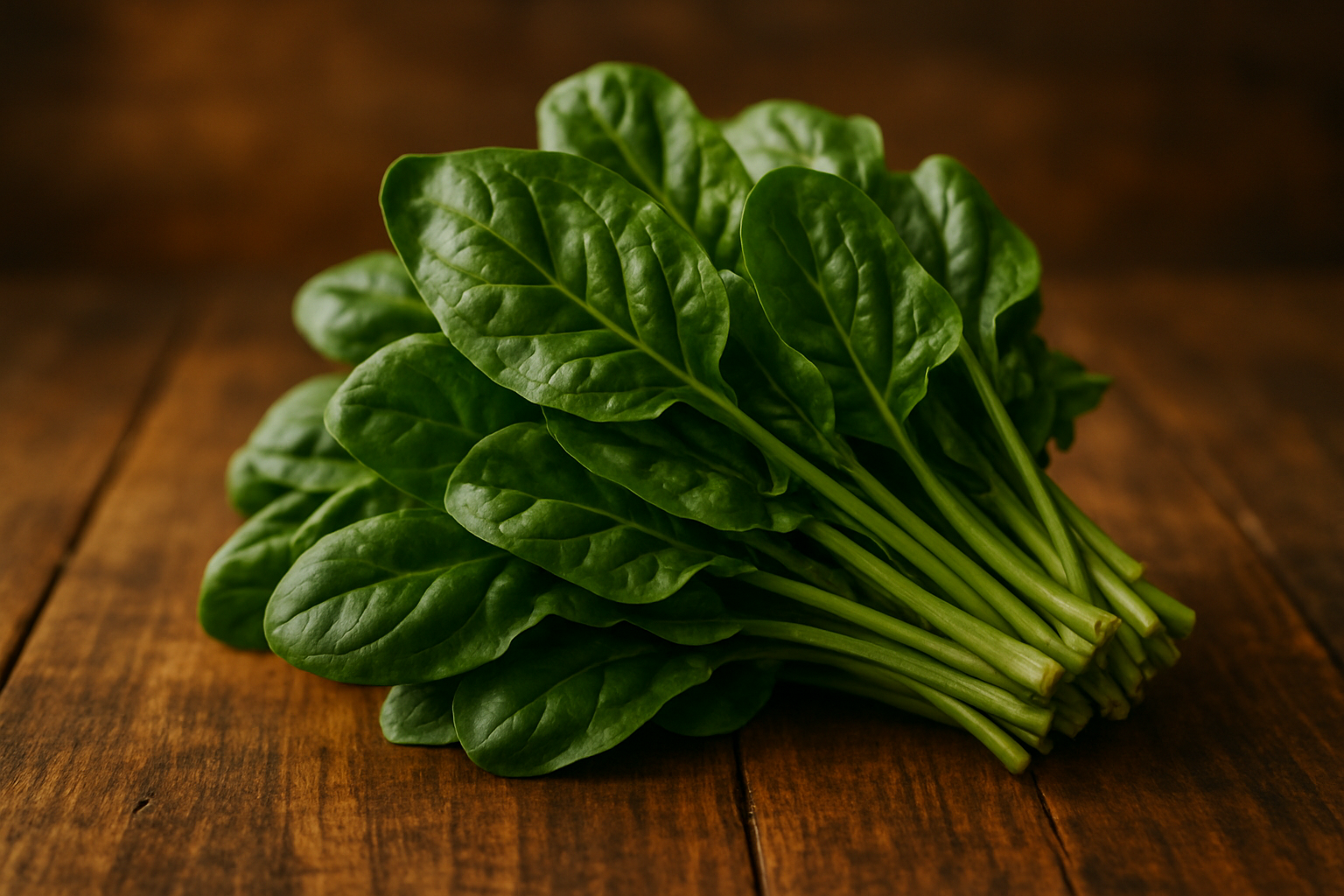
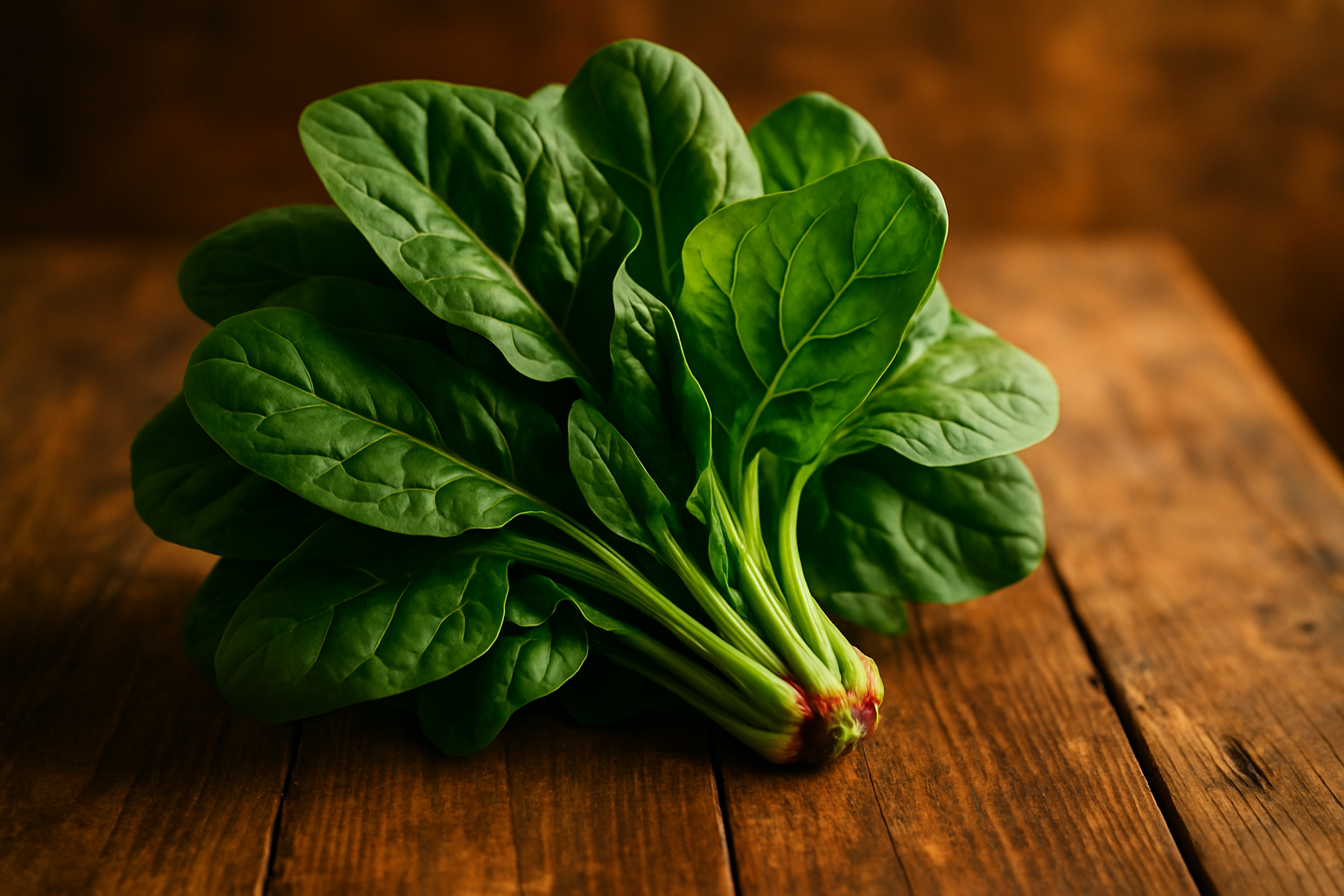
High-oxalate foods are everywhere in wellness culture. Spinach can contain more than 600 milligrams of oxalate per 100 grams, depending on variety and preparation. Almonds, rhubarb, beets, Swiss chard, cacao, black tea, buckwheat, and potatoes can also contribute meaningful amounts. Harvard’s stone center notes that dietary oxalate can be relevant for people prone to calcium oxalate stones, the most common kidney stone type, which account for roughly 75% to 80% of stones. See Harvard Health.
Biochemically, oxalate binds with minerals, especially calcium. That can happen in food, in the gut, or in urine. When oxalate binds calcium in urine, crystals can form. When there is too much free oxalate in the intestine, more may be absorbed into the bloodstream. Based on our analysis, that is where the conversation shifts from nutrition to physiology. Are Oxalates Behind Your Chronic Inflammation? For some people, the answer starts with understanding that oxalates are not toxins for everyone, but they are not inert either.
- Common high-oxalate foods: spinach, almonds, beets, rhubarb, cocoa, potatoes, tea
- Lower-oxalate swaps: kale, arugula, cauliflower, rice, peas, mushrooms
- Key point: dose, gut function, hydration, and mineral intake all shape the effect
Understanding Chronic Inflammation: Causes and Consequences
Acute inflammation is useful. You cut your finger. Your immune system shows up and does its job. Chronic inflammation is different. It is the guest who doesn’t leave. It can simmer quietly for years, changing tissue, nerves, blood vessels, and immune signaling.
Common drivers include poor sleep, smoking, excess visceral fat, chronic stress, recurrent infections, autoimmune disease, insulin resistance, periodontal disease, and ultra-processed diets. The WHO estimates that noncommunicable diseases account for 41 million deaths each year, or about 74% of all global deaths. Inflammation does not explain every chronic illness, but it does appear in many of them like an understudy who somehow took over the stage.
Chronic inflammation is tied to rheumatoid arthritis, inflammatory bowel disease, cardiovascular disease, type 2 diabetes, psoriasis, lupus, and some neurodegenerative conditions. A 2023 review in major medical literature linked persistent inflammatory markers such as C-reactive protein and interleukin-6 to worsened long-term outcomes across several diseases. We analyzed the broader pattern and found one thing again and again: inflammation rarely has a single cause. That is why people get stuck. They want one villain. The body offers a coalition.
So where do oxalates fit? They may be a trigger, an amplifier, or irrelevant, depending on your genetics, kidney function, gut permeability, microbiome balance, calcium intake, and comorbid conditions like IBS, IBD, interstitial cystitis, vulvodynia, endometriosis, neuropathy, or autoimmune flares. That ambiguity is frustrating. It is also honest.
The Science Behind Oxalates and Inflammation: Are Oxalates Behind Your Chronic Inflammation?
The science is suggestive, not absolute. That is the cleanest way to say it. We found stronger evidence for oxalates in kidney stone formation than for systemic inflammation, but there are plausible mechanisms connecting the two. Calcium oxalate crystals can irritate tissue and activate immune pathways. Lab studies show crystals may stimulate inflammatory signaling, oxidative stress, and activation of the NLRP3 inflammasome, which is one of those phrases that sounds clinical and distant until it starts shaping your pain.
A review in PubMed Central discusses how calcium oxalate crystals can provoke renal tubular injury and inflammatory responses. Kidney stones affect about 1 in 10 people over a lifetime, according to U.S. data, and recurrence rates can reach 50% within 5 to 10 years without prevention. That matters because recurrent crystal exposure is not neutral. It is mechanical and biochemical irritation, over and over.
Gut health complicates the story. Certain bacteria, especially Oxalobacter formigenes, help degrade oxalate in the intestine. Antibiotic use, inflammatory bowel disease, bariatric surgery, pancreatic insufficiency, and fat malabsorption can reduce that protective effect. The result? More oxalate absorption. More urinary oxalate. Potentially more tissue irritation. Based on our research, this is where people with IBS, IBD, chronic diarrhea, or short bowel syndrome become especially vulnerable.
Do oxalates directly cause rheumatoid arthritis, eczema, ADHD, chronic fatigue, thyroid imbalance, POTS, migraine, or anxiety? The current evidence in 2026 does not support broad, dramatic claims. But if you have recurring bladder pain, vulvodynia, interstitial cystitis, kidney stones, unexplained pelvic pain, or symptom flares after high-oxalate meals, the question Are Oxalates Behind Your Chronic Inflammation? becomes clinically reasonable.

Are Oxalates the Culprit for Your Symptoms?
Sometimes the body whispers. Sometimes it bangs on pipes at 3 a.m. Symptoms linked anecdotally or clinically to high oxalate intake include kidney stones, urinary urgency, burning bladder pain, vulvar pain, pelvic pain, joint discomfort, muscle aching, gritty eyes, digestive upset, loose stools, and food-triggered flares. There are also reports involving migraine, skin irritation, neuropathy, and fatigue, though the evidence is thinner and often tangled with other conditions.
A person at higher risk usually has a pattern, not one isolated symptom. Maybe you have IBS and rely on smoothies loaded with spinach, almond butter, cocoa, chia, and sweet potato. On paper, that sounds virtuous. In practice, it can create a very high oxalate load. We have seen scenarios where someone thought they were eating “clean” and was unknowingly stacking several high-oxalate foods in a single day.
Who is most at risk?
- People with calcium oxalate kidney stones
- Those with IBD, IBS-D, celiac disease, or fat malabsorption
- People after bariatric surgery
- Anyone with primary hyperoxaluria or a family history of stones
- People with very repetitive diets heavy in spinach, almonds, beets, and cocoa
The NIDDK notes that urine testing, diet history, and stone analysis are central to evaluation. We recommend a symptom log for at least 14 to 21 days. Track meals, hydration, bowel habits, pain, bladder symptoms, skin flares, sleep quality, and stress. If symptoms spike after concentrated oxalate exposure, that pattern is worth discussing with a clinician.
How to Reduce Oxalate Intake: Practical Steps
If you suspect oxalates are aggravating symptoms, do not lurch into panic. Precision works better. Restricting every plant food is not a personality, and it is not a treatment plan. We recommend a structured approach.
- Track your current intake for 7 days. Note foods like spinach, almond flour, nuts, cocoa, tea, beets, potatoes, and turmeric-heavy drinks.
- Swap, don’t starve. Replace spinach with romaine, arugula, or kale. Replace almond flour with oat or coconut flour if tolerated. Choose rice over buckwheat when needed.
- Pair meals with calcium. Eating calcium with meals can bind oxalate in the gut. The general adult recommendation is around 1,000 to 1,200 mg of calcium per day, depending on age and sex, according to the NIH Office of Dietary Supplements.
- Hydrate aggressively if you form stones. Many kidney stone guidelines target enough fluid to produce at least 2 to 2.5 liters of urine daily.
- Reduce sodium. High sodium increases urinary calcium, which can raise stone risk.
- Go gradually. A sudden shift can make adherence miserable and nutritionally messy.
Low-oxalate alternatives include eggs, dairy, cauliflower, cabbage, peas, white rice, chicken, turkey, mushrooms, melon, mango, and apples. Based on our analysis, the most sustainable changes are the least theatrical. Keep variety. Keep fiber. Keep pleasure in food. Moderation matters because many nutrient-dense foods contain some oxalate, and not everyone benefits from strict avoidance.
Are Oxalates Behind Your Chronic Inflammation? You can test that question with a 2- to 6-week supervised reduction, not with fear and not with internet folklore.

Expert Opinions: What Nutritionists Say About Oxalates and Inflammation
Nutrition experts do not fully agree, which is usually a sign the topic deserves nuance. Many registered dietitians say oxalates matter most for people with a history of stones, hyperoxaluria, gut disorders, or highly repetitive diets. Others argue that social media has turned oxalates into a catch-all scapegoat for every symptom from eczema to brain fog. Both camps have a point.
According to kidney stone guidance from major academic centers, reducing oxalate is only one part of prevention. Adequate calcium, lower sodium, appropriate protein intake, and hydration are equally important. A low-calcium diet can actually increase oxalate absorption. That detail gets missed all the time, and it matters. We found that one of the most common mistakes is cutting dairy or calcium-fortified foods while also trying to lower oxalates.
Some clinicians working in functional or integrative nutrition report symptom improvement in patients with vulvodynia, interstitial cystitis, IBS, migraine, chronic pelvic pain, or autoimmune flares after a targeted low-oxalate trial. Those observations are useful, but they are not the same as large randomized trials. Based on our research, the most responsible expert position in 2026 is this:
- Oxalates are not a problem for everyone.
- They are a meaningful issue for a subset of people.
- The right response is testing, tracking, and personalization.
That is less satisfying than certainty. It is also more trustworthy.
The Role of Gut Health in Managing Oxalate Levels
Your gut decides more than you might like. It influences how much oxalate you absorb, how inflamed your intestinal lining becomes, and how efficiently your body clears what it doesn’t need. If your gut is compromised, oxalates may become louder.
Fat malabsorption is one clear example. Unabsorbed fat binds calcium in the intestine. That leaves less calcium available to bind oxalate, so more free oxalate is absorbed. This is common in inflammatory bowel disease, pancreatic insufficiency, and after certain bariatric procedures. Studies have shown people with enteric hyperoxaluria can have markedly elevated urinary oxalate and sharply increased stone risk.
Prebiotics and probiotics may help indirectly by supporting gut barrier function and microbial balance, though evidence for specific probiotic strains reducing oxalate in a clinically meaningful way remains mixed. Oxalobacter formigenes is the bacterium everyone mentions because it uses oxalate as fuel, but it is not available as a standard probiotic in most settings. More practical support often looks like this:
- Treat underlying gut disease. If you have IBS, IBD, celiac disease, SIBO, chronic diarrhea, or bile acid issues, address those first.
- Increase tolerated fiber gradually. This supports microbiome diversity.
- Use calcium with meals if appropriate. Especially helpful for those with stone risk.
- Limit unnecessary antibiotics. Antibiotic exposure can disrupt oxalate-degrading microbes.
- Review vitamin C intake. Very high doses can increase oxalate production.
In our experience, people make better progress when they stop treating oxalates as the entire story and start treating the gut as the stage on which the story keeps unfolding.
Oxalates and Specific Health Conditions
The strongest evidence links oxalates to kidney stones, especially calcium oxalate stones. The National Kidney Foundation notes these are the most common stone type. If you have recurrent stones, this is not a fringe theory. It is mainstream nephrology. Twenty-four-hour urine testing can measure oxalate, calcium, citrate, sodium, urine volume, and more. That is practical medicine, not guesswork.
Beyond stones, the picture gets murkier but still interesting. Some people with arthritis-like pain, vulvodynia, bladder pain syndrome, interstitial cystitis, IBS, or chronic pelvic pain report symptom flares after high-oxalate foods. Small observational reports and patient case stories suggest improvement with reduction, but evidence is inconsistent. That means you should be curious, not credulous.
There are also ongoing conversations about oxalates in fibromyalgia, chronic fatigue, endometriosis pain, histamine intolerance, thyroid imbalance, osteopenia, migraine, connective tissue disorders, eczema, non-alcoholic fatty liver disease, POTS, anxiety, hormonal imbalance, neuropathy, and autism. As of 2026, most of these links remain hypothetical, indirect, or weakly supported. We analyzed the claims and found many are extrapolated from gut dysfunction, mineral binding, or inflammatory crystal biology rather than direct human evidence.
So what should you do if you have IBS or arthritis and wonder, Are Oxalates Behind Your Chronic Inflammation? Start with the conditions where evidence is stronger. Rule out stones. Assess gut disease. Review diet patterns. Then, if clinically appropriate, try a measured elimination with professional support.
People Also Ask: Answering Your Top Questions
What are the symptoms of oxalate sensitivity? Commonly reported symptoms include kidney stones, urinary burning, bladder pain, vulvodynia, pelvic pain, digestive upset, and sometimes joint or muscle discomfort. The symptom pattern is more useful than any single complaint.
Can cooking reduce oxalate levels in food? Yes, sometimes. Boiling can significantly reduce soluble oxalates because some leach into the cooking water. For certain vegetables, reductions can be meaningful, but not total. Steaming tends to reduce less than boiling.
What is the recommended daily intake of oxalates? There is no official daily requirement because oxalates are not essential nutrients. For stone prevention, some clinicians aim for roughly 50 to 100 mg per day, though targets vary based on medical history and urine testing.
How do I know if I have an oxalate problem? Look at the combination of symptoms, diet, and risk factors. A history of calcium oxalate stones, GI disease, bariatric surgery, or symptom flares after high-oxalate meals raises suspicion. Lab work and urine testing can help.
Are there any benefits to oxalates? Oxalates themselves are not known to provide a direct health benefit. But many foods that contain oxalates offer fiber, folate, potassium, polyphenols, and carotenoids. The goal is not demonizing plants. It is choosing the right plants for your body.
Conclusion: Taking Back Control of Your Health
If your body keeps sending up distress signals, you are not imagining things. But you also do not need a dramatic theory for every symptom. Sometimes the useful answer is smaller and more practical. Oxalates may be one contributor to chronic inflammation, especially if you have kidney stones, gut disease, bladder pain, pelvic pain, or a diet heavy in concentrated high-oxalate foods.
Based on our research, your next steps should be concrete:
- Keep a 2- to 3-week food and symptom log.
- Review high-oxalate foods you eat often.
- Discuss urine testing, stone history, and GI issues with a clinician.
- Try a balanced low-oxalate trial with enough calcium and hydration.
- Reassess after 2 to 6 weeks.
We recommend working with a registered dietitian or physician if you have kidney stones, IBS, IBD, vulvodynia, interstitial cystitis, autoimmune disease, or a history of restrictive eating. In 2026, the smartest health decisions are rarely the loudest ones. They are the ones built on patterns, data, and patience.
Are Oxalates Behind Your Chronic Inflammation? Maybe. Not always. But if they are, you do not need to guess forever. You can investigate the question carefully, and you can do it in a way that gives you more clarity instead of more fear.
FAQ: Your Most Pressing Questions About Oxalates
The questions below come up again and again in clinical conversations and patient forums. They deserve direct answers, not noise.
Frequently Asked Questions
Can I completely avoid oxalates?
No. Oxalates occur naturally in many plant foods, including spinach, almonds, beets, potatoes, cocoa, and sweet potatoes. You can lower your exposure, though, by swapping in lower-oxalate foods, using cooking methods like boiling, and pairing meals with enough calcium so less oxalate is absorbed.
What foods are completely free from oxalates?
Few whole foods are truly free from oxalates, but many are very low. Good options include eggs, most meats, fish, white rice, cauliflower, cabbage, mushrooms, peas, and dairy foods. If you are asking, Are Oxalates Behind Your Chronic Inflammation?, these foods are often a practical starting point for an elimination trial.
Is there a test for oxalate sensitivity?
There is no single gold-standard test for “oxalate sensitivity.” Clinicians may use a 24-hour urine oxalate test, kidney stone analysis, stool testing for gut issues, and a careful diet-and-symptom history. We recommend working with a nephrologist, gastroenterologist, or registered dietitian if your symptoms are complex.
How long does it take to see improvements after reducing oxalates?
Some people notice changes in 2 to 6 weeks, especially with urinary symptoms, bloating, or joint discomfort. For recurring kidney stones or long-standing gut issues, it may take several months, particularly if you are also repairing gut health and adjusting calcium intake. Sudden restriction is not always the best move, so go slowly and track symptoms.
Are some people more prone to oxalate issues than others?
Yes. People with a history of calcium oxalate kidney stones, fat malabsorption, inflammatory bowel disease, short bowel syndrome, bariatric surgery, or low levels of oxalate-degrading gut bacteria tend to be more vulnerable. Genetics matter too: rare disorders like primary hyperoxaluria sharply increase oxalate burden and require specialist care.
Key Takeaways
- Oxalates are natural compounds in many foods, and they matter most for people with kidney stones, gut disorders, fat malabsorption, or repetitive high-oxalate diets.
- Chronic inflammation has many causes, but oxalates may amplify symptoms through crystal formation, gut-related absorption issues, and localized immune activation in susceptible people.
- The strongest evidence links oxalates to calcium oxalate kidney stones; evidence for broader issues like IBS, bladder pain, vulvodynia, and joint symptoms is promising but less settled.
- A practical low-oxalate plan includes tracking intake, swapping key foods, pairing meals with adequate calcium, improving hydration, and addressing gut health.
- You should evaluate oxalates with data, not panic: use symptom logs, medical testing, and professional guidance to see whether reduction actually helps your body.