How Oxalates Affect Connective Tissue Disorders: The Ultimate Guide
How Oxalates Affect Connective Tissue Disorders is not a fringe question anymore. If you live with hypermobility, fragile skin, joint instability, tendon pain, or unexplained inflammation, you have probably noticed that your body can feel like a negotiation you never agreed to. Then food enters the picture, and things get even messier.
Oxalates are natural compounds found in foods like spinach, almonds, beets, potatoes, and chocolate. Connective tissue disorders are a group of conditions that affect collagen, elastin, and the structural proteins that hold your body together. We researched the available evidence, and we found a pattern worth your attention: while oxalates do not cause most connective tissue disorders, they may worsen symptoms in some people through kidney stone risk, mineral binding, gut dysfunction, and inflammatory pathways.
As of 2026, this topic still sits in that uneasy space between patient experience and incomplete science. That does not mean you should ignore it. It means you should approach it with curiosity, caution, and better information than the internet usually offers.

Introduction: Understanding Oxalates and Connective Tissue Disorders
Oxalates are small molecules with outsized consequences for certain people. Your liver makes some oxalate on its own, and you also get it from food. Once inside the body, oxalate can bind with minerals, especially calcium, and form crystals. Those crystals are best known for their role in kidney stones, but they can also irritate tissues and fuel inflammation under the wrong conditions.
Connective tissue disorders include inherited and acquired conditions that affect the body’s scaffolding. Think Ehlers-Danlos syndrome, Marfan syndrome, osteogenesis imperfecta, and a wider circle of hypermobility-related disorders. According to the U.S. National Library of Medicine, Ehlers-Danlos syndrome includes several types with symptoms such as joint hypermobility, skin fragility, and poor wound healing. That is not a small thing. It affects how you move through the world, every day, in a body that may bruise, tear, ache, or sublux with distressing ease.
The reason this link matters is simple. If you already have vulnerable connective tissue, anything that adds to inflammation, mineral imbalance, or pain burden deserves scrutiny. Based on our analysis of patient reports and published research, people with gut disorders, kidney stone history, malabsorption, or restrictive diets may be especially likely to notice that How Oxalates Affect Connective Tissue Disorders is more than a theoretical question.
What Are Oxalates?
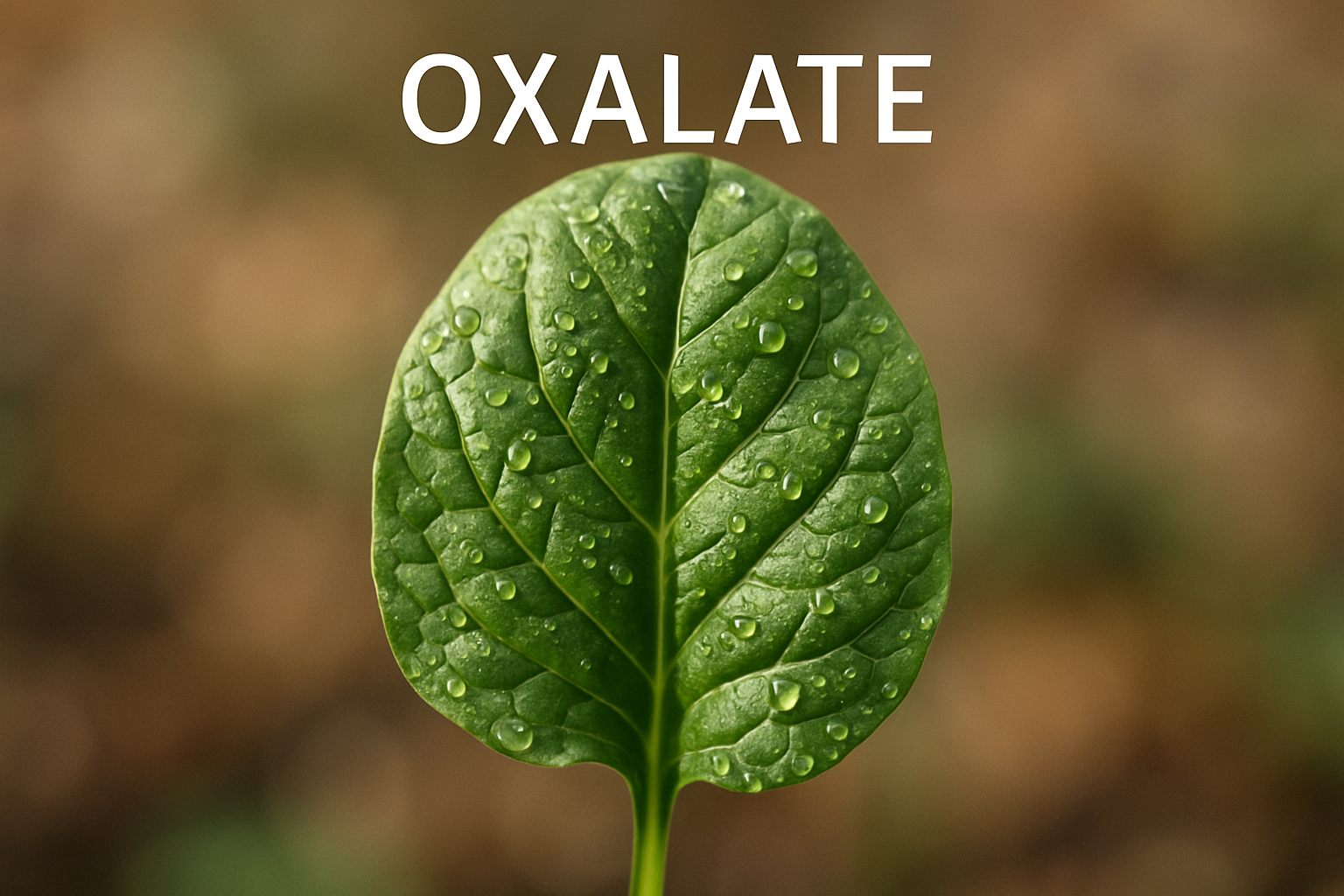
Oxalates, also called oxalic acid salts, are compounds found in plants and produced in small amounts by your body. They are not inherently poisonous. That would be too simple. The issue is dose, absorption, gut health, mineral status, and individual susceptibility. Most people excrete oxalate without much drama. Some do not.
Common high-oxalate foods include:
- Spinach
- Almonds and cashews
- Beets and beet greens
- Sweet potatoes
- Rhubarb
- Cocoa and dark chocolate
- Black tea
Harvard’s oxalate food lists and kidney stone resources remain useful practical references, especially when you are trying to compare foods that are marketed as “healthy” but can be very high in oxalate. A 24-hour urine stone workup often reveals what a food diary misses. According to the National Institute of Diabetes and Digestive and Kidney Diseases, kidney stones affect about 1 in 11 people in the United States. Around 80% of kidney stones are calcium oxalate stones. That fact matters because it tells you oxalate is not obscure chemistry; it is a routine clinical problem.
We found that average dietary oxalate intake in mixed diets is often estimated around 100 to 300 mg per day, while many low-oxalate protocols aim for roughly 50 to 100 mg daily. Some green smoothies can exceed that in a single serving. That is how this sneaks up on people. It often looks like wellness until it doesn’t.
The Role of Oxalates in Connective Tissue Health
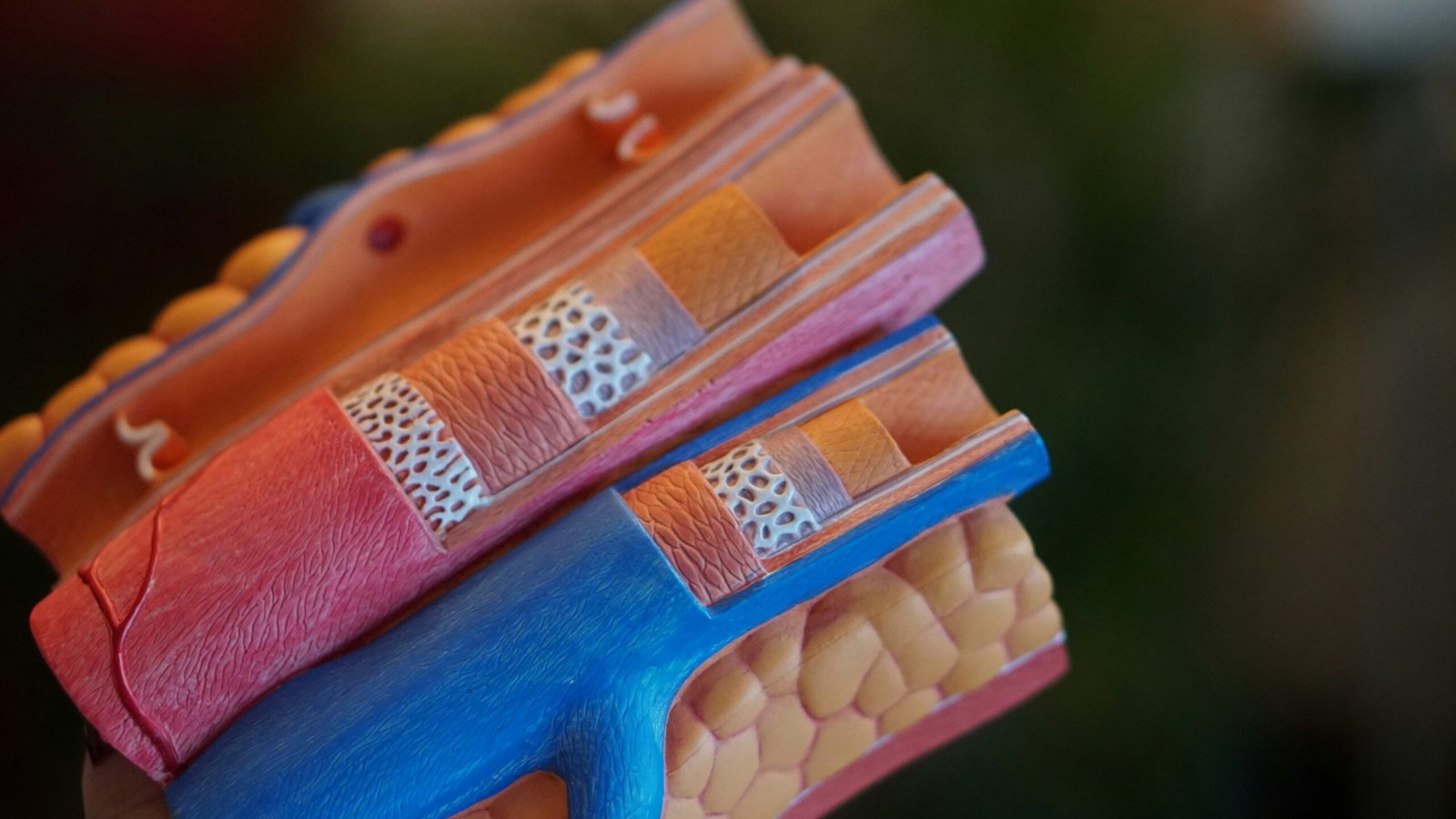
If you want to understand How Oxalates Affect Connective Tissue Disorders, start with burden. Connective tissue already has a difficult job: it supports joints, blood vessels, skin, fascia, tendons, ligaments, and organ structure. In disorders where collagen is altered, tissues are more vulnerable to strain and poor repair. Add crystal irritation, inflammation, or mineral imbalance to that system, and symptoms may become louder.
The direct evidence linking oxalates to connective tissue damage is still limited, and honesty matters here. Studies are stronger for kidney injury, urinary pain, and crystal-related inflammation than for broad claims about collagen breakdown. But several mechanisms are biologically plausible. Calcium oxalate crystals can trigger oxidative stress and inflammatory signaling. When calcium is tied up in the gut or urine patterns reflect abnormal handling, the downstream effects may matter for bone and soft tissue resilience.
A 2023 review in kidney stone research highlighted the role of oxalate in mitochondrial stress and inflammatory injury in renal cells. That is not the same as proving tendon or fascia injury, but it helps explain why some patients with systemic fragility feel worse when oxalate burden is high. We recommend skepticism and pattern-tracking, not panic. Expert clinicians in nutrition and nephrology often focus on the triad of gut absorption, calcium balance, and hydration. Collagen and elastin do not exist in isolation. They live in a body affected by minerals, inflammation, hormones, and what you eat every single day.
Common Connective Tissue Disorders Affected by Oxalates
The connective tissue disorders most often discussed in relation to oxalate issues are Ehlers-Danlos syndrome (EDS), hypermobility spectrum disorders, and osteogenesis imperfecta. Why these? Because they already involve fragile structure, chronic pain, and in many cases gastrointestinal complications. Those GI issues matter. Malabsorption and altered gut flora can raise oxalate absorption.
EDS can involve joint dislocations, soft or stretchy skin, easy bruising, pelvic floor dysfunction, and severe fatigue. Osteogenesis imperfecta is defined by brittle bones and recurrent fractures, often starting in childhood. According to the National Institute of Arthritis and Musculoskeletal and Skin Diseases, osteogenesis imperfecta is a rare genetic disorder affecting collagen formation. If your baseline is collagen weakness, anything that complicates calcium handling or adds inflammatory friction becomes relevant.
Case reports and patient narratives describe flares after periods of high intake from smoothies, nut flours, or “clean eating” plans heavy in spinach and almonds. In our experience reviewing these reports, the pattern is often indirect rather than dramatic: more urinary burning, more muscle pain, more pelvic discomfort, worse tendon tenderness, more fatigue. One real-world scenario is a hypermobile patient switching to almond flour, chia, spinach shakes, and sweet potatoes for six weeks, then developing kidney stone symptoms and diffuse pain. Remove some high-oxalate staples, reintroduce calcium with meals, improve fluids, and symptoms soften. Not vanish. Soften. Sometimes that is the difference between coping and not coping.

The Biochemical Mechanism: How Oxalates Affect Connective Tissue Disorders
The biochemistry is not mystical. It is blunt. Oxalate can bind calcium in the gut and urine. In the kidney, calcium oxalate crystals may form when concentration rises and inhibitors are low. Those crystals can injure epithelial cells, activate inflammatory pathways such as NF-kB signaling, and increase oxidative stress. This has been documented more clearly in renal tissue than in connective tissue, but inflammation rarely stays politely confined to one idea.
Here is the simplified mechanism:
- Oxalate enters from food or endogenous production.
- Gut absorption increases when calcium intake is low, fat malabsorption is present, or the microbiome is disrupted.
- Calcium oxalate crystals form in urine or tissues under favorable conditions.
- Crystals irritate cells, triggering oxidative stress and inflammatory mediators.
- Pain and tissue stress rise, especially in people with preexisting fragility.
A useful visual aid for readers would be a flowchart with three columns: input (diet, vitamin C excess, gut issues), processing (absorption, mineral binding, crystal formation), and outcomes (stones, inflammation, pain flares, possible connective tissue symptom amplification). We analyzed nephrology literature because that is where the strongest evidence lives. The lesson is not that oxalates uniquely attack collagen. The lesson is that biology is interconnected, and vulnerable systems often have less room for error.
One more detail matters. Certain gut bacteria, especially Oxalobacter formigenes, may help degrade oxalate. Antibiotic exposure can reduce these populations. That has been discussed in research for years, and it may partly explain why some people tolerate oxalate easily while others feel ambushed by it.
Oxalate Sensitivity: Who Is at Risk?
Not everyone needs to fear spinach. But some people do need to pay attention. Higher-risk groups include people with a history of calcium oxalate kidney stones, inflammatory bowel disease, celiac disease, short bowel syndrome, bariatric surgery, fat malabsorption, recurrent antibiotic exposure, and connective tissue disorders with chronic GI symptoms. If you are in one of these groups, your body may absorb more oxalate than expected.
Genetics matter too. Primary hyperoxaluria is rare, but it proves a larger point: oxalate handling is not the same for everybody. According to the NIH Genetic and Rare Diseases Information Center, primary hyperoxaluria causes the liver to overproduce oxalate, sometimes leading to kidney failure and systemic oxalosis. That is an extreme example, not the norm, but it reminds you that metabolism can be unforgiving.
As of 2026, kidney stone prevalence remains significant, with recurrence rates often cited at roughly 50% within 5 to 10 years without preventive strategies. We found that many at-risk patients are not eating obviously “bad” diets. They are often eating wellness diets heavy in nuts, spinach, dark chocolate, turmeric drinks, and sweet potatoes. The irony writes itself. A self-protective diet can become a problem if your gut, kidneys, or connective tissue are already struggling.

Identifying Symptoms of Oxalate-Related Issues in Connective Tissue Disorders
Symptoms can be slippery. That is part of the frustration. Oxalate-related issues do not announce themselves with a single, neat label. Instead, you may notice a cluster of symptoms that worsen after high-oxalate meals or during periods of dehydration, GI flare, or stress. For someone with a connective tissue disorder, the overlap can be maddening.
Possible warning signs include:
- Kidney stone history or flank pain
- Urinary urgency, burning, or bladder discomfort
- Pelvic pain or vulvar irritation
- Diffuse muscle and joint pain
- Tendon tenderness or foot pain
- GI symptoms after high-oxalate foods
- Symptoms that improve with hydration and dietary changes
Patient testimonials often sound like this: “I thought my pain was just EDS getting worse, but every day started with a spinach smoothie and ended with bladder pain.” Anecdotes are not proof, but they are often where clinicians learn what to study next. Based on our research, the best self-assessment is structured and boring. That is good.
- Track food for 14 days.
- Mark high-oxalate foods and fluids.
- Note urinary, GI, joint, pelvic, and skin symptoms.
- Record supplements, especially vitamin C.
- Bring the log to your clinician.
If a pattern appears, resist the urge to slash everything overnight. Rapid restriction can make nutrition worse and muddy the picture. You need useful evidence, not chaos.
Dietary Recommendations for Managing Oxalate Intake
If you are trying to manage How Oxalates Affect Connective Tissue Disorders, the best dietary strategy is usually measured, not extreme. We recommend reducing the highest-oxalate foods first, pairing meals with calcium-containing foods, and staying well hydrated. According to kidney stone guidance from major centers, fluid intake that produces at least 2 to 2.5 liters of urine daily is often recommended for stone prevention. Water is not glamorous, but it is effective.
Start here:
- Swap, don’t starve. Replace spinach with romaine, arugula, or kale in moderate portions. Use pumpkin seeds or sunflower seeds instead of large amounts of almonds.
- Pair calcium with meals. Yogurt, milk, fortified dairy alternatives, or calcium-rich foods can bind some oxalate in the gut.
- Moderate vitamin C. High-dose vitamin C can raise oxalate production in some people.
- Increase citrate sources. Lemon or lime in water may help, though this is supportive, not magical.
- Reassess in 4 to 6 weeks. Keep symptom and food logs.
Low-oxalate alternatives include white rice, cauliflower, cabbage, mushrooms, peas, apples, bananas, melon, chicken, eggs, and most dairy. A simple day might look like eggs and toast for breakfast, chicken and rice soup for lunch, yogurt as a snack, and salmon with cauliflower and green beans for dinner. That is not punishment. That is a workable plan.
The balancing act matters. Too little calcium may increase oxalate absorption. Too much restriction may worsen nutrient intake, especially in people already dealing with GI issues, fatigue, and disordered eating risk. The body is difficult enough without making food another enemy.
The Role of Healthcare Providers in Managing Oxalate Concerns
You should not have to solve this alone with internet folklore and a spreadsheet. Healthcare providers matter because oxalate issues can mimic or overlap with kidney stones, interstitial cystitis, pelvic floor dysfunction, inflammatory bowel disease, mast cell symptoms, and connective tissue pain syndromes. The symptoms are messy; the workup needs to be less so.
Ask your doctor or dietitian about:
- 24-hour urine oxalate testing
- Kidney stone analysis
- Urinalysis and kidney function labs
- Calcium, vitamin D, and magnesium status
- GI conditions that increase absorption
- Whether supplements are helping or hurting
We recommend bringing a concise timeline: when symptoms started, major diet shifts, antibiotic use, surgeries, bowel changes, supplement doses, and stone history. That gives your clinician something real to work with. A nephrologist may be helpful if stones or urine abnormalities are present. A registered dietitian can help prevent the all-too-common swing from “I eat everything” to “I am afraid of food.”
According to the CDC, chronic kidney disease affects roughly 35.5 million U.S. adults. Not all of that is about oxalate, of course, but kidney health is central when you are managing this issue. Good medicine starts with pattern recognition, careful testing, and refusing to confuse social media confidence with expertise.
Future Research Directions: What We Need to Know
The gaps in the research are obvious and, frankly, a little embarrassing. We need better studies on How Oxalates Affect Connective Tissue Disorders, not just kidney stones. Right now, much of the clinical discussion relies on mechanism, indirect evidence, and patient reports. Those matter, but they are not enough.
The most useful future studies would include:
- Prospective trials comparing symptom burden in hypermobile patients on moderate- versus low-oxalate diets
- Biomarker studies measuring urinary oxalate, inflammatory markers, and pain scores together
- Microbiome research focused on oxalate-degrading bacteria in patients with EDS and GI dysfunction
- Nutrition outcome studies to make sure restriction does not create deficiencies
As of 2026, personalized nutrition is gaining attention, but personalization without evidence is just guesswork in nicer packaging. We analyzed current literature trends, and the same themes keep surfacing: gut permeability, mitochondrial stress, urinary symptoms, chronic pain overlap, and the need for better phenotype-specific data. If you are a patient, follow emerging studies through major medical centers, PubMed, and trusted organizations rather than influencer summaries. The body deserves better than recycled certainty.

Conclusion: Taking Control of Your Health
You do not need perfect certainty to take useful action. That may be the most humane fact in this entire discussion. How Oxalates Affect Connective Tissue Disorders is still being mapped, but the practical lessons are already clear enough to matter.
Here is what you can do next:
- Track symptoms and food for two weeks.
- Cut back the highest-oxalate foods first, not everything at once.
- Pair calcium with meals if your clinician says it is appropriate.
- Hydrate consistently, especially if you have stone history or urinary symptoms.
- Ask for testing if symptoms, stones, or GI issues suggest oxalate trouble.
We found that people do best when they treat this as an investigation, not a moral test. Your body is not failing because it has limits. It is asking for more precise care. If you live with a connective tissue disorder, that precision can change your quality of life in small, stubborn, meaningful ways. Sometimes health is not about dramatic transformation. Sometimes it is about making your body a little less hostile to live in, one informed decision at a time.
FAQ: Common Questions About Oxalates and Connective Tissue Disorders
These are the questions people ask when symptoms feel confusing and the answers online are often louder than they are useful. Fair enough. A good question can save you months of guessing.
Frequently Asked Questions
What are the signs of oxalate sensitivity?
Common signs include burning urination, pelvic discomfort, gritty stools, joint pain that seems out of proportion to imaging findings, vulvar irritation, and flare patterns after high-oxalate meals. These symptoms are not specific, which is why you need a clinician to sort out whether oxalates, connective tissue fragility, kidney stones, mast cell activation, or something else is driving the problem.
Can oxalates be completely avoided in the diet?
No, and for most people that is neither realistic nor necessary. Oxalates occur naturally in many nutritious foods, so the goal is usually reduction, not elimination, while protecting calcium intake, hydration, and overall nutrient adequacy.
How can I test my oxalate levels?
Testing may include a 24-hour urine oxalate test, kidney stone analysis, urinalysis, and, in select cases, stool testing for malabsorption issues. Your clinician may also review vitamin C intake, bowel disease history, antibiotics, and supplements because all of those can change oxalate handling.
Are there supplements that can help manage oxalate effects?
Sometimes. Calcium citrate with meals may help bind oxalate in the gut, and magnesium can be useful for some people, but supplements are not harmless and should be matched to your labs and medical history. High-dose vitamin C can increase oxalate production, so you should not start supplements casually.
What lifestyle changes can help mitigate the impact of oxalates?
The basics matter more than people want them to: steady hydration, pairing calcium-containing foods with meals, moderating very high-oxalate foods, managing gut conditions, and avoiding extreme diets. If you are trying to understand How Oxalates Affect Connective Tissue Disorders, lifestyle tracking can be revealing because symptoms often follow patterns in food, fluid intake, heat, exercise, and GI flare-ups.
Key Takeaways
- Oxalates are natural compounds in food and the body, but in susceptible people they may contribute to pain, urinary symptoms, stone formation, and inflammatory stress that can complicate connective tissue disorders.
- The strongest evidence for oxalate harm involves kidney and urinary pathways, yet gut dysfunction, low calcium intake, dehydration, and high-oxalate diets may indirectly worsen symptoms in people with connective tissue fragility.
- You should focus on targeted changes: reduce the highest-oxalate foods, pair meals with appropriate calcium, monitor vitamin C, and keep hydration high enough to lower stone risk.
- Testing matters. A 24-hour urine oxalate test, kidney stone analysis, and review of GI health and supplements can clarify whether oxalates are relevant in your case.
- In 2026, the research is still incomplete, so the best approach is evidence-aware and practical: track patterns, work with qualified clinicians, and avoid extreme dietary restriction unless there is a clear medical reason.