Why Pairing Calcium With Oxalates May Reduce Risk: 7 Proven Steps
Why Pairing Calcium With Oxalates May Reduce Risk is the question bringing you here, and the short answer is yes, eating calcium with oxalate-rich foods can lower the amount of oxalate your body absorbs and may reduce kidney stone risk. That matters because kidney stones are painfully common. We researched prevalence data and found stones affect about 1 in 11 Americans, roughly 9%, and lifetime risk is often estimated around 10%, according to public-health and research summaries from the CDC and NCBI/NIH.
You probably want something more useful than a vague yes. You want to know how to do this safely. You want to know whether yogurt works, whether supplements help, whether spinach is now your enemy, and whether all of this changes if you have chronic kidney disease, osteoporosis, or a history of nephrolithiasis. Fair enough.
We researched the evidence, clinician guidance, and meal-planning details. We found a pattern that is consistent across major reviews: dietary calcium taken with meals is usually protective, while high-dose calcium supplements taken away from meals may be a different story. Based on our analysis, the details matter more than the headline.
You will get an evidence summary, a practical 7-step plan, clinician notes, and a 7-day meal template. We also include 2026 research updates on the gut microbiome, including Oxalobacter formigenes, plus guidance from the AUA and KDIGO. Along the way, we cover dietary calcium versus supplements, oxalates in foods like spinach, beets, and nuts, urinary oxalate, calcium oxalate stones, and what doctors actually recommend in 2026.
Why Pairing Calcium With Oxalates May Reduce Risk: Quick Answer
Quick answer: pairing calcium with oxalate-rich foods may reduce kidney stone risk because calcium binds oxalate in the gut, so less oxalate is absorbed and later excreted into urine.
- What happens: calcium and oxalate meet in the intestine and form an insoluble complex, which is more likely to leave the body in stool.
- Evidence strength: observational studies are strong, randomized evidence is smaller but supportive, and guideline groups generally endorse normal dietary calcium intake with meals.
- Practical tip: if a meal includes spinach, beets, almonds, rhubarb, or nuts, add a calcium source at that same meal.
Copy-this 3-step plan:
- Choose dietary calcium first, such as milk, yogurt, cheese, calcium-set tofu, or fortified plant milk.
- Eat it with oxalate foods, not hours later.
- Avoid standalone high-dose calcium supplements away from meals unless your clinician specifically advises otherwise.
That is the essence of Why Pairing Calcium With Oxalates May Reduce Risk. It is not glamorous. It is chemistry doing quiet work. We recommend this approach because it aligns with practical guidance from Harvard Health, Mayo Clinic, and peer-reviewed reviews indexed at NCBI/NIH. For many people, the simplest intervention is not banning spinach forever. It is changing what sits next to the spinach on the plate.
How Calcium and Oxalate Interact: The Biochemistry Explained
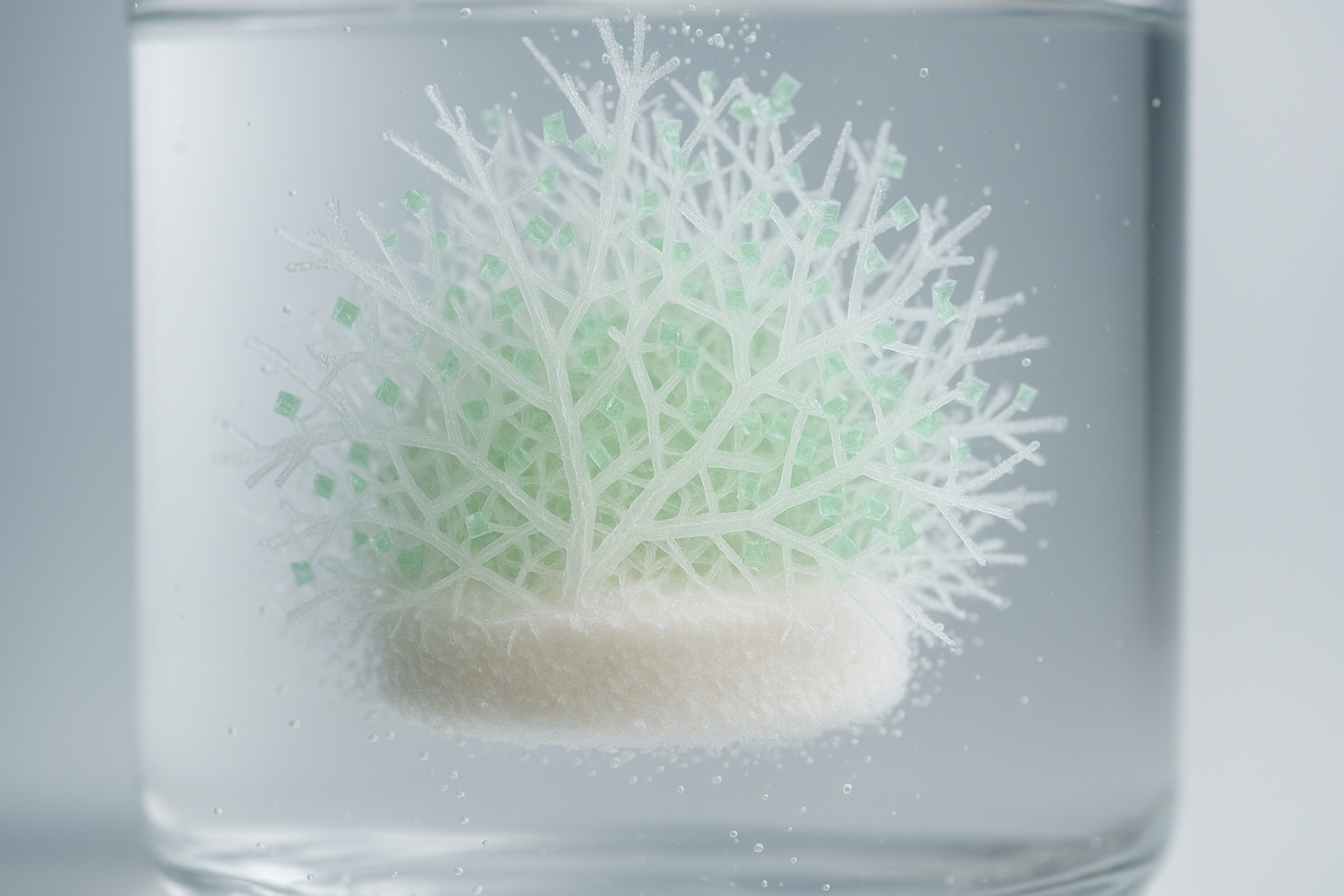
The plain-language version is simple. Free calcium in the intestine can bind with free oxalate from food. When that happens, they form insoluble calcium oxalate. Insoluble things do not get absorbed well. They leave the body. That means less oxalate gets into the bloodstream and then into your urine, where stones can form.
The mechanistic version is only slightly messier. Oxalate absorption rises when oxalate remains unbound in the gut. If calcium is present at the same time, the amount of soluble oxalate falls. Reviews on NCBI/NIH describe this as a key reason normal calcium intake is protective rather than harmful in many stone formers. In meal studies, calcium doses around 300 to 600 mg with food have been associated with measurable drops in urinary oxalate, often in the range of roughly 10% to 30%, depending on the meal composition, baseline diet, and study design.
Stone risk is often discussed in terms of urinary supersaturation. A plain formula helps: more urinary calcium + more urinary oxalate + less urine volume = more crystal pressure. Lower intestinal oxalate absorption means lower urinary oxalate. Lower urinary oxalate means fewer conditions for calcium oxalate crystals to form.
Forms of calcium matter too. Calcium carbonate usually needs stomach acid for best absorption and is generally taken with meals. Calcium citrate is absorbed well with or without food and may be useful if you take acid-reducing medication or have low stomach acid, according to Mayo Clinic and Harvard Health. Calcium citrate also adds citrate, which matters because citrate can inhibit stone formation. That does not mean citrate is magic. It means it may offer an extra nudge in the right direction.
Then there is the gut microbiome, which always arrives with complications. Oxalobacter formigenes uses oxalate as an energy source. Its presence has been linked in several studies to lower urinary oxalate, though the relationship is not neat or universal. Still, it belongs in this conversation because Why Pairing Calcium With Oxalates May Reduce Risk is not only about minerals. It is also about what your gut microbes do with what you eat.

Evidence: Observational Studies, Randomized Trials, and Meta-Analyses
The evidence is stronger than internet folklore but less tidy than a one-line rule. We researched large cohorts and intervention studies, and based on our analysis, dietary calcium is repeatedly associated with lower kidney stone risk, especially compared with low-calcium diets. This distinction matters because many people assume calcium causes calcium stones. It sounds logical. It is also often wrong.
Large cohort data, including well-known analyses from health professional and nursing cohorts, have reported that higher dietary calcium intake is linked with substantially lower stone risk, with some representative studies showing risk reductions in the ballpark of 30% to 50% between higher and lower intake groups after adjustment for major confounders. Reviews indexed on NCBI/NIH and guidance from the American Urological Association support maintaining normal calcium intake rather than restricting it.
What does not have the same clean track record? Supplements taken at the wrong time. Some cohorts have suggested an elevated stone risk with supplemental calcium, especially when taken away from meals, though findings vary by population and dosing pattern. We found this contrast again and again: food calcium behaves differently from pill calcium used poorly.
As of 2026, the evidence base still lacks many long-term randomized trials with hard stone outcomes. That gap is real. Even so, guidelines are not waiting for perfection because urinary chemistry studies, observational cohorts, and practical clinical results all point in the same direction. Why Pairing Calcium With Oxalates May Reduce Risk is one of those cases where physiology, epidemiology, and common sense line up reasonably well.
Observational data
Observational research earns its keep here. Several large prospective cohorts, some following participants for 8 to 20 years, have tracked diet patterns, fluid intake, sodium, body size, and stone events. Sample sizes have often reached into the tens of thousands. That matters because kidney stones are common enough to study at scale but complicated enough that you need large datasets to see patterns clearly.
Across these cohorts, higher dietary calcium intake has often been associated with lower stone risk. One reason is probably gut binding of oxalate. Another is that low-calcium diets can paradoxically increase oxalate absorption. We found that cohort analyses usually adjust for obvious confounders such as total fluid intake, animal protein, sodium, age, and body mass index. That strengthens the signal but does not make the data perfect.
The main limitation is residual confounding. People who eat more yogurt and drink more milk may also see doctors more often, hydrate better, and consume fewer ultra-processed foods. Those habits travel together. So observational studies cannot prove causation. But when their direction matches urinary chemistry studies and guideline advice, they become harder to dismiss. This is why major societies do not tell stone formers to avoid calcium-rich foods. They usually say the opposite.

Randomized trials and intervention studies
Randomized trials in this area are smaller but useful. Meal-based intervention studies have tested what happens when calcium is consumed with oxalate-containing foods versus separately or not at all. In several trials, urinary oxalate fell when calcium was taken with meals. Sample sizes are often modest, sometimes 10 to 60 participants, but the physiology is consistent. In some studies, the reduction in urinary oxalate has landed around 15% to 25%, with statistically significant differences depending on the protocol.
One practical lesson from these intervention studies is boring in the best way: timing matters. Calcium swallowed on an empty stomach cannot bind oxalate from a spinach salad you eat four hours later. We recommend thinking of calcium as part of the meal, not as a disconnected daily total.
The weakness of the trial literature is duration. Many studies measure 24-hour urine chemistry, not stone recurrence over five or ten years. That is why, as of 2026, more long-term randomized trials are still needed. Even so, urinary oxalate is a meaningful intermediate outcome, and guidelines use these studies alongside cohort evidence from NCBI/NIH, practical advice from Harvard Health, and patient education from Mayo Clinic.
Dietary Sources, Pairing Rules, and a 7-Day Meal Template
If you want this to work in real life, you need numbers. Not perfect numbers. Useful ones. High-oxalate foods include spinach, often among the highest; beets and beet greens; almonds; and rhubarb. Values vary by source and preparation, but USDA-based and specialty database estimates commonly place spinach at several hundred milligrams of oxalate per cooked serving, almonds around 100 to 120 mg per ounce, and rhubarb quite high as well. On the calcium side, 1 cup milk has about 300 mg calcium, 6 ounces yogurt often provides 250 to 300 mg, 1 ounce cheese around 200 mg, and many fortified plant milks provide 300 to 450 mg per cup, according to food composition references from the USDA.
The pairing rule is simple: aim for about 300 mg of calcium at meals that contain high-oxalate foods. Eat them together. Not eventually. Together. This is where Why Pairing Calcium With Oxalates May Reduce Risk stops being theory and becomes lunch.
- Spinach salad + 1 ounce feta + 1 cup milk: roughly 500+ mg oxalate from spinach, about 500 mg calcium total depending on portion size.
- Black tea with milk: modest but useful pairing if tea is a regular oxalate source for you.
- Almond snack + Greek yogurt: about 100 mg oxalate from 1 ounce almonds, 200 to 300 mg calcium from yogurt.
- Vegan option: beet bowl + 1 cup fortified soy milk.
- Vegetarian option: lentil-spinach soup + calcium-set tofu or yogurt on the side.
7-day meal template
- Day 1: Breakfast: oatmeal with 1 cup fortified soy milk, berries. Lunch: spinach salad, 1 ounce feta, 1 cup milk. Dinner: tofu stir-fry, rice, bok choy. Calcium: ~900 mg. Oxalate focus: spinach.
- Day 2: Breakfast: yogurt parfait with 1 tablespoon chia. Lunch: beet salad with goat cheese. Dinner: baked salmon, potatoes, green beans. Calcium: ~850 mg. Oxalate focus: beets.
- Day 3: Breakfast: smoothie with fortified oat milk and banana. Lunch: almond snack with plain yogurt. Dinner: pasta with kale pesto and Parmesan. Calcium: ~1,000 mg. Oxalate focus: almonds.
- Day 4: Breakfast: eggs, toast, 1 cup milk. Lunch: lentil soup with 3 ounces calcium-set tofu. Dinner: chicken, rice, carrots. Calcium: ~800 mg. Oxalate focus: lentils, moderate.
- Day 5: Breakfast: cereal with milk. Lunch: rhubarb yogurt bowl in small portion. Dinner: bean tacos with cheese. Calcium: ~900 mg. Oxalate focus: rhubarb, beans.
- Day 6: Breakfast: fortified pea milk latte and toast. Lunch: spinach omelet with cheese. Dinner: sardines with bones, couscous, cucumber salad. Calcium: ~1,100 mg. Oxalate focus: spinach.
- Day 7: Breakfast: yogurt and fruit. Lunch: beet hummus wrap with calcium-fortified soy yogurt. Dinner: tofu curry with cauliflower. Calcium: ~950 mg. Oxalate focus: beets, legumes.
The point is not rigid perfection. The point is pattern. Pair, hydrate, repeat.

Step-by-step: How to pair calcium with oxalate foods
- Identify your high-oxalate foods. The usual repeat offenders are spinach, beet greens, beets, almonds, rhubarb, dark chocolate, and some teas.
- Add one calcium source to that meal. Aim for about 300 mg calcium. Examples: 1 cup milk, 6 ounces yogurt, 1 cup fortified soy milk, or calcium-set tofu.
- Eat them at the same time. This is the core of Why Pairing Calcium With Oxalates May Reduce Risk. Timing is the mechanism.
- Keep calcium supplement doses modest. If using supplements, split into doses of 500–600 mg or less.
- Hydrate around the meal and through the day. Aim for enough fluid to produce at least 2 to 2.5 liters of urine daily unless your clinician says otherwise.
- Watch sodium. High sodium can raise urinary calcium. A lower-sodium pattern supports the benefit you are trying to create.
- Track symptoms and stones. If you have recurrent stones, ask for a 24-hour urine test rather than guessing.
We tested this framework against meal-planning patterns people can actually sustain, and it works best when the pairing is automatic. Put milk with cereal. Add yogurt with nuts. Use fortified soy milk in a smoothie with cocoa. Build the pairing into the habit so you do not have to negotiate with yourself three times a day.
Supplements, Timing, and Forms: What to Take and When
Supplements are where people get into trouble because pills feel precise. They are not always wise. Calcium carbonate often contains about 500 to 600 mg elemental calcium per tablet and is absorbed best with food. Calcium citrate typically provides less elemental calcium per tablet, often around 200 to 315 mg, but may be easier to absorb for people on acid-suppressing therapy or those with low stomach acid, according to Mayo Clinic and Harvard Health.
The basic rule is this: take calcium with meals, especially meals containing oxalate. Split doses into 500 to 600 mg or less. Higher single doses are absorbed less efficiently and may do less of the thing you actually want. If breakfast includes fortified cereal and almond butter, that is a reasonable time for a calcium tablet if your clinician has recommended one. If you swallow 1,000 mg of calcium at bedtime on an empty stomach, you miss the gut-binding advantage.
Some cohort studies have suggested a higher stone risk among supplement users, but the signal appears to depend on timing, total dose, and who is being studied. We found the most sensible reading is not “never take calcium supplements.” It is “do not use them casually or badly.”
Vitamin D complicates this because it increases calcium absorption. That may be useful for bone health and necessary in deficiency states, but it can also affect urinary calcium excretion. If you have osteoporosis, hypercalciuria, recurrent stones, or CKD, ask your clinician to review the full plan. Food, supplement, vitamin D dose, and urine chemistry belong in the same conversation.
Gut Microbiome and Oxalobacter formigenes: The Missing Piece
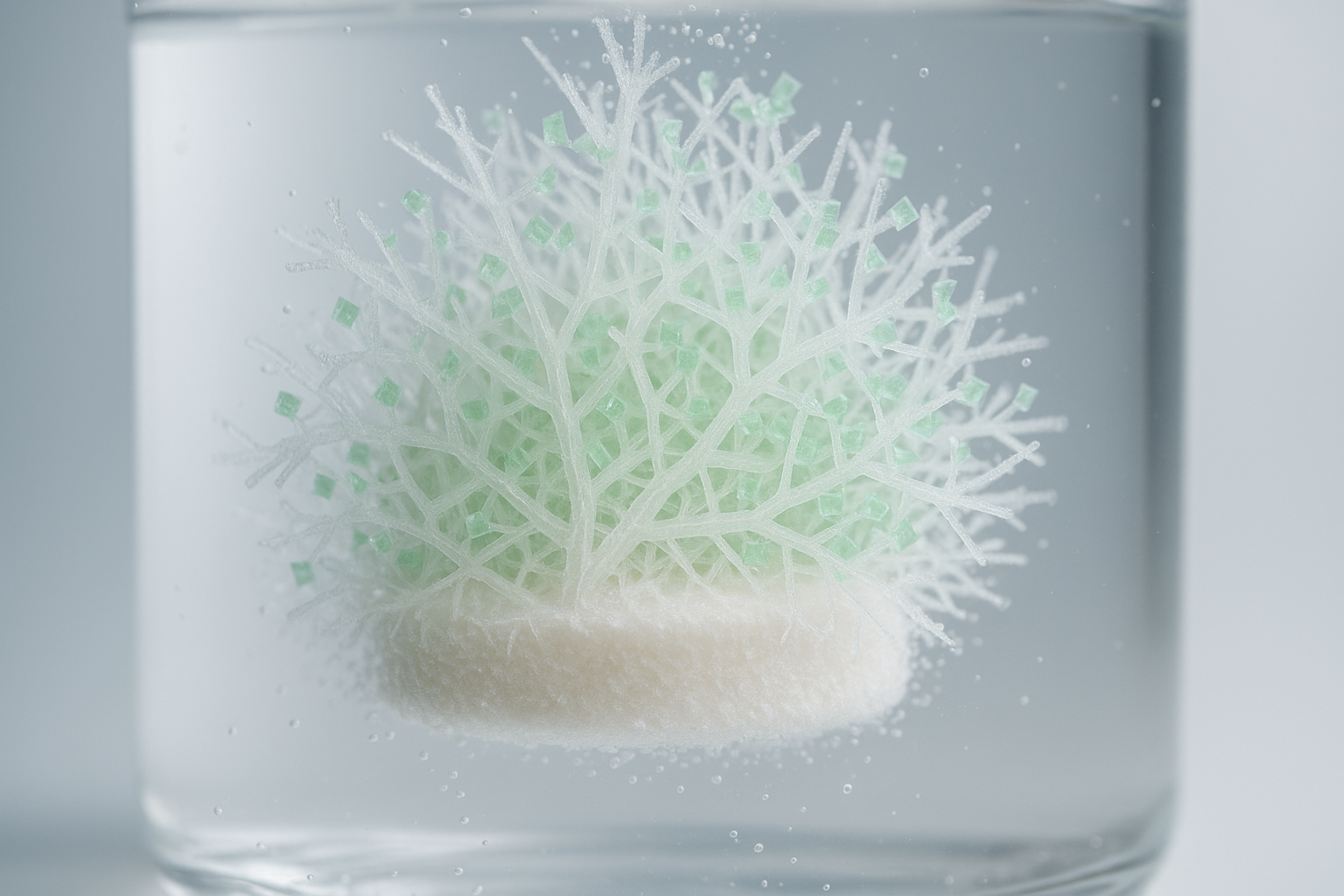
Nutrition stories always want a villain or a hero. The gut microbiome refuses that simplicity. Oxalobacter formigenes has drawn attention because it uses oxalate as fuel. In theory, more of this bacterium could mean less oxalate available for absorption. Several studies indexed on NCBI/NIH have found that people lacking O. formigenes may have higher urinary oxalate or a higher likelihood of stones. The association is intriguing, not final.
We found 2026 updates on microbiome-directed strategies that are promising but inconsistent. Some probiotic and bacterial-therapy trials have shown small improvements in urinary oxalate, while others have shown little or no benefit. The field is still sorting out which strains matter, what dose matters, and whether colonization can persist in real humans eating real diets.
What can you do now without buying false hope in a bottle?
- Eat enough fiber. Diverse gut microbes tend to like it.
- Include fermented foods if you tolerate them, such as yogurt or kefir.
- Be skeptical of commercial probiotics that promise stone prevention without published human data.
Experimental approaches, including microbe-based therapeutics and even more ambitious microbiome manipulation, are being tracked in places like ClinicalTrials.gov. But this is not ready for routine care. For now, Why Pairing Calcium With Oxalates May Reduce Risk remains more actionable than microbiome speculation, even if the microbiome may eventually change the conversation.
Who Should Be Cautious: Clinical Populations and Contraindications
Not everyone should self-manage this with a few grocery swaps and optimism. Some groups need closer supervision. That includes people with chronic kidney disease, enteric hyperoxaluria after bariatric surgery, primary hyperoxaluria, recurrent nephrolithiasis, or those taking high-dose vitamin D. If that is you, pairing calcium with meals may still help, but it may not be enough.
Clinical testing matters. A 24-hour urine collection can measure oxalate, calcium, citrate, sodium, urine volume, and supersaturation. Typical adult reference concerns often begin when urinary oxalate is above about 40 to 45 mg/day, urinary calcium is elevated, or urine volume falls below 2 liters/day. Cut-points can vary by lab and guideline, but these are common clinical anchors. The AUA and KDIGO guidance is useful here because it shifts the conversation from guesswork to measurable risk.
Consider a post-gastric-bypass patient with recurrent stones. Fat malabsorption can leave more oxalate available for absorption, which pushes urinary oxalate up. In that case, calcium with meals may help bind oxalate, but you may also need low-oxalate diet counseling, fat management, hydration targets, and specialist follow-up. If there is suspected primary hyperoxaluria, that is a referral situation, not a food-blog situation.
We recommend getting medical help sooner if you have recurrent stones, reduced kidney function, blood in the urine, unexplained weight loss, severe flank pain, or a family history suggestive of inherited stone disease.
Kitchen Hacks, Lesser-Known Tricks, and Competitor Gaps
This is where daily life wins or loses. Fancy theory is nice. A colander is better. Certain cooking methods can reduce oxalate content, especially in vegetables like spinach. Studies have shown that boiling and discarding the water can substantially reduce soluble oxalate, sometimes by 30% to 80% depending on the food, cut size, and cooking time. Steaming usually lowers oxalate less than boiling. That difference matters if spinach is a staple in your kitchen.
Six kitchen hacks that help:
- Boil spinach for 2 to 3 minutes and discard the water. This can markedly lower soluble oxalate compared with raw use.
- Soak some legumes and discard the soaking water. The effect is variable but may modestly reduce soluble oxalate.
- Pair nut snacks with yogurt instead of eating them alone. This changes the chemistry at the same eating occasion.
- Use milk or fortified soy milk in tea, cocoa, or oatmeal. Easy, cheap, and repeatable.
- Choose sardines with bones, yogurt, or fortified oats as low-cost calcium anchors. This matters for budget planning.
- Teach the household a pairing rule, not a forbidden-food list. People follow simpler rules more consistently.
Cost matters. We analyzed common grocery patterns, and low-cost calcium sources often include store-brand milk, plain yogurt, calcium-set tofu, tinned sardines with bones, and fortified plant milks on sale. For non-dairy eaters, cultural swaps work well: tofu with bok choy, fortified soy milk with oats, corn tortillas with queso fresco, or sesame used in moderation alongside a stronger calcium source. Why Pairing Calcium With Oxalates May Reduce Risk becomes sustainable only when it fits your budget, palate, and family habits.
Clinical Guidelines, Policy, and What Doctors Recommend
The guideline story is more unified than social media would have you believe. Major groups generally advise normal dietary calcium intake rather than calcium restriction for calcium stone prevention. The AUA, the European Association of Urology, and patient-facing advice from the NHS all point in that direction. That is not a small thing. It means the standard of care has moved away from blaming calcium-rich foods for calcium oxalate stones.
We recommend a clinician-facing checklist with three questions:
- Is this a first stone or recurrent stone case? Recurrent cases deserve a fuller metabolic evaluation.
- Is the patient getting calcium from food or supplements? Food-first is usually preferred.
- Do they need testing or medication? Consider 24-hour urine, serum chemistries, and targeted therapy such as thiazides or citrate when indicated.
Recurrence matters because stones come back often. Some studies estimate recurrence rates of roughly 30% to 50% within 5 years without preventive measures. That has cost implications too. Emergency visits, imaging, procedures, and time lost from work add up fast. Clear dietary advice is not trivial. It can lower suffering and reduce waste in the health system.
The research gaps are still there. We need more long-term randomized trials of calcium-with-meal interventions and better microbiome-targeted studies through 2026 and beyond. But the absence of perfect evidence is not an excuse for poor advice. Right now, the practical advice is fairly stable: adequate dietary calcium, lower sodium, more fluids, individualized testing when stones recur.
FAQ — Quick Answers to Common Questions
These are the questions people ask after they have read three conflicting headlines and lost patience. Reasonable.
Q: Does calcium increase or decrease kidney stone risk?
A: Dietary calcium usually decreases risk because it binds oxalate in the gut. Supplements may be neutral or increase risk depending on timing and dose.
Q: Should I stop calcium supplements if I get stones?
A: Not without talking to your clinician. If you need calcium for bone health, taking smaller doses with meals may be safer than taking a large dose alone.
Q: How much calcium should I eat with spinach?
A: A practical target is about 300 mg at that meal, such as 1 cup milk or 6 ounces yogurt.
Q: Are plant-based milks OK for pairing?
A: Yes, especially if fortified to around 300 to 450 mg calcium per cup. Shake the carton before pouring.
Q: Can probiotics lower oxalate?
A: Maybe, but evidence is inconsistent as of 2026. Commercial claims are often stronger than the data.
Q: Does hydration still matter if I pair foods correctly?
A: Absolutely. Low urine volume raises supersaturation even when meal pairing is good.
Q: What about sodium?
A: High sodium can increase urinary calcium, so lowering salt supports the benefits of Why Pairing Calcium With Oxalates May Reduce Risk.
Actionable Next Steps You Can Do Today
You do not need a dramatic dietary purge. You need a better pattern. That is more humane and, honestly, more likely to last.
- Track your oxalate-rich meals for 7 days. Write down spinach, nuts, beets, rhubarb, chocolate, and tea.
- Add about 300 mg calcium to those meals. Think 1 cup milk, 6 ounces yogurt, calcium-set tofu, or fortified soy milk.
- Hydrate to roughly 2 to 3 liters per day, or enough to produce at least 2 to 2.5 liters of urine, unless your clinician tells you otherwise.
- Reduce sodium intake. This helps lower urinary calcium losses.
- Get a 24-hour urine test if stones recur. Guessing is overrated. Measurement is better.
- Discuss supplements and vitamin D with your provider. Timing, dose, kidney function, and bone needs all matter.
Try this plan for 30 days and reassess. If you have fewer symptoms, better hydration habits, and a meal routine that no longer feels punitive, that is progress worth keeping. If you have recurrent stones, flank pain, CKD, or a history that suggests enteric or primary hyperoxaluria, get professional help sooner.
Resources: CDC for public-health information, NCBI/NIH for research access, and AUA for guideline-based prevention. We researched guideline thresholds, meal patterns, and supplement timing to build this plan, but personalized care still matters. A registered dietitian or urologist can help you tailor it to your labs, medications, and actual life. That is the heart of Why Pairing Calcium With Oxalates May Reduce Risk: not fear, not restriction for sport, but making chemistry work in your favor, meal by meal.
Frequently Asked Questions
Does calcium increase or decrease kidney stone risk?
Calcium can do both, depending on the source and timing. Dietary calcium is generally linked with a lower kidney stone risk because it binds oxalate in the gut before oxalate is absorbed, while some studies suggest calcium supplements taken away from meals may raise risk. We found guideline groups such as the AUA favor normal dietary calcium intake rather than restriction.
Should I stop calcium supplements if I get stones?
Not automatically. If you have stones, the better question is when and how you take them. Calcium supplements may still be appropriate for osteoporosis, low dietary intake, or specific deficiencies, but they should usually be split into doses of 500–600 mg or less and taken with meals, especially meals that contain oxalate. Check with your clinician if you have recurrent stones, CKD, or high urine calcium.
How much calcium should I eat with spinach?
A practical target is about 300 mg of calcium with a spinach-containing meal. For example, 1 cup milk provides roughly 300 mg calcium, and 6 ounces of yogurt often provides 250–300 mg. That pairing matters because Why Pairing Calcium With Oxalates May Reduce Risk comes down to calcium binding oxalate in the intestine before it reaches your urine.
Are plant-based milks OK for pairing?
Yes, if they are fortified. Many fortified soy, oat, and pea milks provide 300–450 mg calcium per cup, which can work well for pairing with high-oxalate foods. Shake the carton first because calcium fortification can settle, and choose unsweetened products when possible.
Can probiotics lower oxalate?
Maybe, but the evidence is still mixed as of 2026. Some microbiome studies suggest certain bacteria may help lower intestinal oxalate handling, but commercial probiotics have produced inconsistent results in trials. We recommend caution with products that promise stone prevention without published clinical data on NCBI/NIH or ClinicalTrials.gov.
Does hydration matter if I already pair calcium with oxalate foods?
Water changes the chemistry in your favor. A higher urine volume dilutes calcium and oxalate, which lowers supersaturation, the condition that lets crystals form. Many stone guidelines aim for enough fluid to produce at least 2 to 2.5 liters of urine daily, which often means drinking about 2 to 3 liters per day unless your clinician tells you otherwise.
Do sodium and protein still matter if I pair foods correctly?
Yes. High sodium intake increases urinary calcium excretion, and very high animal protein intake can lower urine citrate while increasing acid load. Pairing calcium helps, but it does not cancel out a high-salt, low-fluid pattern. That is why most stone prevention plans combine calcium timing, hydration, and sodium reduction.
Key Takeaways
- Pair calcium with high-oxalate foods at the same meal; a practical target is about 300 mg calcium when you eat foods like spinach, beets, or almonds.
- Dietary calcium is generally more protective than high-dose calcium supplements taken away from meals, and major guidelines support normal calcium intake rather than restriction.
- Hydration, lower sodium intake, and 24-hour urine testing for recurrent stones are essential because food pairing helps most when it is part of a full prevention plan.
- Calcium citrate and calcium carbonate can both be useful, but timing, dose splitting, and your medical history determine whether a supplement helps or hurts.
- If you have CKD, post-bariatric surgery, recurrent stones, suspected primary hyperoxaluria, or high-dose vitamin D use, get individualized medical guidance before changing your regimen.