

Can Oxalates Aggravate IBS or IBD Symptoms? The Ultimate Guide in 2026
You are here because your gut is making demands, and because food can feel less like nourishment and more like negotiation. Can Oxalates Aggravate IBS or IBD Symptoms? Sometimes, yes. Not for everyone. Not in the same way. But often enough that the question deserves a serious answer.
Oxalates are natural compounds in plant foods. IBS, or irritable bowel syndrome, is a functional gut disorder that can bring bloating, cramping, diarrhea, constipation, or all of the above. IBD, or inflammatory bowel disease, includes Crohn’s disease and ulcerative colitis, and unlike IBS, it involves measurable inflammation and tissue damage. According to the CDC, an estimated 3.1 million U.S. adults reported having IBD in 2015. IBS is even more common; research published by the NIDDK notes that about 12% of people in the United States have IBS.
Based on our research, diet often shapes symptoms more than patients are told at the start. We found that oxalates matter most when you already have a vulnerable digestive system, fat malabsorption, frequent diarrhea, bowel surgery, or a history of kidney stones. In 2026, that matters because more patients are trying elimination diets without enough guidance. You deserve something better than guesswork.

Introduction
Oxalates sound obscure until they don’t. They show up in spinach smoothies, almond flour crackers, roasted beets, peanuts, dark chocolate, and even some “healthy” meal plans people adopt when they are trying to calm their gut. Then the symptoms persist. Or get louder. That is when the question returns: Can Oxalates Aggravate IBS or IBD Symptoms?
The short answer is that oxalates are unlikely to be the only trigger, but they can be one piece of a messy puzzle. IBS tends to involve altered gut-brain signaling, visceral hypersensitivity, and changes in motility. IBD is different. It is inflammatory, chronic, and can lead to complications like strictures, anemia, malnutrition, and increased colorectal cancer risk in some patients. The Crohn’s & Colitis Foundation explains that Crohn’s disease may affect any part of the digestive tract, while ulcerative colitis affects the colon and rectum.
We analyzed current evidence and clinical guidance to see where oxalates fit. We found that oxalates may aggravate symptoms indirectly through irritation, fat malabsorption, altered microbiome balance, and kidney stone risk, particularly in IBD. For IBS, the connection is less direct but still meaningful for some people with food sensitivities and overlapping dietary triggers. If your symptoms feel random, they may not be random at all.
Understanding Oxalates: What Are They?
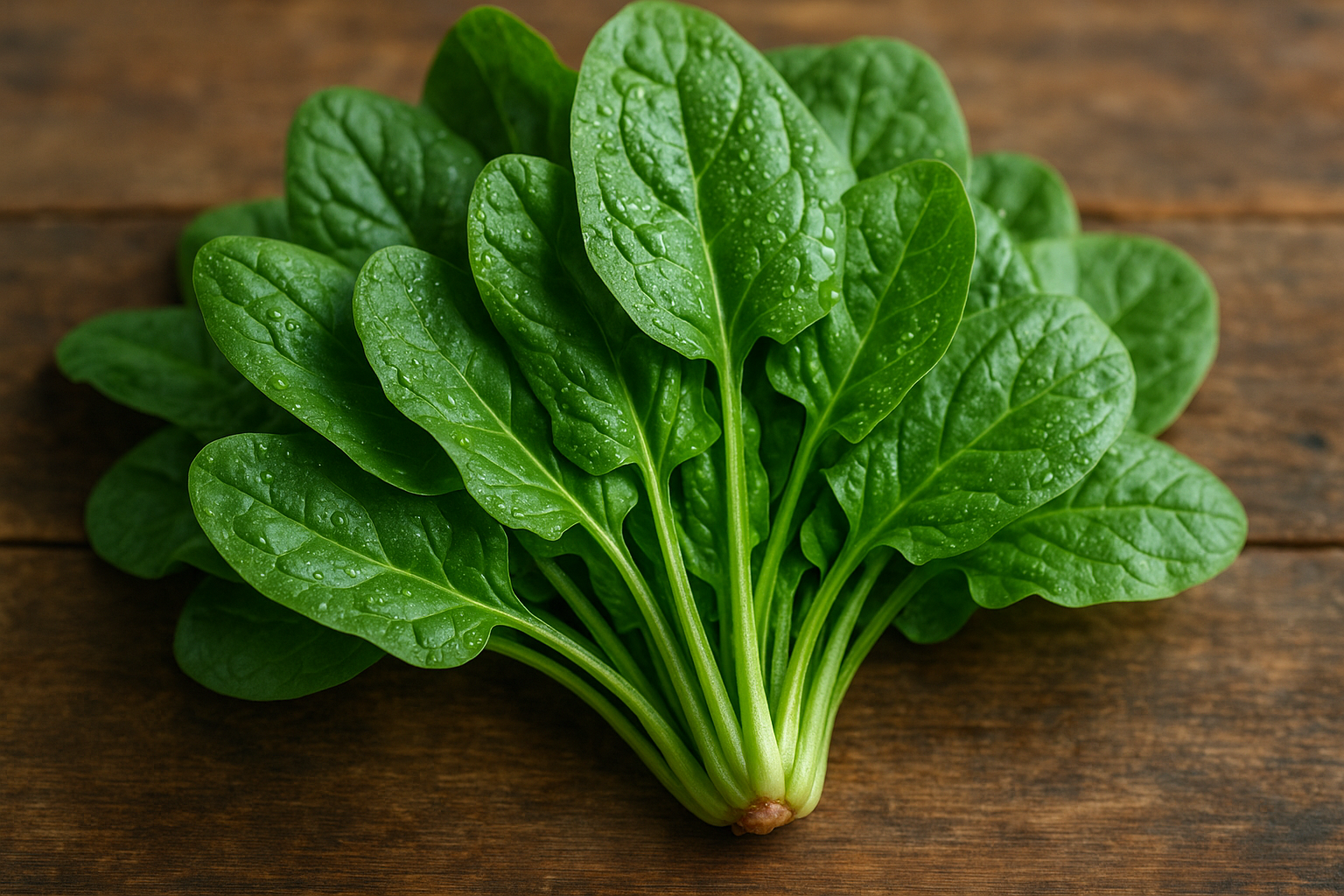
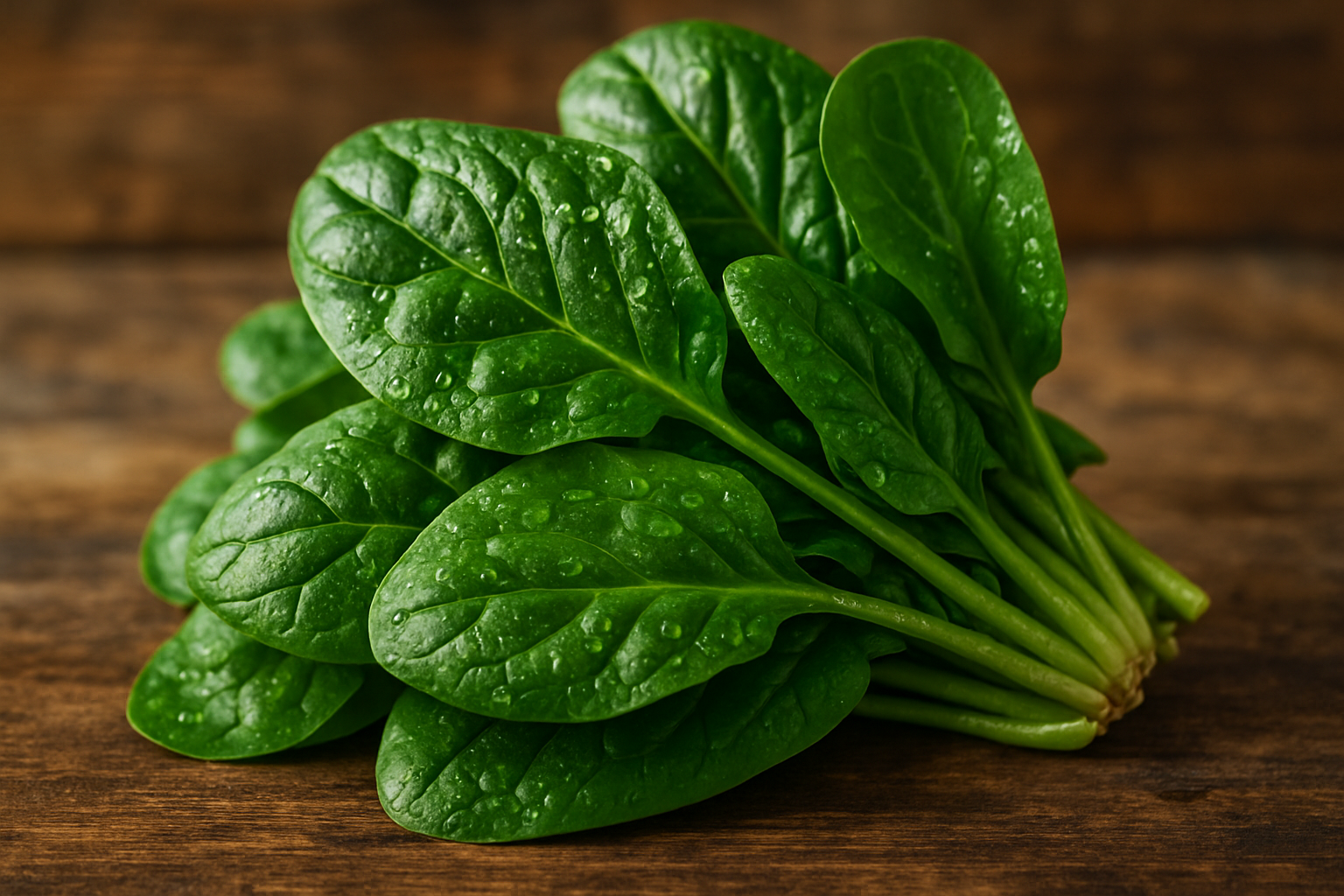
Oxalates, also called oxalic acid or oxalate salts, are compounds found naturally in many plants. Some foods have modest amounts. Others are loaded with them. The usual high-oxalate list includes spinach, rhubarb, almonds, cashews, beets, sweet potatoes, wheat bran, dark chocolate, and black tea. Your liver can also make oxalate on its own. So this isn’t just about food. It is about intake, absorption, and what your body does next.
Most people can eat oxalate-containing foods without obvious problems. In the gut, oxalates may bind to calcium and leave the body in stool. Trouble begins when oxalate absorption rises. That can happen when you have chronic diarrhea, bile acid malabsorption, pancreatic insufficiency, short bowel syndrome, or active IBD. According to the NIDDK, calcium oxalate stones are the most common type of kidney stone. Studies generally estimate they account for about 75% to 80% of cases.
Based on our analysis, one of the more useful ways to understand oxalates is this: they are not villains, but they can become opportunistic. A 2024 review in nutritional and nephrology literature noted that boiling can reduce oxalate in some vegetables, while gut conditions that impair fat absorption can sharply increase urinary oxalate. We recommend paying attention to both the food source and the context. Spinach in a small cooked portion with calcium-rich food is not the same as a daily giant smoothie made with spinach, almond butter, cacao, and berries. One is a meal. The other is an oxalate pileup.
How Oxalates Can Impact Gut Health
If you want the clean version, here it is: oxalates may affect gut health through irritation, altered absorption, and their relationship with microbes and minerals. Some researchers have also looked at whether low levels of oxalate-degrading bacteria, such as Oxalobacter formigenes, influence how much oxalate your body absorbs. That bacterium has drawn attention for years because it uses oxalate as an energy source. When it is absent, urinary oxalate levels may be higher in some people.
Now the messier version. If your gut lining is inflamed or your digestion is compromised, unbound oxalate may be absorbed more easily. In fat malabsorption, calcium binds fat instead of oxalate, leaving more free oxalate available for absorption. That is one reason IBD patients, especially those with Crohn’s disease involving the small intestine or bowel resection, can face a higher risk of enteric hyperoxaluria. A review from the National Library of Medicine has described this mechanism in detail.
Can oxalate crystals actually form and cause discomfort? Yes, mostly in the urinary tract, though some patients report systemic symptoms that remain debated. We found stronger evidence for kidney stone formation than for direct gut crystal injury. Still, when your intestines are already reactive, even indirect effects matter. A 2023 clinical review noted increased nephrolithiasis risk in inflammatory bowel disease, and older studies have reported kidney stone prevalence in Crohn’s disease patients ranging from roughly 10% to more than 20%, depending on disease location and surgical history. That is not trivial. It is the kind of number that should change what you eat when the signs point in that direction.
IBS vs. IBD: Key Differences and Symptoms
People often use IBS and IBD as if they are cousins. They are not. They are neighbors who share a fence and make similar noises at 2 a.m. IBS is a disorder of gut-brain interaction. It does not cause the intestinal damage seen in inflammatory bowel disease. IBD includes Crohn’s disease and ulcerative colitis, both of which involve chronic inflammation that can be seen on imaging, lab tests, endoscopy, and biopsy.
Common IBS symptoms include:
- Bloating and abdominal distension
- Cramping relieved or worsened by bowel movements
- Diarrhea, constipation, or both
- Urgency and incomplete evacuation
Common IBD symptoms include:
- Persistent diarrhea, sometimes with blood
- Abdominal pain
- Weight loss and fatigue
- Anemia, fever, and nutrient deficiencies
The numbers tell part of the story. The NIDDK states IBS affects about 12% of people in the U.S., though many remain undiagnosed. The CDC estimates 3.1 million U.S. adults live with IBD. Diagnosis delays still happen. Some studies have shown Crohn’s disease patients may wait months or longer for a firm diagnosis, especially when symptoms overlap with IBS. In our experience, this overlap is where dietary confusion thrives. If you think every trigger is the same trigger, you miss the pattern. And patterns are what help you feel better.

Can Oxalates Aggravate IBS or IBD Symptoms? Can Oxalates Aggravate IBS Symptoms?
For IBS, the evidence is suggestive, not definitive. That distinction matters. IBS symptoms are often driven by fermentable carbs, stress, visceral hypersensitivity, and motility changes. Oxalates are not considered a primary IBS trigger in major guidelines. Still, some patients notice that high-oxalate foods also happen to be high in other compounds that provoke symptoms, including fiber load, fat, or FODMAPs. So when someone asks, Can Oxalates Aggravate IBS or IBD Symptoms? the IBS answer is often: possibly, but not always directly.
Consider a common real-world example. A patient with IBS-D starts every morning with a smoothie made from spinach, almond milk, almond butter, berries, and cacao. It looks virtuous. It is also high in oxalates and, depending on ingredients, potentially high in FODMAPs and poorly tolerated fibers. They switch to a lower-oxalate, lower-FODMAP breakfast like oats with lactose-free yogurt and chia in a small amount, and symptoms improve within two weeks. Was oxalate the sole problem? Maybe not. Did reducing oxalate help as part of a broader correction? Often, yes.
We found that the most practical approach for IBS is a structured trial:
- Keep a symptom diary for 7 days before making changes.
- Remove your top 5 high-oxalate foods for 2 to 4 weeks.
- Keep FODMAP load stable so you can isolate the variable.
- Reintroduce one food at a time in measured portions.
Based on our research, this works better than broad panic. We recommend involving a dietitian because nutritional restriction can snowball quickly. In 2026, too many people are still cutting foods without a plan and calling the resulting exhaustion “discipline.” It is not discipline. It is depletion wearing a virtuous disguise.
Can Oxalates Aggravate IBS or IBD Symptoms? Can Oxalates Aggravate IBD Symptoms?
In IBD, the concern is sharper. If you have Crohn’s disease affecting the small intestine, have had ileal resection, or struggle with chronic diarrhea and fat malabsorption, oxalates may matter a great deal. This is because fat binds calcium in the gut, which leaves more free oxalate available for absorption. More absorption can mean higher urinary oxalate and a greater risk of calcium oxalate kidney stones. That mechanism is well described in gastroenterology and nephrology literature.
The complication profile in IBD is broader than simple discomfort. A patient with active Crohn’s disease may already be managing weight loss, low iron, B12 deficiency, dehydration, and medication side effects. Add recurrent kidney stones to that list and quality of life drops fast. Some studies report nephrolithiasis in Crohn’s disease at rates several times higher than in the general population, especially after bowel surgery. The NCBI Bookshelf and major gastroenterology reviews have consistently noted this pattern.
We analyzed the clinical literature and found a sensible takeaway: low-oxalate diets are not required for every IBD patient, but they can be useful for those with enteric hyperoxaluria, kidney stone history, or high-risk anatomy. We recommend discussing urinary oxalate testing, hydration targets, and calcium timing with your care team. If you have ulcerative colitis without small-bowel disease, oxalates may be less central. If you have Crohn’s with ileal disease, they may be impossible to ignore. Same broad diagnosis family. Very different dietary stakes.

Dietary Sources of Oxalates: What to Avoid
If you need a practical starting point, focus on the foods that deliver the highest oxalate load in small servings. The biggest repeat offenders are spinach, Swiss chard, beet greens, rhubarb, almonds, cashews, sesame seeds, miso, wheat bran, beets, sweet potatoes, and dark chocolate. Even black tea can add up if you drink it all day. Portion size matters because oxalate exposure is cumulative. A tablespoon of almond butter is different from a breakfast built from almond flour pancakes, almond milk, and a handful of almonds.
Safer lower-oxalate swaps often include:
- Spinach → romaine, arugula, bok choy, kale in moderate portions
- Almond milk → oat milk or dairy milk if tolerated
- Beets → carrots or zucchini
- Sweet potato → white potato or rice
- Cashews/almonds → pumpkin seeds in modest amounts or macadamias
Here is a simple guide we recommend for IBS or IBD patients trying to reduce oxalates:
- Identify your top 3 high-oxalate foods you eat most often.
- Cut frequency before cutting everything. Daily becomes twice weekly.
- Pair meals with calcium-containing foods when appropriate.
- Drink enough fluid. Many kidney stone guidelines suggest aiming for urine output above 2 liters per day, which often requires more than that in total fluid intake.
Based on our analysis, consistency beats perfection. A person eating spinach twice a day will usually notice more from replacing spinach than from obsessing over tiny oxalate amounts in berries. Start where the load is highest. That is how you make dietary changes feel possible.
Oxalate Sensitivity: A Real Concern?
Oxalate sensitivity is one of those phrases that lives in a gray zone. Patients use it because they are trying to describe what their body does. Clinicians sometimes resist it because the term is not standardized. Both can be true. There is solid evidence for oxalate-related kidney stone risk and enteric hyperoxaluria. There is less high-quality evidence for a broad syndrome of “oxalate sensitivity” causing every unexplained symptom under the sun.
Still, some patterns deserve attention. You might suspect sensitivity if high-oxalate meals repeatedly line up with abdominal pain, loose stool, urinary burning, pelvic discomfort, or stone history, especially in the setting of IBD, short bowel, bariatric surgery, or fat malabsorption. A 2024 review trend in functional nutrition and nephrology discussions highlighted the same caution: symptoms are real, but not every symptom is specific. That means testing and observation matter more than internet certainty.
We found the best way to approach suspected sensitivity is with structure:
- Rule out active IBD flare, celiac disease, infection, and major IBS triggers first.
- Track food, symptoms, hydration, and stool pattern for at least 14 days.
- Trial a lower-oxalate pattern for 2 to 4 weeks.
- Reintroduce foods slowly and look for repeatable responses.
In our experience, people get into trouble when they make the concept mystical. It does not need mysticism. It needs records, patience, and a clinician who knows how malabsorption works. That is slower than panic, yes. It is also more likely to help.
Managing IBS and IBD: Dietary Strategies
If your symptoms are active, the smartest diet is rarely the most restrictive one. It is the most precise one. For IBS, a low-FODMAP diet has the strongest evidence base for symptom reduction, particularly for bloating, pain, and altered stool pattern. Research frequently shows that a meaningful percentage of IBS patients improve on a structured low-FODMAP approach, with some reviews placing response rates around 50% to 70% when done correctly. For IBD, diet is more individualized. During flares, lower-residue approaches may help symptom control, while remission diets focus on adequacy, tolerance, and reducing nutritional risk.
Where does oxalate reduction fit? Usually as a targeted layer, not the whole system. We recommend this step-by-step plan:
- Clarify the diagnosis. IBS and IBD are not managed the same way.
- Find the dominant problem. Is it bloating, diarrhea, pain, urgency, or kidney stones?
- Reduce the highest-oxalate foods first. Don’t slash every plant food.
- Use substitutions. Swap spinach for romaine, almond flour for oats or rice flour, sweet potato for white rice or potatoes.
- Review calcium and hydration. These can influence oxalate handling.
Meal planning helps more than inspiration. Build 3 to 5 repeatable breakfasts and lunches you tolerate. Keep proteins simple. Rotate starches you know sit well. Based on our research, patients who plan meals are less likely to bounce between restriction and bingeing on “healthy” foods that quietly worsen symptoms. By 2026, that may be the most overlooked truth in digestive care: regularity is underrated. Your gut notices the chaos even when you pretend not to.
People Also Ask: Can Oxalates Aggravate IBS or IBD Symptoms? Common Queries Answered
What are the symptoms of oxalate toxicity? True oxalate toxicity is uncommon outside major exposures or severe metabolic issues. More often, concern centers on kidney stones, urinary pain, and symptoms linked to hyperoxaluria rather than classic “toxicity.”
How do you know if you’re oxalate sensitive? You look for patterns. Symptoms after repeated high-oxalate meals, plus a history of bowel disease, malabsorption, kidney stones, or urinary irritation, can justify a monitored trial.
What foods are safe for IBS/IBD patients? Safe depends on your triggers, but commonly tolerated lower-oxalate choices include rice, oats, bananas, chicken, eggs, zucchini, cucumbers, white potatoes, lactose-free yogurt, and romaine lettuce. During flares, texture and fiber load matter too.
Can cooking methods reduce oxalate content? Yes. Boiling can lower soluble oxalate in some vegetables because oxalate leaches into water. Steaming usually reduces less. That means cooked spinach is still high in oxalate, but boiled certain greens may be lower than raw preparations.
What role do probiotics play? Probiotics may support gut health in some IBS and IBD cases, but evidence is strain-specific. Researchers have been interested in oxalate-degrading bacteria, yet commercial products are not a guaranteed fix. We recommend using probiotics as part of a broader plan, not a miracle in a capsule.
Next Steps for Managing Symptoms
If your gut has been unruly and your food list keeps shrinking, pause before you blame everything and ban everything. The evidence suggests a more careful answer. Can Oxalates Aggravate IBS or IBD Symptoms? Yes, especially when malabsorption, Crohn’s disease, bowel surgery, chronic diarrhea, or kidney stone risk are part of the picture. For IBS, oxalates are usually not the first suspect, but they may still matter in specific diets and symptom patterns.
Here are the takeaways that matter most:
- Prioritize diagnosis first. IBS and IBD require different thinking.
- Target the biggest oxalate sources before making broad cuts.
- Track symptoms, portions, hydration, and calcium timing.
- Use structured elimination and reintroduction, not fear.
- Ask about urinary oxalate testing if you have stones or Crohn’s-related malabsorption.
We recommend speaking with a gastroenterologist and a registered dietitian, especially if you are losing weight, seeing blood in stool, waking at night with symptoms, or dealing with recurrent stones. For further reading, start with the CDC, the NIDDK, and the Crohn’s & Colitis Foundation. Support groups can also help because sometimes the most useful sentence you hear is simple: you are not imagining this, and you are not failing. Your body is giving information. The work is learning how to listen without letting fear do all the talking.
FAQ: Common Questions About Oxalates, IBS, and IBD
Below are concise answers to the questions patients ask most often after they realize their “healthy” diet might not be helping.
If you remember one thing, let it be this: context decides whether oxalates are a minor footnote or a major trigger.
Frequently Asked Questions
What are oxalates and why are they a concern?
Oxalates are natural compounds found in foods like spinach, almonds, beets, and sweet potatoes. They become a concern when your body absorbs too much of them, especially if you have fat malabsorption, kidney stone risk, or an irritated gut that may make Can Oxalates Aggravate IBS or IBD Symptoms? a practical question rather than a theoretical one.
Can I completely eliminate oxalates from my diet?
No, and you usually shouldn’t try. Oxalates are present in many nutritious foods, so the goal is usually to reduce your highest-oxalate foods, balance calcium intake, and watch symptoms rather than erase oxalates completely.
What are the long-term effects of high oxalate consumption on gut health?
Long-term high oxalate intake may increase the risk of kidney stones, especially calcium oxalate stones, which account for roughly 75% to 80% of kidney stones. In some people with bowel disease or intestinal surgery, high absorption can also add to urinary oxalate burden and may worsen discomfort.
Are there supplements that can help reduce oxalate absorption?
Sometimes. Calcium citrate with meals may bind some dietary oxalate, but it is not right for everyone, and probiotics marketed for oxalate breakdown have mixed evidence. You should ask a gastroenterologist or registered dietitian before starting supplements, especially if you have Crohn’s disease, ulcerative colitis, or kidney disease.
How can I track my oxalate intake effectively?
The simplest way is to keep a 2- to 4-week food and symptom log. Write down high-oxalate foods, portion sizes, bowel symptoms, pain, hydration, and whether you ate calcium-rich foods at the same meal; patterns often show up faster than you expect.
Key Takeaways
- Oxalates can aggravate symptoms most clearly in IBD patients with fat malabsorption, small-bowel disease, bowel resection, or kidney stone history.
- For IBS, oxalates are usually a secondary trigger, but high-oxalate foods may still worsen symptoms when combined with FODMAPs, fiber load, or large portions.
- The best strategy is targeted reduction of the highest-oxalate foods, paired with symptom tracking, hydration, and professional guidance rather than total elimination.
- Cooking methods like boiling may reduce some oxalate content, and pairing meals with calcium may help lower absorption in certain cases.
- Your next step should be a 2- to 4-week structured food-and-symptom trial with support from a gastroenterologist or registered dietitian.